Hepper is reader-supported. When you buy via links on our site, we may earn an affiliate commission at no cost to you. Learn more.
5 Most Common Vet-Reviewed Rhodesian Ridgeback Health Issues


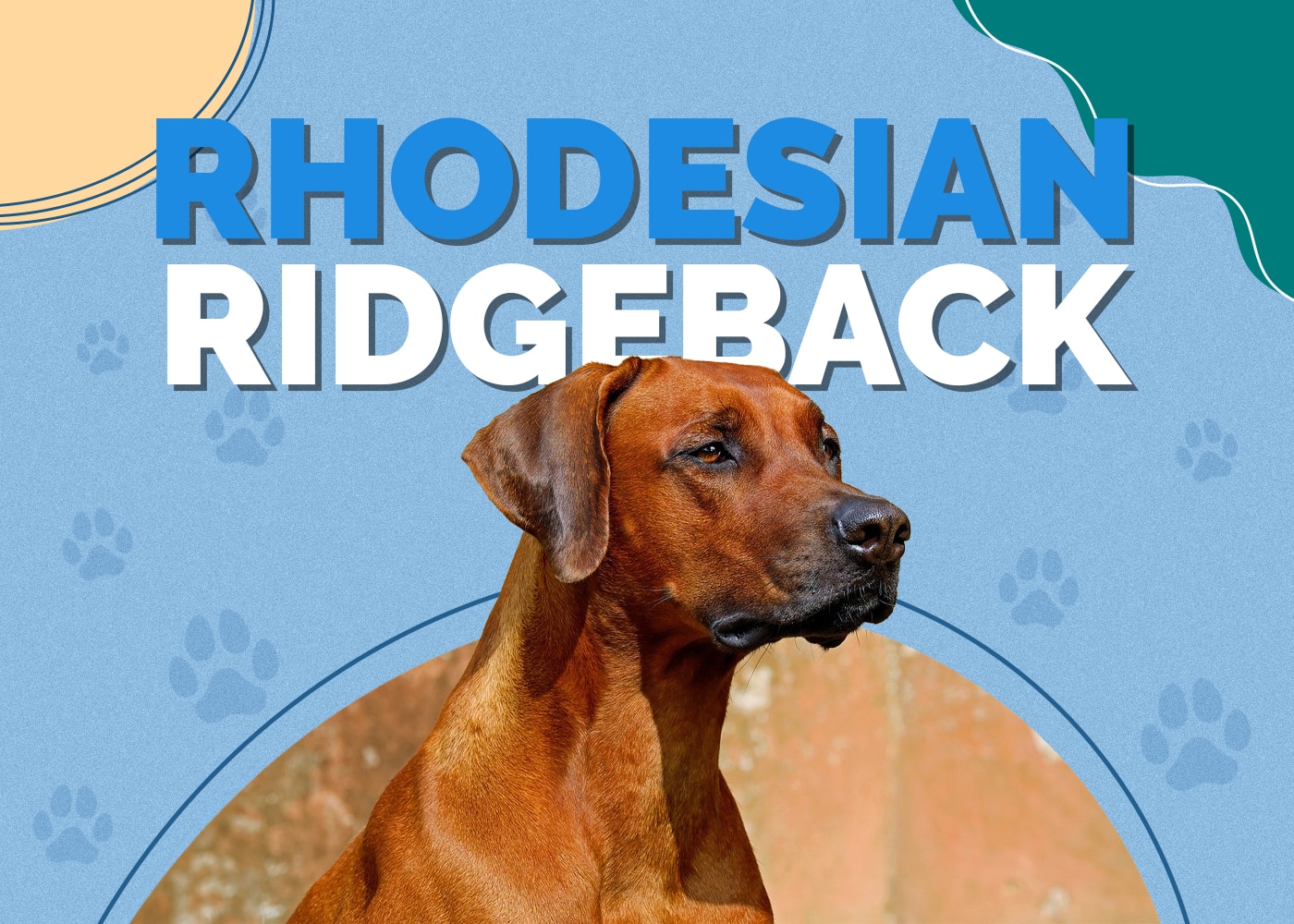
Rhodesian Ridgebacks were originally bred in Africa as hunting dogs that specialized in tracking, but not killing, large predators and wild game. They are a loyal and protective breed that benefits from positive reinforcement training and lots of exercise (at least 2 hours a day!). The Rhodesian Ridgeback is typically a healthy breed, but here are the top health issues to watch out for in your pet.

The 5 Rhodesian Ridgeback Health Issues
1. Dysplasia
Rhodesian Ridgebacks are large-breed dogs and like other large breeds, are more susceptible to hip and elbow dysplasia.1 This degenerative issue is caused by abnormal connective tissues and bones in the hip and elbows. The dysplasia causes looseness of the joints and degenerative changes through rubbing that lead to pain and weakness within the joint, which eventually causes mobility issues.
For many dogs, there may not be signs of dysplasia until they become older. Severe cases typically present in younger dogs, and surgery may be necessary. For older dogs, dysplasia can be managed with pain management, joint supplements, and weight management. Other alternative therapies may be used, including physical therapy, laser treatments, or acupuncture.

2. Dermoid Sinuses
Dermoids happen during development and are tube-like openings that are defects of the skin extending into deeper underlying tissues.2 They are usually found after birth and can be severe—sometimes they go as deep as the spinal cord. The sinuses may become infected and can be very painful.
Breeders normally have puppies tested and treated through surgical intervention before sending them to their new homes. Dermoids can return if they’re not removed properly, so it’s important to get the full health history of any puppy from the breeder before bringing them home. Dermoid sinuses that connect to the spinal cord will lead to significant pain and infection of the central nervous system, which may result in death in certain instances or require euthanasia.
3. Autoimmune Thyroiditis
Rhodesian Ridgebacks are known to develop thyroid issues, specifically autoimmune thyroiditis, which can cause low thyroid hormone levels, also referred to as hypothyroidism. A decrease in the production of thyroid hormones can cause a variety of issues in your pet, including but not limited to lethargy, weight gain, changes in coat, predisposition for ear and skin infections, nail abnormalities, skin pigmentation changes, heat-seeking behavior (they're cold), and an inability to regrow good quality hair. Ask your veterinarian to check your dog’s levels once a year to make sure you catch any thyroid issues so your pet can begin treatment as soon as possible.
4. Early Onset Adult Deafness (EOAD)/Congenital Deafness
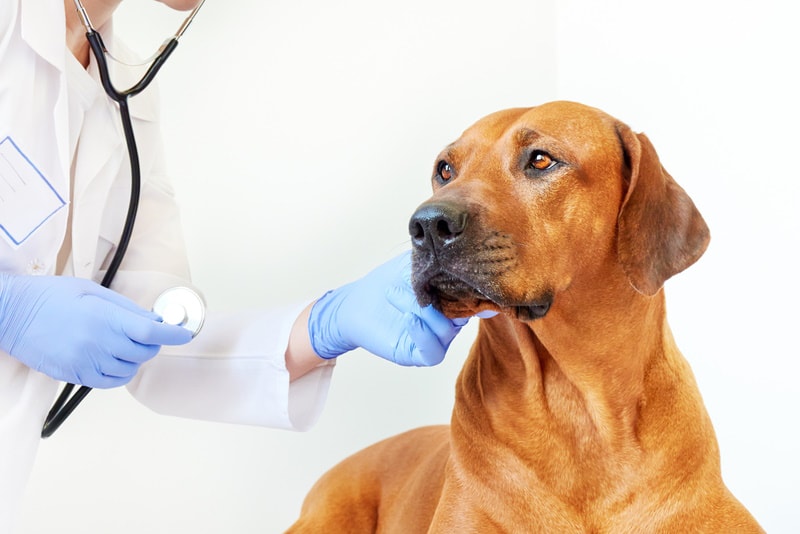
Rhodesian Ridgebacks have been known to suffer early onset adult deafness (EOAD) in which they start to lose their hearing within 1 or 2 years after birth. This condition can also appear as young as 4 months of age and has long been believed to have a genetic basis. Through years of collaborative research with scientists, breeders, and dog owners, Embark scientists recently determined that the hearing loss is caused by a variant in the EPS8L2 gene and that both parents must be carriers to pass it on to their offspring.
Enhanced genetic testing will help prepare dog owners for the time that their Rhodesian Ridgeback goes deaf. Training them young with a combination of visual cues and learning how to avoid sudden movements to avoid startling them will be vital for helping them transition to a non-hearing life.
5. Eye Abnormalities
Although not as common as the first four health issues on this list, eye abnormalities can be found in Rhodesian Ridgebacks. Cataracts, a “clouding” of the eye lens, can affect your pet’s vision, as the lens is not transparent to allow proper vision. This usually appears as cloudiness or an opaque appearance of the lens in either or both eyes, and it prevents the light from reaching the retina at the back of the eye, impairing vision.
For some dogs, the cataract may appear small and remain so, which won’t impact the dog’s vision much. For other dogs, it may completely cloud the lens, leading to a loss of sight. Speak with your vet if you suspect that your dog may have a cataract, as surgery is a possible treatment option.
There are a few other eye abnormalities that Rhodesian Ridgebacks may experience:
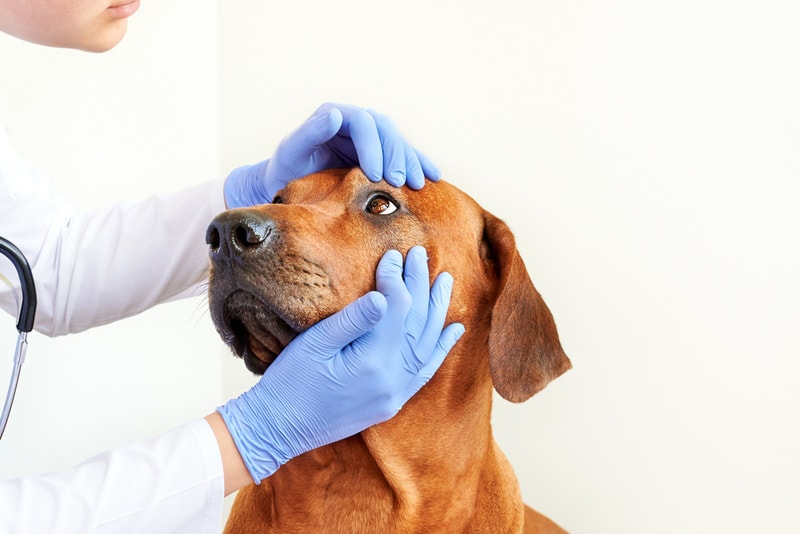
If your dog’s eyes are irritated, red, inflamed, cloudy, or swollen, or if they are pawing at them, keeping them closed, or squinting, schedule an appointment with your vet straight away so they can get a proper diagnosis and treatment.
Final Thoughts
The Rhodesian Ridgebacks are known for being a healthy breed, but like many breeds, they are more susceptible to certain health issues than other dogs. Hip and elbow dysplasia, dermoid sinuses, autoimmune thyroiditis, eye abnormalities, and EOAD are the top health issues that Rhodesian Ridgebacks may suffer from. If you think your pet may have any of these health issues, contact your vet immediately to schedule a checkup.
Sources
Featured Image Credit: Tatiana Katsai, Shutterstock
Get Hepper In Your Inbox


Pet care tips from our vets and experts, straight to your inbox.
You may opt-out at any time. View our Privacy Policy for more information.
Shana Loven lives in the Pacific Northwest with her partner and their dog. She grew up in a large, crazy family with a plethora of pets, ranging from mischievous hamsters to a mob boss of a cat, and several loyal dogs. When she's not using this experience to write about pets or to help out other pet owners, she enjoys reading, crafting miniature scenes, crocheting, and using her former librarian wizardy to conduct research about any topic that interests her.
Join the conversation
Ask a question, share your story, or send private feedback.