Hepper is reader-supported. When you buy via links on our site, we may earn an affiliate commission at no cost to you. Learn more.
Dermoid Sinus in Rhodesian Ridgebacks: Vet-Verified Signs & Facts


In this article
When you become a pet owner, you face the reality that no matter how well you care for pets, they are all prone to health issues they may be born with or develop sometime in their life. This does not mean they are guaranteed to develop any illness, but understanding what your dog is predisposed to will help you manage its health so it can live a long and happy life.
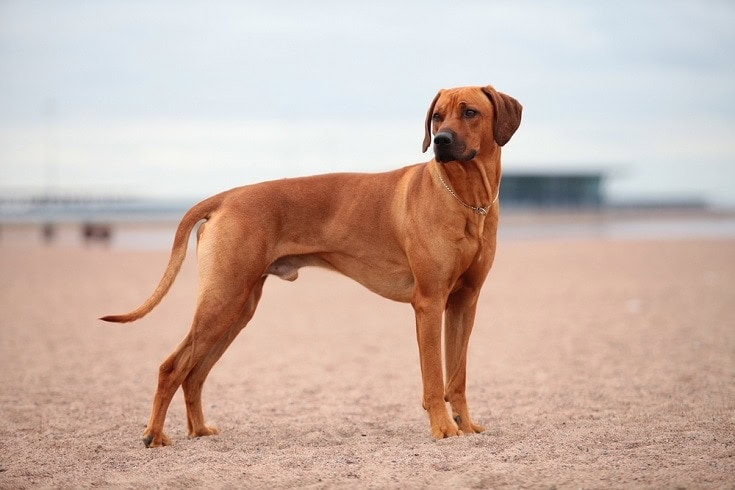
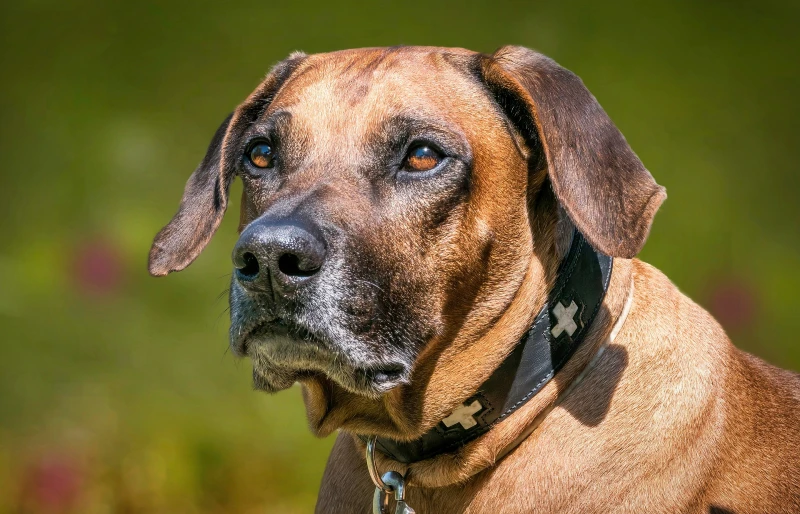
Rhodesian Ridgebacks are generally healthy and live for 10–12 years. Unfortunately, dermoid sinus is a problem that goes hand in hand with Rhodesian Ridgebacks. It is a cyst-like formation that is usually located beneath the skin along the back, neck, and tail.
In this article, we will examine the congenital condition, what to look out for, and how you can care for your Ridgeback if it is born with it.

What Is Dermoid Sinus?
Dermoid sinus (DS) is a congenital abnormality, which means puppies are born with a defect (though in some cases the sinus may only show up as they get slightly older) and is most common in Rhodesian Ridgebacks, even though it has been reported in a few other breeds. The condition is likely linked to multiple genes, therefore sometimes apparently healthy Rhodesian Ridgeback breeding pairs can have a puppy with a dermoid sinus.
A dermoid sinus is a cyst-like formation that can sometimes be related to the spine and is located beneath the skin along the back, neck, and tail. The neural tube that develops the spine should be entirely separate from the skin as the puppy embryo develops throughout pregnancy. A dermoid sinus forms when the separation intended for these tubes to remove dead cells, tissue, and hair does not occur.
Dermoid sinus is a problem because it is prone to infection and can penetrate the tissue below at varying depths. It may extend beneath the skin, connecting to the membrane covering the spinal cord, or be a blind-ended sac under the skin.

What Are the Signs of Dermoid Arthritis?
Affected Ridgebacks may show no clinical signs early on in the disease, and the signs depend on the location of the sinus, how deep it is, and whether or not it is infected. It can be recognized at a young age as an opening in the middle of the back with swirling and protruding hair.
Some signs may include the following:
What Are the Causes of Dermoid Sinus?
This hereditary disease's cause is thought to be linked to the same genes that control the trademark dorsal ridge of the breed. There is still much to learn about hereditary transmission.

How Do I Care for a Rhodesian Ridgeback With Dermoid Sinus?
When you first adopt a Rhodesian Ridgeback, your veterinarian should examine it thoroughly. The dermoid sinus will require complete surgical removable as soon as possible, and if the sinus is not entirely removed, it will eventually form again, necessitating a second surgery to remove any remaining pieces of the tube.
If surgery is not performed, your Ridgeback will require thorough neurological exams regularly. When no neurological signs are present, the prognosis for Ridgebacks with dermoid sinus is excellent.
Certain post-operative issues might be uncomfortable, and fluid may accumulate near the surgical site. It is advised to leave the fluid buildup alone because it will naturally go away. It may be necessary to keep your dog away from other pets to avoid contaminating the incision site. In addition, your puppy may not be able to move more than recommended as a precautionary measure.
Recovery time can take 11–14 days, but if your puppy shows any discomfort or signs of pain, it is vital to get it back to the vet. Have your puppy sleep in a place familiar to them, where they can relax in bed, maintain a healthy body temperature, and have access to clean water. Due to the pain your pup may be experiencing after surgery, it might not want to eat. Provide a special treat to make the food more appetizing, or serve your pup a simple meal.
Frequently Asked Questions
How Do I Diagnose a Dermoid Sinus?
The diagnosis must be made by your dog's veterinarian because it is only possible to identify a dermoid sinus by knowing what to look for. Your veterinarian will physically examine your dog's back, neck, and head, and they may decide to do tests to identify any problems. This may include using a catheter to explore the cavity, X-rays, MRI, or CT scans.
Can Dermoid Sinus be Treated?
Your veterinarian will choose the best course of action for treating your dog's dermoid sinus based on its location, severity, size, and whether or not an infection is present. Dermoid sinuses can continually become infected if left untreated, causing pain and discomfort in your dog.
Can Dermoid Sinus be Prevented?
There is no known way to prevent a dermoid sinus. The parents and siblings of affected animals should not be utilized for breeding, and affected animals should be neutered.

Conclusion
Dermoid sinus is a congenital condition primarily found in Rhodesian Ridgebacks. It is usually diagnosed at birth, and complete surgical removal is often required. The condition cannot be prevented and affected Ridgebacks should not be used for breeding. If surgery is not an option, it is up to the owner to take your dog for regular neurological examinations. If there are no known neurological signs, your Ridgeback can still live a long and happy life.
Sources
Featured Image Credit: guvo59, Pixabay
Get Hepper In Your Inbox


Pet care tips from our vets and experts, straight to your inbox.
You may opt-out at any time. View our Privacy Policy for more information.
Nicole is a lover of animals of all sizes but is especially fascinated with the feline variety. She’s the proud mom of Baby, a Burmese, and works every day so he can relax in the sunshine or by the fire. She’s always had a cat in her home and has spent countless days with others, observing behaviors and softening up even the grouchiest of the lot. Nicole wants to share her kitty expertise with you so you and your cat can live happy, healthy, and care-free.
Join the conversation
Ask a question, share your story, or send private feedback.