Hepper is reader-supported. When you buy via links on our site, we may earn an affiliate commission at no cost to you. Learn more.
12 Common Swedish Vallhund Health Issues - Our Vet Explains
In this article
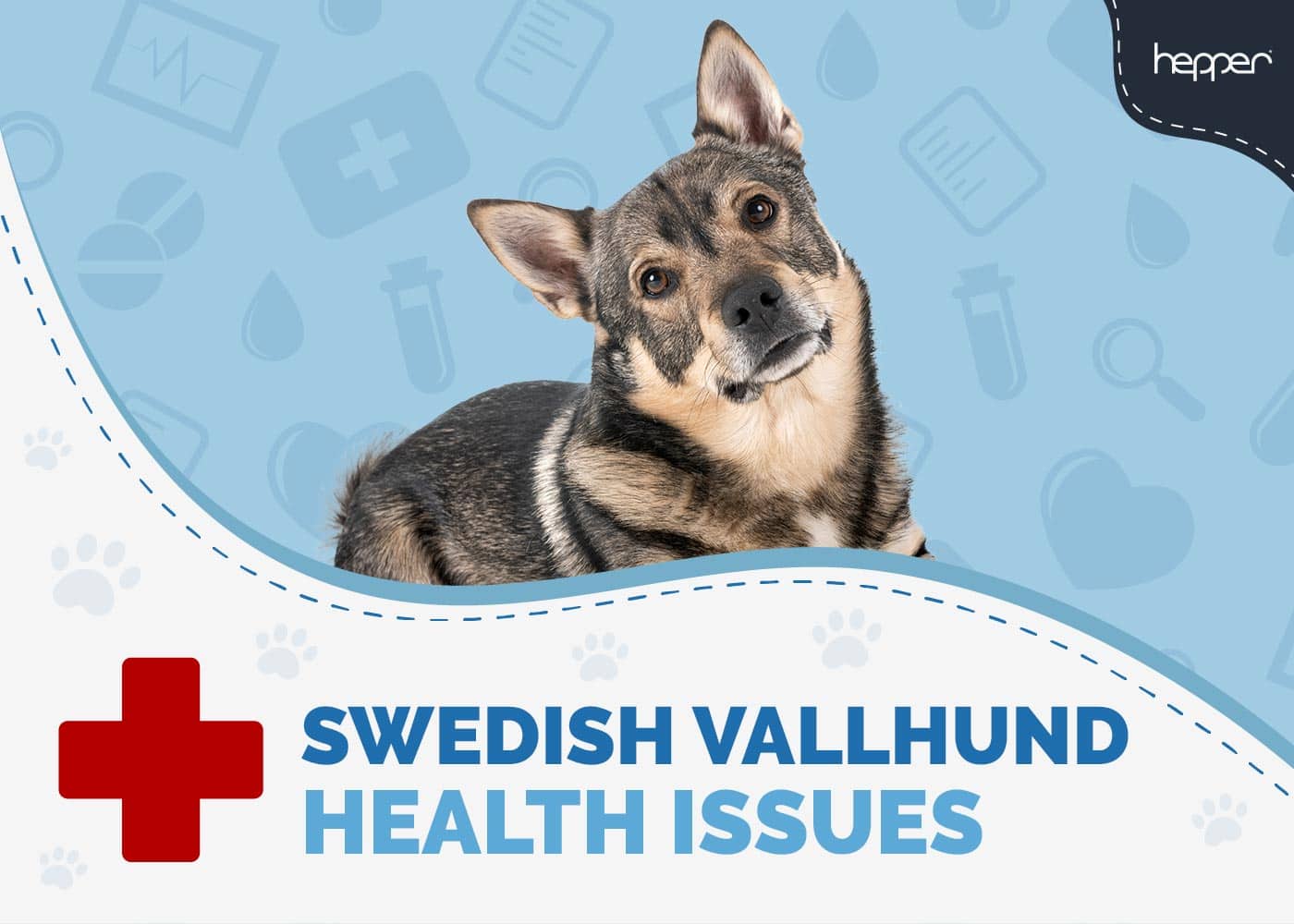
Is your family considering welcoming a Swedish Vallhund into your home? These energetic, social little dogs make fantastic pets and are popular in the agility circuit. If you’d like to know a bit about which health concerns to watch for after bringing them home, we’ve pulled together a short list of some of their most common health concerns.
All in all, this is a wonderfully healthy breed with no common or likely conditions, just ones that are most prevalent for the breed. You’ll note that more than anything, Swedish Vallhunds are at risk for developing eye problems of various types.

What Are Swedish Vallhunds?
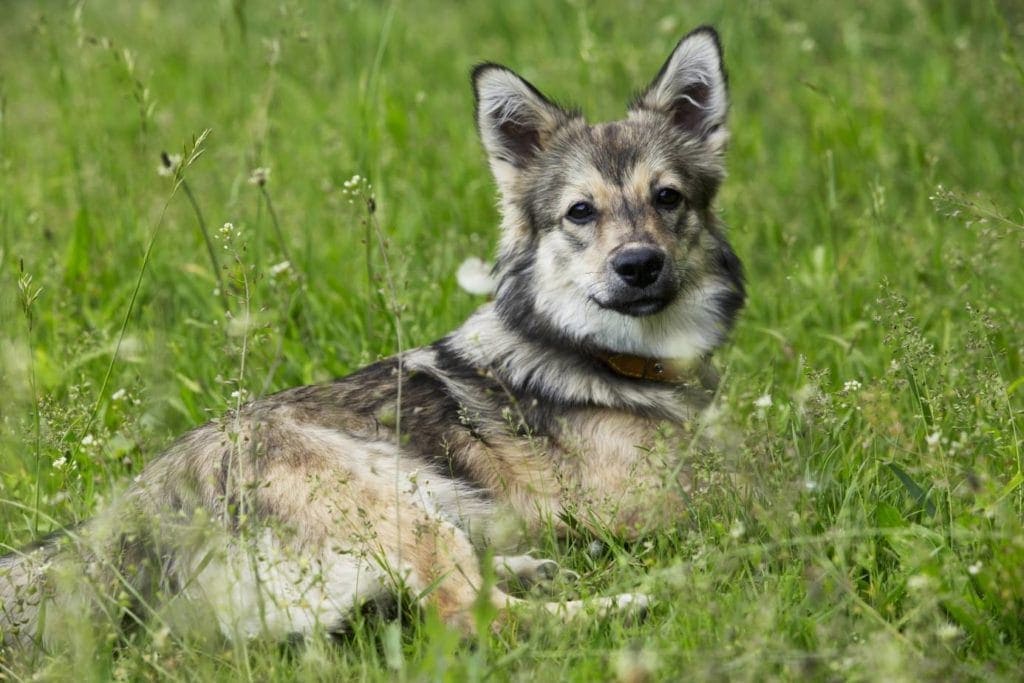
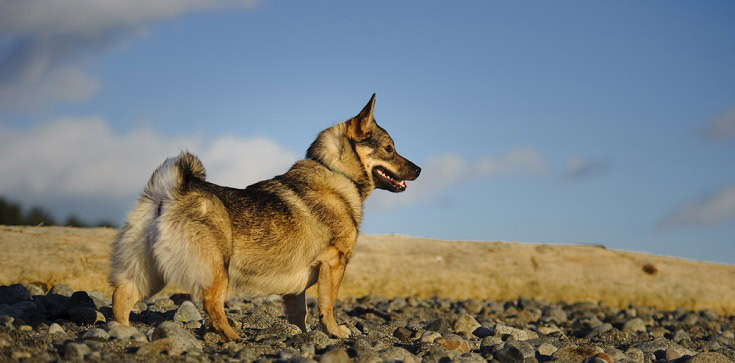
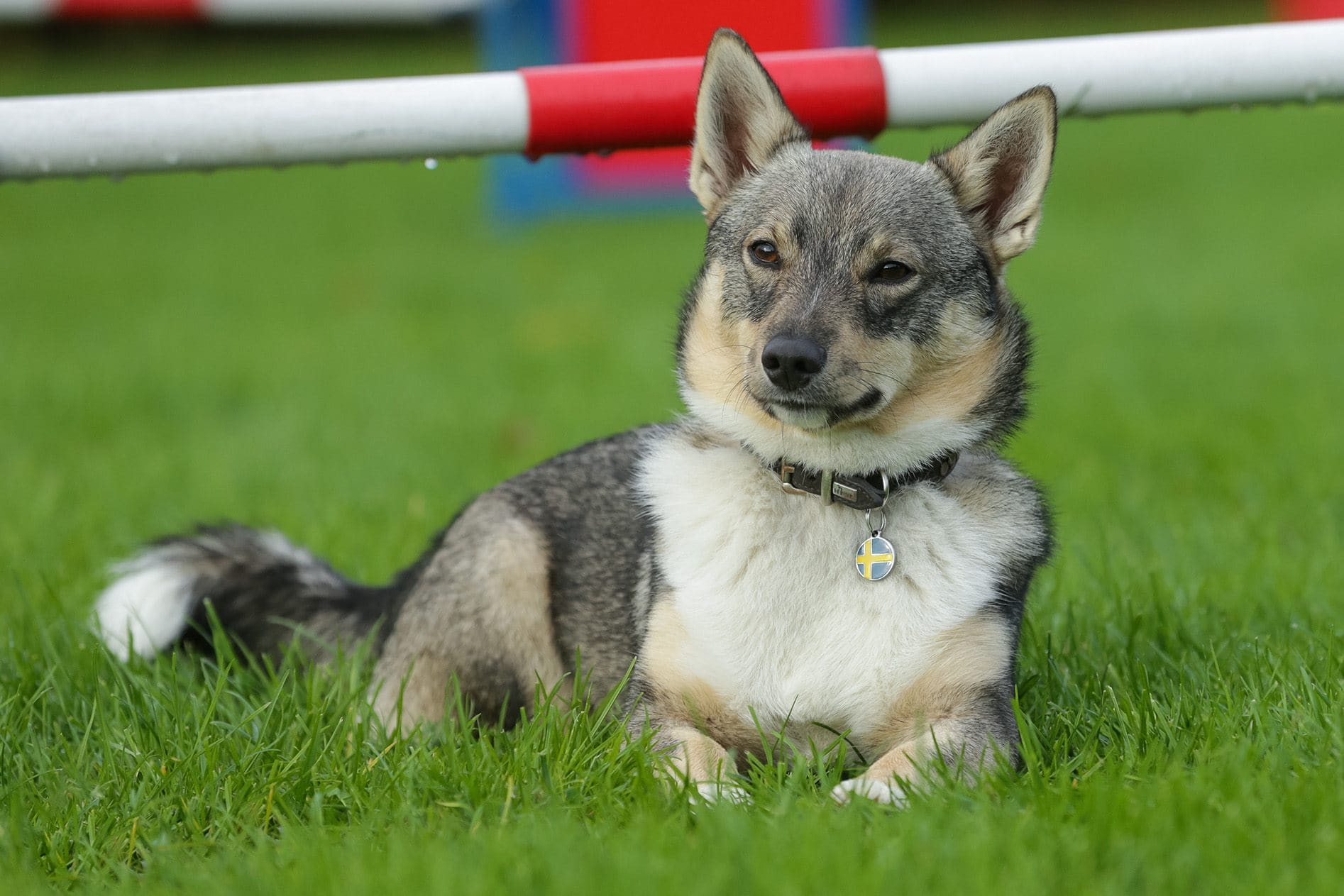
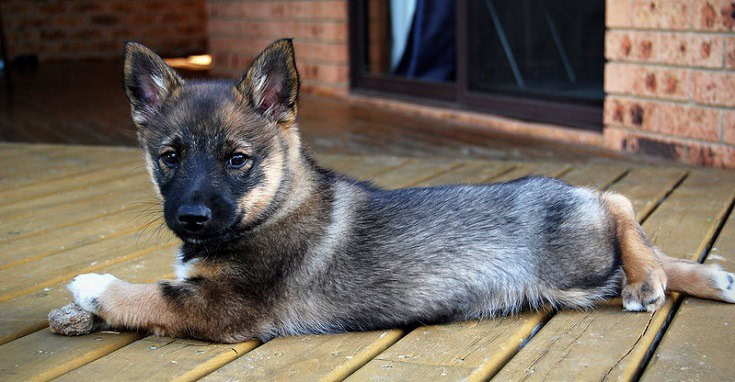
Swedish Vallhunds are an ancient dog breed originating from Scandinavia, bred by Vikings. They are in the Spitz family of dogs and, according to Sweden, are an original dog breed, meaning they weren’t bred from other dog breeds. These tough little guys were originally herding dogs, especially cattle dogs. They are short dogs, rarely more than about a foot tall, with long backs (sort of like a Corgi), weigh in at about 20 to 35 pounds, and can live up to 15 years.
Swedish Vallhunds short stature allows them to work around the ankles of cattle while lowering the risk of being kicked. Due to their bred purpose, you’ll find these little guys to have spunky, energetic personalities. They can be vocal at times and love to be trained to do tasks.
Their athletic abilities have made them popular across a range of agility sports, but plenty of Swedish Vallhunds are happy to be couch potatoes, too, with regular mental enrichment and exercise.
The 12 Common Swedish Vallhund Health Issues
1. Progressive Retinal Atrophy (PRA)
While PRA is common in many other dog breeds, Swedish Vallhunds develop their own specific form of the disease, caused by a different mutation than in other dogs.
It can develop at any age and develop into full blindness in the worst cases but sometimes only progresses as far as night blindness or anything in between.
This disease, which represents the degeneration of the photoreceptor cells at the back of the eye, has been shown to be present in up to 10% of screened Swedish Vallhunds.
Prevention and Treatment:
2. Distichiasis
Distichiasis is the occurrence of eyelashes growing from the middle to the inner edge of the eyelid arising from the opening of eyelid glands, resting against or pushing into the surface of the eye instead of on the outer skin edge of the eyelid as they should. This causes irritation and scratches to the surface of the eye and the cornea and is quite uncomfortable.
Prevention and Treatment:
3. Corneal Dystrophy
Corneal dystrophy describes any number of non-inflammatory changes to the cornea, such as white spots or lines or cloudy corneas. Sometimes these impact vision or are painful, but they can also be incidental with no other signs.
Prevention and Treatment:

4. Persistent Pupillary Membranes
While retinal atrophy is typically the most readily known eye disease of Swedish Vallhunds, in a study that screened a number of these dogs via an eye examination, the most common hereditary eye disease was persistent pupillary membranes, present in 15% of the dogs.
Prevention and Treatment:
5. Cataracts
Cataracts can develop for many reasons, such as genetics and any other eye disorders or diseases that can secondarily affect the eyes. Since Swedish Vallhunds have so many eye conditions they’re predisposed to, that also predisposes them to cataracts, though the exact cause isn’t always clear.
Prevention and Treatment:
6. Retinal and/or Tapetal Dysplasia
The only known case of tapetal dysplasia in dogs is in a Swedish Vallhund, and retinal dysplasia, in general, can affect Swedish Vallhunds.
Abnormal embryonic development of the cells of the retina in the back of the eye can cause it to bunch and fold as an animal develops, eventually leading to retinal detachment and blindness. This detachment happens when there’s also abnormal fluid within the eye, which is also something Swedish Vallhunds can suffer from, making retinal detachments more likely for them, in parts or as a whole.
Prevention and Treatment:

7. Dermoid Sinus
Dermoid sinuses are congenital tunnels from the skin to the tissue below, present along the spine of some dogs. The classic breed for this is the Rhodesian Ridgeback, though Swedish Vallhunds are one of several other breeds also affected by this condition.
This condition has six categories. Any of the tunnels can trap bacteria and lead to infection, but category four sinuses communicate with the spinal cord and can cause severe signs or even death when infected.
Prevention and Treatment:
8. Hip Dysplasia
Usually a problem for large breed dogs, Swedish Vallhunds are one of several small breed dogs for which this is developing into an increasing concern. A recent evaluation of more than 300 Swedish Vallhunds found that 10% had hip dysplasia, which is alarming for a small dog breed.
Prevention and Treatment:
9. Elbow Dysplasia
Less of a concern than hip dysplasia, this genetic degenerative condition is also found in Swedish Vallhunds at rates higher than typically seen in small breed dogs, about 3%.
Prevention and Treatment:
10. Patellar Luxation
Also known as floating kneecaps, this orthopedic condition is found more commonly in small-breed dogs than large-breed dogs and happens to be less common in Swedish Vallhunds than hip and elbow dysplasia. Vallhunds with hip dysplasia are more likely to have patellar luxations.
Prevention and Treatment:
11. Allergies
Allergies are one of the most common dermatologic conditions of dogs, and dermatology-related concerns are the most common reason a sick dog sees a vet. Swedish Vallhunds are not exempt from this and can be seen for itching, secondary ear or skin infections, hot spots, eye discharge, and more related to allergies.
Prevention and Treatment:
12. Obesity
While not genetically predisposed to obesity like some other breeds, weight control is critical for Swedish Vallhunds due to their conformation and lifestyle. Many breeds of dogs with short legs and long backs are predisposed to degeneration of the discs in their spine, known as Intervertebral Disc Disease (IVDD).
Swedish Vallhunds escape this fate, unlike other similar breeds like Corgis, because they don’t possess both genes that lead to those physical differences.
Prevention and Treatment:


Conclusion
Despite all these potential health concerns for Swedish Vallhunds, generally speaking, these conditions don’t occur in a large percentage of these dogs. It is important to know that Swedish Vallhunds need to have their eyes and joints examined by a veterinarian, preferably when they’re young, and these two body systems should be monitored over their lifetime.
Swedish Vallhunds are a breed that almost disappeared and were brought back from the brink with special breeding of just a few dogs. The care taken to keep from breeding significant health issues within the breed is astounding, and it is considered impressive that they’re as healthy as they are.
If a Swedish Vallhund joins your family, hopefully, they will be as friendly and healthy as they are known for, but now you also know what to watch for, too, just in case.
Sources
Featured Image Credit: Vera Reva, Shutterstock
Get Hepper In Your Inbox


Pet care tips from our vets and experts, straight to your inbox.
You may opt-out at any time. View our Privacy Policy for more information.
Dr. Zayas has a passion for sharing her extensive knowledge base with everyone she can. She lives in Colorado with her dogs, cat, and fish and has traveled all over the world with them. Her various life and work experiences have allowed her to focus on not only clinical practice, but also providing informative, accurate answers to almost any question her clients and readers can ask of her.
Education
Dr. Zayas received her Bachelor’s degree from Bryn Mawr College and her Doctor of Veterinary Medicine degree from Ross University School of Veterinary Medicine.
Experience
Dr. Zayas owns a house call small animal and exotics veterinary practice. She has special interests in allergies, pain management, end of life/hospice care, and finding unique solutions tailored to her patients’ and families’ individual needs. She has worked in shelter medicine, home health, and everything in between.
Join the conversation
Ask a question, share your story, or send private feedback.