Hepper is reader-supported. When you buy via links on our site, we may earn an affiliate commission at no cost to you. Learn more.
Rhodesian Ridgeback vs Black Mouth Cur: Key Differences (With Pictures)
In this article
The Rhodesian Ridgeback and the Black Mouth Cur are born hunters. But that is not the only trait they share, as they're both adventurous breeds with very sweet personalities. Then again, being “sweet” doesn’t imply that they aren’t protective of their families, or territorial for that matter.
In today’s article, we will be looking at the history of these two breeds, as well as their key traits. We believe this information is important for anyone out there looking to between a Black Mouth Cur or a Ridgeback.

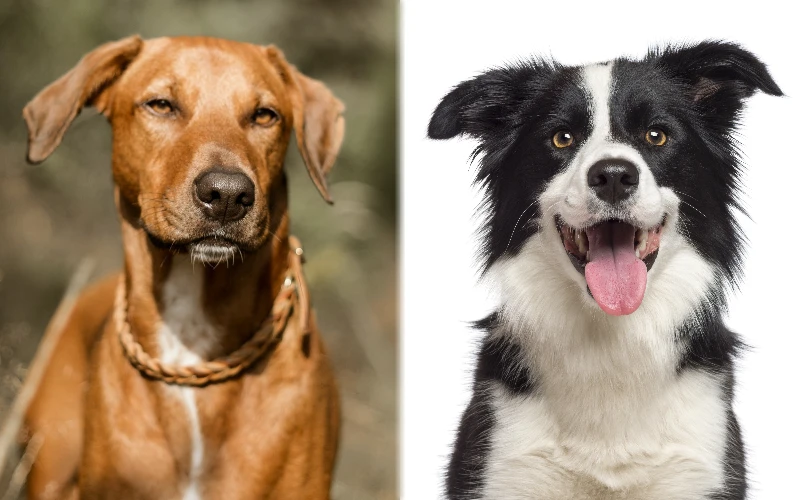
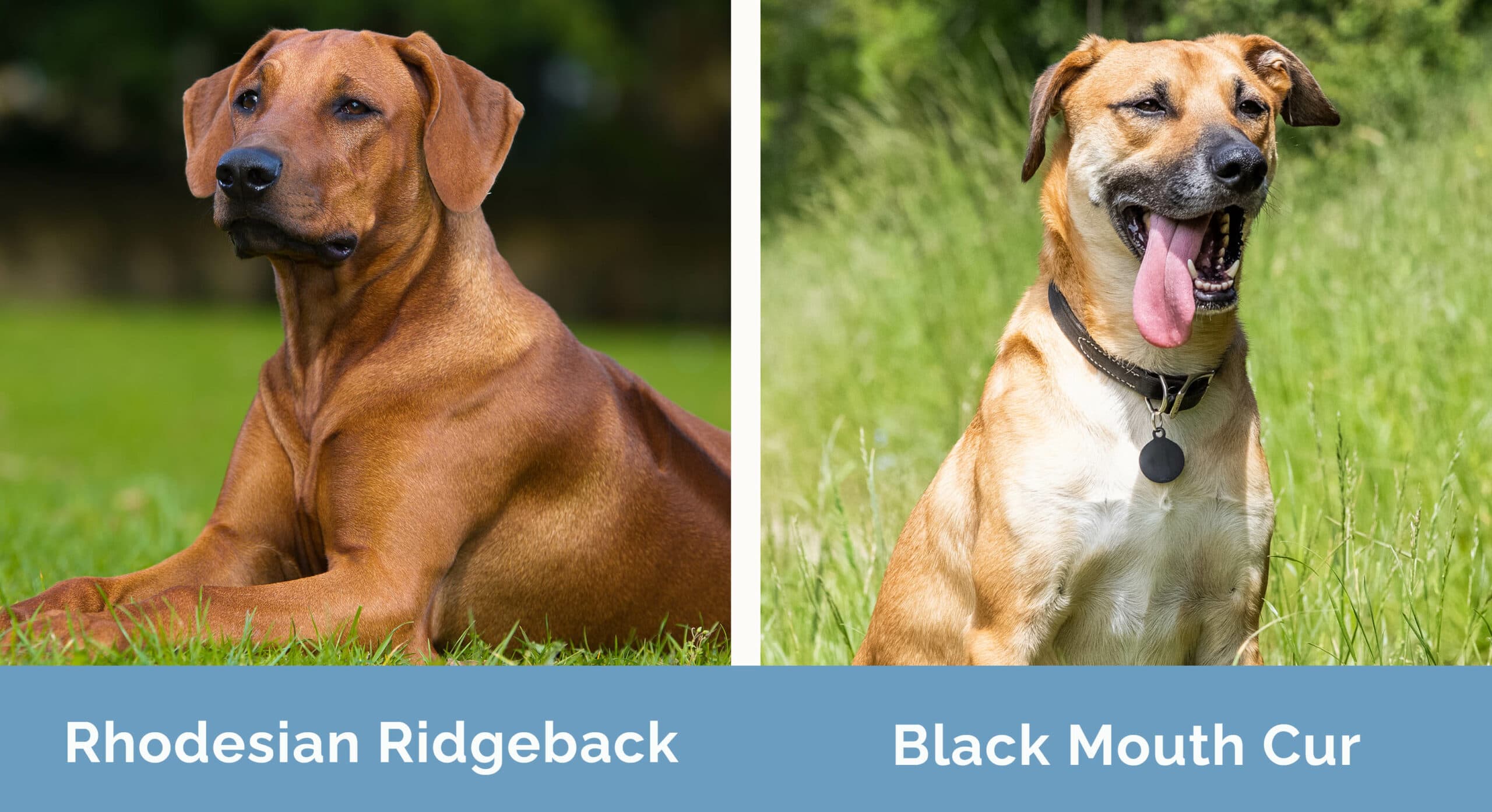
Visual Differences
At a Glance

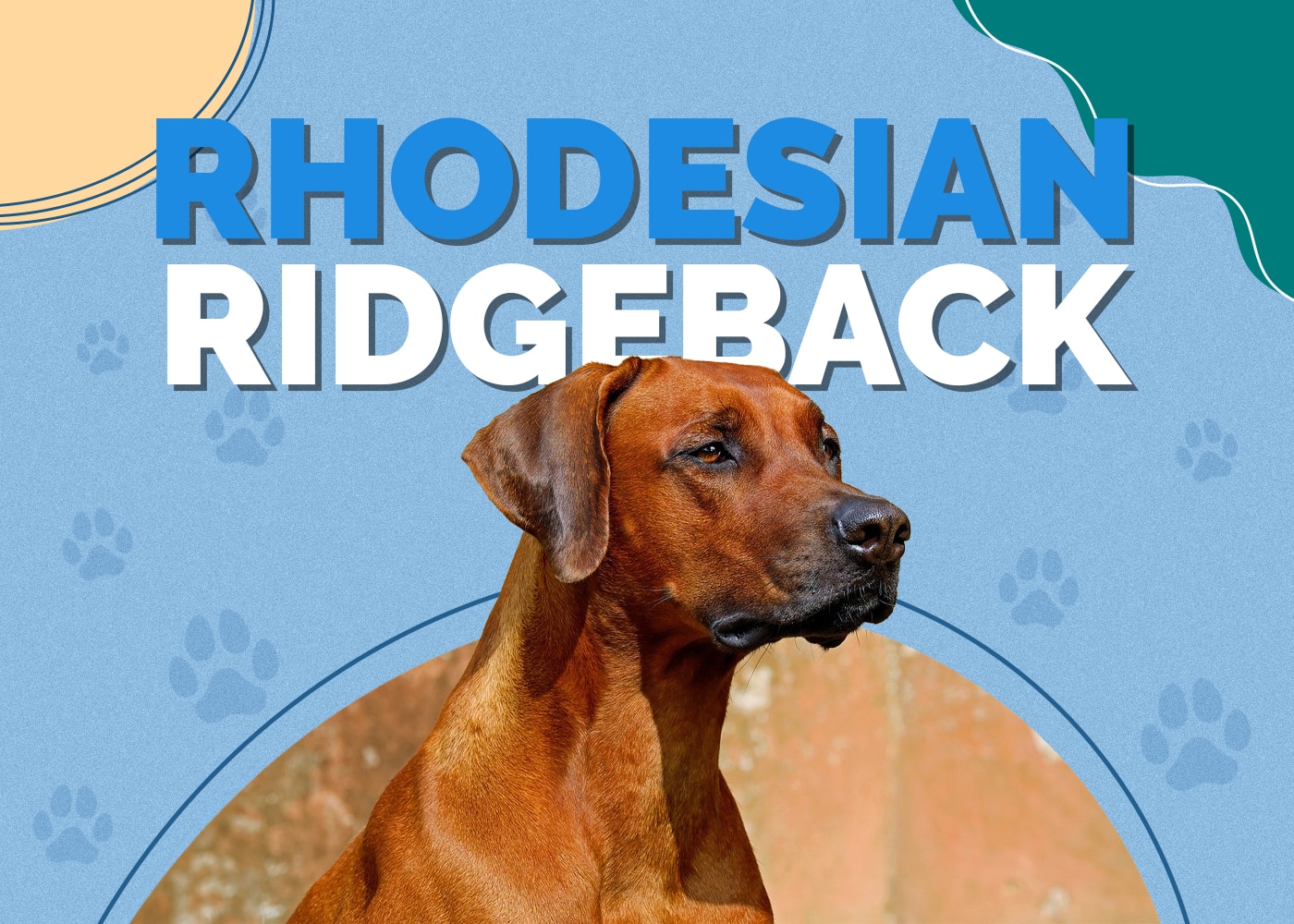
Rhodesian Ridgeback Overview

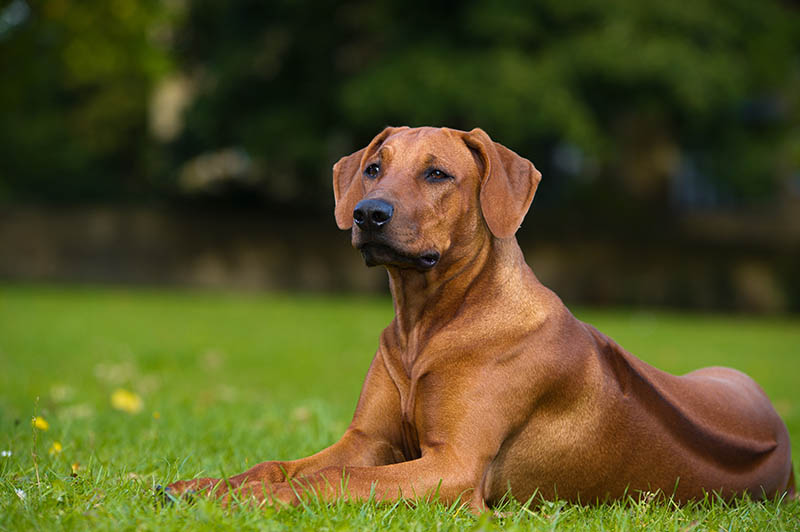
The Rhodesian Ridgeback is native to Africa, is often called the “lion hound” because they were often bred to hunt big game—and hunting lions was their specialty.
This large, muscular breed comes with a short but smooth coat, typically characterized by a strange ridge of fur that often runs parallel to its spine. What makes that ridge of fur bizarre is the fact that it doesn’t grow in the same direction as the fur covering the rest of the body.
The Rhodesian Ridgeback has a high prey drive. And that’s the reason why they were so popular and revered among the South African communities.
History of the Ridgeback
The modern Rhodesian Ridgeback breed is not the same as the old Ridgeback. The indigenous breed was a semi-wild dog that didn’t share any genes with the breeds owned by the European explorers, who settled in Africa before moving back to Europe.
The settlers thought it was wise to crossbreed the breed with Terriers, Greyhounds, Bloodhounds, Bulldogs, Great Danes, and Mastiffs, to improve their general traits. Of course, there were signs of improvement when the new pups were born, but not as significant as they would have liked.
Their breeding programs started in 1922. But it wasn’t until the 1950s that the American Kennel Club felt the need to officially acknowledge the new line of Ridgebacks.
A historical fact that many people might not know is that Errol Leslie Thomson Flynn—the famous Australian-American Actor in the Golden Age era of Hollywood—was among the first Ridgeback breeders in the States.

Training
The Ridgeback is not an average-performing breed. They are very intelligent, iron-willed, and independent. To any dog owner, these traits are music to their ears. But to the trainers, it means more work has to be put in to transform the dog into a well-mannered breed. Such dogs are always difficult to train because they think they already know what’s best for them.
Fortunately for us, the Rhodesian Ridgeback usually responds well to positive reinforcement, but only if the trainer exercises patience and is consistent.
Seeing as training an adult Ridgeback is a fairly tall order, begin training while they are still at the puppy stage. Ensure classes on obedience, as well as those that touch on the improvement of their socialization skills.
Both aspects are considered significant because if a dog is going to be a family dog, it has to know how to interact with different pets, kids, and strangers.
Grooming
When it comes to grooming, all you have to do is brush those short coats twice a week. This will help you get rid of all the loose fur, while simultaneously redistributing their body oils.
They sometimes shed more during spring and fall, as a result of temperature changes. It’s the dog's way of removing the thick winter coat, to make way for a lighter one.
Outdoorsy dog owners have to bathe them at least once every week, depending on how much dirt they get on themselves. You’re also obligated to frequently check their ears for abnormalities, debris, or dirt. Dental care is of vital importance to any dog, so try to brush their teeth daily if possible—preferably after they’ve had their last meal of the day.
Diet & Nutrition
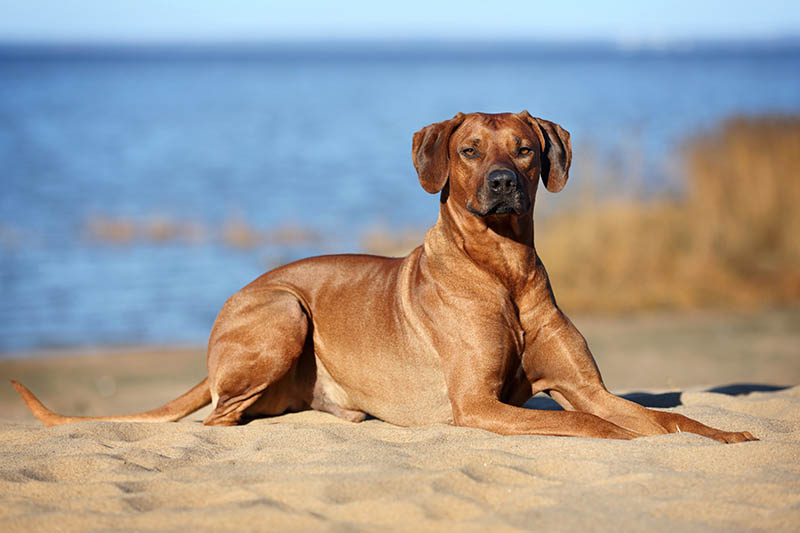
For a Ridgeback to live a long and healthy life, it needs a nutritionally balanced canine diet. Nutritionally balanced means whatever you feed them has to offer proteins, carbohydrates, vitamins, fiber, and all the crucial minerals required by the body to function optimally.
We prefer feeding them twice a day, but the amounts being served will hinge on several things. Factors such as level of activity, size, gender, age, and the condition of the dog. For example, unneutered male adult dogs normally have a high metabolism, and that’s why we offer them large portions of food.
Also, don’t forget to accompany their meals with sufficient fresh water.
Exercise
Keeping a Rhodesian Ridgeback happy without any form of daily physical activity is practically impossible. For them to stay healthy and content, they require both mental and physical exercises, in the form of puzzles, jogs, hikes, etc.
If you don’t have time to engage in such activities, you could hire a professional dog handler to take care of their exercise needs while you’re away working. By the way, you should know the Ridgeback has a penchant for excelling at different sports, especially those that require high-level agility.
Pros
- Affectionate
- Loyal
- Long lifespan
- Intelligent
- Protective
Cons
- Iron-willed and thus difficult to train
- High prey drive
Black Mouth Cur Overview

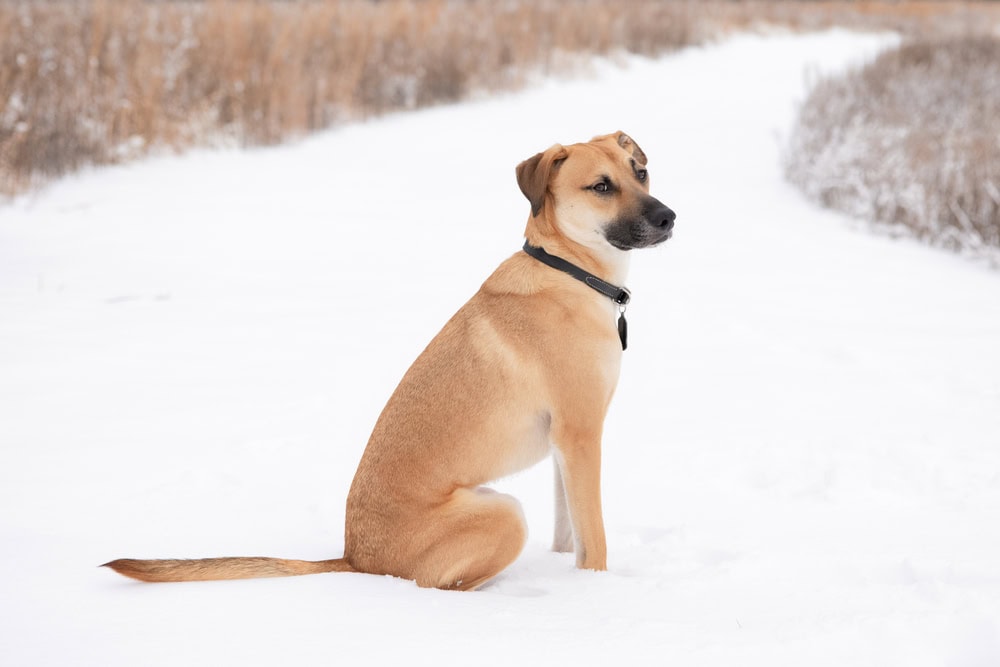
You can easily tell that the “Black Mouth Cur” name is descriptive of the breed’s physical feature, which happens to be its square black muzzle. This dog was popular and common among the early American settlers, who mainly practiced farming.
Their tenacity, intelligence, loyalty, and a strong desire to forge bonds with their owners, not only made them the ideal “utility” dog but also one that’s perfect for families yearning for a furry companion.
We normally think of them as utility dogs because they can do pretty much anything. From hunting and herding to performing roles such as aiding disabled people, pulling loads, and assisting law enforcement by sniffing out contraband drugs.
The Black Mouth Cur History
For centuries, the exact origin of the Back Mouth Cur has remained a mystery. However, some researchers believe that they are descendants of the Asian Cur species, which used to be bred as hunting and herding dogs.
All we know for sure is that this breed now has traits that were improved by the settlers who lived in the southern parts of the United States through crossbreeding to help them out with their farming activities.
They crossbred the dogs so many times that they ended up with a variety of Black Mouth curses. And the different breeds had their unique strengths and weaknesses.
For example, the Southern Black Mouth Cur was more specialized in hunting big game and protecting their livestock. The Texas Black Mouth Cur, on the other hand, excelled in cattle herding more than it did in all the other facets.
Training
The Black Mouth Cur is more social in comparison to the Rhodesian Ridgeback. And what makes them incredible family dogs is not only their loyalty but their eager-to-please attitude. As with most dogs, they only respond well to positive reinforcement. If you try to apply any negative form of reinforcement, they’ll start showing signs of resistance and distrust.
All Black Mouth Curs are intelligent and driven. So, if you keep your training programs light and breezy, they’ll supersede your expectations.
Grooming
The Black Mouth Cur’s fur is thick but short. And that’s a good thing because it doesn’t demand a lot when it comes to maintenance and hygiene. We like to bathe them once a month at most, as overbathing usually depletes their natural body oils. If that happens, they grapple with dry skin effects such as constant itches and flakes.
To keep periodontal disease at bay, you also have to brush your teeth regularly. Just don’t use human toothpaste, since Xylitol is one of the ingredients used in its production. This artificial sweetener can cause severe health issues in dogs.

Nutrition & Diet
The Black Mouth Cur lives on a high-protein diet. One that’s specifically designed for high-performance breeds that spend the better part of the day working. Nonetheless, that doesn’t mean that you should forget about the carbs, vitamins, and minerals. Their bodies still need those nutrients, just not as much as they need protein.
Avoid serving them food that’s high in calories. If your Black Mouth Cur isn’t well conditioned physically, it will be susceptible to various health risks that could ultimately affect its quality of life.
Exercise
The Black Mouth Cur is an outdoorsy breed. They are always energetic and ready to be by your side during your adventures. Keeping them cooped up in a small space for long periods is a grave injustice.
You’ll come back to find them looking very miserable and in low spirits. They usually require at least an hour of mental stimulation and physical exercise per day. So, you should buy them some puzzle toys and let them join your morning runs.
Pros
- Ideal utility dog
- Intelligent
- Affectionate
- Eager to please
- Forges bonds quickly
Cons
- Can be territorial
- High prey drive
Frequently Asked Questions (FAQs)
Why Does the Rhodesian Ridgeback Like Crying?
The Ridgeback is an intelligent breed. They know crying and whining is a way of letting their owners know that they are sad, or don’t approve of whatever’s about to happen. And if they sense you still don’t get what they are trying to communicate, they’ll keep on crying.
Can a Rhodesian Ridgeback Swim Well?
On a scale of 1 to 10, we’d give the Ridgeback an 8 in the swimming department. These dogs are proficient at swimming, and they always seem to enjoy the activity a lot. We can confidently say that other than running, swimming is a form of physical exercise that they love.
Do Black Mouth Curs Bark a Lot?
Let’s just say these are not the best dogs to have if you’re someone living in an apartment. The dog’s energy levels are always up through the roof, and the amount of space that they often demand is ridiculous. They’ll bark and howl pretty often, even with loads of exercise and training.
Which Breed Is Right for You?
Both of these dogs are incredible breeds. They are good at hunting and protecting their families. We, however, can’t say for certain which breed will better suit you because pet owners have different needs.
For example, most hunters gravitate more towards the Rhodesian Ridgeback than they do the Black Mouth Cur. But herders will always choose the Cur, all day every day. It comes down to your personal preference.
Featured Image Credit: (L) nik174, Shutterstock | (R) Wirestock Creators, Shutterstock
Get Hepper In Your Inbox


Pet care tips from our vets and experts, straight to your inbox.
You may opt-out at any time. View our Privacy Policy for more information.

Nicole is a lover of animals of all sizes but is especially fascinated with the feline variety. She’s the proud mom of Baby, a Burmese, and works every day so he can relax in the sunshine or by the fire. She’s always had a cat in her home and has spent countless days with others, observing behaviors and softening up even the grouchiest of the lot. Nicole wants to share her kitty expertise with you so you and your cat can live happy, healthy, and care-free.
Join the conversation
Ask a question, share your story, or send private feedback.