Hepper is reader-supported. When you buy via links on our site, we may earn an affiliate commission at no cost to you. Learn more.
Rhodesian Ridgeback vs German Shepherd: The Key Differences (With Pictures)
In this article
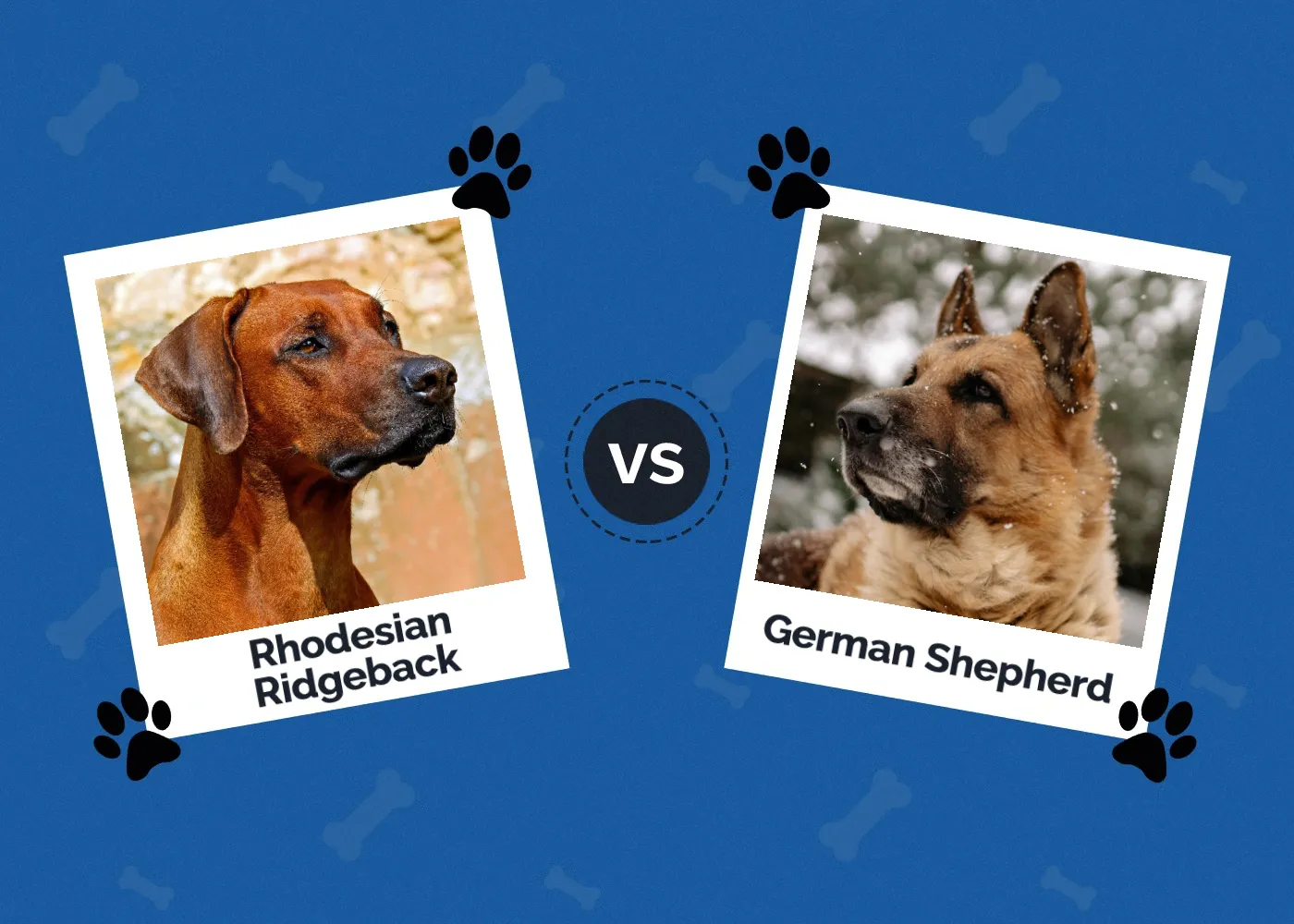
Are you looking for a large, lovable dog to adopt? If yes, you should consider the Rhodesian Ridgeback and the German Shepherd. Both breeds are powerful dogs with an innate protective sense and high affection towards their human family. They also share several other traits but also have several distinct differences. Read on to learn more about both breeds and get the information you need to decide which of these exceptional dogs is best for you and your family.

Visual Differences
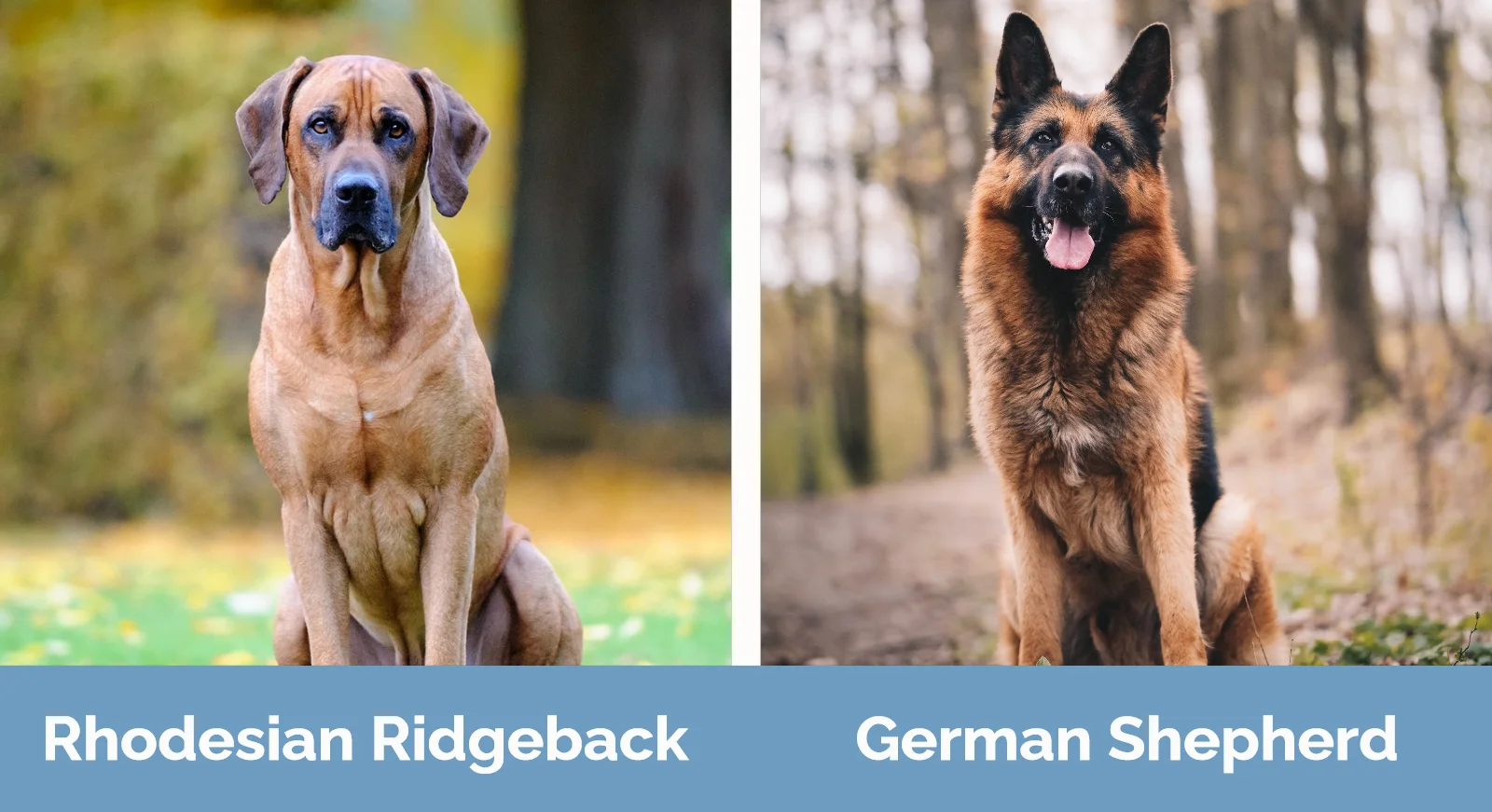
At a Glance
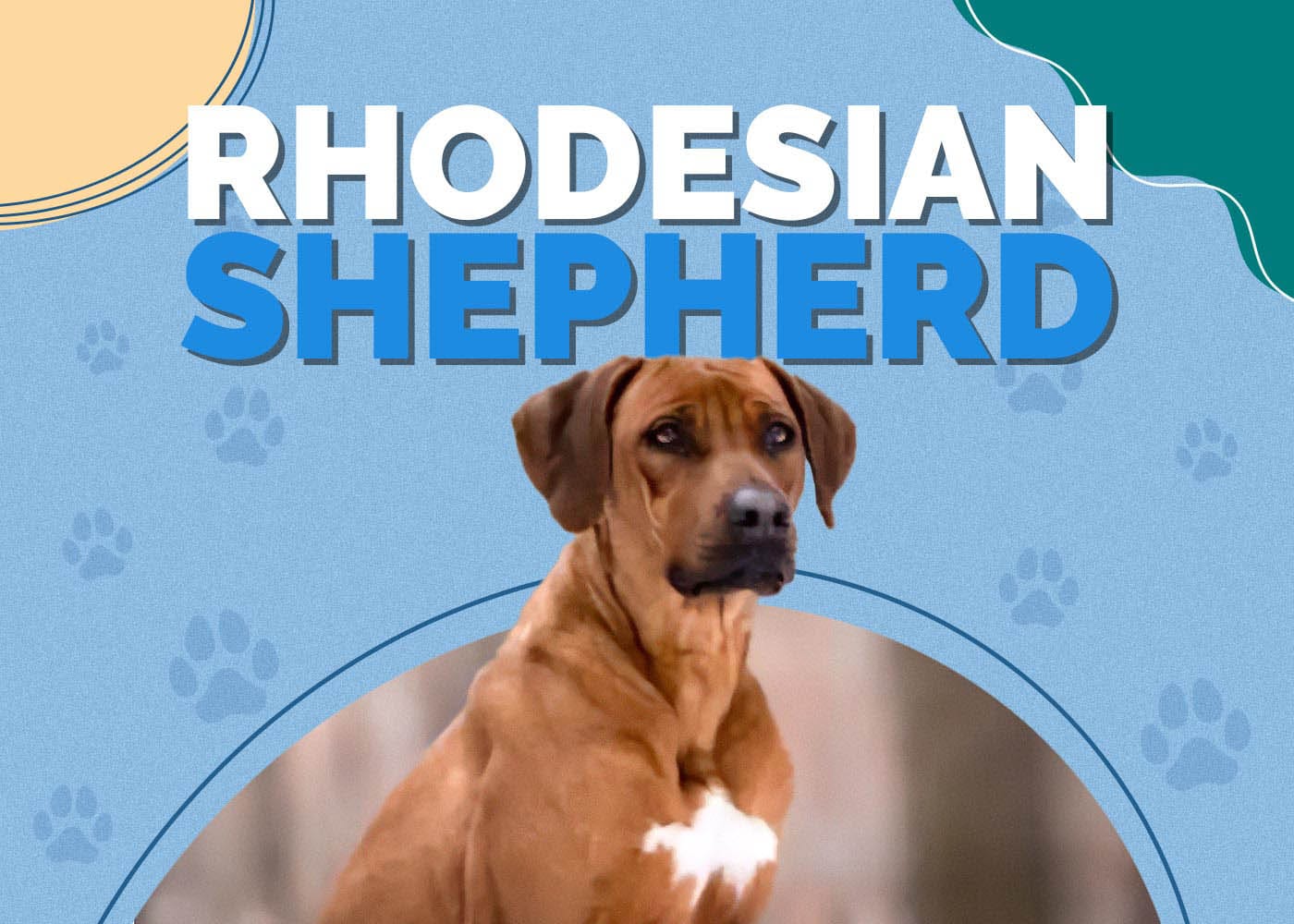
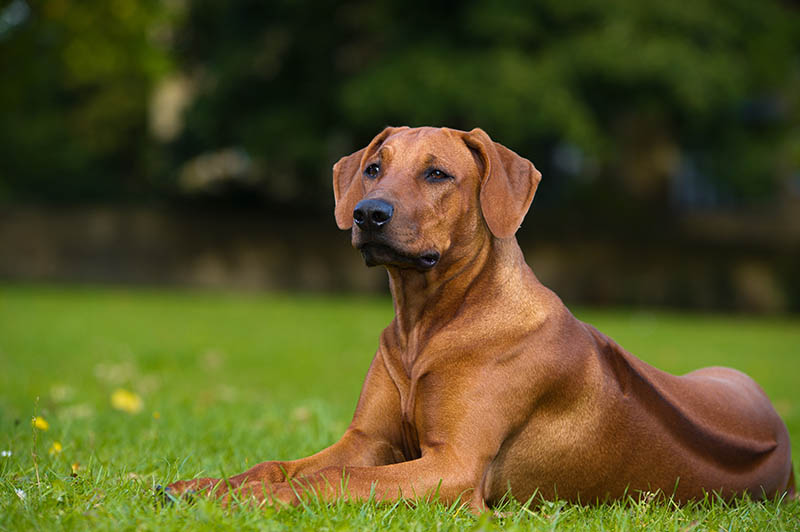
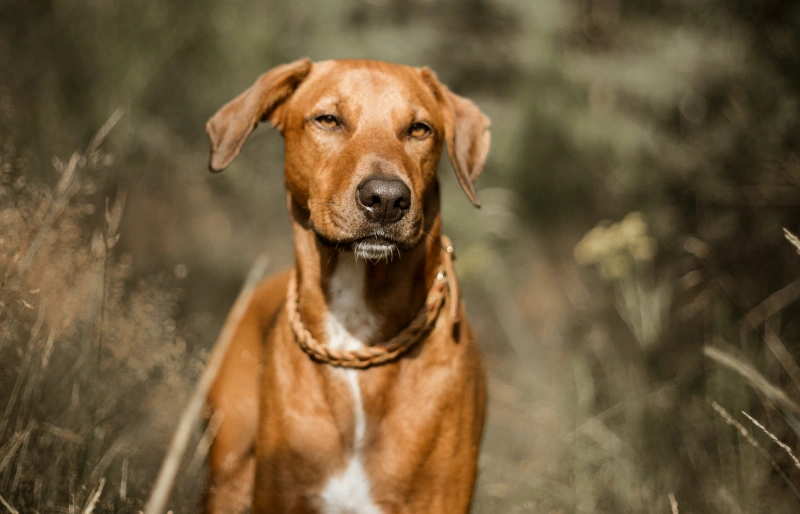
Rhodesian Ridgeback Overview

Personality
While large and powerful, the average Rhodesian Ridgeback is a very sweet, affectionate dog that will grow unbreakable bonds with its human family. Rhodesian Ridgebacks are great with kids and tolerate even the youngest of them. They tend to be very protective, which can be problematic if you have frequent visitors.
As for other dogs, an adult Rhodesian Ridgeback might have a problem with some but not all. If raised with other dogs, cats, and pets as a puppy, a Rhodesian Ridgeback will gladly share its home.
Exercise
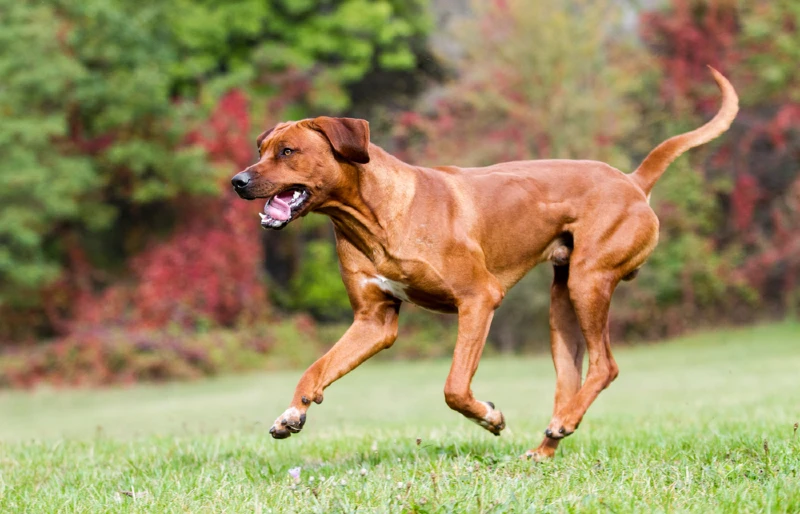
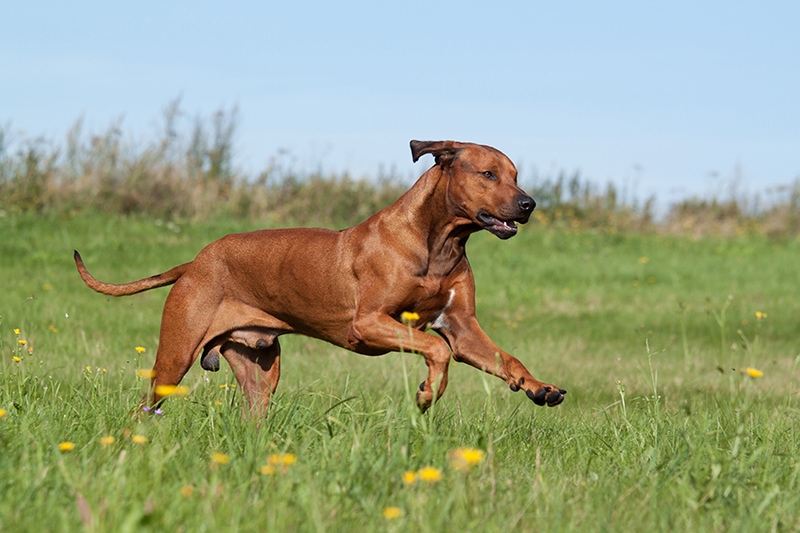
Rhodesian Ridgebacks typically have a high energy level and need at least 2 hours of daily activity and exercise. They thrive on long walks and hikes and love running around in the backyard, chasing and fetching.
Because of their high level of intelligence, your Rhodesian Ridgeback will need something to occupy its time when you're unavailable. Large, durable dog toys are a good choice.
Training
While they’re relatively easy to train, they’re also intelligent, which makes them independent, stubborn, and often petulant. You need to be firm when training, as most Rhodesian Ridgebacks try to train you instead. As with most dogs, positive reinforcement while training is recommended.
Health Issues
The good news about Rhodesian Ridgebacks is that they’re healthy dogs with few genetic health issues. They are big dogs, however, and often suffer from hip and elbow dysplasia.
Some Rhodesian Ridgebacks also have thyroid issues and eye abnormalities. Aside from an annual hip and elbow evaluation, most Rhodesian Ridgebacks will have few health issues if a responsible breeder bred them.
Grooming
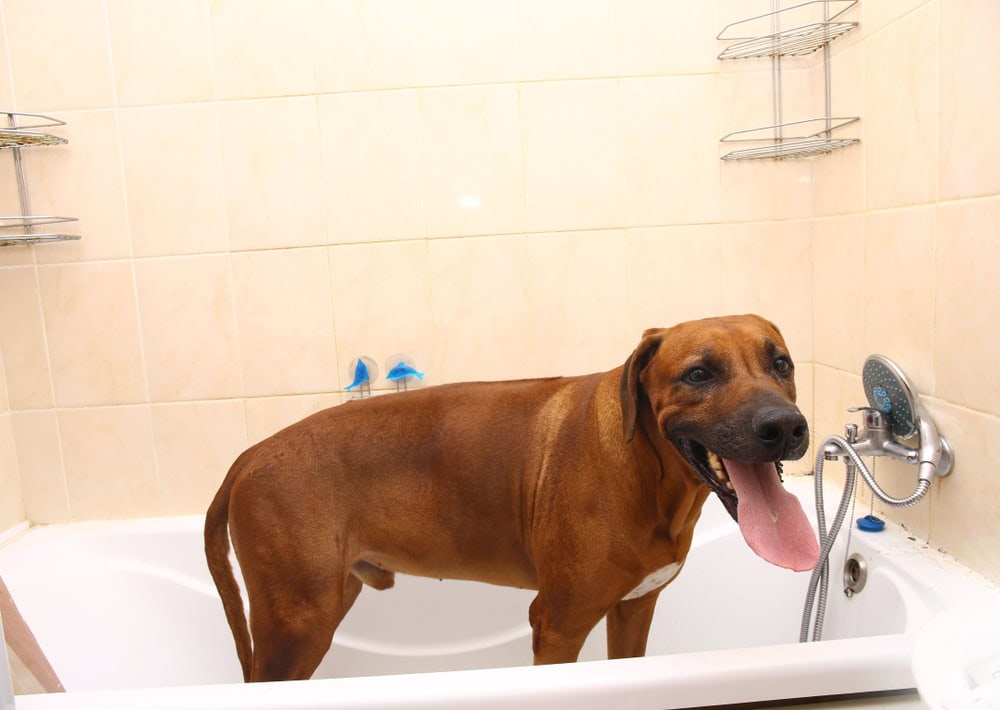
You'll be glad to know that the typical Rhodesian Ridgeback sheds very little and has minimal grooming needs. A good weekly brushing to remove any loose fur and keep their coat clean and glossy is fine. Unless your Rhodesian Ridgeback is seriously dirty, it only needs a bath once every 3 to 4 months. Nail clipping is something the average Rhodesian Ridgeback detests, but you can invest in a good nail grinder instead.
Suitable For:
One thing you must remember if you adopt a Rhodesian Ridgeback is that they need a lot of training and socialization in their first few months. They’re wonderful with children, affectionate, and have an innate protective instinct, making them great family dogs.
They aren't a great fit for people who live in apartments since they need a significant amount of exercise every day and the room to do it.
Rhodesian Ridgeback Pros & Cons
Pros
- Easy to groom
- Relatively easy to train
- Highly intelligent
- Have a few health issues
- Make good guard dogs
- Great with children
- Very affectionate
Cons
- Must be well-socialized to prevent aggression with strangers and other pets
- Have a very high prey drive
- Can be stubborn and willful
- Need a lot of space
- Demand a lot of your time
- Suffer from separation anxiety
- Can be expensive to purchase and own

German Shepherd Overview
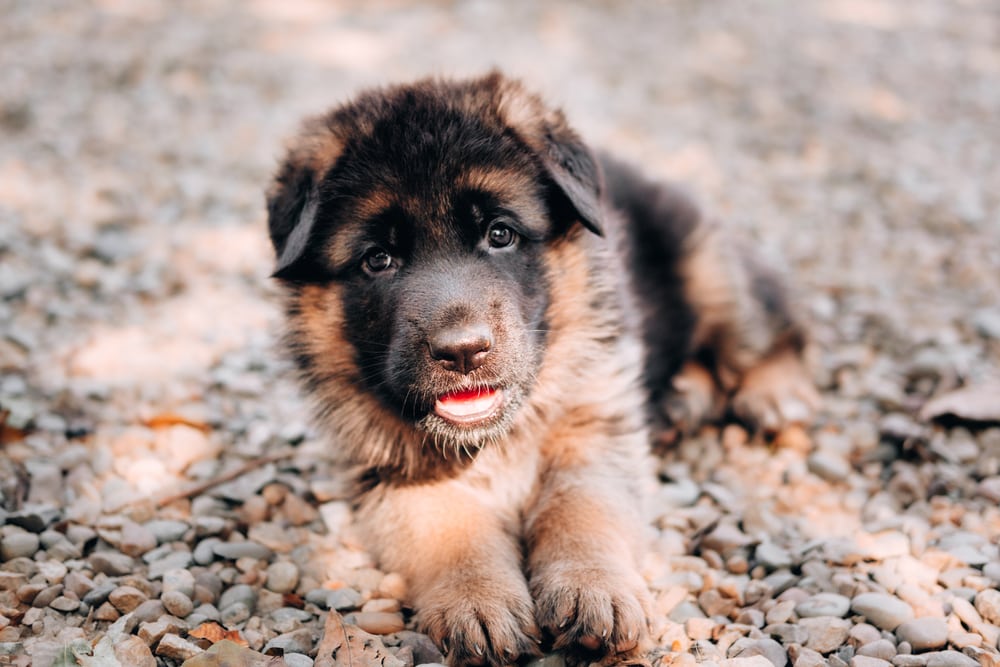
Although they have a reputation for being fierce, the average German Shepherd is one of the sweetest dogs you'll ever meet. They’re loyal, incredibly courageous, and surprisingly affectionate.
German Shepherds are also one of the most intelligent dog breeds and are easy to train. Plus, few dogs will defend their family members with the intensity of a German Shepherd. While they aren't lap dogs, German Shepherds make amazing family pets and guardians.
Personality
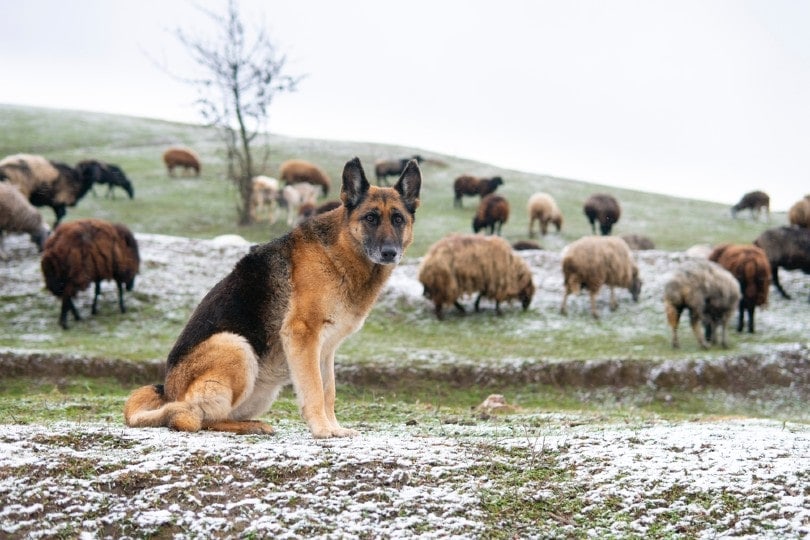
The average German Shepherd is an energetic and confident dog that is well-balanced and slow to anger. They are fantastic family dogs and make great pets for active singles. Although they have a relatively high prey drive, German Shepherds were bred for herding livestock, which means they aren't as aggressive as other large dog breeds.
Exercise
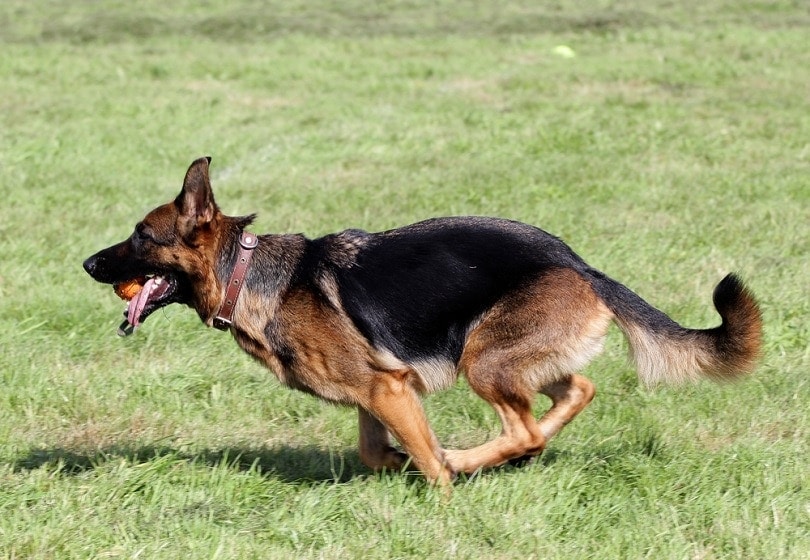
Like the Rhodesian Ridgeback, your German Shepherd will need at least 2 hours of activity and exercise daily. That includes regular walks and sufficient time off-leash to run, play, jump, and explore. The good news is that it's easy to train your German Shepherd to engage in fun activities like fetching, frisbee, and agility games.
Training
You'll quickly find out that German Shepherds aim to please their pet parents and, because of that, are easy to train. They have a lot of energy, which can be slightly problematic when trying to keep them calm while training.
Health Issues
German Shepherds are vulnerable to elbow and hip dysplasia and bloat like other large dogs. Some may also have temperament problems and need extra training time. Unless you plan to breed your German Shepherd, spaying or neutering is ideal.
Grooming
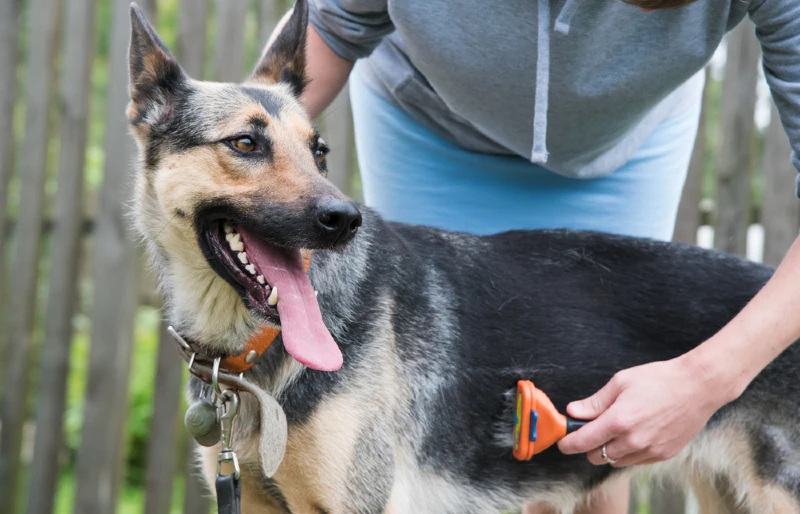
Although you won't spend much time grooming your German Shepherd, you’ll spend a ton cleaning up their fur because they shed a lot. That’s thanks to their double coat, which is easy to maintain but falls out all over the place.
To keep that shedding to a minimum (and keep your home from becoming a fur-filled mess), it's recommended that you brush your German Shepherd 2 or 3 times a week. Like the Rhodesian ridgeback, grinding your German Shepherd's nails is a better choice than clipping them, and they only need the occasional bath.
Suitable For:
German Shepherds are a very energetic breed and need a lot of physical and mental activity to stay happy and healthy. A family with a huge yard would be the best choice for a German Shepherd, so they have plenty of room to run around and expend energy. They would make excellent dogs for active singles but not for seniors since they’re so big and energetic. Also, German Shepherds aren't a great fit for apartment living because of their size.
German Shepherd Pros & Cons
Pros
- Very affectionate and friendly
- Wonderful with children
- Excellent watchdogs
- Incredibly courageous
- Loyal to a fault
- Low grooming needs
- Highly adaptable dogs
Cons
- Not great with other dogs or pets
- Need a lot of socialization
- Shed a lot several times a year
- Can be expensive to buy and own
- Have a high prey drive
- Need a lot of mental and physical stimulation

Rhodesian Ridgeback vs. German Shepherd: Barking
You'll be pleased to learn that the German Shepherd and Rhodesian Ridgeback are not big barkers. Most bark rarely and only in situations where there's a definite necessity.
Rhodesian Ridgeback vs. German Shepherd: Watchdog Abilities
The German Shepherd wins when it comes to its ability to be a good watchdog. Indeed, German Shepherds are among the best watchdogs in the world, while the Rhodesian Ridgeback is about average. Interestingly, Rhodesian Ridgebacks make better guard dogs because of their high prey drive, territoriality, and larger size.
Which Breed Is Right for You?
Both the German Shepherd and the Rhodesian Ridgeback would make excellent family dogs as long as the family has plenty of space for them to run off their energy and plenty of time to train and socialize them well. Neither would be suitable for apartments since they’re huge dogs and should have a dedicated yard to play in.
No matter which you choose, if you train and socialize with other animals and people, both of these fine breeds will make excellent pets and loyal, affectionate companions.
See also:
Sources
Featured Image Credit: Left - Rhodesian Ridgeback (Couleur, Pixabay) | Right - German Shepherd (Yan Krukau, Pexels)
Get Hepper In Your Inbox


Pet care tips from our vets and experts, straight to your inbox.
You may opt-out at any time. View our Privacy Policy for more information.

Greg Iacono is a self-taught writer and former chiropractor who, ironically, retired early due to back problems. He spends his time writing scintillating content on a wide variety of subjects. Greg is also an accomplished video script writer known for his ability to take a complex subject and make it accessible for the layperson.
Join the conversation
Ask a question, share your story, or send private feedback.