Hepper is reader-supported. When you buy via links on our site, we may earn an affiliate commission at no cost to you. Learn more.
Great Dane vs German Shepherd: Key Differences (With Pictures)
In this article
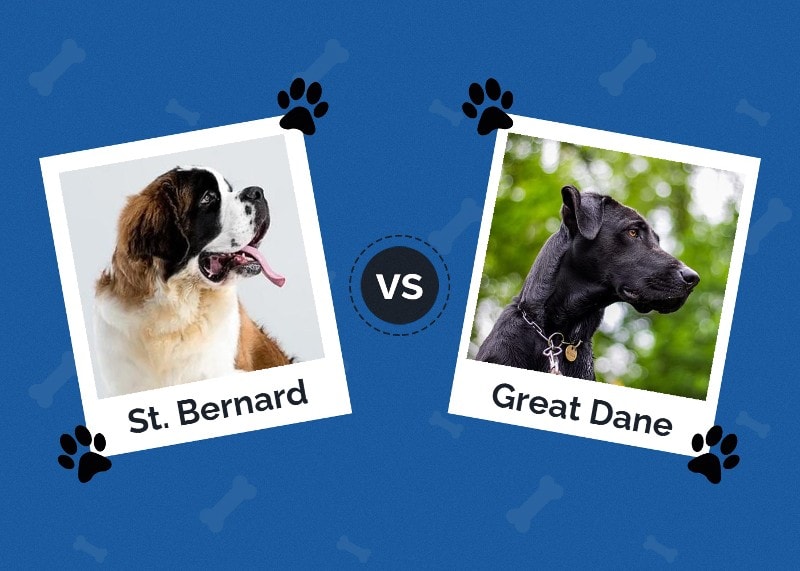
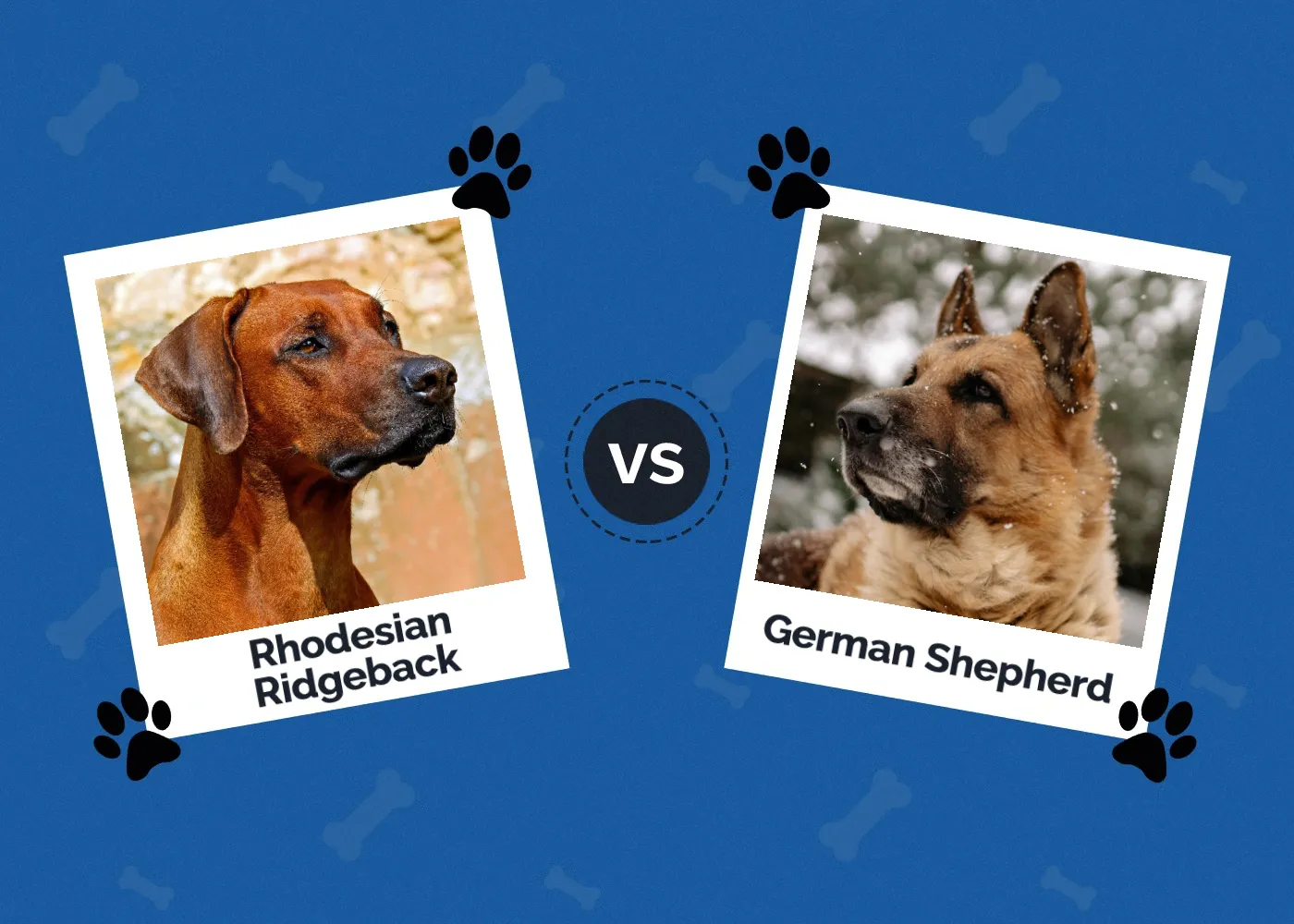
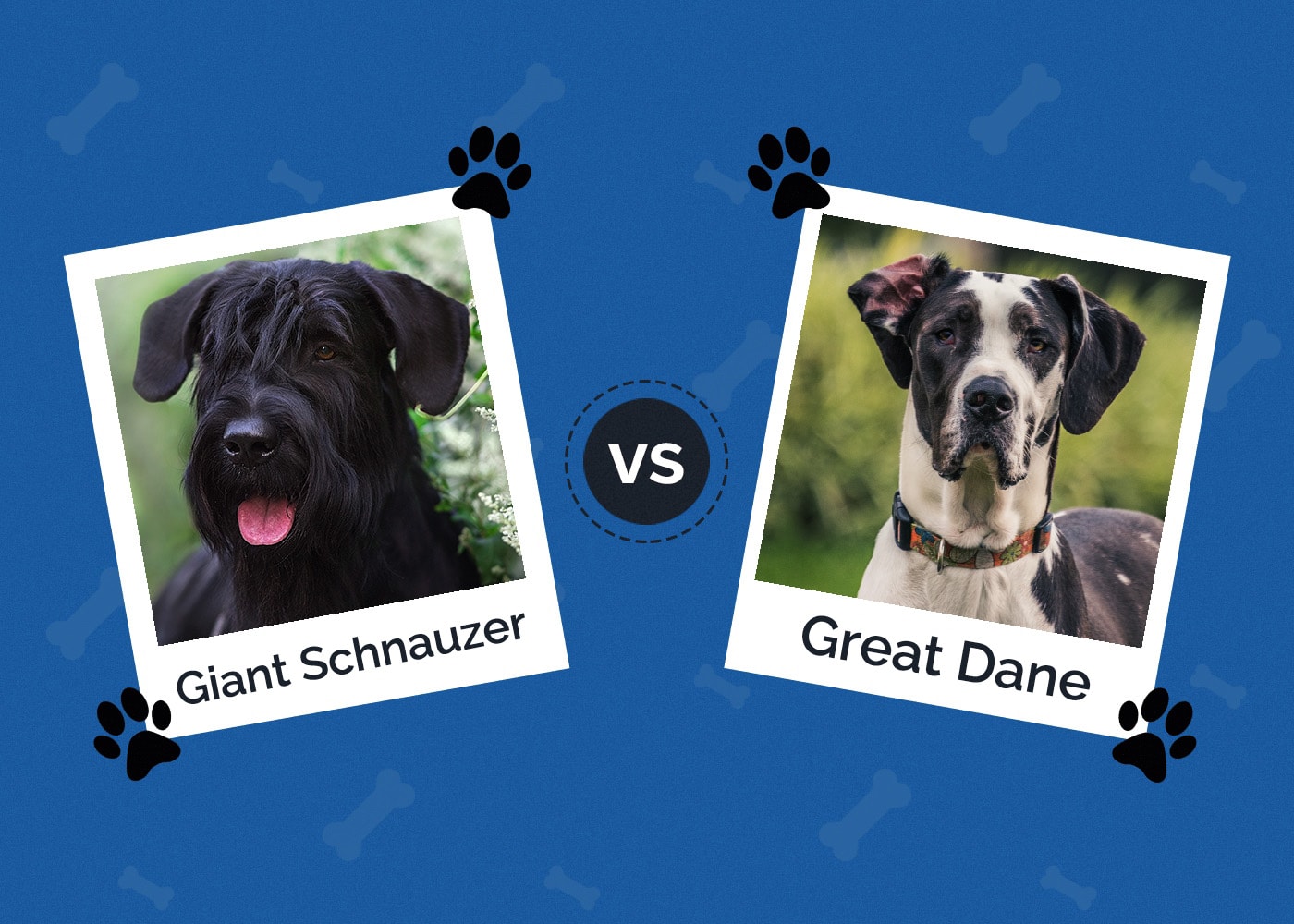
If you’re making the difficult decision between the Great Dane or German Shepherd, you might be wondering where to start when it comes to deciding which dog is right for you. Both are large breeds, although one is undoubtedly larger than the other, and both are known to be loyal family dogs.
Well, we are here to give you all the relevant information you might need, from how much they cost to how much grooming they require. So, keep reading; hopefully, by the end, you’ll be one step closer to finding your next perfect pet!

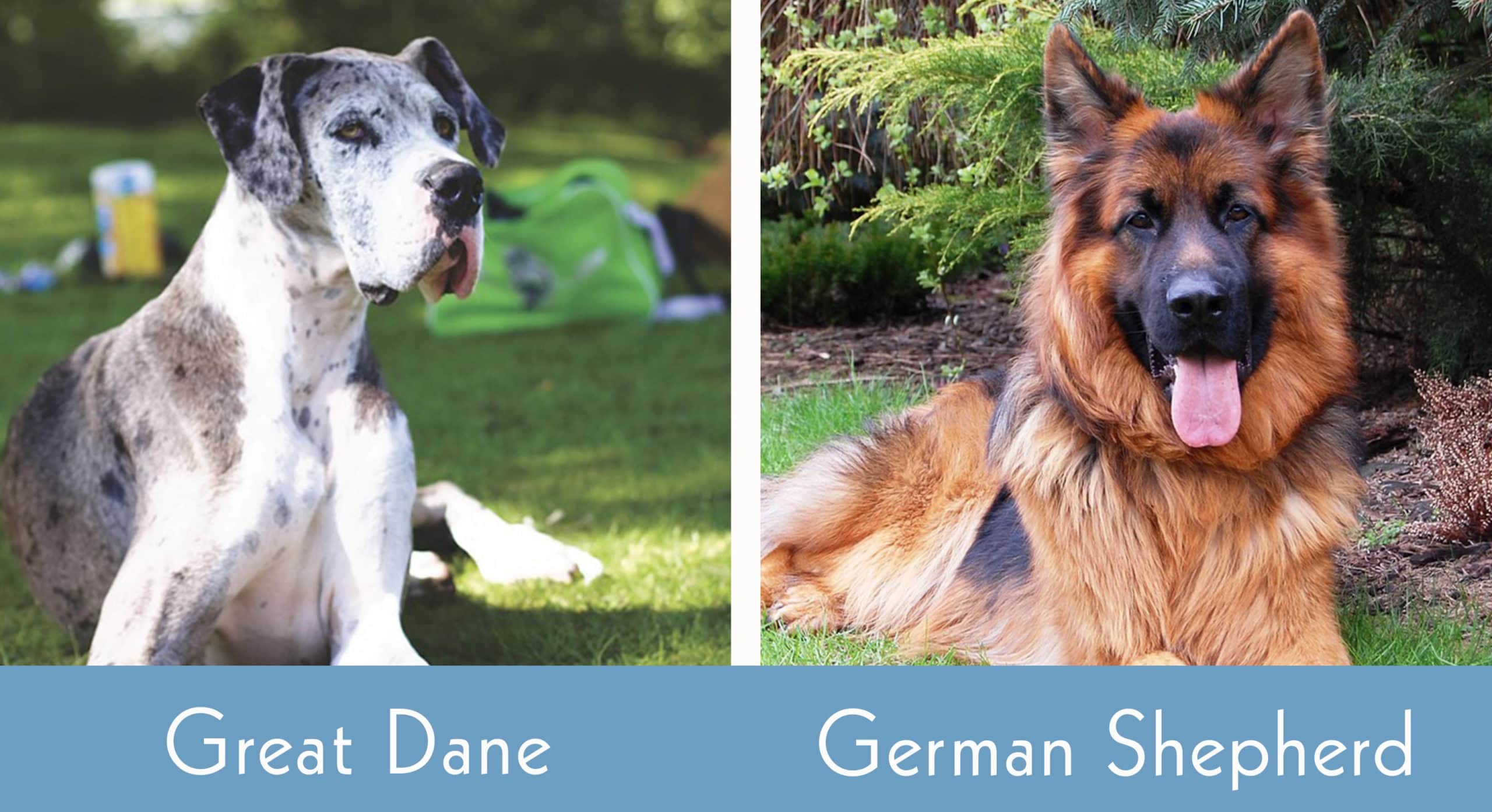
Visual Differences
At a Glance

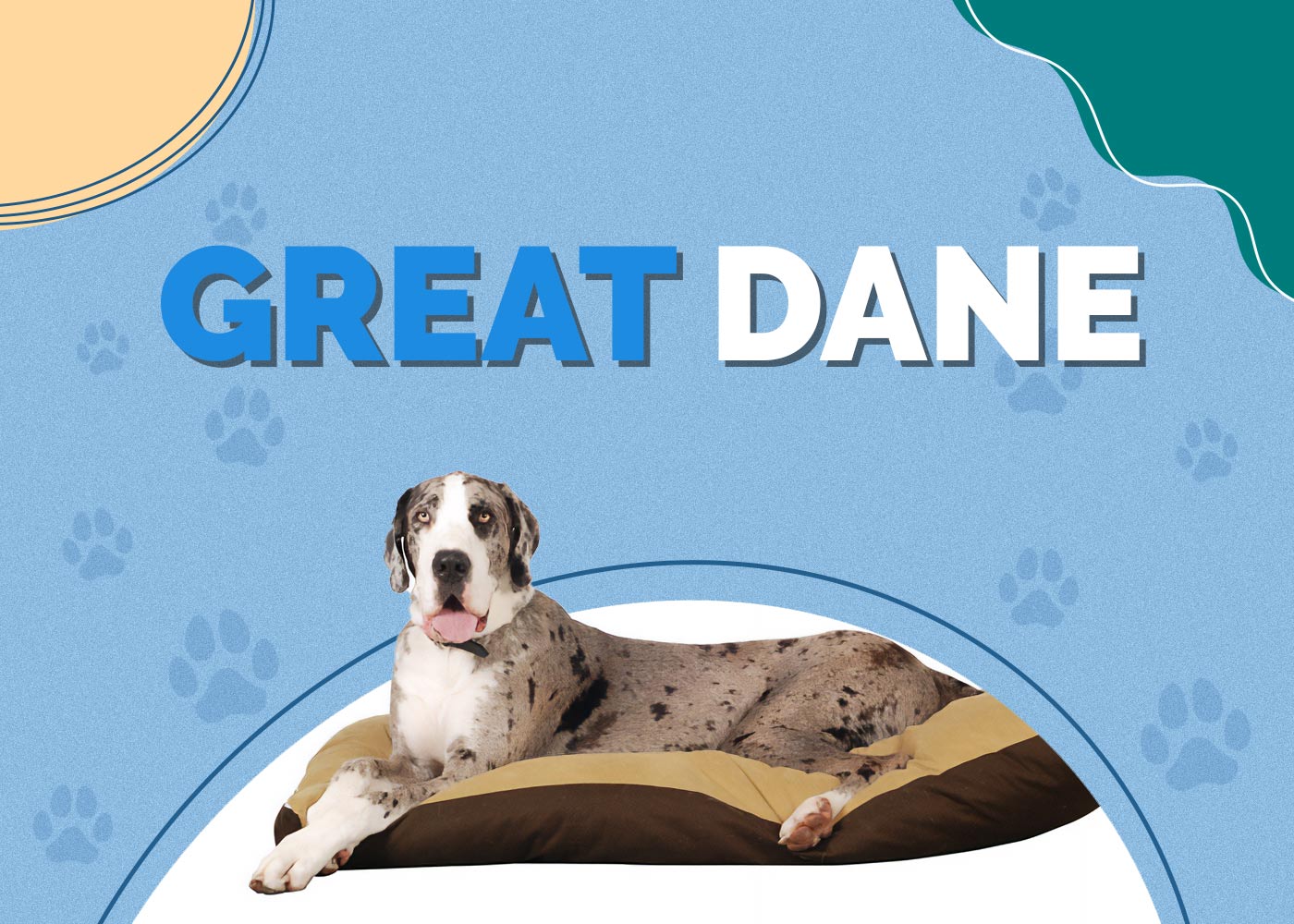
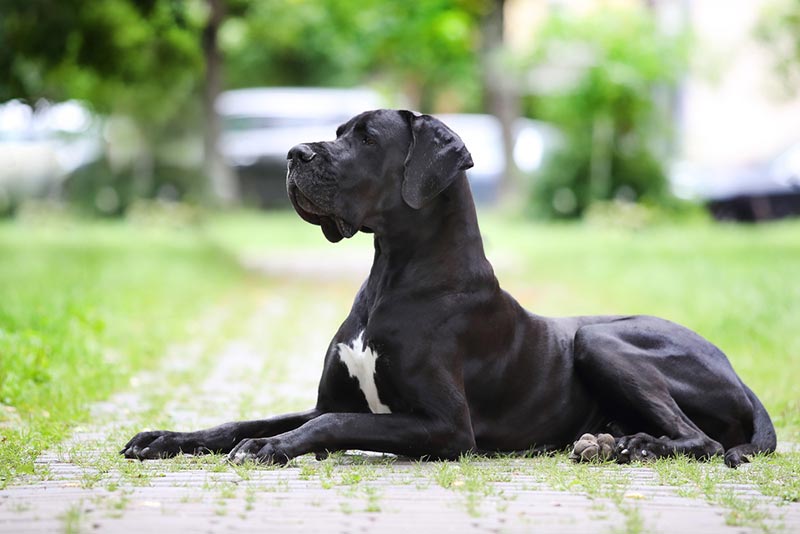
Great Dane Overview
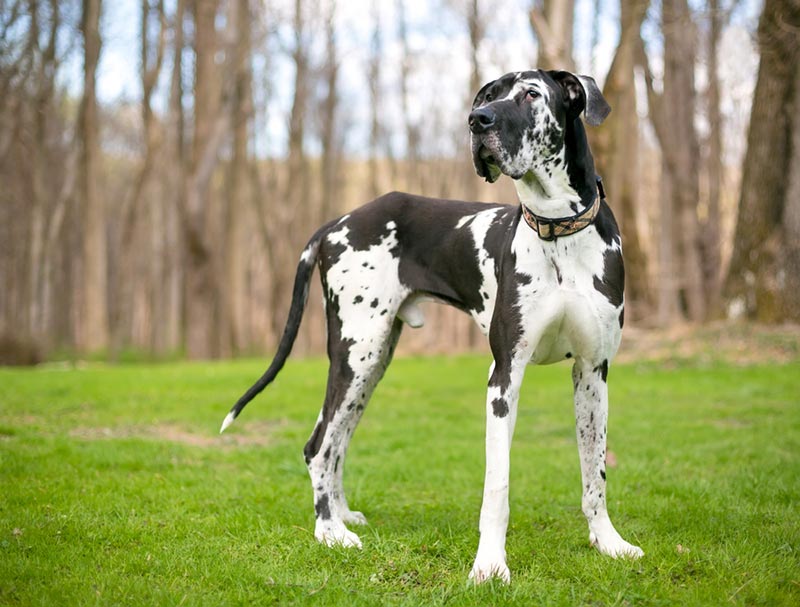
The Great Dane’s history with humans is a long one. They go back as far as 3000 B.C. when drawings of dogs that looked very similar to Great Danes were found on Egyptian artifacts. But the dog we know and love today can be linked back to the Germans, who refined the breed.
Originally, Great Danes were known as Boar Hounds because that was what humans bred them to hunt. However, it’s believed they wouldn’t be very good at this job now. In the late 1800s, German breeders turned their attention to the Great Dane’s temperament and replaced their ferociousness with gentleness. Great Danes are now considered to be calm and less aggressive.
There are no exact dates for when the Great Dane came to the United States, but we know that the American Kennel Club (AKC) recognized the breed in 1887. Puppies can cost $600 to $3,000, but the average price you should expect to pay is $1,000 to $1,500.
Personality
Great Danes are affectionate and moderately playful. While their ferocious natures were bred out of them, they won't hesitate to protect their families from a threat. And good luck to the person who finds themselves on the wrong side of this giant.
They make wonderful family pets but should be watched around small children because of their size; they might knock over smaller children with a powerful, wagging tail. Early socialization is important with Great Danes because they might show aggression with dogs they don't know.
Exercise
While the Great Dane might seem like a sedate canine, they require at least 2 hours of daily exercise. This can be broken into two or three walks throughout the day. Great Danes make excellent companions on hikes or jogs but be aware that you need to wait until the dog is two years old to avoid the risk of damaging its growing joints.
Great Danes should avoid rigorous exercise after eating because of the risk of bloat. You’ll also need to keep your dog on a leash. They tend to follow their nose on walks and will go wherever a scent leads them, so make sure they’re only off-leash in secure areas.
Training
Great Danes make excellent students because they are eager to learn and intelligent. They can be pretty strong-willed but react well to consistent and positive, reward-based training if you start when they’re young. People who are new to the breed or first-time owners might need help when it comes to training their Great Dane, which you can get from an accredited trainer.
Socialization is vital for a Great Dane; they are affectionate and form solid attachments with their family, but they’re also sensitive and don't adapt well to new situations. Early socialization ensures your dog is well-rounded and easygoing later in life.
Health & Care
The number one killer of Great Danes is bloat, also known as gastric dilatation-volvulus (GDV), and it occurs when a dog’s stomach fills with food, gas, or fluid and subsequently twists. GDV occurs without warning and can also progress fast. It is always considered to be an emergency.
Great Danes eat about 6 to 10 cups of kibble daily, while puppies eat 3 to 8 cups daily. Great Danes are massive animals, meaning your food bills can rise rapidly.
Great Danes aren’t particularly high maintenance when grooming, but they require regular bathing. Depending on their lifestyle and activity level, they can be bathed every week to every 6 to 8 weeks. This will ensure minimal shedding and keep their skin and coat healthy and shiny. It’s important not to over-bath your Great Dane since it can lead to skin irritation
Suitable For
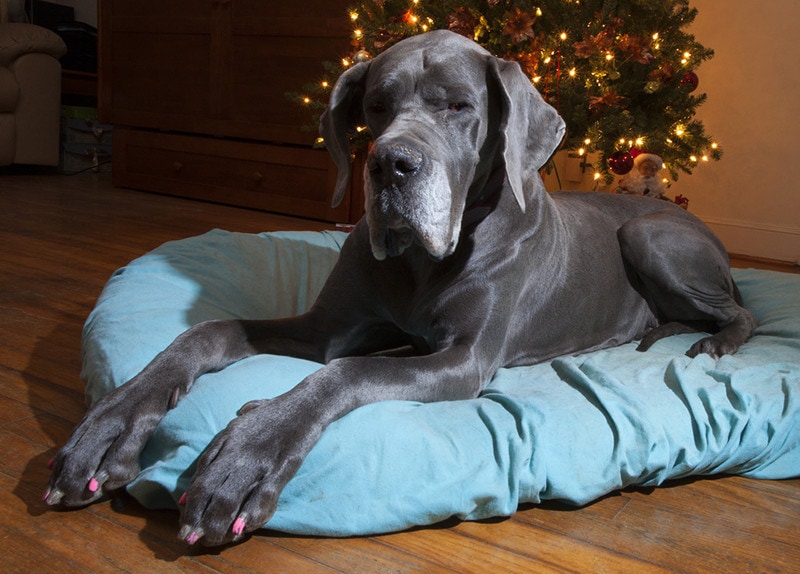
Great Danes are suitable for active families with space large enough to accommodate their size. They are ideal for first-time owners, but they might struggle with training as Great Danes can be strong-willed. Great Danes get along with children and other pets if they are socialized early, and you will need to make time for training in addition to their exercise needs.

German Shepherd Overview

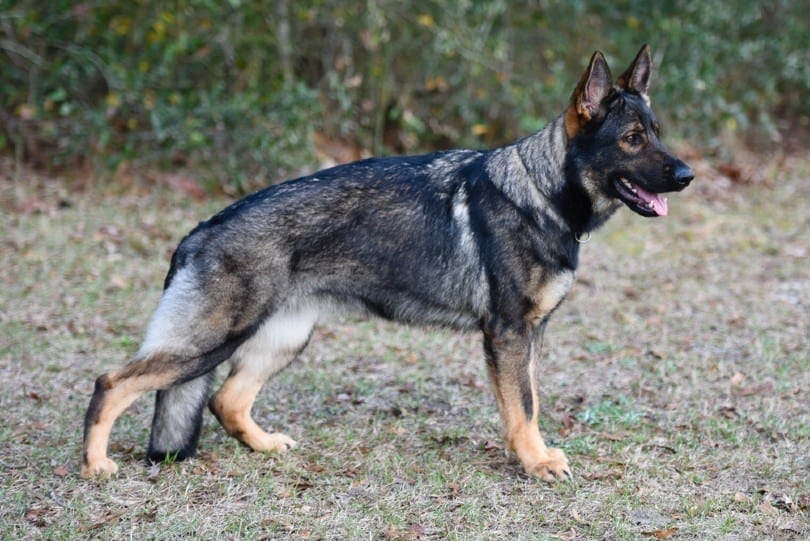
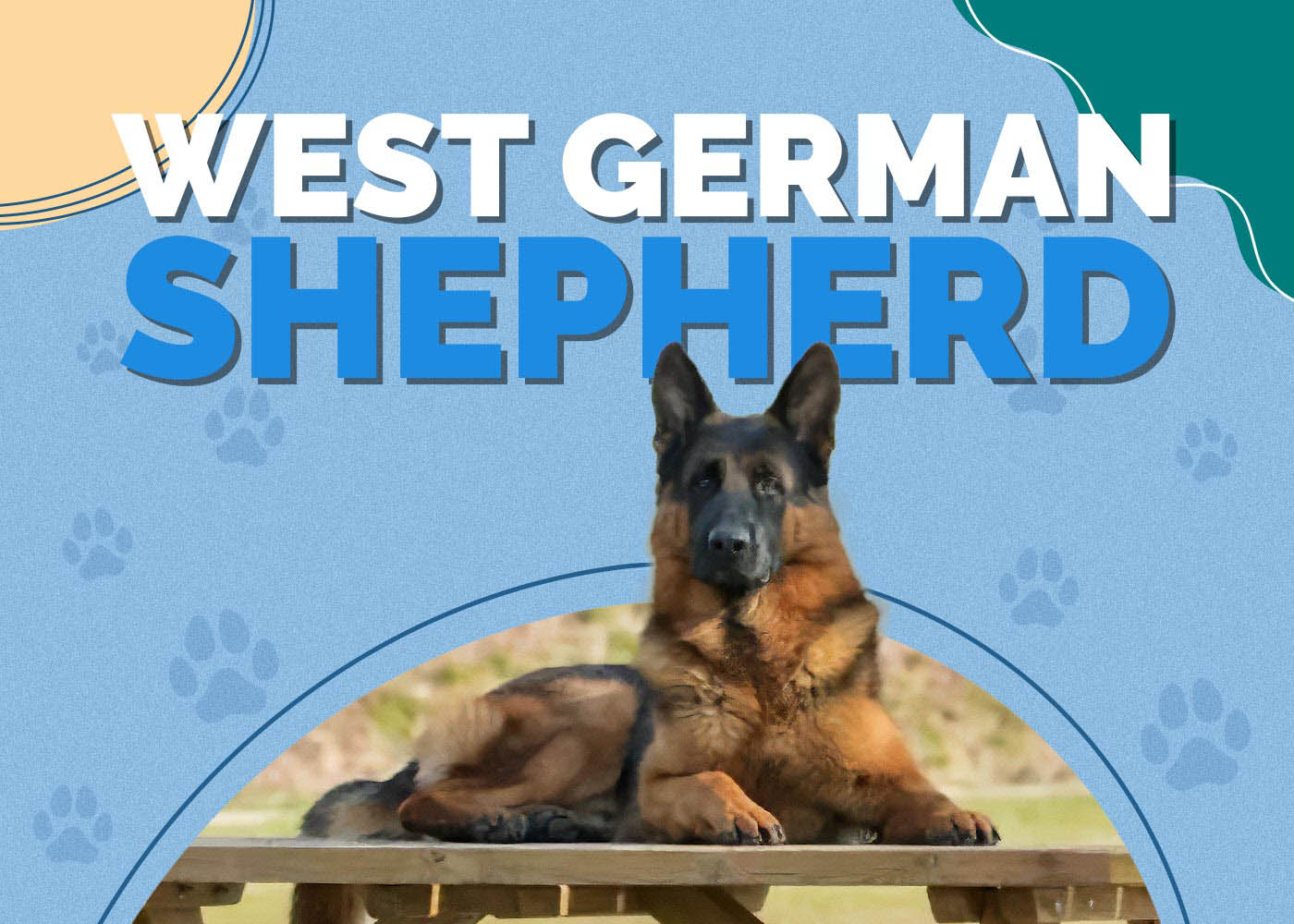
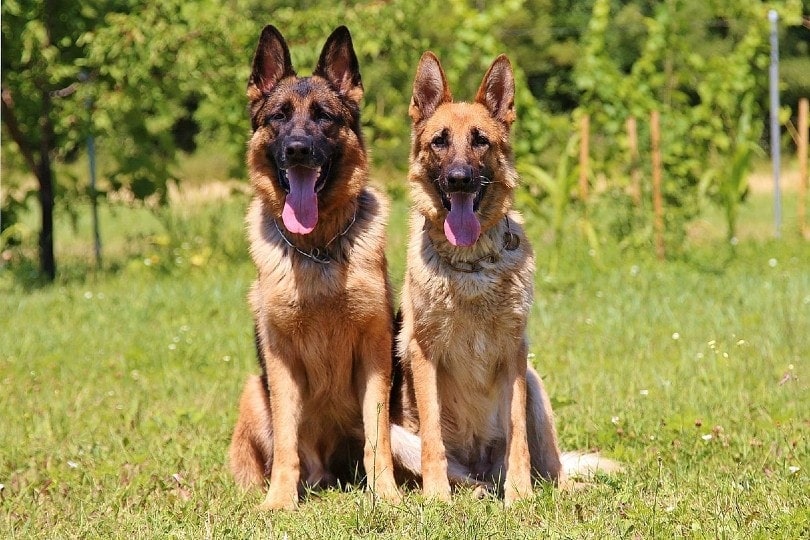
German Shepherds are one of the most recognizable breeds thanks to their use in the police and military services, which they are chosen for because of their intelligence and loyalty. But only some know that these dogs started life as herding and farm dogs. They’re loyal, intelligent canines that love to be active. They are considered one of the most intelligent breeds in the world, which makes them so easy to train.
They originated from 19th-century Germany and are also known as “Alsatians,” particularly in Europe. While they became popular in the States in the early 1900s, like the Dachshund, they suffered from anti-German sentiment thanks to the war, which explains the name change.
The AKC officially recognized this breed in 1908, and adoption prices can vary depending on which breeder you choose. From a reputable breeder, you will pay between $800 and $3,500. However, show-quality puppies can fetch anywhere from $6,500 to $10,000. Factors like the color of the coat will also affect the pricing of a German Shepherd puppy.
Personality
An adult German Shepherd’s personality can range from being patient and calm to boisterous and bouncy. They have a reputation for being tough, but they’re also known to be sweet-natured, especially the females. Males might be slightly less forgiving when it comes to rough play unless they’ve been raised with children in their family and are well-trained.
German Shepherds are also generally good with other family pets; however, early socialization with pets is essential, especially if they are small animals. If they haven’t grown up together, the German Shepherd might have the urge to chase them.
Exercise
German Shepherds are very energetic dogs and need plenty of exercise to keep their minds and bodies active. A lack of exercise can encourage destructive behaviors in most dogs, but German Shepherds have a reputation for being highly strung, so exercise is particularly important. Keeping them occupied will also stop them from barking out of boredom or chewing on your furniture.
While they require 2 hours of exercise a day, it’s recommended to provide multiple walks and play sessions throughout the day. Your German Shepherd will enjoy long walks and being off the leash in a safe environment where it can burn off steam and explore.
Training
Whatever age your German Shepherd is when you bring it into your family, you need to create clear boundaries to ensure they are safe and happy. Consistent training is vital, so you must ensure everyone in the family follows the same rules.
German Shepherds are a remarkably loyal and protective breed. Careful training and socialization will be needed to control their strong guarding instinct to prevent aggressive behaviors. Early socialization is essential to ensure your dog is used to different environments, situations, and people so they grow up to be a well-rounded, confident dog.
Health & Care
German Shepherds have been bred to look a certain way, and this has resulted in some health problems. They experience problems due to the shape of their back, legs, and hips. They are also prone to GDV and hemophilia.
An adult German Shepherd should eat between 2.5 and 3.5 cups of dry kibble daily. If your dog is particularly active, opt for 3.5 cups, while older and less active dogs should eat 2.5 cups.
German Shepherds also have a double coat, with a thick undercoat and a harsher outer coat to protect them from the elements. They will need to be brushed three to four times a week to keep their coat healthy and free from loose, dead hairs.

Suitable For
German Shepherds are suitable for families and first-time pet parents. They are one of the most intelligent dogs in the world, which makes them easy to train. They are loyal, affectionate, and friendly and are good with kids. They need frequent exercise, and you will have to fit in time for training and socialization.

Which Breed Is Right for You?
At first glance, it might not seem like the Great Dane and German Shepherd have much in common. But they have more similarities than you might expect on closer inspection. These dogs are intelligent, loyal, affectionate, and require lots of exercise to keep their minds and bodies busy. So, which one would be right for you?
Great Danes are giants that will take up plenty of space and cost plenty to feed. They can be strong-willed and a little more difficult to handle when it comes to training, so if this is your first time with this breed, you might need some help. German Shepherds have the urge to chase smaller animals and strong guarding instincts, so clear boundaries are required when training them. Between both, the German Shepherd is slightly easier to manage, just because it is a smaller dog in comparison to the Great Dane.
Despite this, both of these dogs will make a very big space for themselves in your life, family, and heart.
Related Read:
Australian Shepherd vs. German Shepherd: How Are They Different?
Male vs Female Great Dane: How Do They Compare? (With Pictures)
Sources
Featured Image Credit: (L) Earl Wilkerson, Shutterstock | (R) Alexander Naglestad, Unsplash
Get Hepper In Your Inbox


Pet care tips from our vets and experts, straight to your inbox.
You may opt-out at any time. View our Privacy Policy for more information.

Kerry-Ann lives in Scotland and wishes her garden was bigger so she could have her very own Highland cow. But her dogs probably wouldn’t like that very much. She has a La Chon called Harry who was poorly with a liver shunt when he was a puppy. It wasn't likely he would make it into adulthood, which was difficult, but he beat the odds and is a healthy old man now. She also has a Pug called Maddie who is a big foodie. She’s small, sassy, and every day she finds a new way to mess with her brother.
When she isn’t writing you can find Kerry-Ann going for long walks when the weather isn't bad, reading, or watching cartoons when she should be tidying her house. She would one day like to be a tourist in her own country and travel through the Highlands with her family.
Join the conversation
Ask a question, share your story, or send private feedback.