Hepper is reader-supported. When you buy via links on our site, we may earn an affiliate commission at no cost to you. Learn more.
Should a Dog's Dewclaws Be Removed? Our Vet Explains

In this article
In certain circumstances, dogs that have dewclaws on their hind legs need to have them removed because there is a risk that these will get caught in the carpet or branches when they are playing or running. This can be dangerous, leading to serious injuries, especially if the dewclaws get yanked out. However, front dewclaws should never be removed, as they serve your dog a purpose, including to climb or to hold toys, large bones, etc. Unless the claw grows excessively, there’s usually little risk of them getting caught in the carpet and causing bleeding and pain.
In this article, you will learn what dewclaws are, their purpose, if they should be removed, and much more.

What Are Dewclaws?
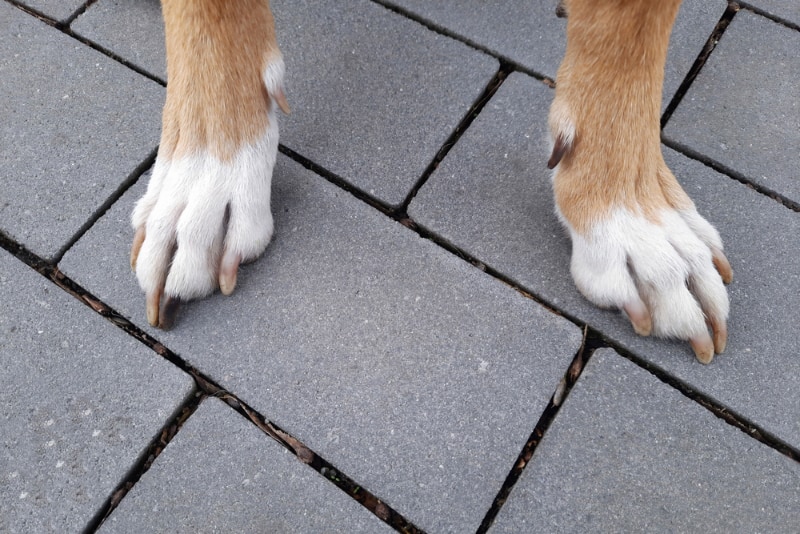
All dogs have five articulated toes on their front feet, including the dewclaw. On the hind legs, dewclaws are genetic abnormalities that occur in some dogs. Rarely, some dog breeds can have a double dewclaw on the same hind leg.
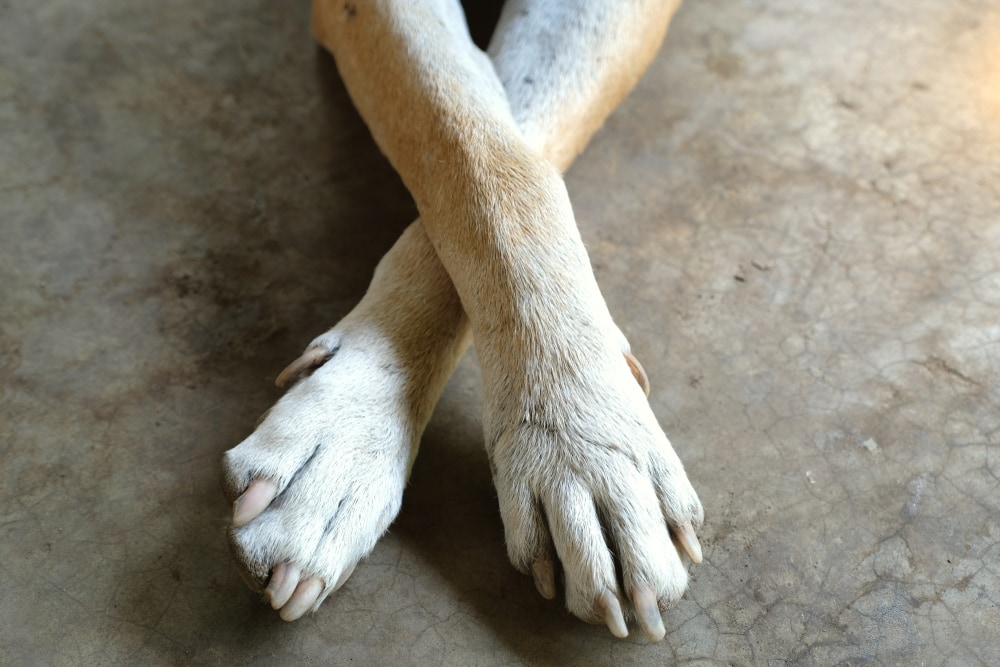
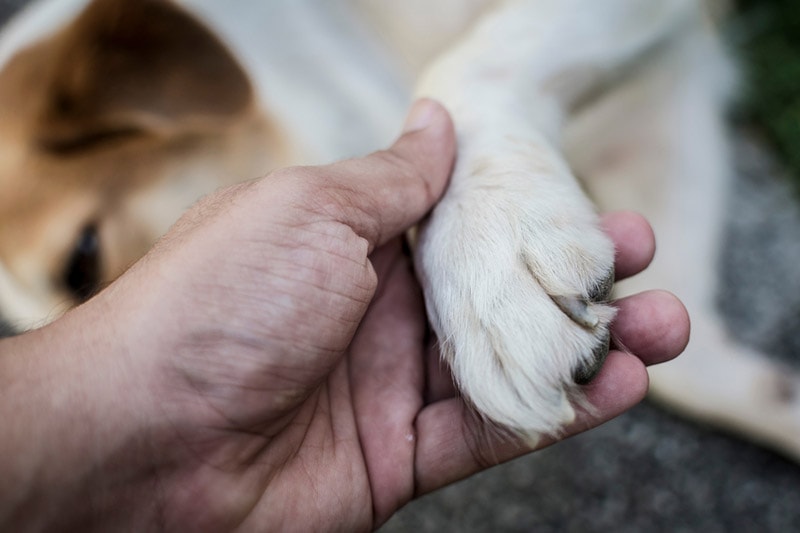
Dogs' dewclaws are analogous to human thumbs in that they are not directly equivalent to the human structures but are similar. The front dewclaws are connected by bones and ligaments to the front paws (which you can feel if you touch your dog’s toe), while the hind ones are loose or more mobile (because they are not articulated in most cases).
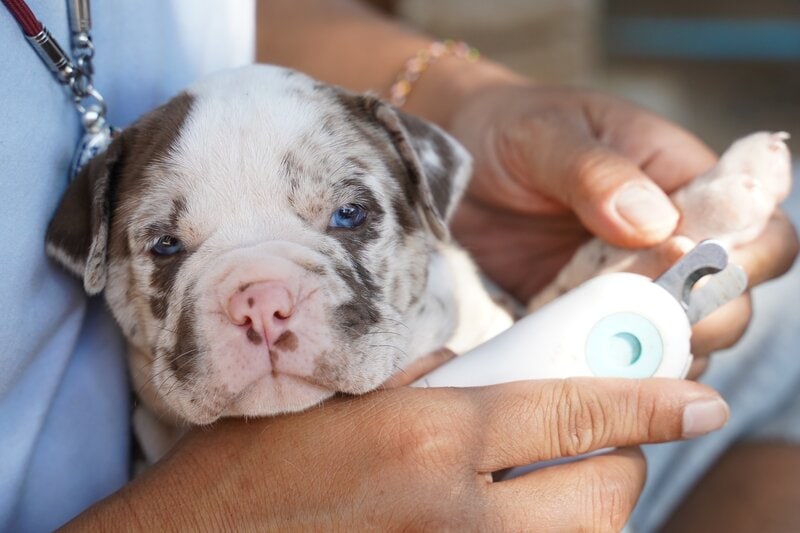
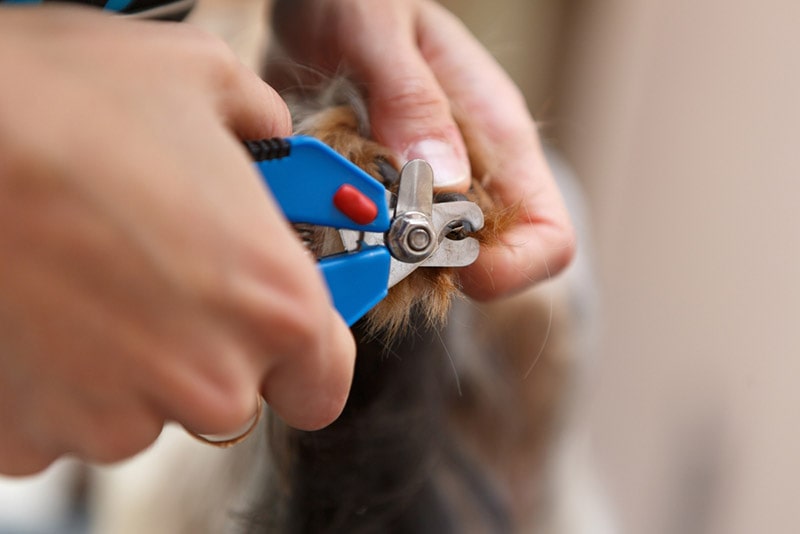
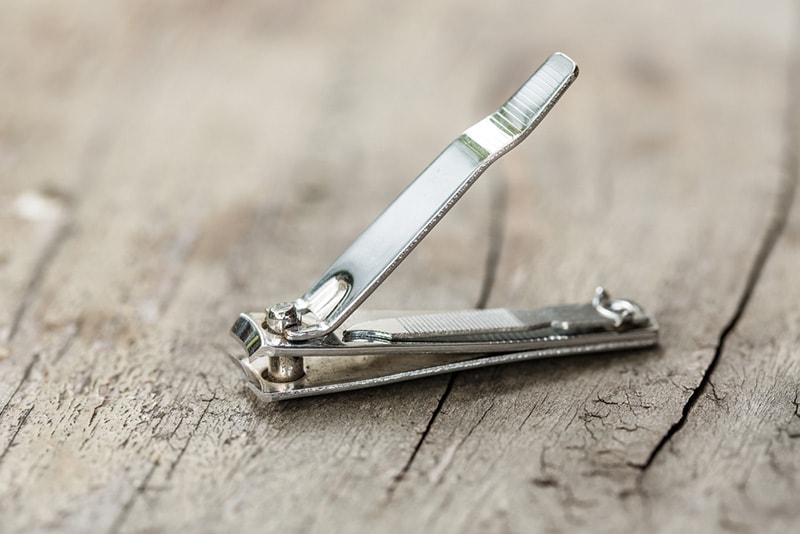
Dewclaws are positioned on the inner part of the limbs, higher than the other toes, and don’t touch the ground in the same way that the other claws do, which means they don’t get worn down at the same rate. This can lead to overgrown nails, which can result in them getting caught while playing, such as in vegetation or furniture. This situation is uncomfortable and painful for your dog and usually requires veterinary intervention. To avoid such situations, make sure you trim your dog's nails regularly, paying special attention to the dewclaws.

Do Dogs’ Dewclaws Have a Purpose?
The front dewclaws are useful for dogs, having several functions:
- They provide additional traction when the dog is on slippery surfaces or moving at high speeds (when they bend their front legs until the dewclaws touch the ground).
- They stabilize the wrist (carpal joint).
- They help dogs get out of the water.
- They enable dogs to better hold toys when playing.
- They enable dogs to better grip and manipulate the items that they are chewing, such as big bones, treats, etc.
- They help them climb trees.
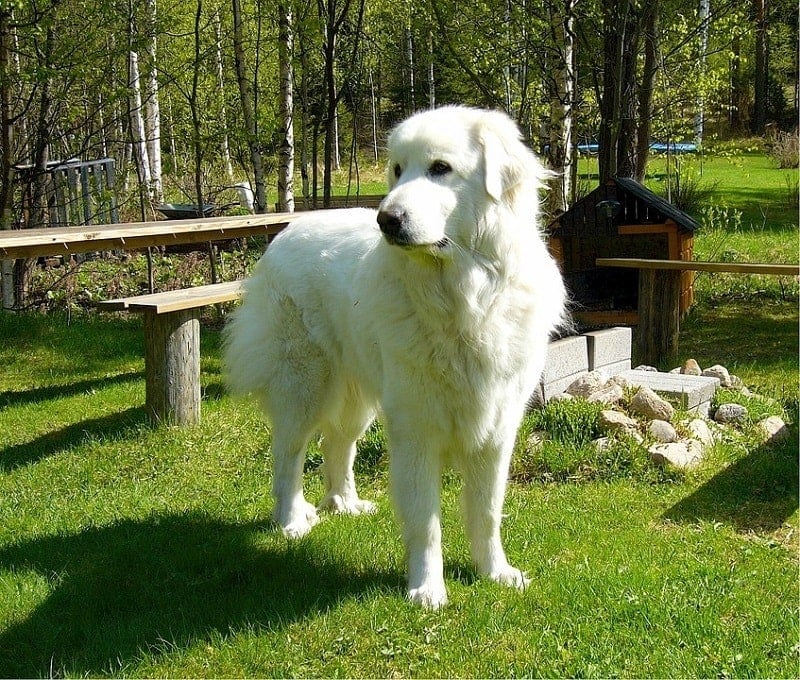
The hind dewclaws are typically connected only by skin to the dog’s leg and therefore, serve no purpose. That said, for the Great Pyrenees breed, hind dewclaws can function as a kind of brake, as these guard and herding dogs often run up mountain slopes to ward off potential dangers, such as wolves1. They usually have double dewclaws on their hind legs.
Should Dewclaws Be Removed?
Front dewclaws help dogs in several ways. As a result, they should not be removed unless there is a well-founded reason (e.g., cancer, severe injuries, etc.). Removing your dog's front dewclaws as a preventive measure does not make sense because any health problems occur rarely. That said, vets may recommend the removal of dewclaws (especially the hind ones) when they lead to injury.
For some dog breeds, the removal of dewclaws improves their overall appearance for dog shows, but for others (such as the Great Pyrenees), it can lead to their disqualification.
The removal of dewclaws is done through surgical intervention, which involves the removal of the entire toe. The surgery is sometimes done when the dog is very young, only a few days old. However, in most cases, the procedure is done when a dog is grown and when a vet has assessed the dog and decided that there is a medical reason to remove the dewclaws. In these cases, the surgical procedure will be done under general anesthesia. Your dog will receive postoperative medication, will typically have their paws dressed, and will need to wear a protective collar to avoid complications.

How to Treat Dewclaw Injuries
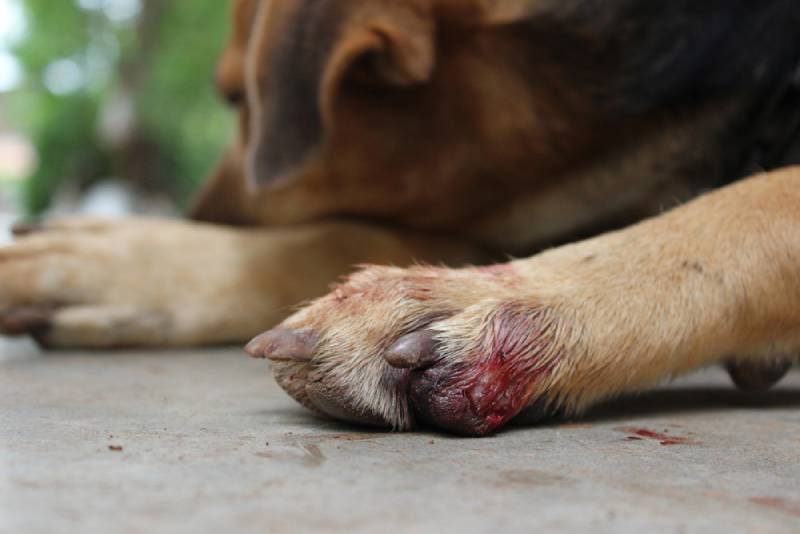
Even though injuries at the level of dewclaws are rare, there are cases when dogs can suffer from partially or totally torn, split, infected, broken, or ingrown nails.
What you can do is clean the area with warm water and soap or saline solution and try to stop the bleeding. Since this area is prone to infections, contact the veterinarian as soon as possible for other recommendations. They can trim the ingrown nails, remove the damaged ones, properly clean the area, and bandage the paw if necessary. They can also prescribe oral analgesics if your dog is in pain and antibiotics if there are signs of infection.
How to Maintain Your Dog’s Dewclaws
If you are a pet parent who thinks that removing your dog's dewclaws is unnecessary, you may wonder how they should be maintained.
To maintain your dog's dewclaws, you must trim them regularly, just like you do the rest of the nails. While your dog wears down their paws’ nails while walking and running, dewclaws rarely touch the ground, so you must take care of them regularly. If they grow too much, they can get injured or become ingrown and infected.
Monitor your dog's dewclaws to make sure they are not split, torn, etc. A damaged nail is quickly exposed to bacteria in the environment and can become infected easily. So, if your dog has damaged dewclaws, a vet checkup is vital.
For your dog to have strong and healthy nails, feed them a complete and balanced diet that contains high-quality proteins, essential fatty acids (omega-3 and -6), minerals, and vitamins (especially B7, which supports nail health).

Final Thoughts
The removal of a dog's dewclaws should be a medical decision made by a vet and determined by the risk of causing injuries to the dog. However, if the dewclaws are not removed when the dog is a baby and does not represent a problem, it is preferable not to remove them. If you notice that the dewclaws are causing problems for your dog, go to a veterinary office immediately. The vet will assess your dog and decide if removing them surgically under general anesthesia is the best option.
Sources
Featured Image Credit: Velolosik, Shutterstock
Get Hepper In Your Inbox


Pet care tips from our vets and experts, straight to your inbox.
You may opt-out at any time. View our Privacy Policy for more information.
Marta has been a veterinarian for over sixteen years working across the UK and Spain and as a remote veterinary consultant. She has wide experience in small animal internal medicine and surgery with a soft spot for cats.
Her main fields of interest are ophthalmology and critical care medicine enjoying every single aspect of animal’s care, and she is a member of the Royal College of Veterinary Surgeons. Marta enjoys sharing the most helpful information with pet parents across the world about every aspect of their life with their beloved ones.
As one of our in-house veterinarians, Marta enjoys sharing the most helpful information with pet parents across the world about every aspect of their life with their beloved ones. She loves knowing that she can support our readers and communicate about any medical topic that might be relevant to your pet’s health and well-being.
Education
Marta graduated from Cardenal Herrera-CEU University in Valencia, Spain. She holds two Ophthalmology Certificates, GPCert Ophthal from ESVPS and UAB.
Experience
Marta has been a veterinarian for over sixteen years working across the UK and Spain and as a remote veterinary consultant. She has wide experience in small animal internal medicine and surgery with a soft spot for cats. Her main fields of interest are ophthalmology and critical care medicine enjoying every single aspect of animal’s care. Marta is a member of the Royal College of Veterinary Surgeons.
Join the conversation
Ask a question, share your story, or send private feedback.