Hepper is reader-supported. When you buy via links on our site, we may earn an affiliate commission at no cost to you. Learn more.
Silver Lab Dog Breed: Info, Pictures, Personality & More
In this article
Breed Overview
Height:
Weight:
Lifespan:
Colors:
Suitable for:
Temperament:
The Silver Labrador isn’t just a gorgeous spin on the most classic dog breed; it’s also a lightning rod for criticism and controversy. Many people believe that it’s not a true Labrador, but rather a watered-down version of the breed.
All we see is a fantastic dog with a beautiful coat, and if you’d like to learn more about these distinctive pups, the guide below will answer all your questions.

Silver Lab Puppies

Silver Lab Characteristics
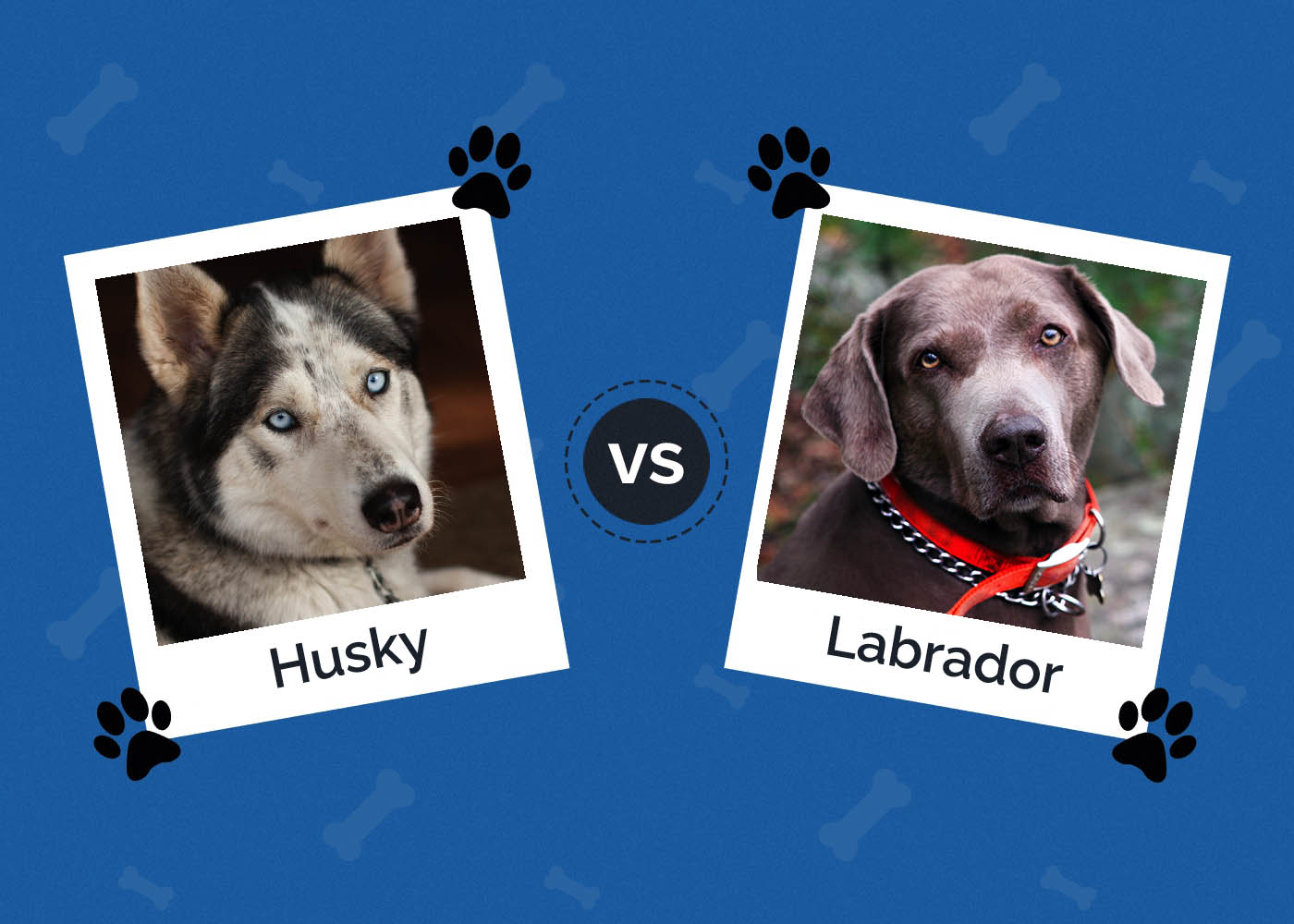
If you’re familiar with dogs at all, then you know the Labrador Retriever and their standard colors: black, chocolate, and yellow.
The Silver Lab is a relatively new and rare type of Labrador. Along with Charcoal and Champagne Labs, it’s a new twist on a classic recipe. These dogs are just like the Labradors you’ve known your whole life, just in a new shade.
As a result, they’re just as energetic, loving, and eager-to-please as any other Labrador you’ve ever been around. There’s nothing different about them other than the color — at least on the surface.
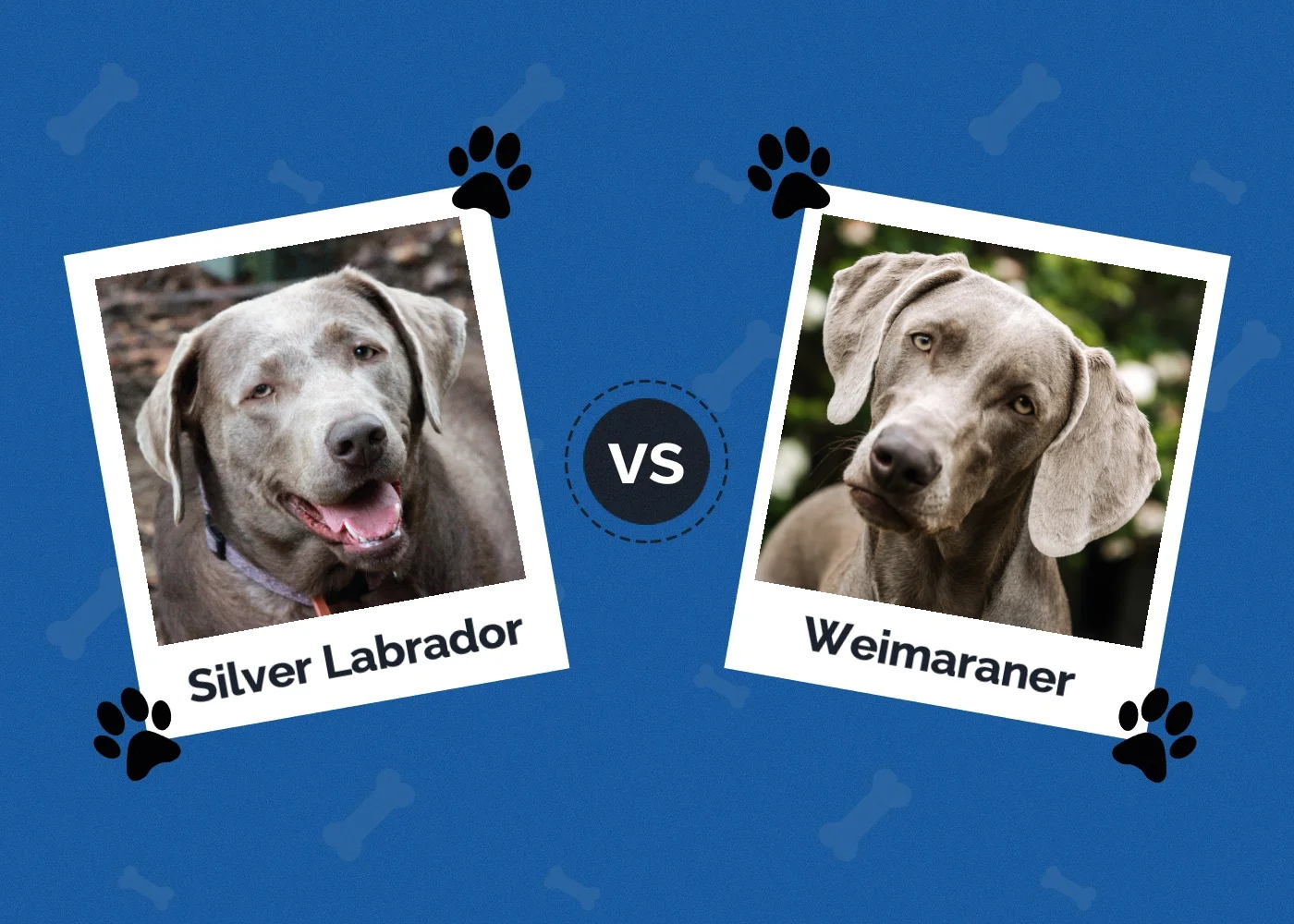
The reason that they’re a different color (and why their existence is such a hot-button issue in dog breeding circles) is because of diluted genes. Their color is due to a combination of recessive genes elbowing their way to the forefront, although some people suspect that they’re also a product of being cross-bred with Weimaraners.
There’s no evidence to support the latter theory, though, as modern genetic testing has shown no link to the other breed. Still, many regulatory agencies like the AKC refuse to allow Silver Labs to be fully registered as purebred dogs.
Temperament & Intelligence of the Silver Lab
Like any other Labrador, the Silver Lab is exceptionally sweet and equally smart.
These dogs love nothing more than to play — and play and play. If they ever catch you with a tennis ball in your hands, expect to have to throw it for them for the rest of the afternoon.
This makes them agreeable companions for people of all ages, but they do need a great deal of attention. They can get destructive if left alone all day without any stimulation. If you’ve got too much on your plate already, then a Silver Lab is not for you.
Their intelligence shines through in training, and they need to be challenged mentally as much as physically. Luckily, they tend to put their formidable brains to work looking for ways to please their owners, not undermine them.
Are These Dogs Good for Families?
You’ll be hard-pressed to find a better family dog than the Silver Lab. They’re loyal, affectionate, and gentle with people of all ages.
They’re not prone to aggression, although they still need to be well-trained and socialized. You shouldn’t need to worry about your children with a Silver Lab around. However, be aware that they can be quite hyper, and there’s always the risk of them bowling over a baby or a grandparent while in the middle of a zoomie.
Just know that the entire family might need to get involved with caring for these dogs, as their indefatigable nature makes them a challenge for a single person. Also, if your family prefers to lounge around all day instead of being active, a Silver Lab (or any Lab, really) might not be the best choice.
Also, while they’re definitely capable of barking if they spot trouble, they’re not the best guard dogs. They look to befriend strangers rather than challenge them.
This comes in handy when your kids have friends over, but it’s not as useful when burglars in ski masks are climbing out the window with all your jewelry.
Does This Breed Get Along With Other Pets?
Silver Labs aren’t prone to aggression around other animals. They’re quite tolerant of other dogs, and they can be taught to keep their prey drive in check, so cats and other small pets should be safe.
However, just because they won’t attack other pets doesn’t mean they’re welcoming. Labs can be self-absorbed dogs, so they’ll often neglect another animal in favor of chasing a ball or a stick.
They don’t like to be forced into friendships, either, so don’t try to make them spend every waking moment with another animal. Just monitor the situation to make sure no aggression occurs, and let the friendship develop naturally.
Sometimes that means just peacefully coexisting in the same house, while at other times, lifelong friendships can occur. The latter situation is more likely if the two animals are introduced while they’re young, but some older Labs have been known to forge new friendships as well.


Things to Know When Owning a Silver Lab
Because Labs are so common, you might think you already know everything there is to know about owning one. However, there are several things to consider before getting your own, and we cover many of the most pressing concerns in the space below.
Food & Diet Requirements
Silver Labs have the same dietary requirements as garden-variety Labs, which means they need plenty of high-quality kibble to fuel them through their active days.
Typically, that means a food that’s high in protein, which provides long-lasting energy. Carb-heavy foods give shorter, more intense bursts of energy and can also lead to weight gain long term.
Look for a kibble that uses real ingredients: lean meat, high-quality fruits and vegetables, and foods you actually recognize and can pronounce. Try to avoid things like animal by-products, wheat, corn, and soy.
Letting Silver Labs free-feed is generally discouraged; instead, offer them two reasonable meals a day. While these dogs are active, they can become obese, and it’s important to keep their weight under control to avoid health problems down the line.
Also, it should be noted that most Labs have cast-iron stomachs. They can and will devour anything that even seems remotely edible, so be careful about what kinds of foods you leave lying around.
Exercise
Silver Labs are among the most energetic dogs on the planet, and they have a boundless appetite for play. You could spend all afternoon playing fetch without a word of complaint from these pups. In fact, you’ll have to stop them from going too hard, as exercised-induced collapse is a real concern with this breed.
You don’t have to do that every day, but you will need to provide them with at least an hour’s worth of exercise daily. Don’t be afraid to really push them, either — these dogs thrive on strenuous activity.
They’re incredibly intelligent as well, so it’s important to tax their brains as much as their bodies. Silver Labs are made for agility training, but they can also be taught to do just about anything you like. They’re natural hunting dogs, too.
While Silver Labs are generally well-behaved, they can become destructive when bored, so don’t think you can leave them home alone all day without suffering any consequences.
If you know that you won’t be able to give them the exercise they need on a given day, you should likely arrange for a dog walker to take them out or hand them over to doggy daycare for a few hours.
Training
Like all Labradors, Silver Labs take to training like a fish to water. They love to learn and are extremely eager to please, so teaching them is fairly painless.
That doesn’t mean that you shouldn’t take it seriously, however. They’re still dogs, and they still need plenty of obedience work and socialization, especially as puppies. It’s the best way to nip any behavioral problems in the bud.
Because they’re such people-pleasers, they respond best to positive reinforcement. Show them what you want them to do, and reward them for doing it. This doesn’t mean you have to shower them with treats either, as they get just as much of a jolt out of a few words of praise and a head-scratch or two.
Yelling at them or otherwise disciplining them is likely to be counter-productive. Simply ignore unwanted behavior and reward positive actions. If you do this, you can convince a Silver Lab to do just about anything.
Grooming ✂️
Labradors were bred to be water dogs, and as such, they have thick double coats. This can come in handy for hunting ducks or going swimming, but it can create a bit of a nightmare when it comes to keeping shedding under control.
You’ll need to brush these dogs several times a week and possibly even every day during the spring and fall, when their shedding is at its worst. It’s a good idea to get a good brush and maybe even a vacuum cleaner for the task.
Beyond that, taking care of these dogs is relatively easy. They’ll need their teeth cleaned and their nails trimmed regularly, and you should clean out their ears a couple of times a month to prevent infections.

Health Conditions ❤️
The Labrador is a fairly healthy breed, and except for an increased risk of alopecia, the Silver Lab’s recessive genes haven’t affected them much in that regard. Still, there are a few conditions you should be aware of if you’re thinking about adopting one of these dogs.

Male vs Female
Male and female Silver Labs are fairly similar in most respects, but there are a few key differences that are worth noting.
Physically, males tend to be a bit bigger, but not noticeably so. It’s also not a hard-and-fast rule, so don’t assume that you won’t eventually have a big dog just because you adopted a female puppy.
Males tend to be a bit more outgoing and openly affectionate. Females can be every bit as loving as their male counterparts, but it may take a bit more time for them to warm up to you. The ladies also tend to be a bit more independent.
Neither sex is prone to aggression, but it sometimes happens. Males tend to be possessive, so they may show aggression if their food, toys, or humans are encroached upon. Females can be competitive with other females, and it’s generally not a good idea to have two unspayed females around each other.
Speaking of which, spaying and neutering your Silver Lab is not only the humane thing to do — it also helps with aggression, moodiness, and other behavioral issues. We recommend doing it as soon as your dog is old enough.

3 Little-Known Facts About the Silver Lab
1. Silver Labs Are “Diluted” Chocolate Labs
A Silver Lab is created when a Chocolate Lab has two recessive genes. This basically waters down their normal color, creating a much fainter version.
If a Yellow Lab has two recessive genes, it will create a Champagne Labrador, and two recessive genes will turn a Black Lab into a Charcoal one.
2. They’re Not All the Same Color
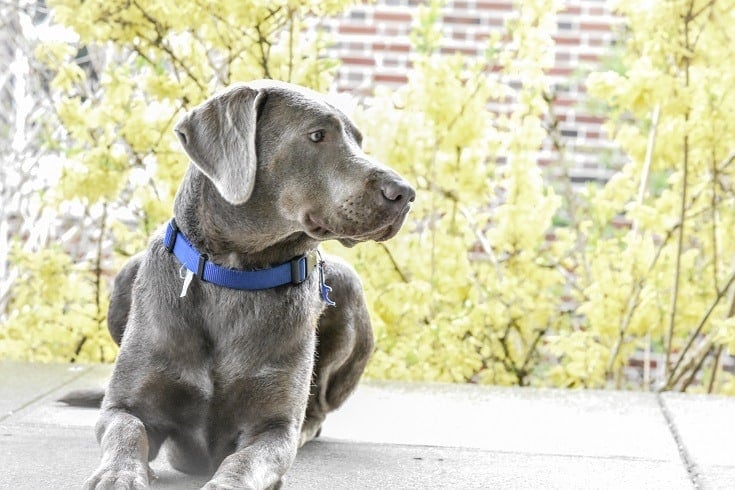
“Silver” is kind of a catch-all description for these dogs. The fact is, while most of them are silver, Silver Labs come in several other hues, such as blue and gray. There’s really no rhyme or reason to it; it’s just what happens when a Chocolate Lab’s genetic cocktail gets mixed a specific way.
3. They’re More Prone to Alopecia Than Standard Labs
One of the burdens that dual recessive genes places on these dogs is an increased risk of alopecia, a disease that causes hair loss.
Any “diluted” dog will be at higher risk for the disease. While it’s not fatal, it can lead to skin irritation or infection, so it’s not pleasant either. There’s no cure for it at this time.
Other than that, though, Silver Labs have all the same health characteristics as “regular” Labs.
Conclusion
If you want an All-American dog with a clear twist, consider bringing a Silver Lab home. These pups are just like any other Labrador, except they have an eye-catching coat that sets them apart from the rest.
Finding one won’t be easy, however, and you’ll likely have to shell out a fair bit of cash for the privilege of owning one. However, they’ll repay you for that many times over, as these dogs are sweet, loving, and loyal.
Silver Labs let you own the most popular dog breed in America while still being able to stand out from the crowd — what more could you ask for?
Featured Image Credit: Sandra M. Austin, Shutterstock
Get Hepper In Your Inbox


Pet care tips from our vets and experts, straight to your inbox.
You may opt-out at any time. View our Privacy Policy for more information.

Nicole is a lover of animals of all sizes but is especially fascinated with the feline variety. She’s the proud mom of Baby, a Burmese, and works every day so he can relax in the sunshine or by the fire. She’s always had a cat in her home and has spent countless days with others, observing behaviors and softening up even the grouchiest of the lot. Nicole wants to share her kitty expertise with you so you and your cat can live happy, healthy, and care-free.
Join the conversation
Ask a question, share your story, or send private feedback.