Hepper is reader-supported. When you buy via links on our site, we may earn an affiliate commission at no cost to you. Learn more.
10 Smells That Dogs Hate: Dog-Repelling Scents & Odors



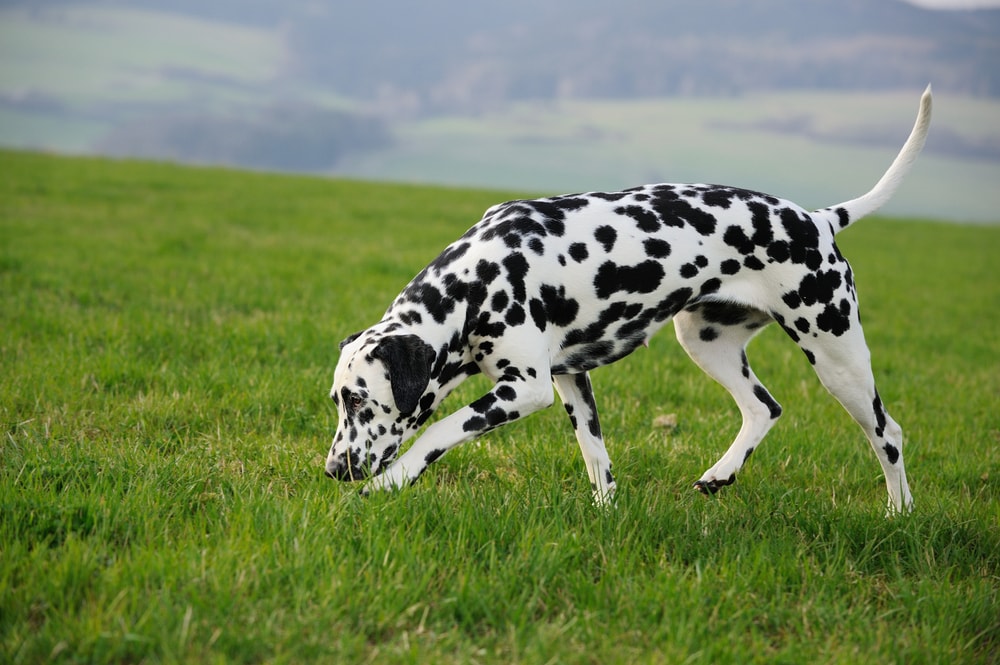
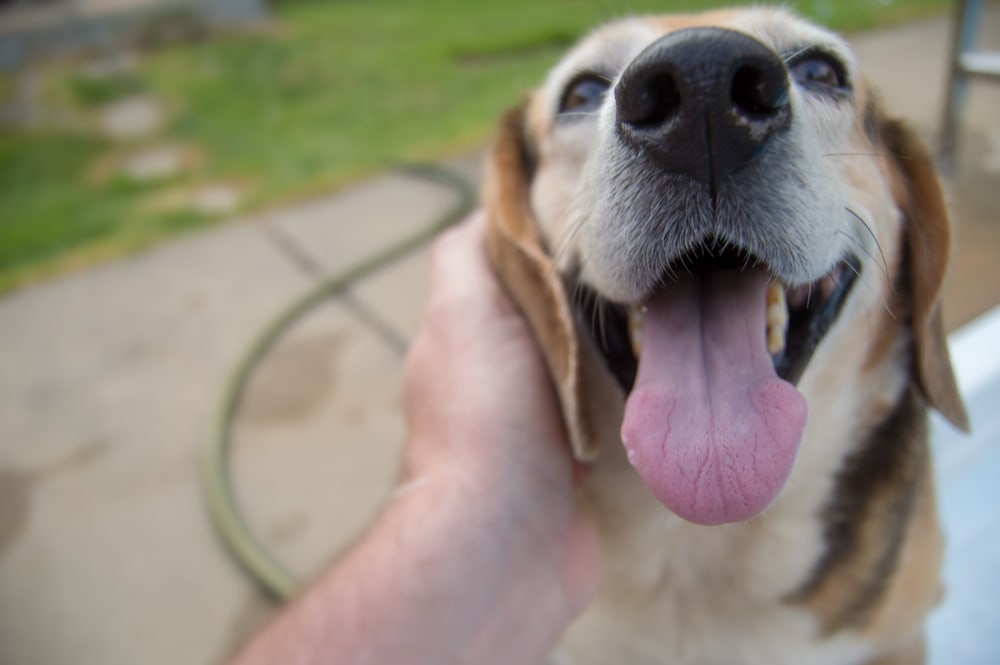
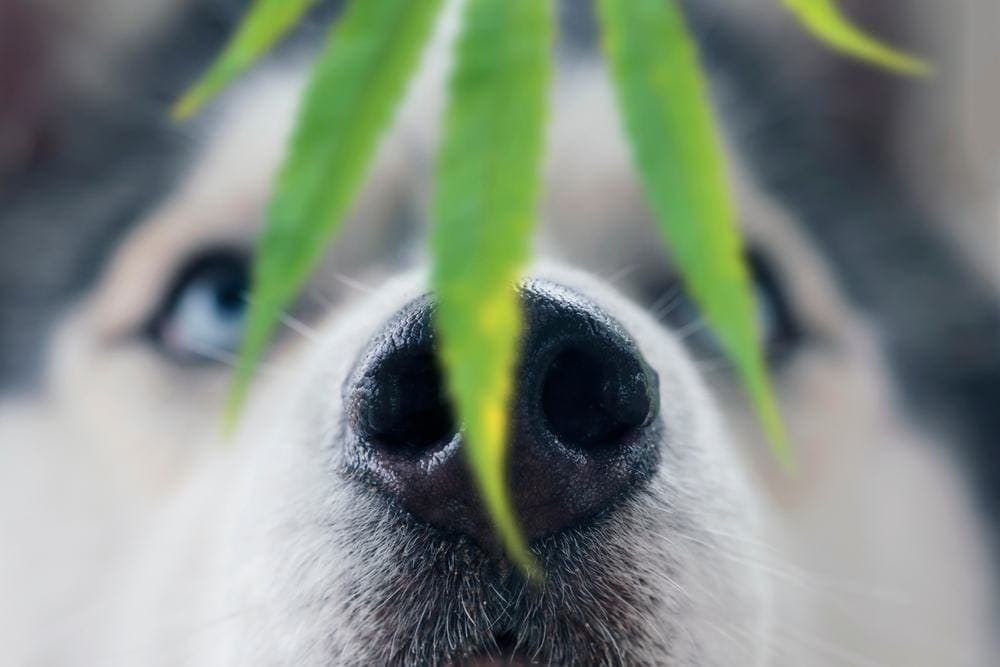
Dogs navigate their world with their noses. While humans have about 6 million sensory receptor sites in their nasal cavities, dogs have over 100 million sensory receptor sites.1 This makes them much more sensitive to odors and scents than humans.
Dogs and humans also seem to have differing preferences for certain smells. Things that smell pleasant to us may not always smell pleasant to dogs. While more research needs to be done on scents that dogs prefer, there are some scents that are commonly known to be disliked by dogs. Here are some common smells that dogs don’t particularly enjoy.

The 10 Smells That Dogs Hate
1. Citrus

One of the most common scents that dogs dislike is citrus. This includes lemons, oranges, and grapefruit. Most dogs stay away from citrus fruits and don't eat them. It’s possible that they don’t like citrus because of its acidity and tart flavor. Since they don’t like the taste of citrus, they don't enjoy its smell either.
Fortunately, citrus fruit isn’t toxic to dogs. So, you don’t have to worry if your dog happens to eat a little bit of it. However, the peel and seeds are toxic in large amounts and may cause an upset stomach, especially if your dog swallows a large piece.
2. Cinnamon
Most dogs don’t like the smell of cinnamon and avoid going near it and eating foods that contain it. While cinnamon isn’t toxic to dogs, cinnamon powder can be an irritant. It should be placed in a safe, unreachable place for dogs to prevent them from inhaling it. It can cause them to choke, cough, or experience difficulty breathing.
3. Fresh Herbs
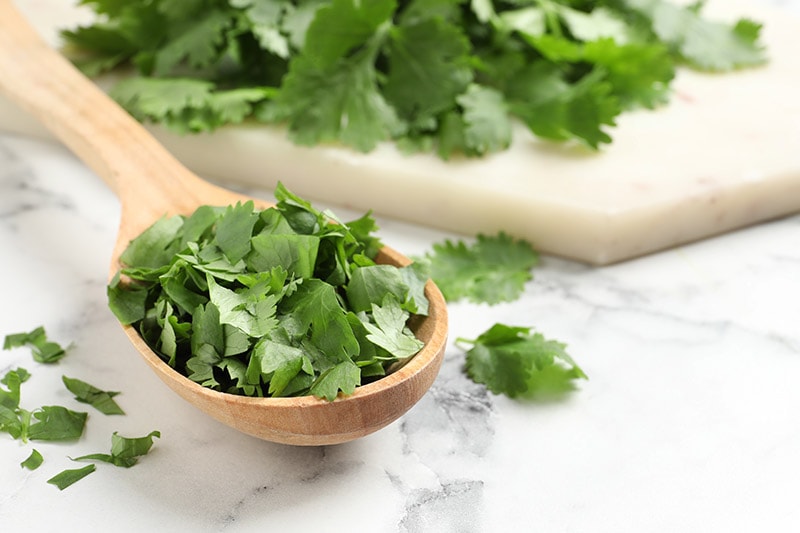
Dogs don’t like the smell of fresh herbs because of their strong scents. Herbs that dogs commonly avoid are cilantro, rosemary, and thyme. However, dogs have their own taste and smell preferences, so some may not mind the smell of some herbs.
It’s important only to feed dogs safe and non-toxic herbs. Some herbs, like oregano, are harmful to dogs. So, check with your veterinarian to determine if an herb is safe or unsafe for your dog to eat.
4. Vinegar
Most dogs stay away from the smell of vinegar. It’s possible that they don’t like vinegar due to its robust and sour smell. Dogs don’t seem to enjoy any variety of vinegar, including apple cider, white wine, and rice vinegar.
Dogs generally don’t like the taste of sour foods, so it makes sense that they’ll avoid most sour smells. Another reason why dogs may not like sour smells is because foods that have gone sour often indicate that they’re spoiled and no longer safe to eat.
5. Bitter Apple

Dogs generally don’t enjoy bitter flavors. Bitter apple is a flavor commonly used to deter dogs from chewing objects. You can find bitter apple sprays in pet stores and spray them on household objects that can be dangerous to dogs, like electrical wires.
Because dogs don’t like the bitter flavor, many will stay away when they smell bitter apples. They’ll associate the scent with the unfavorable taste and avoid it.
6. Peppercorn and Hot Peppers
Dogs can get irritated by peppercorn because it contains piperine. Piperine is an alkaloid that acts as an irritant when it’s inhaled, and it’s what causes us to sneeze when we accidentally breathe in ground pepper.
Dogs also don’t enjoy the smell of hot pepper varieties. They contain capsaicin, which can irritate their nasal passages when inhaled and cause an upset stomach when ingested.
7. Pine Oil
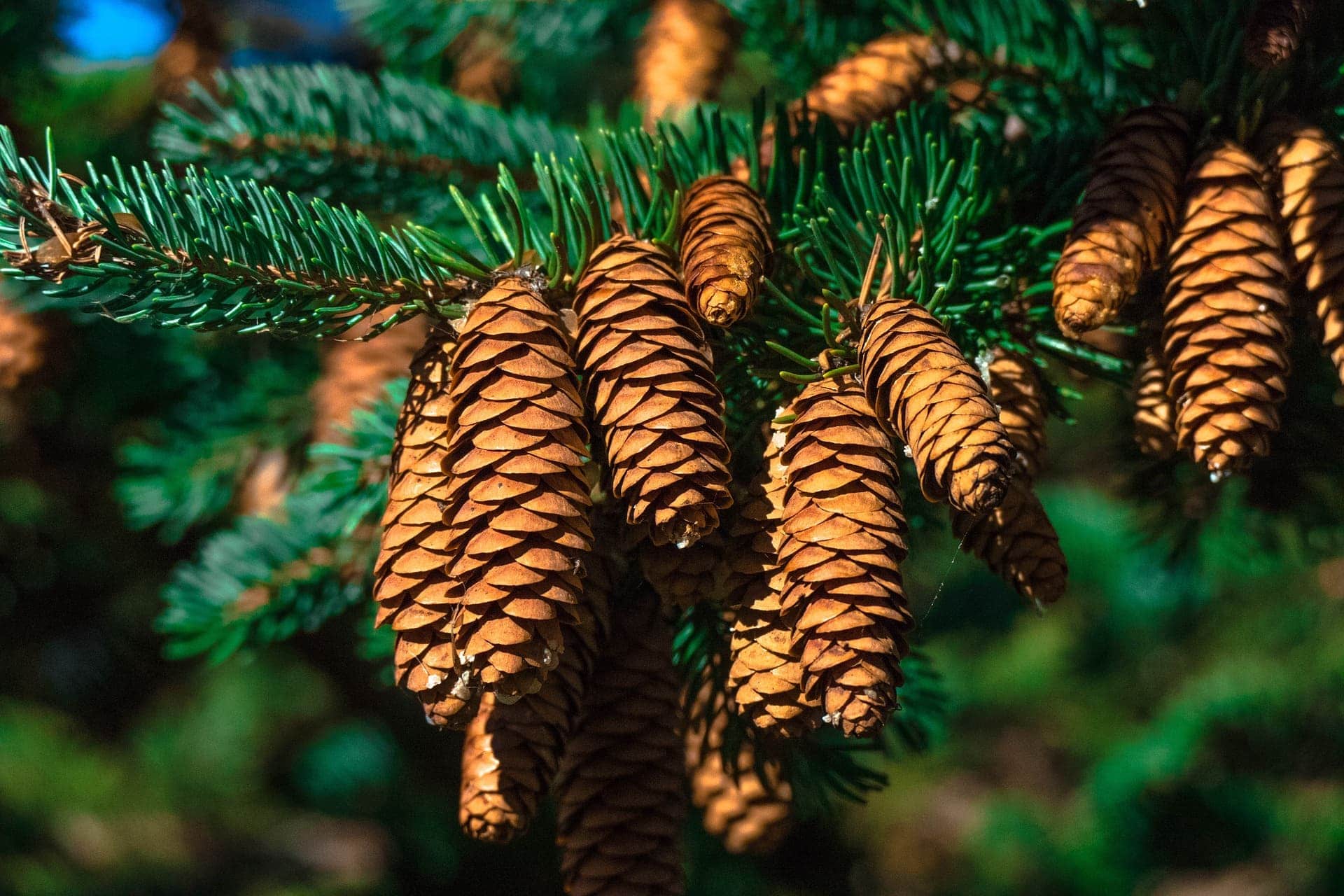
Many dogs dislike the smell of pine and avoid pine-scented items. This is fortunate because pine trees aren’t very safe for dogs. Dogs can experience an upset stomach if they ingest too many pine needles, sap, or oil. Some varieties of pine trees, such as Buddhist Pines, are mildly toxic to dogs. They’ll likely experience vomiting or diarrhea if they ingest any part of a Buddhist Pine.
8. Tobacco
Dogs can feel irritated by the smell of tobacco, and smoke from tobacco products can make breathing difficult for them. They can also experience the negative impacts of secondhand smoke. Dogs consistently exposed to secondhand smoke are more likely to have eye infections, allergies, and respiratory issues.
They’re also at higher risk of developing lung cancer and nasal cancer. Dogs with longer noses, such as Collies, Labrador Retrievers, and Dobermans, are more likely to develop nasal tumors when they live in smoke-filled environments.
9. Potpourri

Potpourri may smell nice to us, but it can be too intense for some dogs’ sensitive noses. Both dry and liquid potpourri can be irritating to dogs. So, if you like using potpourri, make sure that it’s placed in a well-ventilated space and that you lay out small portions at a time.
It’s also important for your dog not to be confined in a room with a bowl of potpourri, as the smell can be too overwhelming for them.
10. Perfume and Cologne
Since perfumes and colognes contain scents and essential oils that dogs don’t like, they commonly avoid them. You may notice that your dog will stay away from you right after you spray perfume or cologne.
Perfumes and colognes can be too strong for a dog’s nose. So, it’s important to remember not to hold them or pet them right after you apply them. The fragrance can rub off on your dog and stick to their coats, which will irritate their noses.
Final Thoughts
Dogs have unique preferences when it comes to scents and flavors. Knowing what your dog likes and dislikes can help you avoid putting certain types of fragrances in your home. So, make sure to pay attention to what your dog likes and what your dog seems to avoid. Your pup will appreciate your effort to ensure your home smells pleasant and is free of any irritants.
Sources
https://www.petpoisonhelpline.com/pet-safety-tips/nutmeg-cinnamon-toxicity/
https://www.aspca.org/pet-care/animal-poison-control/toxic-and-non-toxic-plants/oregano
https://www.petmd.com/dog/general-health/do-dogs-have-taste-buds
https://www.loc.gov/everyday-mysteries/food-and-nutrition/item/why-does-pepper-make-you-sneeze
https://vcahospitals.com/know-your-pet/the-effects-of-second-hand-smoke-on-pets
https://www.preventivevet.com/pets/scents-that-are-harmful-to-your-pets
Featured Image Credit: Ivanova N, Shutterstock
Get Hepper In Your Inbox


Pet care tips from our vets and experts, straight to your inbox.
You may opt-out at any time. View our Privacy Policy for more information.
Jessica is a freelance writer who spends most of her day reading and writing while her fluffy Cavapoo, Nora, naps beside her. She loves and appreciates pets and animals because there’s so much to learn from them, and they do so much for people. As a dog mom, she understands the special relationship that pet parents have with their pets. So, she loves sharing helpful information that people can use to better understand their pets. When she’s not writing, you can find her walking dogs, tending to her plant babies, or drinking her nth cup of coffee.
Join the conversation
Ask a question, share your story, or send private feedback.