Hepper is reader-supported. When you buy via links on our site, we may earn an affiliate commission at no cost to you. Learn more.
Can Dogs Eat Rosemary? Nutrition Facts & Suggestions

In this article
Most people use rosemary to add flavor to their foods and teas. However, since our dog always wants a piece of what we are having, thoughtful pet owners often wonder whether it is okay to give their pup foods that contain rosemary.
Is rosemary safe for dogs to eat? The short answer is, yes.
This article will detail everything you need to know about dogs and rosemary to clear all the doubts once and for all.

What Is Rosemary?
Going by the scientific name of Rosmarinus Officinalis, rosemary is a small, woody, evergreen plant that belongs to the same family as mint or sage. It traces its origins to the Mediterranean. However, it is now grown all over the world and is typically used for cooking, medicinal, and decorative purposes.
Rosemary has a pungent, bittersweet taste that adds a characteristic aroma to foods.
Is Rosemary Safe for Dogs?
Dogs can eat rosemary. However, that should be in small amounts. It does not matter whether you use fresh or dried leaves or even twigs from the plant, rosemary is safe for dogs.
To use, chop a few leaves and add them to their food. You can also add it to your dog's water.

Potential Benefits of Rosemary for Your Dog
This herb is laden with vitamins and minerals that can provide your dog with the following benefits:
Antimicrobial Properties
Rosemary is one of the most popular preservatives of dog food. This is because it fights against bacteria that can infiltrate pet food. As such, by mixing a small amount of this herb with the dog’s food, you will extend its shelf life.
These properties also extend to the dog’s body. By giving your dog rosemary, you will be helping them fight harmful bacteria that might be on their eyes, mouth, skin, or digestive tract.
Antioxidant Properties
Rosemary also has potent antioxidant properties that work to neutralize cell-damaging free radicals in the dog’s body. Free radicals are hazardous, as they can lead to serious ailments such as cancer and cardiovascular disease.

Boosting Digestion
Rosemary is effective at alleviating digestive system issues such as gas and indigestion. Additionally, its antimicrobial properties can offer relief from gastrointestinal problems resulting from harmful bacteria.
Flea Repellent
The smell of rosemary is a natural repellent against fleas and other bugs. As such, by applying a solution containing rosemary on their coat, you will be providing your pet with great comfort. Moreover, rosemary adds a shine to the coat.
You do not have to go looking for a rosemary product for dog fur, as you can make your own. To do this, take one teaspoon of fresh or dried rosemary put it in a pint of boiling water, and then allow it to steep for about 10 minutes in a covered pan.
Next, strain the rosemary and then wait for the water to get back to room temperature. Pour that water all over your pup’s body as the final rinse of their bath, and then rub it off with a towel.
When the fur is dry, you will notice a significant change in your dog’s coat appearance, as it will be shinier and softer.

Rosemary Essential Oil & Rosemary Extract for Dogs
Experts recommend giving 1/8 teaspoon of rosemary tincture per 20 pounds of body weight as a starting dose. Therefore, if your dog weighs 60 pounds, you will provide them with 3/8 of a teaspoon. Give them that dose twice a day.
Note that you should never give undiluted rosemary essential oil to your dog and neither should you apply it on their coats.
Additionally, if you are going to use rosemary essential oil on your dog, make sure that its concentration does not exceed 1%. This means that you should have proper knowledge of how to use essential oils. If you do not, avoid it.
Lastly, never give any form of rosemary to pregnant dogs.
Rosemary Alternatives
Rosemary is not the only herb you can use to improve the quality of your dog’s life; other herbs are both safe and tasty for your dog. These include the following.
Basil
Basil is rich in antioxidant properties and therefore, can be helpful in preventing the onset of ailments such as cancer and heart disease. It also helps in digestive processes and adds mass to bones to make them stronger.
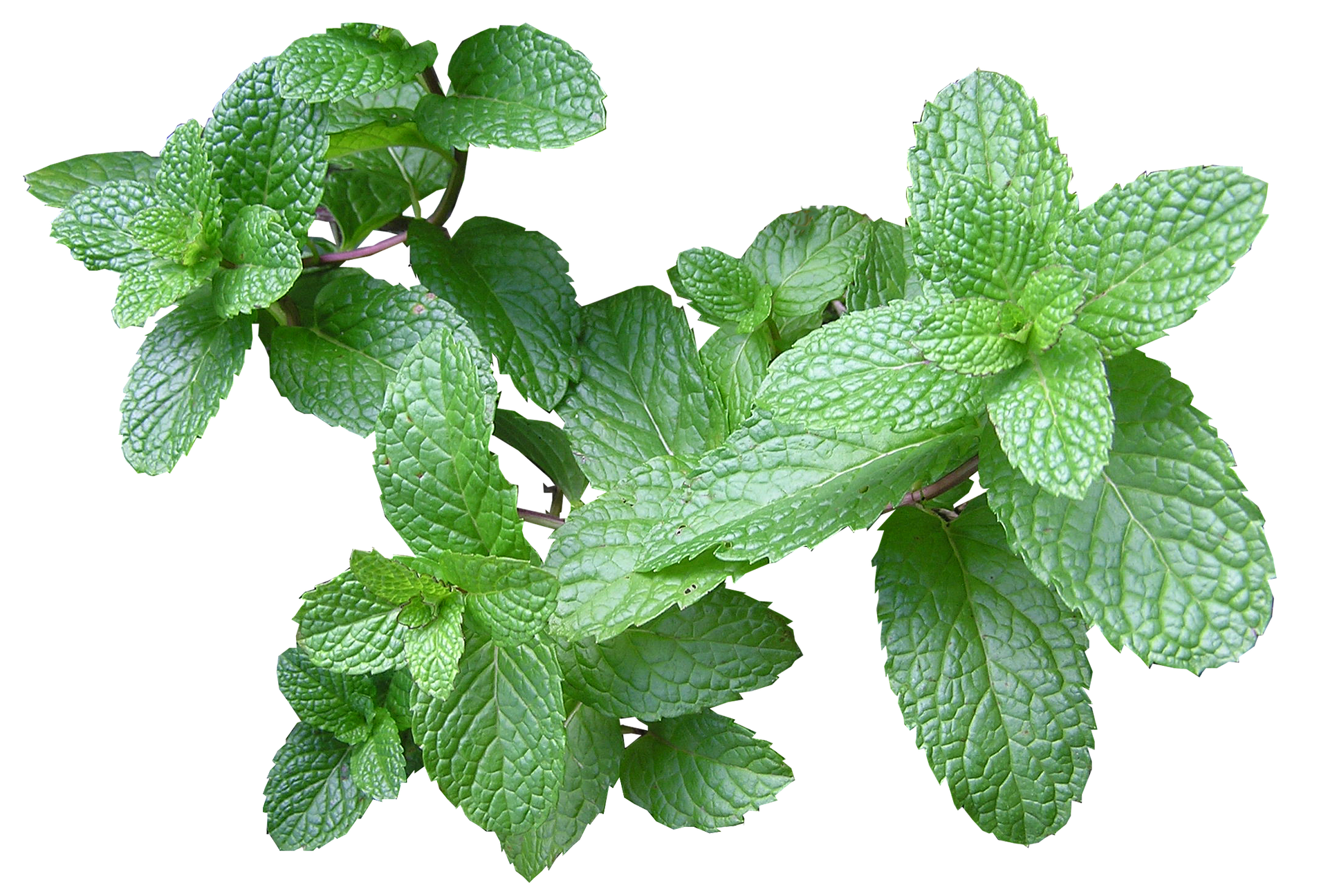
Mint
Mint is a good reliever of stomach upsets in dogs. Additionally, it promotes dental hygiene, which allows your dog to have stronger and healthier teeth and gums. Mint has also been observed to be effective at alleviating pain and discomfort in dogs.
Coriander
Coriander is full of vitamins, most notably A, K, and C, which work collectively to improve digestion, eyesight, and the overall immune system. This herb can also be used as a treatment for nausea and diarrhea.
When using these herbs, ensure that you give them in moderate quantities to avoid any potential side effects.
Summary
Rosemary is incredibly beneficial to us, and fortunately, it is not harmful to dogs. You can use it to spice up your dog’s bland foods so they can enjoy their meals. Additionally, it will provide them with health benefits as well.
Therefore, yes, Rosemary is safe for dogs. However, be careful not to overuse it, as it can result in discomfort for the dog.
Related Read:
Featured Image Credit: Nika_Akin, Pixabay
Get Hepper In Your Inbox


Pet care tips from our vets and experts, straight to your inbox.
You may opt-out at any time. View our Privacy Policy for more information.

Nicole is a lover of animals of all sizes but is especially fascinated with the feline variety. She’s the proud mom of Baby, a Burmese, and works every day so he can relax in the sunshine or by the fire. She’s always had a cat in her home and has spent countless days with others, observing behaviors and softening up even the grouchiest of the lot. Nicole wants to share her kitty expertise with you so you and your cat can live happy, healthy, and care-free.
Join the conversation
Ask a question, share your story, or send private feedback.