Hepper is reader-supported. When you buy via links on our site, we may earn an affiliate commission at no cost to you. Learn more.
Can Dogs Eat Cayenne Peppers? Vet-Reviewed Facts & FAQ



In this article
Cayenne peppers aren’t toxic to dogs, but unfortunately that doesn’t mean your dog can enjoy them. Thanks to the high amount of capsaicin, cayenne peppers can cause severe irritation and distress to a dog, so you should avoid serving them to your pet. However, we’ll discuss cayenne peppers, the problems ingesting them can cause for our pups, and if they’re safe to use as an anti-chewing deterrent.

Why Can't Your Dog Eat Cayenne Peppers?
A big problem with any human food is that dogs don't know what they’re eating and could overindulge—even something that isn’t toxic can cause severe problems if too much is eaten, which is a big problem with cayenne peppers. The pepper’s heat and spiciness can cause digestive issues, including diarrhea, vomiting, and stomach cramps. It can also make their mouth and throat inflamed and cause heartburn and indigestion, which are all pretty unpleasant.
There’s a risk that capsaicin oil particles will escape when the dog bites into the pepper, which can sting their eyes and nose. While none of these problems are life-threatening or likely to cause long-term issues, your dog will be distressed and might require veterinarian assistance to relieve more severe side effects.
Signs to Look Out For:
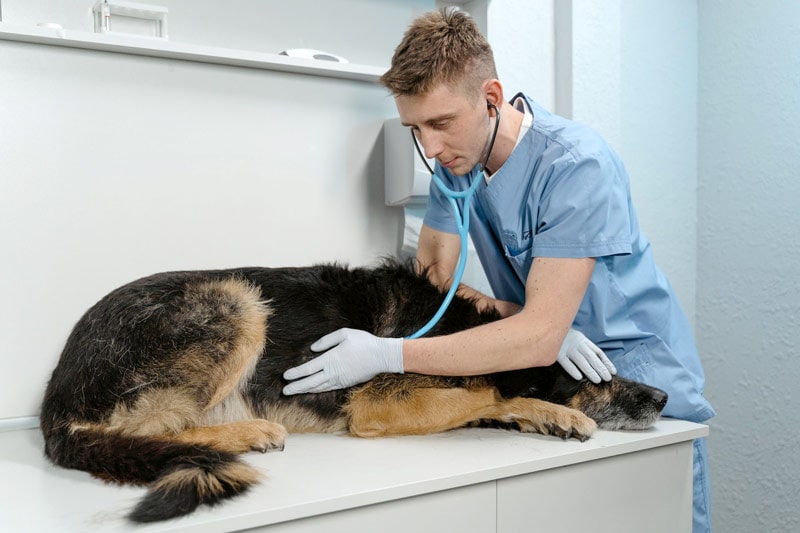
If your dog hasn’t eaten a small piece of the pepper and seems fine, chances are they won't suffer from vomiting or diarrhea, but we advise keeping a close eye on them. Signs of discomfort include drinking excessively and pawing at the face. If you’re worried, you might need to call your vet, but generally, dogs are fine once the spicy food has passed through their system.
If your dog suffers from health issues such as inflammatory digestive conditions or has a sensitive stomach, their reaction might be more severe. In that case, contact your vet when you become aware that your dog has eaten a cayenne pepper.
Cayenne Pepper Benefits
Cayenne peppers have some known benefits 1 for humans, which might make you wonder if small amounts could be good for your dog. They’ve been known to help with heart health, blood pressure, and blood flow, and while that is true, there are much better, more pet-friendly ways to introduce these benefits into your dog’s diet.
Your best resource is your vet; if you ever suspect your dog isn’t getting all the vitamins and minerals they should be from their regular diet, your vet can give you some recommendations.

Can Cayenne Peppers Be Used as an Anti-Biting Deterrent?
Puppies can be a challenge, especially when they’re biting at your favorite chair. Some sources online site cayenne pepper is an excellent anti-biting deterrent that can deter other small animals and bugs. While it may be a deterrent, you should avoid using hot peppers or ground pepper mixes near your puppy.
Also, you shouldn’t use it to protect your garden plants from neighborhood cats. Outdoor cats go where they want, and if a neighbor’s cat inhales or ingests cayenne in your garden, it could be very unpleasant for them. It can cause eye irritation, pain in their mouth and vomiting, which is similar to how it affects canines.
If you have a mischievous puppy on your hands, there are easier, safer ways to stop them from biting your furniture.Puppy proof your home by using pens and gates and make sure they have fun, safe toys and treats to chew on. Chewing is part of normal puppy behavior- especially when they are teething! If your puppy does get their teeth on something they shouldn’t, interrupt and distract them with a favorite toy. You can also use a commercial puppy deterrent that’s made of non-toxic ingredients.

Conclusion
While cayenne peppers aren’t toxic to dogs, they can be unpleasant and result in severe reactions if too many are consumed. Capsaicin can cause digestive problems, such as vomiting, diarrhea, and stomach cramps. Most healthy dogs are completely fine once the peppers have worked their way out of their system and won't suffer from any long-term problems. However, you should keep them out of reach and avoid using them as a deterrent.
Sources
Featured Image Credit: Robert Lens, Pixabay
Get Hepper In Your Inbox


Pet care tips from our vets and experts, straight to your inbox.
You may opt-out at any time. View our Privacy Policy for more information.
Kerry-Ann lives in Scotland and wishes her garden was bigger so she could have her very own Highland cow. But her dogs probably wouldn’t like that very much. She has a La Chon called Harry who was poorly with a liver shunt when he was a puppy. It wasn't likely he would make it into adulthood, which was difficult, but he beat the odds and is a healthy old man now. She also has a Pug called Maddie who is a big foodie. She’s small, sassy, and every day she finds a new way to mess with her brother.
When she isn’t writing you can find Kerry-Ann going for long walks when the weather isn't bad, reading, or watching cartoons when she should be tidying her house. She would one day like to be a tourist in her own country and travel through the Highlands with her family.
Join the conversation
Ask a question, share your story, or send private feedback.