Hepper is reader-supported. When you buy via links on our site, we may earn an affiliate commission at no cost to you. Learn more.
Laser Treatment for Cats: Purpose & How It Works (Vet Answer)

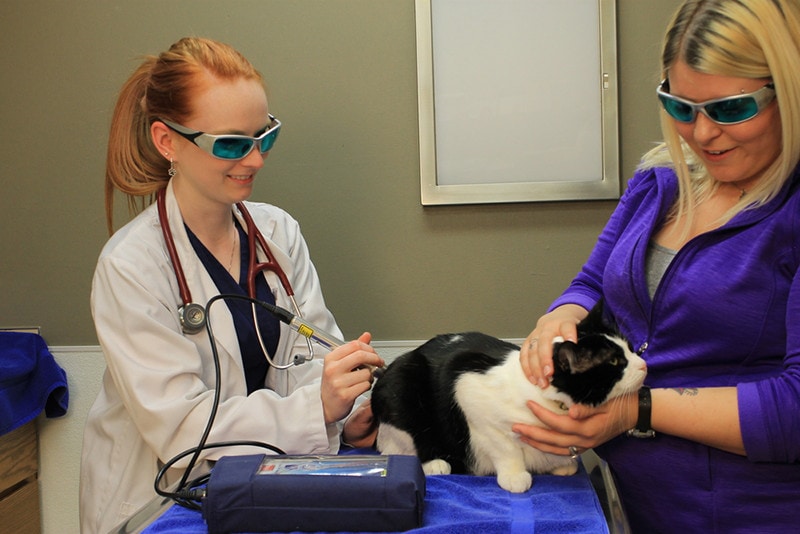
Laser treatment for cats is a non-invasive and painless procedure. It has many advantages and no known side effects, being used in a varied range of conditions. Laser therapy does not need additional surgical interventions or medication, and all cat breeds of all ages can benefit from it. It is often used as a complementary procedure alongside more conventional painkillers and anti-inflammatory medications.
The most common medical conditions that laser treatment is used for in cats include pain, inflammation, and swelling (edema), associated with chronic conditions, traumatic injuries, and surgical wounds.
Laser emission has rapid effects on inflammation, reducing it by stimulating blood and lymphatic flow and inducing the reabsorption of extracellular fluids. Secondary to this effect, pain can also be alleviated. The pain diminishes after the inflammation reduces.
In this article, we discuss how laser treatment works, the different types of laser therapy, where it is used, and its advantages.

How Does It Work?
Laser therapy is also called low-level laser therapy (LLLT) or cold laser therapy (as this kind of treatment does not emit heat). The laser is a narrow beam of light (electromagnetic radiation) with a well-defined wavelength of the light spectrum.
Laser treatment uses different wavelengths depending on the type and depth of the affected tissue. The most commonly used laser devices in veterinary medicine use red or near-infrared light (wavelengths of 600–1070 nanometers) or green, blue, or violet (shorter wavelengths).1 The longer wavelengths are used to penetrate deeper into the tissues (muscles and bones), and the smaller ones penetrate the skin.
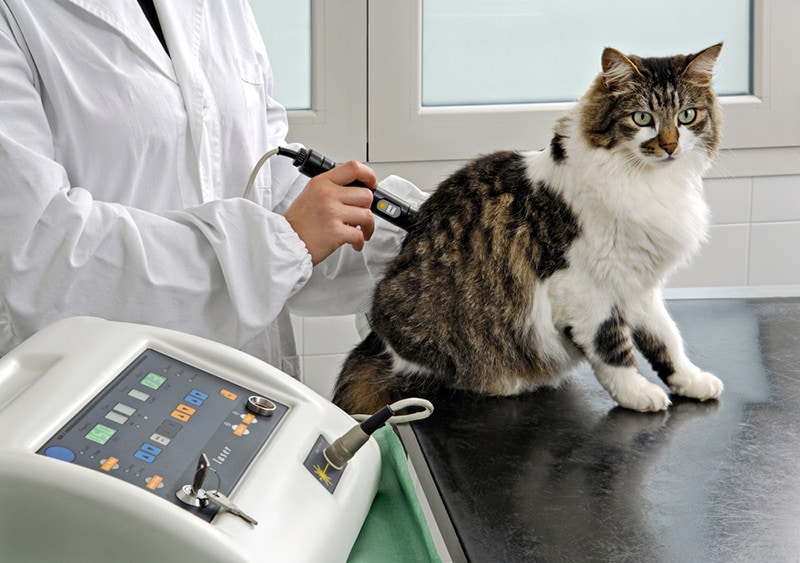
The light source of the laser therapy devices is placed in contact with the skin, and the photon energy penetrates the soft tissues. The emitted laser light promotes a chain of chemical reactions, known as photobiomodulation, and interacts with various intracellular molecules and tissues. Normal cellular functions are restored and the body's healing processes are improved.
The laser light is applied in a targeted manner and helps the body speed up the healing process by faster repair of the affected cells. Therapeutic lasers pass easily through the skin, without breaking it or causing discomfort, unlike surgical lasers.
At the moment, a lot of the evidence for the effectiveness, indications, and doses of laser therapy in veterinary patients is extrapolated from human and laboratory studies and anecdotal evidence, while some studies have been done in canine patients, and further more specific research in the veterinary field is required.2 However, there are definite benefits in using laser therapy in both cats and dogs suffering from various joint issues, where it leads to a reduction in pain, allowing them to be more active and comfortable. Speak to your veterinarian to see if your cat would benefit from laser therapy.
What Happens During a Laser Session?
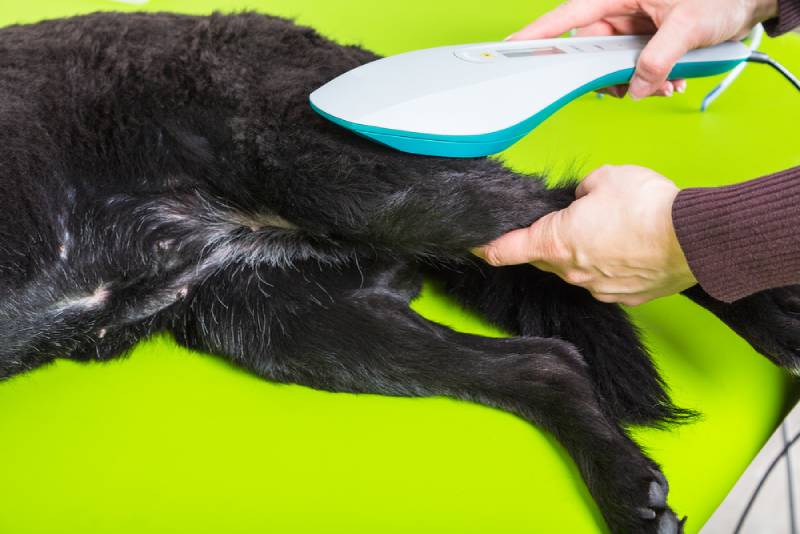
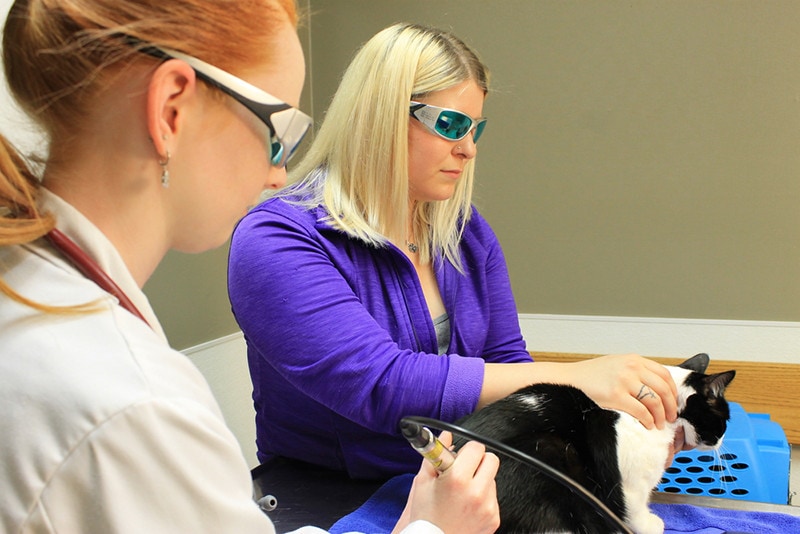
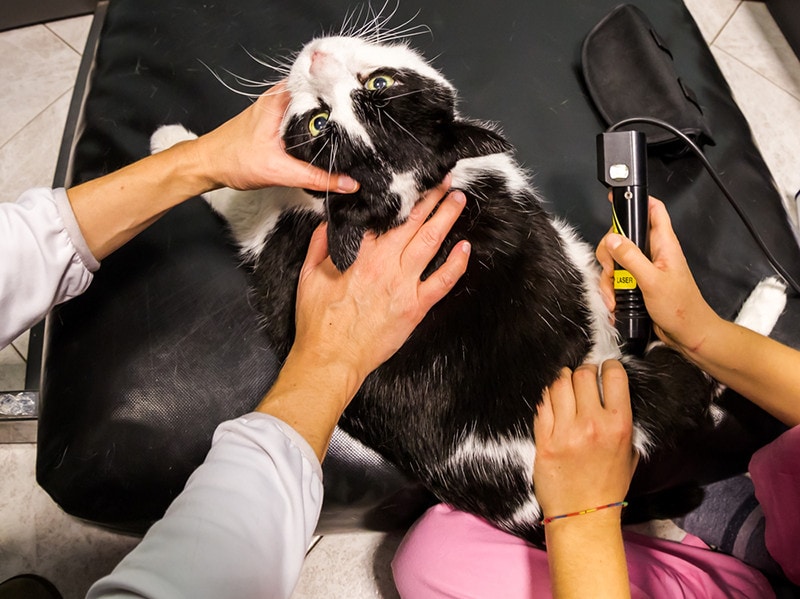
During a session, the veterinarian or vet tech will align the laser-emitting device over your cat's painful, inflamed, or injured area. The laser light will penetrate the skin without causing pain or injury while reducing inflammation and suppressing pain, or in the case of surgical or other wounds, speeding the healing process. The entire procedure can take 3–10 minutes, depending on the extent of the inflammation/injury and condition. For cats with multiple affected areas or extensive injuries, the treatment session may last longer (approximately 30 minutes). In most situations, the treatment will extend over several sessions.
In general, some acute conditions can be remedied in just a few sessions, but chronic ones require more than one session. Cats suffering from chronic conditions usually feel better after several sessions. However, the number of sessions depends on the severity of your cat’s ailment and their health condition.
Laser treatment can also be used as an adjuvant treatment method in combination with medication or surgery to facilitate healing. Currently, there isn’t a lot of evidence on the adequacy and safety of laser use in canine skin disease, and there may be conditions where its use will be contraindicated, such as skin and other types of cancer. Your veterinarian will discuss the potential benefits and uses of laser therapy for your cat.
What Are the Different Types of Laser Treatments for Cats?
There are currently four recognized classes of lasers. They are classified based on their power (measured in milliwatts, a.k.a. mW) and level of danger. The classes are numbered as follows: 1, 2, 3R, 3B, and 4, or I, II, IIIa, IIIb, and IV.
| Laser Class | Description |
| Class I | It is specific to industrial equipment that has the area of action of the laser beam completely covered, so there is no possibility of unwanted reflections. They have ≤ 0.5 mW of power. Examples are barcode scanners used in supermarkets. This laser class is the safest, as it does not require human operators to wear optical protection equipment (special glasses). |
| Class II | It is specific to measuring and controlling laser equipment with low powers ≤ 1mW. Examples are laser pointers, rangefinders, construction lasers, and certain therapeutic lasers. They produce a beam in the visible spectrum (400–700 nanometers). It does not require human operators to wear optical protection equipment. |
| Class Ia | It is specific to laser measurement and control equipment with higher powers ≤ 5mW. This class includes therapeutic lasers, being called cold therapeutic lasers. It may accidentally cause retinal burns. It requires special training and the wearing of special protective glasses. |
| Class Ib | It is specific to lasers with powers ≤ 500 mW. It may cause burns to the skin or retina. |
| Class IV | This class includes low-power and high-power lasers. High-power lasers (power ≥ 500 mW) cause thermal tissue damage (e.g., surgical lasers and military lasers). Low-power class 4 lasers do not cause tissue damage and can be used as therapeutic lasers (especially for deep tissues, such as ligaments, nerves, muscles, tendons, and cartilage). |
Where Is It Used?
In veterinary medicine, laser therapy is effectively used for:
- Immediate improvement of blood circulation
- Reduction of inflammation and edema
- Speeding up the healing process
- Aiding in healing of superficial injuries
- Fast recovery after injuries
- Tissue regeneration
- Pain relief
- Oral care
Laser treatment for cats is used for various ailments, especially in musculoskeletal conditions. The most common conditions are:
- Edema due to stasis or trauma (sprains and dislocations, possibly due to reduced lymphatic drainage)
- Superficial injuries of various causes (wounds, ulcers, burns, and other skin conditions)
- Neuralgia (severe pain along the path of a nerve)
- Neuropathy (pain caused by nerve damage)
- Intervertebral disc disease
- Arthritis and osteoarthritis
- Gingivitis and stomatitis
- Postoperative pain
- Muscle pain
- Spinal pain
- Joint pain
- Tendinitis
Laser emission is believed to have an effect on reducing pain by promoting blood flow, bringing in oxygen and cells, relaxing the muscles and releasing endorphins, all of which may help in reducing inflammation and improving healing. However, it is less effective in treating inflammation and edema in just one session, with these effects generally occurring after several laser treatments.
As already mentioned, a literature review that looked into the application of laser therapy in veterinary medicine has shown a variable and inconsistent degree of beneficial effects, with many of the studies presenting a certain degree of bias, making it hard to draw any definitive conclusions at this time.
Possible Advantages of Laser Treatment for Cats
The FDA regulates both medical and non-medical lasers. In pets, laser therapy has been successfully implemented due to the multitude of possible advantages and the non-existent negative effects.
Potential advantages of laser therapy in cats:
Disadvantages of Laser Treatment for Cats
Laser treatment for cats has no known adverse effects so far, and as a result, the disadvantages of this procedure are few to non-existent. Here are certain situations that might occur:
Disadvantages of laser therapy in cats:
How Do You Know If Your Cat Is in Pain or Discomfort?
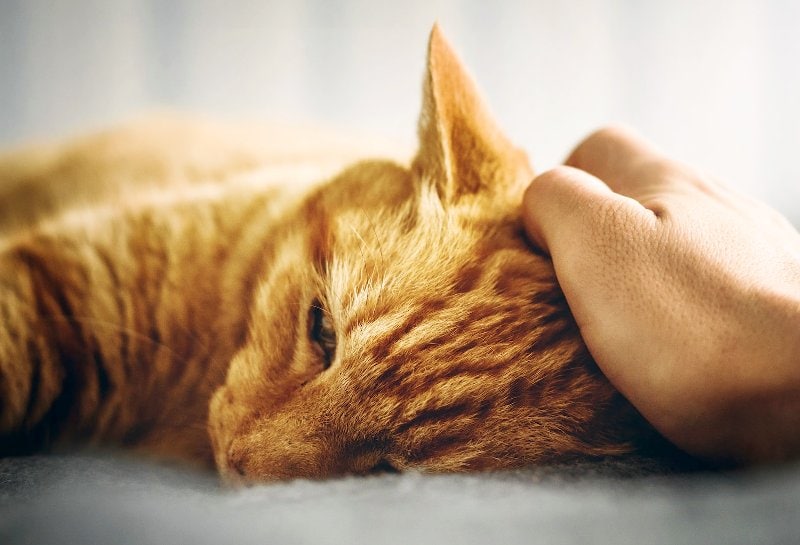
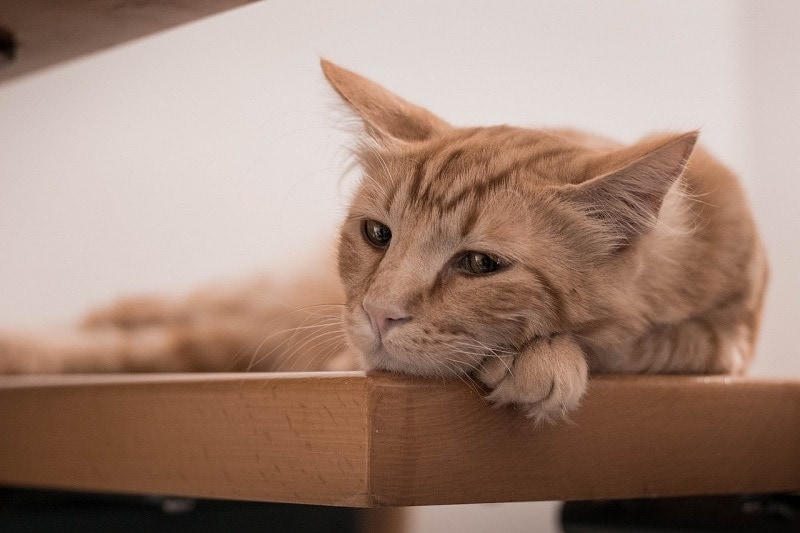
Cats are good at hiding their pain or suffering and usually only show it when the condition becomes chronic or severe. A cat in pain or discomfort may show some of the following clinical signs:
- Difficulty going down the stairs, getting out of bed, couch, etc., or when jumping on high places
- Going to the food or water bowl but not eating or drinking
- Abnormal posture when sitting or lying down
- Bedtime restlessness or generalized restlessness
- Unable to stand up or lie down
- Excessive meowing
- Lack of appetite
- Lameness
- Lethargy
- Tremors
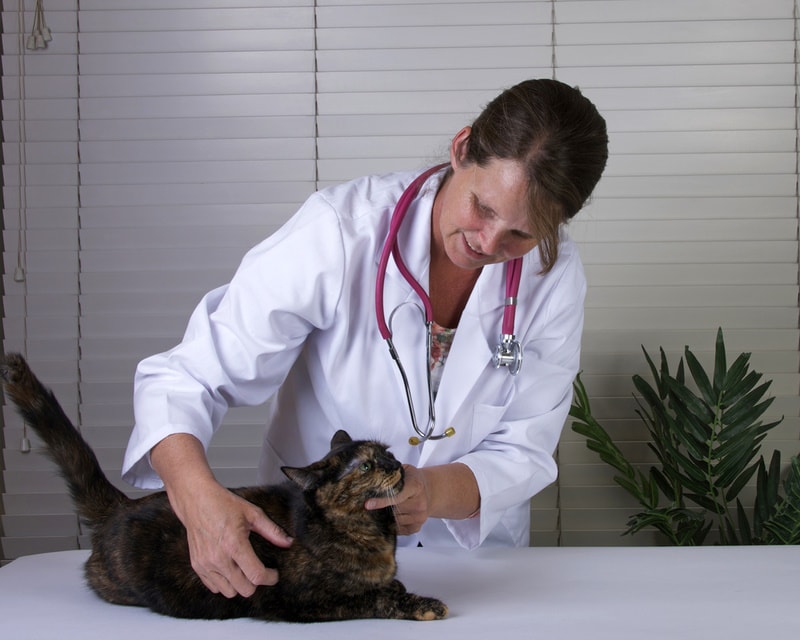
In these situations, it is advisable to go with your cat to a veterinary clinic. The vet will ask a few questions, perform certain investigations, and determine the medical conduct necessary to improve your cat's condition.
Frequently Asked Questions (FAQs)
Does Laser Therapy Work on Cats?
As the studies on the use of therapeutic lasers in veterinary patients are lacking in comparison to human ones, and often come with variable results, we cannot at this stage draw conclusions on its effectiveness in cats and dogs. Laser therapy is believed to reduce inflammation by stimulating blood and lymph flow in the treated area. Once the inflammation is reduced, the pain will also be reduced. Apart from the benefits that laser therapy has in deep tissues, it can also help with superficial wounds, based on human and laboratory studies.
What Is the Cost of Laser Therapy for Cats?
The average cost of a laser treatment session for cats can range from $25 to $40 but can be double that price or even more. The cost largely depends on your cat's condition and the number of sessions that they need. Some veterinary clinics offer discounts if you choose several sessions.
Is Laser Surgery Better for Cats?
Laser surgery is also called bloodless surgery. It is done with a special laser scalpel that cuts the tissues and coagulates the blood vessels at the same time. Laser surgery offers the possibility of intervention on highly vascularized tissues, such as muscles and bones.
The absence of bleeding enables a reduction of the contamination of the surgery field and greater ease of intervention. Laser surgery also helps reduce the edema of the surrounding tissues that occurs after the procedure. Usually, cats that benefit from laser surgery recover faster.
Why Do Cats Love Laser Pointers?
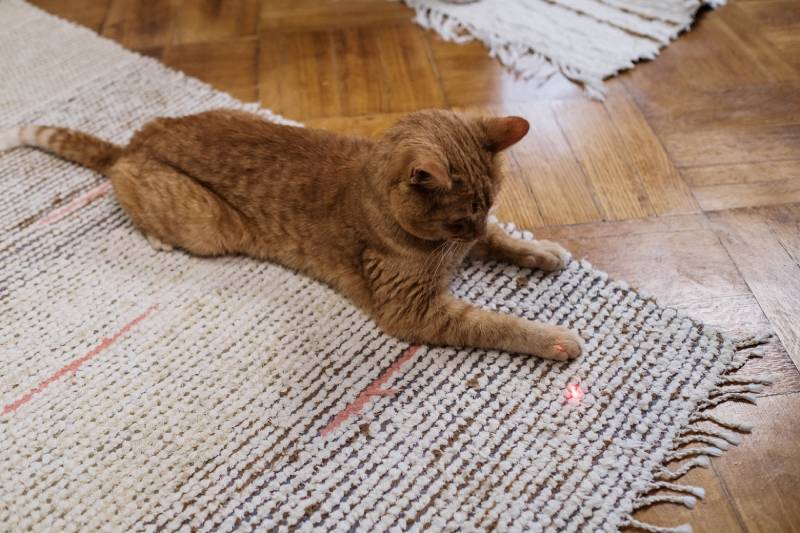
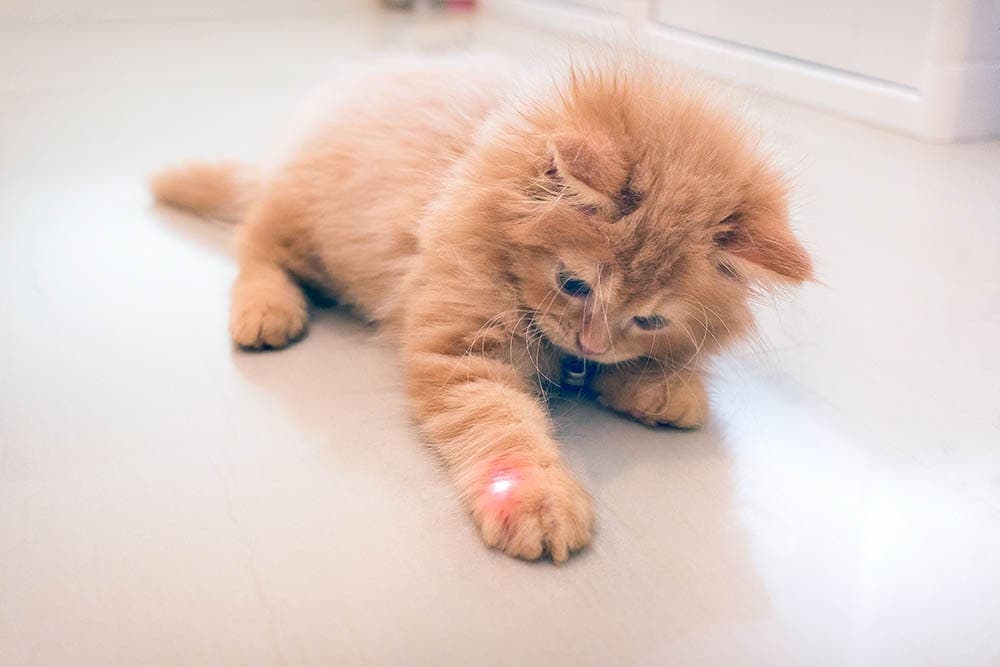
Playing with the laser pointer also comes with some precautions. Make sure not to shine the light in your cat’s eye, and give them a break, so they don’t get too tired or overexert themselves, chasing an object they can’t really physically get to. Do let them catch up with the light now and then, so they don’t get frustrated not being able to get to it. Avoid shining the light on walls or awkward surfaces, so your cat does not injure themselves trying to follow it.
Conclusion
Laser treatment for cats is a non-invasive and painless therapy, although further veterinary research is required in order to establish the full range of its potential and presumed benefits. It doesn't have any known side effects and can be used at any age and in any breed. The most common ailments for which laser therapy may be recommended are musculoskeletal conditions, which include arthritis, muscle pain, joint pain, spinal pain, nerve pain, surgical wounds, and others. In addition to the effects that it has on deep tissues, laser treatment can also be used superficially on the skin for burns or other lesions. A laser treatment session lasts a few minutes, and for better results, several sessions are usually recommended, especially for chronic inflammation or pain. Speak to your vet if you think your cat may benefit from laser therapy.
Featured Image Credit: Shannon Y, Shutterstock
Get Hepper In Your Inbox


Pet care tips from our vets and experts, straight to your inbox.
You may opt-out at any time. View our Privacy Policy for more information.
Iulia Mihai is a veterinarian with more than 13 years of experience in pet pathology, laboratory, and cancer. She studied at the University of Agronomical Sciences and Veterinary Medicine of Bucharest, Romania Iulia earned a master’s degree in equine and pet pathology and studied epithelial cancer for her Ph.D. Dr. Mihai's passions for internal medicine and parasitology inspired her to volunteer at the faculty’s clinic in her third year of college. She has worked in a couple of veterinary clinics over the years as an internal medicine specialist, and loves to write and educate pet parents about pet nutrition, behavior, and diseases.
Iulia is a passionate veterinarian with a strong affinity for veterinary parasitology, internal medicine, and laboratory. She is excited to share her experience and knowledge with pet owners around the world through her writing and hopes to educate people on pet nutrition, diseases, and behavior.
Education
Iulia graduated from the University of Agronomical Sciences and Veterinary Medicine, Bucharest, Romania, in 2012 and has a Master’s degree in Small Animals and Equines Pathology and is certified in HAACP food safety system implementation. Iulia started her Ph.D. in epithelial cancer in dogs and cats in 2013. Her research is published in national and international veterinary journals.
Experience
Dr. Iulia has been a veterinarian for more than 14 years. She is experienced in animal pathology and laboratory and has experience with exotic animals, such as pet rats and ferrets. She also has skills in the field of clinical pathology, laboratory, microscopy, cancer, and imaging.
Join the conversation
Ask a question, share your story, or send private feedback.