Hepper is reader-supported. When you buy via links on our site, we may earn an affiliate commission at no cost to you. Learn more.
12 Expert Cat Grooming Tips: A Beginner’s Guide

Any cat owner will tell you that their pet spends a significant amount of time grooming themselves. Even so, helping your feline friend maintain their hygiene and overall well-being through regular grooming sessions is essential. While grooming your cat may seem intimidating, especially if you are a beginner, the tips and tricks here will help you get started and make the process easier.

The 12 Expert Cat Grooming Tips
1. Establishing a Bond
Before you try to groom your cat, you will need to build a trusting relationship. Spend time playing with them, petting them, and giving them treats to create a positive association with you and the grooming sessions to help alleviate any anxiety or resistance, especially when the cat is still a kitten.
2. Grooming After Playtime
Grooming your cat after playtime can help them feel more relaxed because they have spent most of their excess energy running and playing. It can help make them less aggressive toward you and more likely to sit still and not venture off into another part of the house during your session.
3. Brushing & Combing
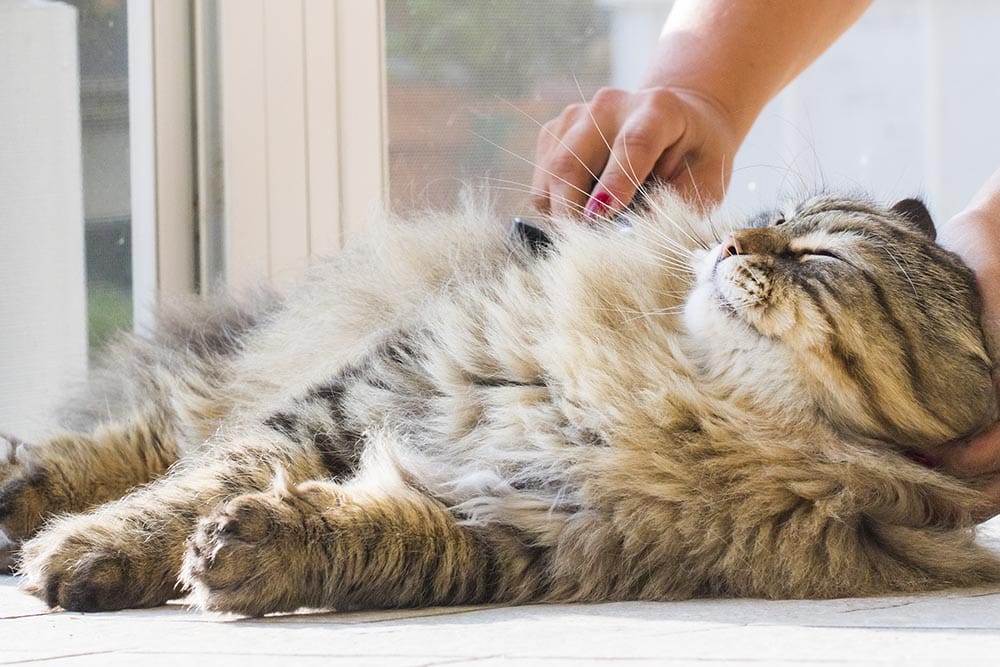
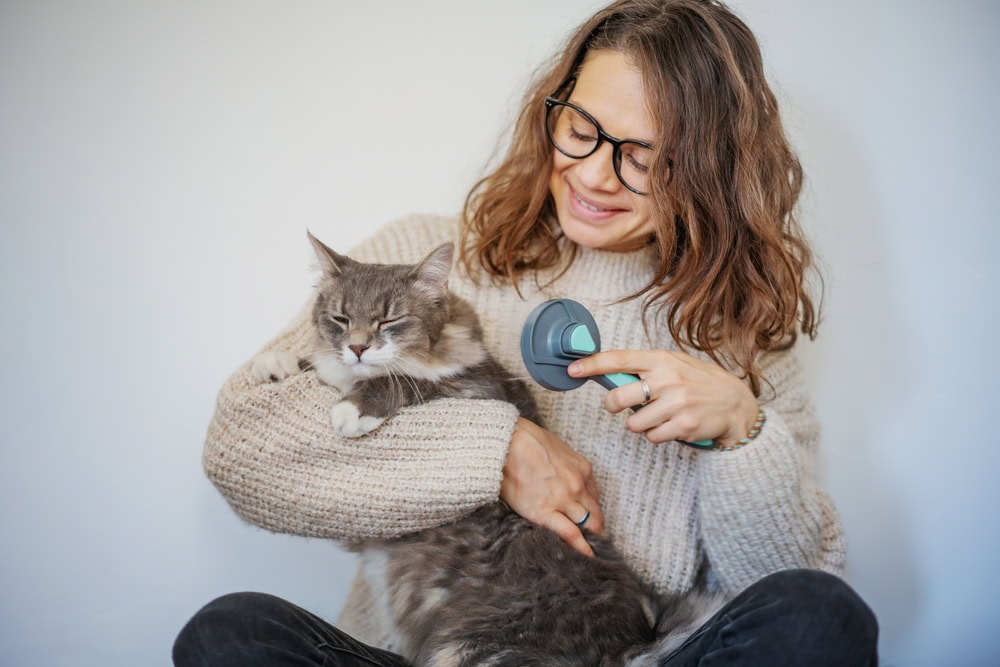
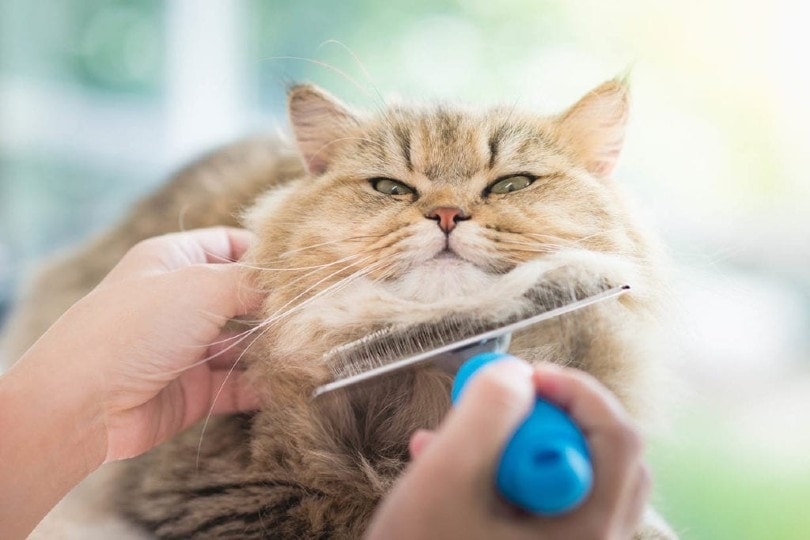
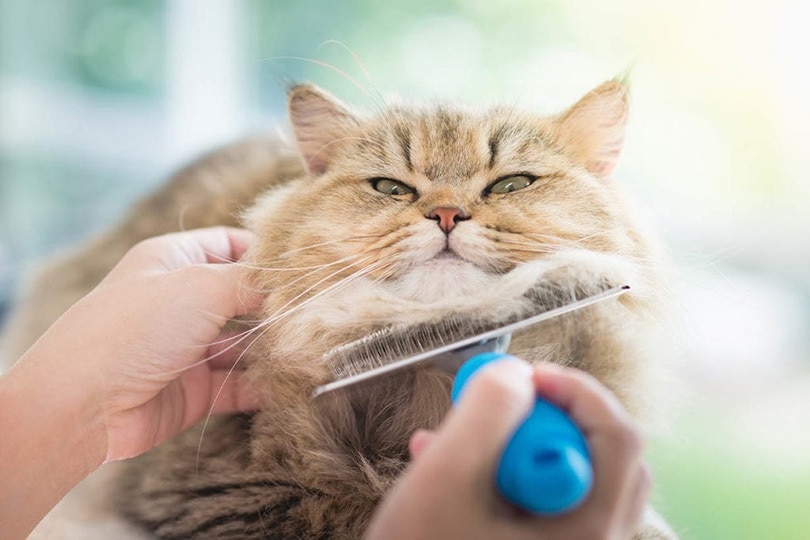
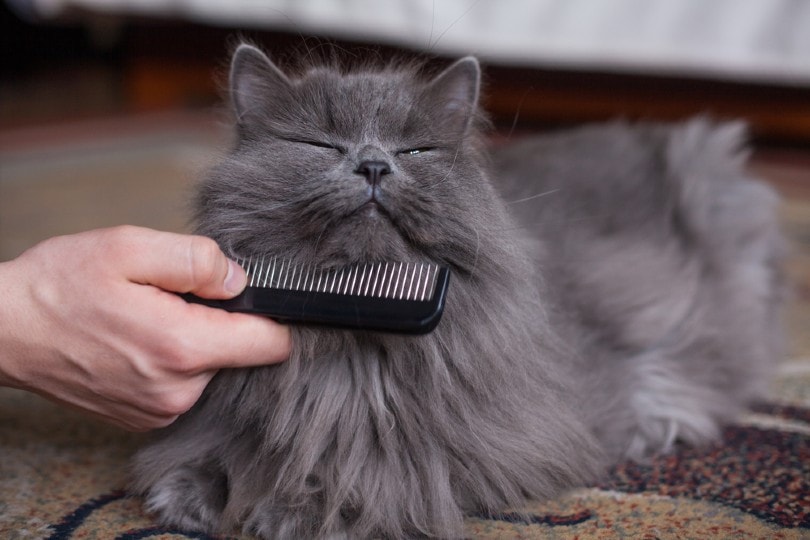
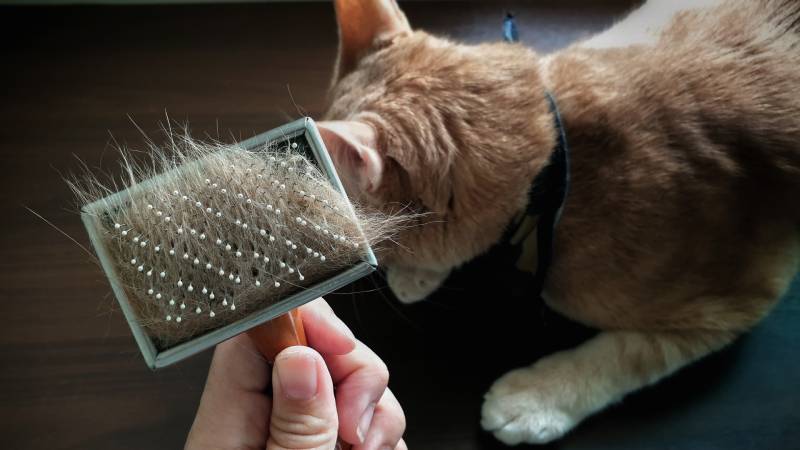
Regular brushing is essential for maintaining your cat’s coat. Invest in a quality brush or comb that's suitable for your cat’s hair length and type. Slicker brushes are popular and come in many sizes and shapes. They're also easy to find and relatively inexpensive. Start with gentle strokes, gradually increasing pressure. Brush with the hair growth, paying attention to areas prone to matting, such as the belly and behind the ears.
4. Handling Mats & Tangles
If you encounter mats or tangles, avoid pulling or cutting them with scissors, as this can harm your cat and make them angry or frightened. Instead, gently loosen the mat by using a pet-safe detangling spray or a specialized mat-splitter tool. Be patient and let the tools do the work. Don’t be surprised if it takes a few sessions. For stubborn mats, consult a professional groomer or veterinarian.
5. Bathing Techniques
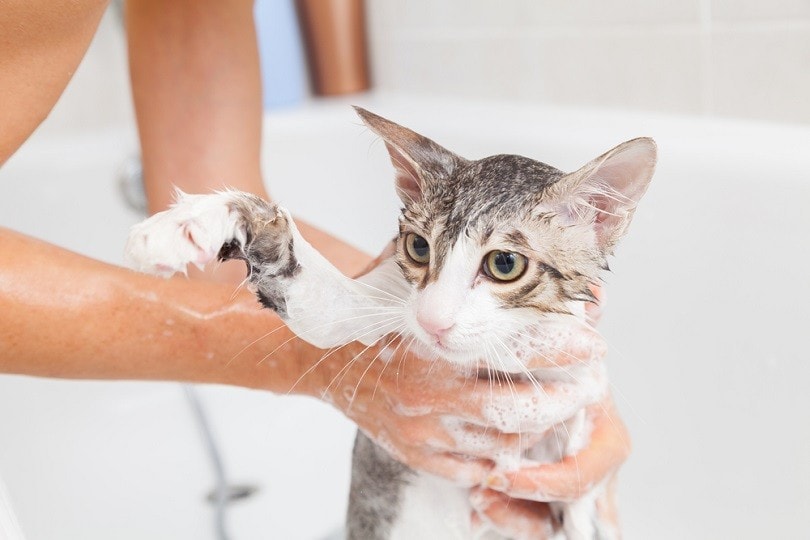
While cats are generally meticulous self-groomers, occasional baths may be necessary, especially for long-haired breeds or if your cat gets into something dirty. Use a cat-specific shampoo and warm water, ensuring a secure grip on your cat during the bath. Be mindful of their ears, and avoid getting water or soap in their eyes. Getting them used to the procedure when they are still kittens can help them relax more as adults, but do not bathe them too often, or you can strip their skin of important oils.
6. Nail Trimming
Keeping your cat’s nails trimmed is important for their comfort and may even reduce how often they scratch at the curtains and furniture. Use cat nail clippers or a nail grinder designed for pets, and familiarize yourself with how to use it before introducing it to your pet. Cut the nails short, but not so short that you cut the quick, which is the pink area at the base of the nail that can cause pain and bleeding.
Trimming your cat's nails isn't the easiest task in the world, but a well-designed set of clippers can make all the difference. Our Hepper Cat Nail Clipper Set features two sizes of clippers with easy-to-clean stainless steel blades and a built-in safety guard to prevent accidental cuts. These clippers are comfortable to hold, nicely designed to work at tricky angles, and even include a bonus hidden nail file and a convenient pouch!

- Complete Set - These cat nail clippers include both a large and small pair, meaning it works well as a kitten claw trimmer when they're a small kitty, and then before you know it, as a cat nail cutter
- Razor Sharp Stainless Steel - The most comfortable cat nail clippers for indoor cats provide a fast and clean cut. And for rough residuals remaining, the free cat nail file included can smooth it all.
- Safety First - With a safety nail guard and locking spring, you can make sure every grooming cut is stress free for you, and pain free for your purry pal
7. Dental Care
Many cat owners overlook dental hygiene, but it is a crucial aspect of your pet’s overall health, and many cats suffer from dental disease. Some sources suggest that more than half of cats over the age of 3 have some form of the disease. Manually brushing the teeth with pet-safe toothpaste can help keep the teeth in good shape, and starting when they are still kittens will help get them into a routine that lasts into adulthood.
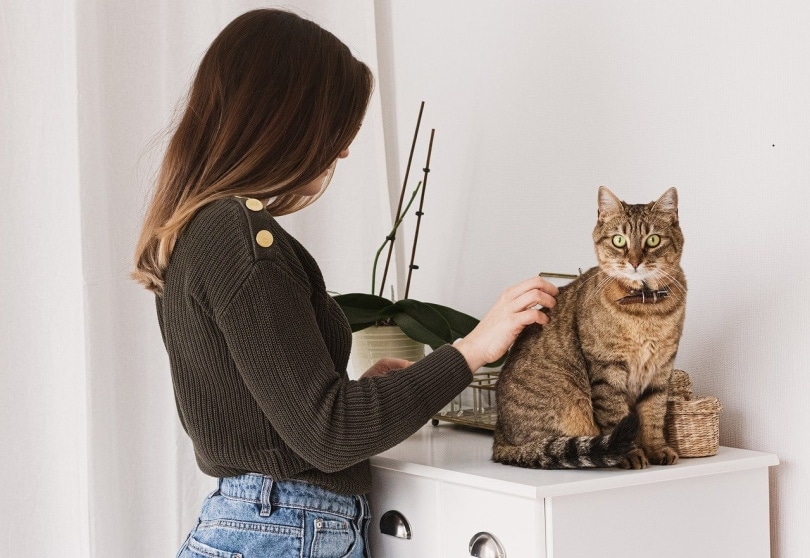
8. Handling Sensitive Areas
Be cautious when grooming sensitive areas like the face, ears, and tail. Use gentle techniques, and if your cat becomes uncomfortable, take a break and try again at another time. Never force your cat into any grooming activity because it will make them more resistant later.
9. Ear Cleaning
Regular ear cleaning helps prevent infections and ear mites and makes it more likely that you will notice those problems. Use a cat-specific ear cleaner and cotton balls or pads. Gently wipe the visible parts of the ear, avoiding going too deep into the ear canal. If you notice excessive wax buildup, a dark area inside the ear, or signs of discomfort, consult your veterinarian.
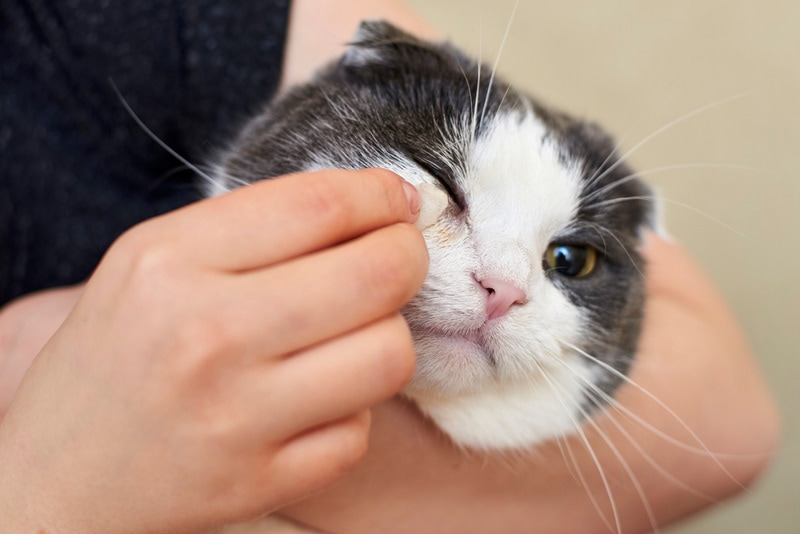
10. Eye Care
Keep your cat’s eyes clean and free of discharge. Use a damp, soft cloth or cotton ball to gently wipe away any crust or debris from the corners of their eyes, and consult your veterinarian if you notice persistent redness, swelling, or discharge.
11. Tail Grooming
Long-haired cats may require extra attention to their tail. Regularly comb and brush the tail to prevent matting, and use a de-shedding tool if needed. Be gentle and patient, starting from the base and working your way to the tip.
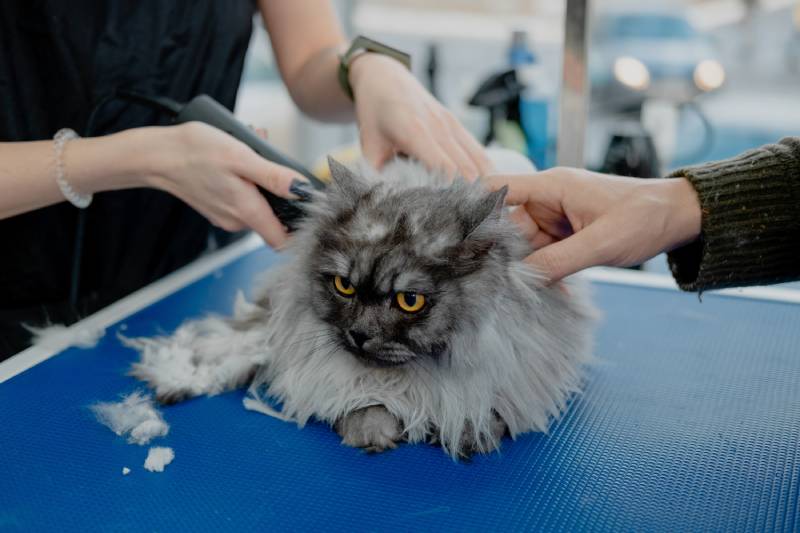
12. Professional Grooming
Consider taking your cat to a professional groomer, especially if you have a long-haired breed or your cat becomes anxious during grooming and won’t let you complete the process. Professional groomers have experience and specialized tools to handle grooming needs effectively and safely, and they can also provide tips and tricks specific to your pet.
Frequently Asked Questions
How Often Should I Groom My Cat?
The frequency of grooming depends on your cat’s coat type and length. While you may need to brush long-haired cats daily to prevent matting, you may only need to brush short-haired cats once or twice weekly. You must also perform regular nail trims, ear cleanings, and dental care.
My Cat Hates When I Groom Them, So What Can I Do?
If your cat resists grooming, start by introducing grooming sessions gradually and with positive reinforcement. Use treats, praise, and short sessions to build their tolerance. If necessary, consult a professional groomer or veterinarian for additional guidance, as they can often have tips for your specific problem.
Can I Use Human Grooming Products on My Cat?
No, it’s important to only use cat-specific grooming products. Human shampoos and soaps can be too harsh for a cat’s sensitive skin and may cause irritation or allergic reactions. They may also contain harmful ingredients that can be toxic if the cat ingests them. Therefore, you should always choose products specifically designed for cats.
In Conclusion
Grooming your cat is crucial for maintaining their coat and helping them be happy and healthy. While many cats prefer to groom themselves, following the tips outlined here and establishing a bond with your pet before you get started will make it easier for you to help them out. Groom after playtime so they are more relaxed, and patient and gentle. Brush their teeth as frequently as possible, clean their ears, and trim their nails as needed. If your cat is especially resistant, try using a professional groomer who has the experience to help your cat and can provide tips that pertain to your specific cat.
Related read: 7 Best Cat Grooming Harnesses - 2023 Reviews & Top Picks
Sources
Featured Image Credit: 135pixels, Shutterstock
Get Hepper In Your Inbox


Pet care tips from our vets and experts, straight to your inbox.
You may opt-out at any time. View our Privacy Policy for more information.
Ed Malaker is a veteran writer who has contributed to a wide range of blogs that cover pets, tools, guitars, fitness, and computer programming. When he’s not writing, Ed is usually performing DIY projects around the house or working in the garden. He’s also a musician and spends a lot of time helping people fix their guitars and composing music for independent films.
Join the conversation
Ask a question, share your story, or send private feedback.