Hepper is reader-supported. When you buy via links on our site, we may earn an affiliate commission at no cost to you. Learn more.
Toy Poodle vs. Yorkie: Which One Should I Choose? (With Pictures)
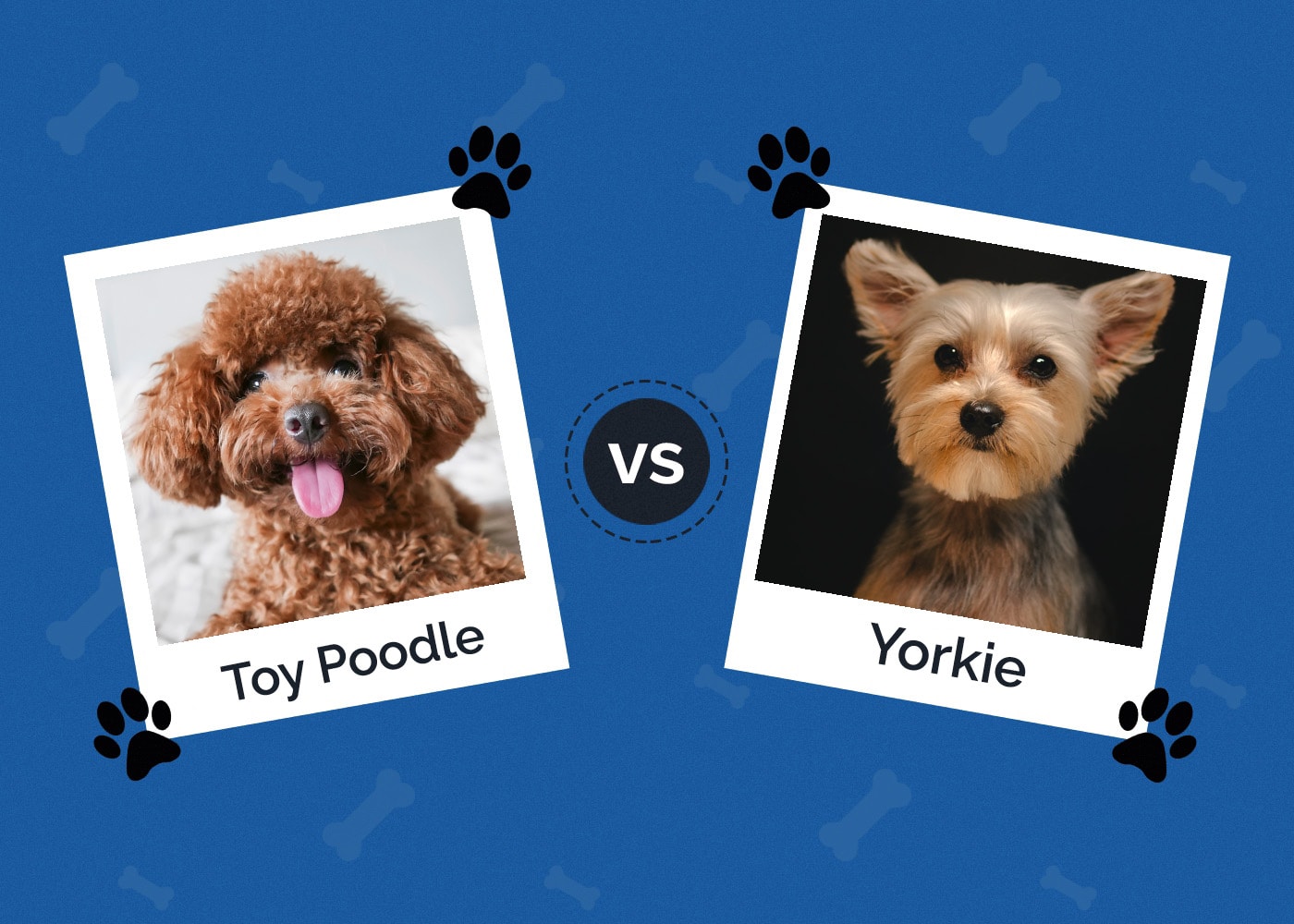
Toy Poodles and Yorkies are two popular toy dog breeds, but it can be tough to decide which breed is best for you. Both dogs are small, but they have different personalities and temperaments. Maybe you’ve got your eye on a Toy Poodle but are worried that they might be too much for your family. Perhaps you’re leaning toward a Yorkie because of their reputation for being loving and loyal. Each dog breed is best suited to a specific set of circumstances and living conditions and to different owners. To help you decide between the two, here’s an overview of each breed and a comparison of the two, so you can make an informed decision when choosing your new pet!

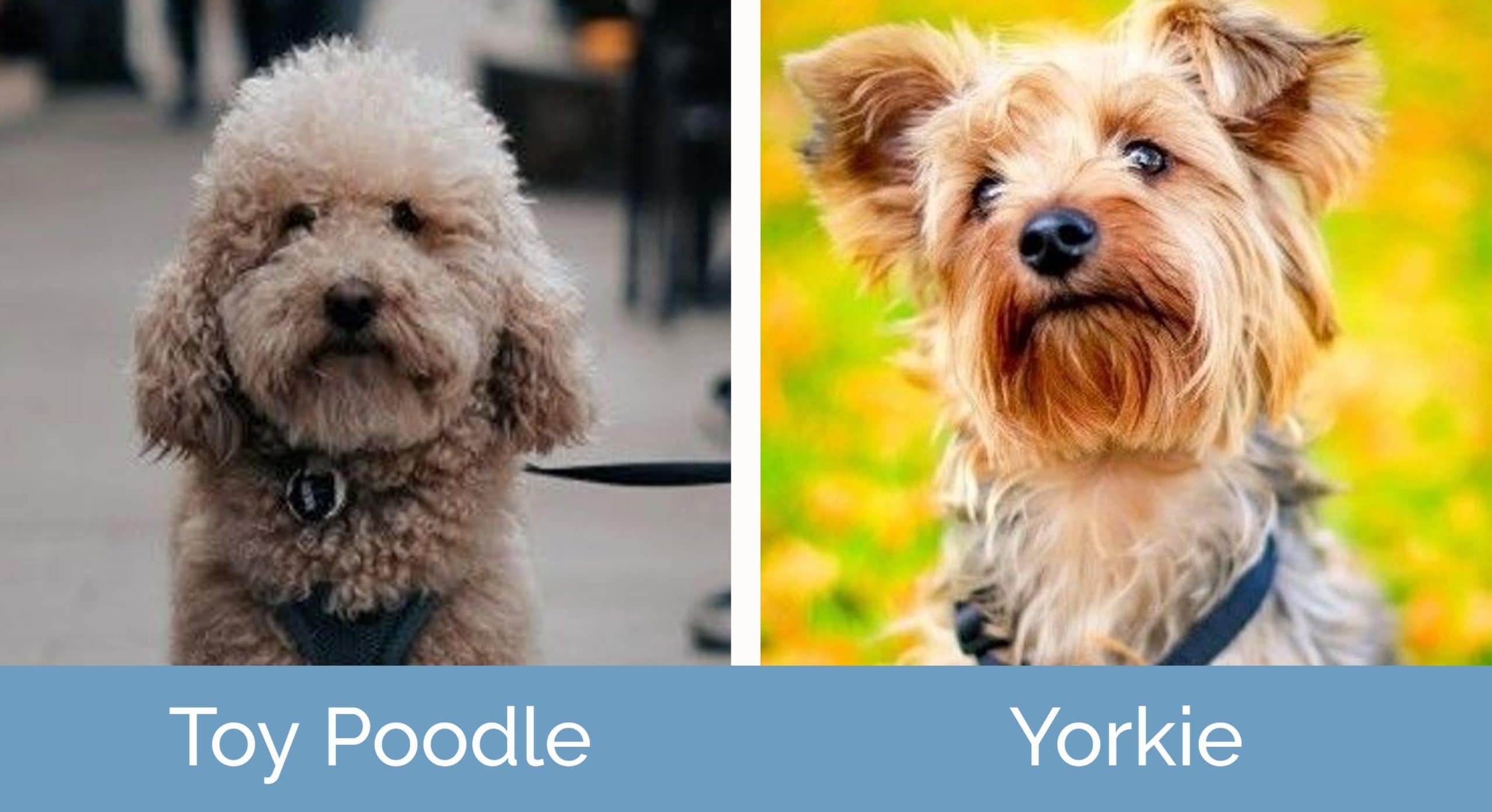
Visual Differences
At a Glance

Toy Poodle Breed Overview
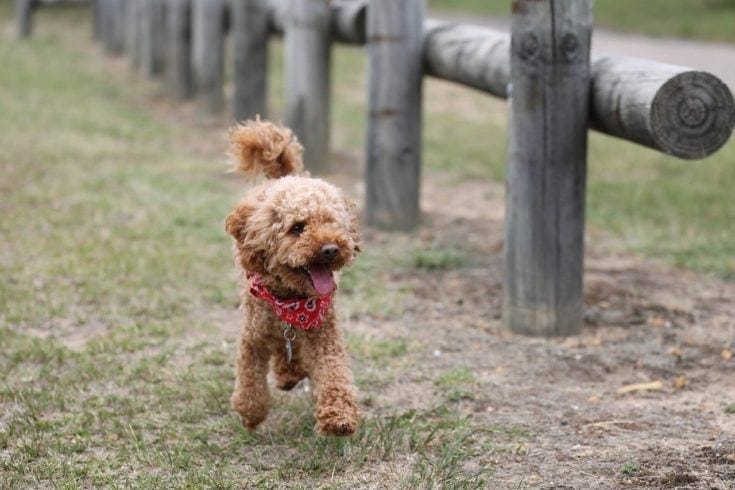
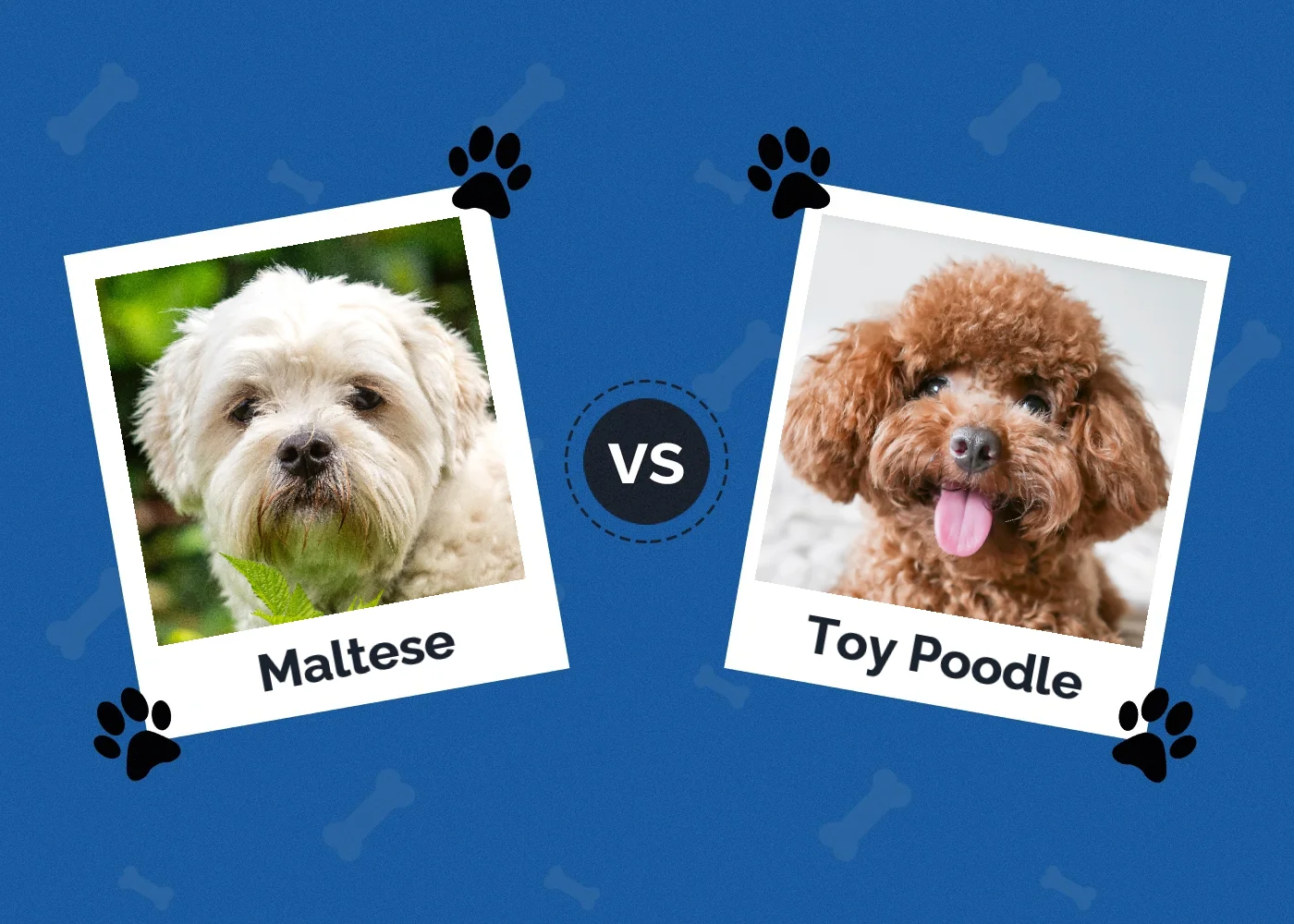
The Toy Poodle is a small dog that was first bred in Germany during the 19th century. The breed has been described as elegant, intelligent, and lively. They’re also known for being one of the most trainable breeds in the world. These are small dogs that fall under the category of companion dogs. This breed is not a sporting dog, so they do not have the energetic, outgoing personality that dogs like Pugs or Bulldogs have. The Toy Poodle is hypoallergenic, meaning they produce less dander than most other breeds, so they are ideal for people with allergies or asthma. However, these dogs require regular grooming to keep their coats looking healthy and shiny!
Personality / Character
Toy Poodles are known as playful, affectionate, and intelligent. They are often happy-go-lucky dogs that love to play with their owners and other dogs. This breed is known for being an extremely loyal companion that wants nothing more than to spend time with their humans.
While Toy Poodles love children, they also form strong attachments to them. This can lead to them becoming overly protective. This isn’t necessarily bad, but it is important to train these dogs appropriately to ensure that they don’t develop resource-guarding behavior with children.
Training
Before you get a Toy Poodle, you should know that these dogs are intelligent and easy to train. They love the attention that comes with training sessions, and they have plenty of energy to keep up with the learning!
Toy Poodles have an exceptional ability to learn tricks, so if you want a dog that can perform and entertain, this might be the perfect breed for you.

Health Concerns
Toy Poodles are generally a healthy dog breed. However, they can be susceptible to certain diseases and conditions as purebred dogs:
- Skin Tumors — These lumps and bumps on the skin can be malignant or benign and are caused by abnormal cell growth.
- Bladder Stones — Bladder stones are caused by an over-concentration of minerals in the urine. Bladder infections can also cause them.
- Tracheal Collapse — Weakness in the cartilage of the windpipe can cause breathing difficulties in Toy Poodles.
- Cushing’s Disease — This serious condition causes the adrenal glands to produce more hormones than they should. A swollen abdomen is often the first symptom of the disease.
- Cataracts — Toy Poodles that suffer from cataracts will have cloudy-looking eyeballs. Over time, this can lead to blindness.
The best defense against genetic diseases in purebred dogs is to ensure that you obtain puppies from a reputable breeder. A good dog breeder will provide bloodwork and genetic testing on your dog's parents to show that they do not carry the genes for certain illnesses.
Suitable for:
The Toy Poodle may be an excellent choice if you’re looking for a small dog but don’t want one that will bark or yap at everything that moves. They’re also good dogs for people who want a quiet dog that can easily be exercised indoors through play sessions and can be left home alone for long periods of time. Unlike most small breeds, the Toy Poodle is relatively easy to train and does well with obedience training and trick training.
Pros and Cons of Owning a Toy Poodle
Pros
- Their small size makes them ideal pets for apartments or smaller homes.
- They are more portable than many other dog breeds.
- They are easy to train.
- They are good with children and other animals.
- They can be left alone for longer periods than other breeds.
Cons
- These dogs can be high maintenance, and they require regular grooming and brushing.
- Toy Poodles are loyal, but they can become snappy and possessive.
- Toy Poodles are prone to certain health conditions.

Yorkie Breed Overview

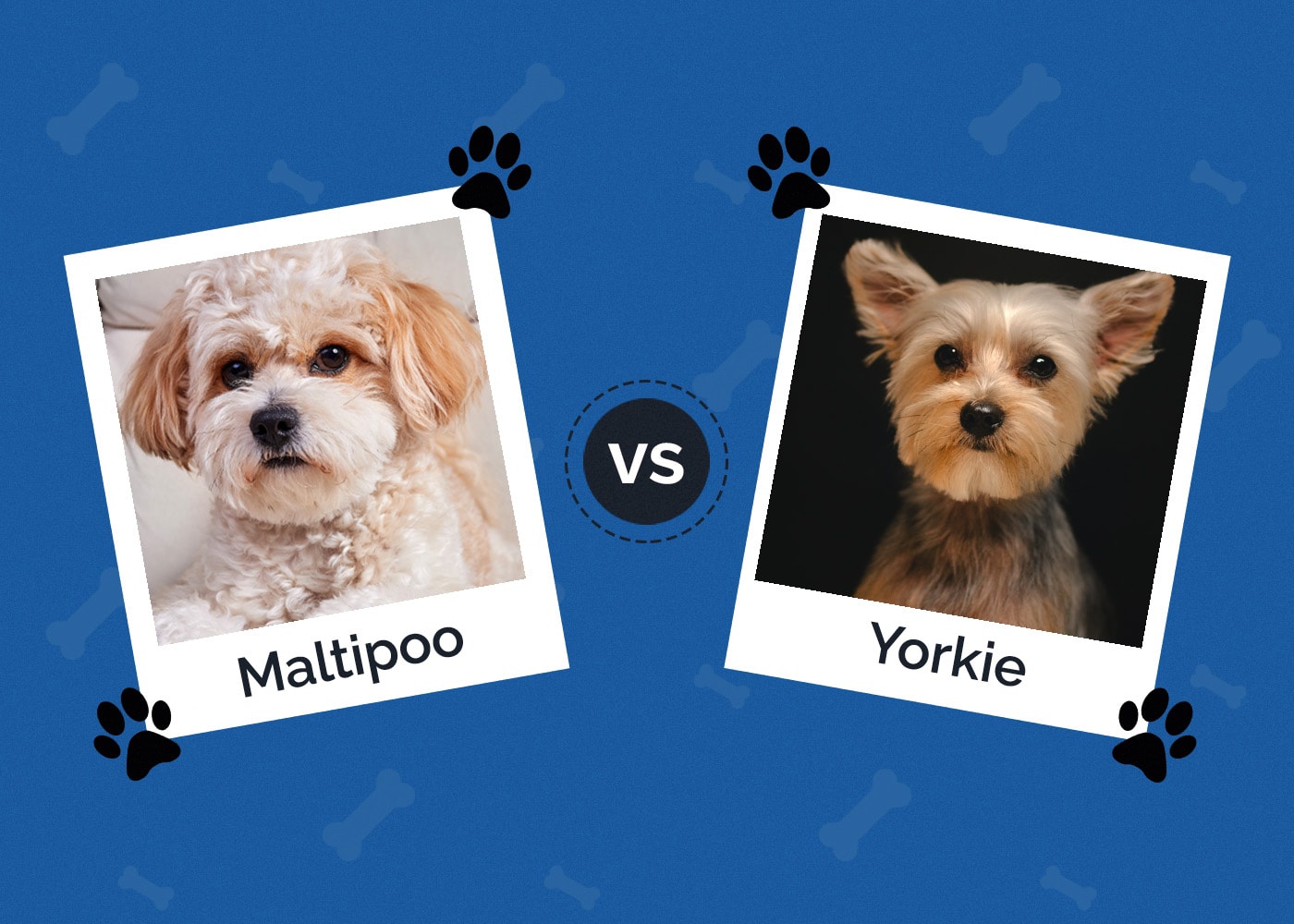
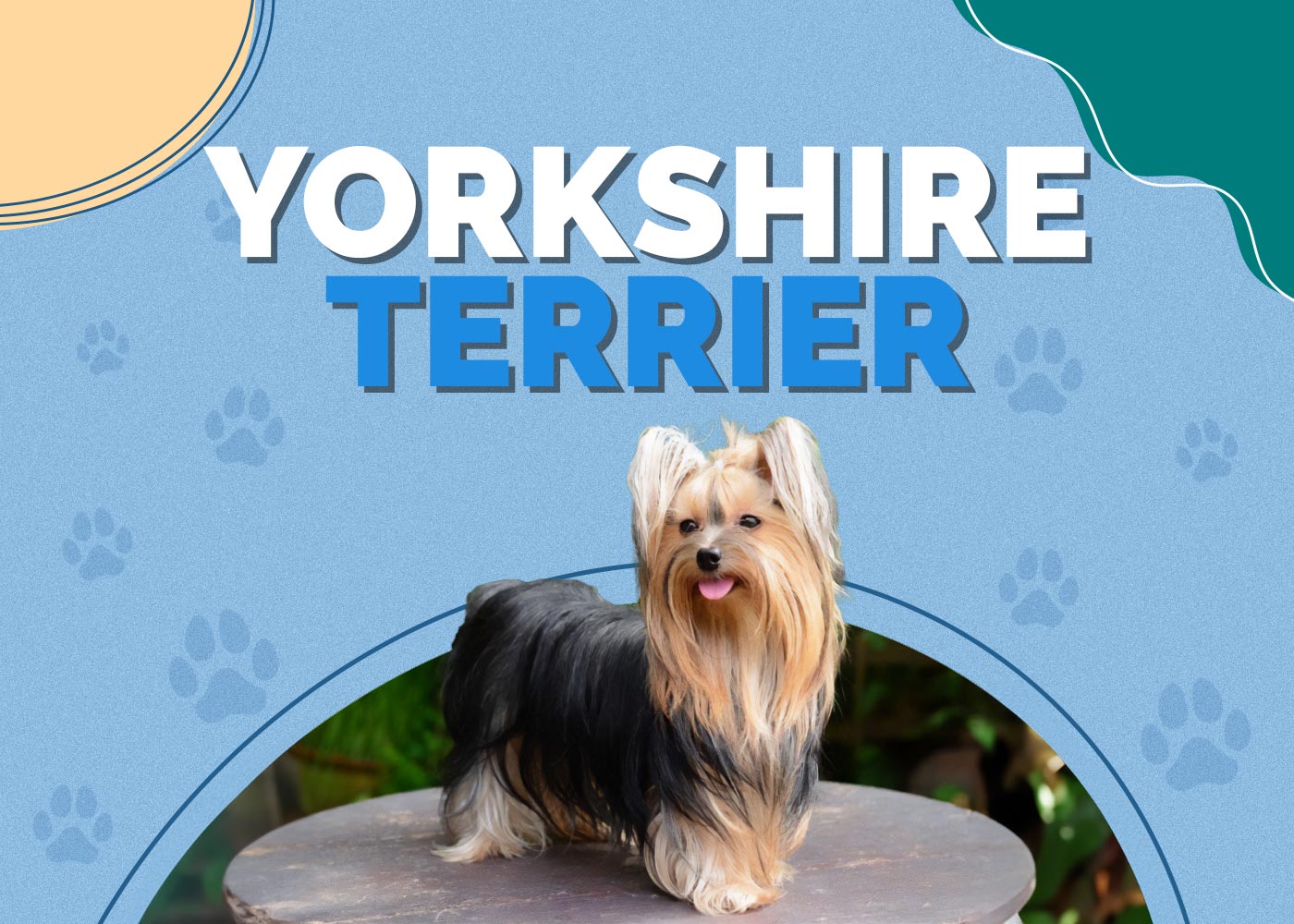
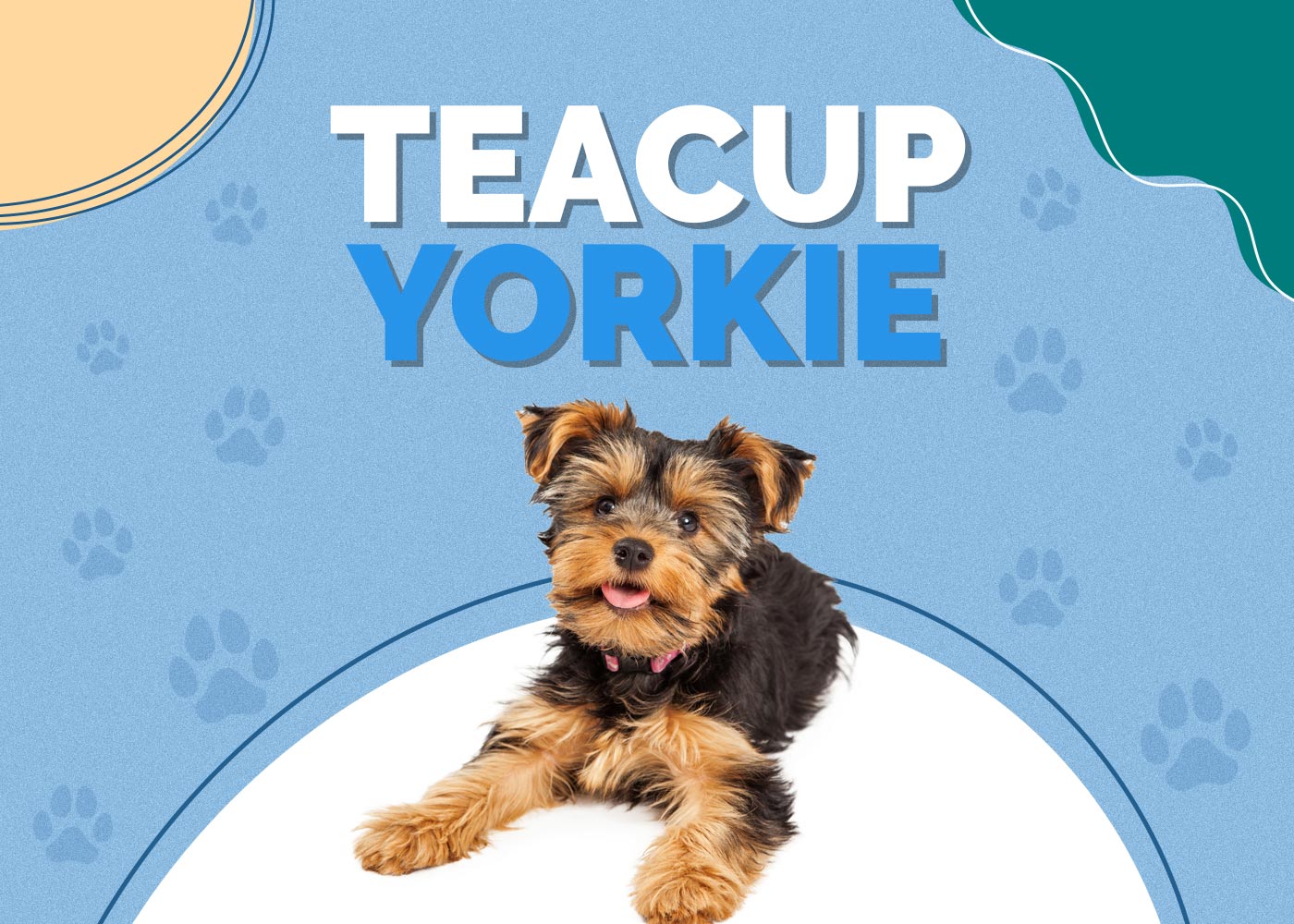
The Yorkshire Terrier, or Yorkie, is a small dog breed that is hypoallergenic and ideal for people with allergies. These dogs are energetic and playful, making them a good choice for first-time owners. This breed is intelligent but stubborn, so they’re not always easy to train. Their high energy means they can be rambunctious and require plenty of attention. Yorkies can’t be left alone for long periods because they are prone to developing separation anxiety. They also need plenty of exercise every day.
Personality / Character
The Yorkie is a dog breed that is incredibly affectionate and loyal. These dogs are great companions for elderly people who want company and can depend on the Yorkie’s loyalty. Since the Yorkie requires daily exercise, they can also motivate people to maintain an active lifestyle.
If you don’t keep up with a Yorkie, they will be happy to find alternative activities to occupy themselves and avoid boredom. This will likely be something that you find less than ideal, like chewing shoes or furniture. This is why it’s important to keep this dog breed mentally stimulated through training, walks, and play sessions.
This dog breed is prone to separation anxiety and doesn’t do well when left alone for long periods of time. They do best in a household where someone is home for most of the day.
Training
Yorkies are intelligent but stubborn. This means they can be a challenge to train. These dogs don’t respond well to punishment but do well with positive reinforcement training techniques. Their challenging nature means they’re not ideal pets for first-time dog owners who lack training experience. However, if you are willing to put in the time and effort to train a Yorkie puppy, there is no reason that you can’t do so with help.

Health & Care
Yorkies are prone to several health problems and genetic conditions. If you are adopting a Yorkie puppy from a breeder, the presence or absence of these conditions should be confirmed before bringing your pup home. They can include:
- Hypoglycemia — This is a preventable condition common in toy breeds like the Yorkie. It most often occurs due to dehydration or a lack of adequate food intake.
- Periodontal disease — Yorkies have small jaws that can lead to teeth overcrowding. Regular dental care can prevent long-term problems.
- Legg-Calve-Perthes disease — This is a condition affecting the hip joint, where the top of the femur bone degrades and dies.
- Retinal Dysplasia — This is a genetic condition that involves a retina malformation and can lead to blindness.
- Luxating Patella — This is a genetic issue that causes dislocation of the kneecap.
- Collapsed Trachea — This is a life-threatening condition caused by disease, tissue weakness, or a genetic predisposition. It can be exacerbated by dogs pulling on their collar, so it’s recommended that Yorkies always be walked in a harness.
- Liver Shunt — A liver shunt is a birth defect that affects a dog’s ability to thrive. Most puppies born with this condition will require surgery.
- Pancreatitis — This common Yorkie illness is caused by a diet too high in fat.
Suitable for:
If you’re looking for a small dog that is active, loyal, low maintenance, and quiet, the Yorkshire Terrier is the breed for you. These dogs are suitable for singles or families and are well adapted to most living situations, especially since they are tiny and don’t need much space.
Pros and Cons of Owning a Yorkie
Pros
- They are small non-shedding dogs.
- They are well suited to apartment living.
- They provide loyal companionship.
- They get along well with children and other animals.
Cons
- Yorkies are known to be active, so they require plenty of daily exercise.
- Yorkies are prone to separation anxiety and can’t be alone for long periods of time.
- They are stubborn and can be difficult to train.
- They require mental stimulation to stay out of trouble.
Toy Poodle vs. Yorkie: Side-by-Side Comparison
Breed Overview
Grooming:
Lifespan:
Size:
Shedding:
Price:
Temperament:
Country of origin:
Good With Kids?:
Ideal Home:
Intelligence:
Trainability:
Barking:
Exercise Needs:
Health Issues:
Behavior Concerns:
Popularity:

Which Breed Is Right for You?
Now that you know the differences between a Toy Poodle and a Yorkie, it’s time to consider which breed is right for you. Your lifestyle and family dynamics are important factors in deciding which breed of dog is the best fit. You should also consider your own personality and those of your family members. Consider how much time each person in your household can spare to take care of the dog and how much space there is in your home to accommodate an animal.
A Yorkie might be a good fit if you live alone or with other people who are home most of the time but enjoy an active lifestyle. However, if you work for a good portion of the day and the dog will have to be alone, a Toy Poodle is a better option. Both dogs are hypoallergenic, and they are both loyal and affectionate. Toy Poodles have more grooming requirements than Yorkies, but they are easier to train. Yorkies require intensive training but are slightly easier to care for.
See Also:
Sources
Featured Image Credit: (L) Lim Teaw Teong, Shutterstock | (R) Ramiro Pianarosa, Unsplash
Get Hepper In Your Inbox


Pet care tips from our vets and experts, straight to your inbox.
You may opt-out at any time. View our Privacy Policy for more information.

Chelsie is a freelance writer who is passionate about helping pet owners and beloved animals live their best lives. She lives in rural Alberta, Canada with her husband and two sons. She is also currently a pet parent to four horses, four cats, and a border collie.
Join the conversation
Ask a question, share your story, or send private feedback.