Hepper is reader-supported. When you buy via links on our site, we may earn an affiliate commission at no cost to you. Learn more.
How To Run With Your Dog: 12 Tips For the Perfect Jogging Partner

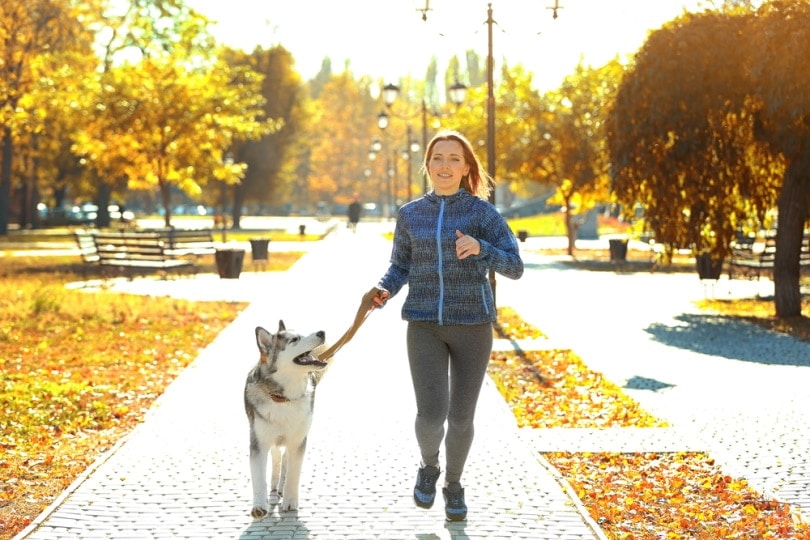
Running with your dog can be a great way for you both to get exercise while spending some quality time together. It can also turn out to be a tangled mess of dog leash and legs culminating in stress and physical injury. Below are 12 tips that should make it easier for you to successfully start running with your dog.

The 12 Tips For How To Run With Your Dog
1. Prep Your Gear
It isn’t just a case of throwing your dog’s leash on and running out of the front door. Once you’ve made the decision that you want to start running with your dog, you need to prepare. As well as making sure you have the right running gear for you, you will need equipment for your dog.
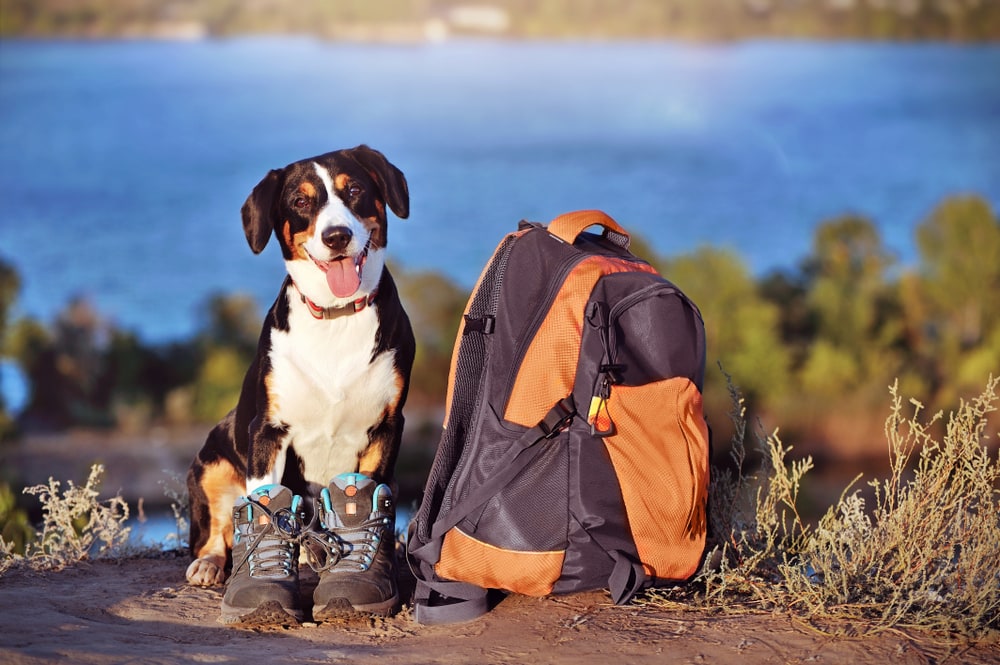
Ensure that you have an appropriate leash. The motion of running demands that you will likely need a longer leash than when walking. You may need a harness, too, especially if your dog doesn’t naturally take to running alongside you. If you’re running near roads, get a reflective dog jacket, and always ensure that you have a dog water bottle or portable bowl so that you can ensure good hydration.
2. Time It Right
Consider what time of year it is, how hot it gets outdoors, and when is the best time. A run that normally takes you 30 minutes could take longer with a dog beside you, especially in the early days of your new regimen. Avoid peak hot and cold times of day but try to pick a time that you can commit to regularly.
3. Train to Heel
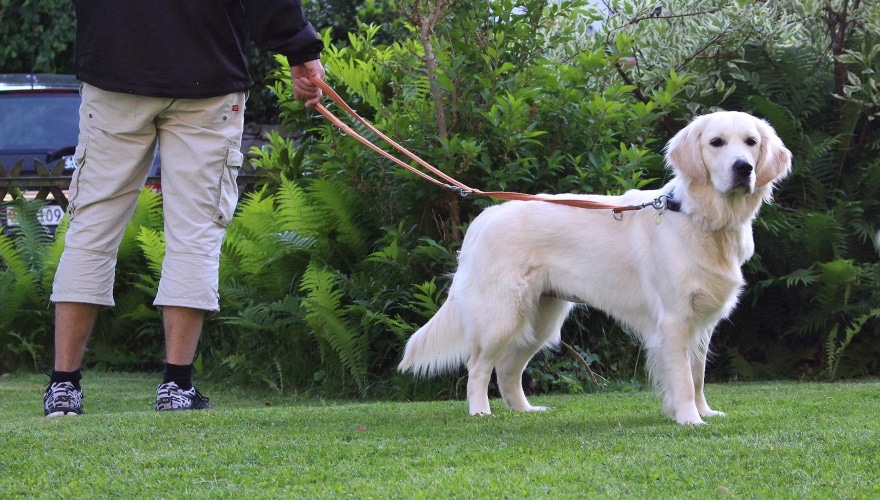
Before you start running, you need to be confident that your dog will run at least somewhere near your side. Some dogs get excited when you run with them and start bouncing around in front of you. Others take it as a sign to run as fast as they can in any direction. Start by training your dog to heel. You might still struggle to command this level of discipline on your first few runs but it sets the groundwork.
4. Train Directional Cues
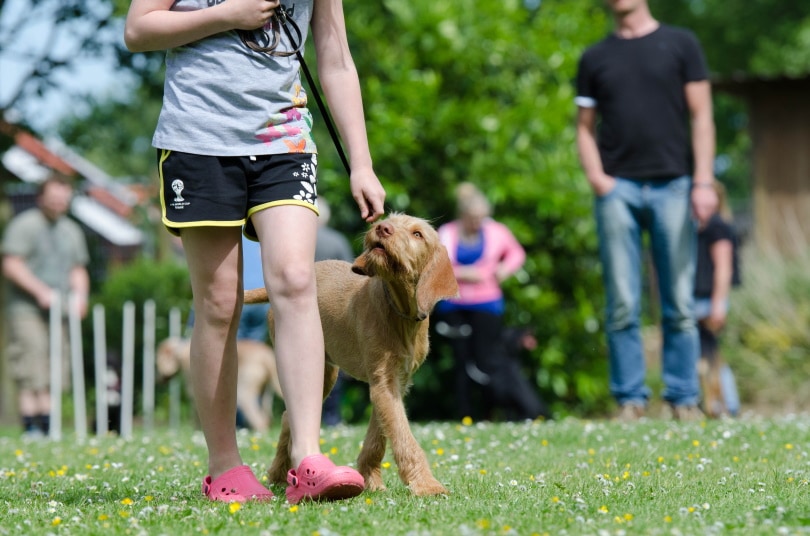
Directional cues include commands like faster, slower, and, most importantly, stop. Such cues are especially important with dogs that lead the way, and they allow you to control the tempo and direction of the run while keeping you both safe and free from trouble. It is best to teach these cues when walking and when you’re both calm, rather than when running and trying something new.
5. Start Slowly
Not all dogs are made for running, and certainly not for taking on 10K road races. Start with a short run and be prepared for the fact that your dog’s stamina levels may not be as good as yours if you’re a seasoned runner and your dog is a seasoned loafer. You will need to build your dog’s stamina levels up over time. Start with a mile, or maybe even half a mile for a small dog that isn’t trained yet, and build up gradually.

6. Plan Your Route
Plan your route carefully. If you run past schools or playgrounds, try to avoid times when there are lots of kids. At best, you will have to stop while everybody says hello, and at worst, the trailing leash will take out a row of schoolchildren. Also, consider rush hour and busy roads. Some dogs can find it difficult to run alongside moving cars without getting stressed so if your entire run isn’t on a park or beach, you need to avoid large volumes of traffic.
7. Follow Your Dog’s Lead
To an extent, you can let your dog lead the run. Let them determine the pace unless it’s equivalent to cat chasing pace, and use your directional cues to give them guidance on where and how fast they should be taking you. By letting your dog dictate the tempo, you can ensure that they enjoy the exercise and are getting as much out of it as you are.

8. Rest
We humans are encouraged to take rest days because it gives the body chance to recover and enables us to come back stronger and raring to go. The same is true of your dog, especially in the beginning. Even some of the fittest and most eager dogs, like Weimaraners, need a day off every now and then to recharge their batteries. Start by running two or three days a week, and once you’re sure your dog can handle this amount of fast-paced exercise, you can increase it a little.
9. Get Into A Routine
Dogs love routine, and this is true of their walks, as well as their dinnertime. It will also be true of running time. If you can set a routine, say at 8 in the morning or 7 in the evening, your dog will naturally gear up ready for the physical charge. They will anticipate the run, might get excited about it, and it enables you both to get into the habit of getting out and jogging.
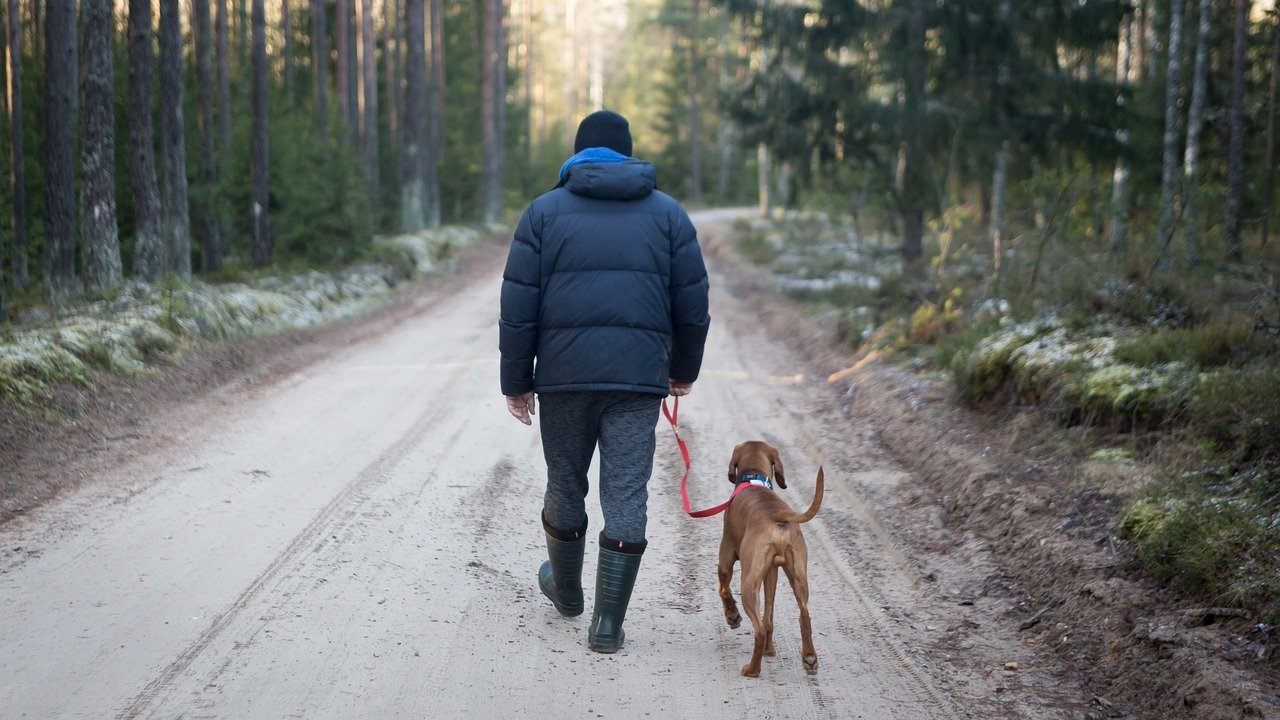
10. Don’t Push Too Hard
Running with your dog is a good way of getting fit and ensuring you get regular exercise, but that shouldn’t come at the expense of your dog’s physical or physiological health, so don’t push them too hard. Look for signs of your dog tiring, such as excessive panting.
A total refusal to run any further is another good sign that your pup has had enough. Initially, you might want to run around a fairly local block because, if your dog gets overly tired, you might find yourself limping back home (figuratively) or even having to carry them.
11. Hydrate
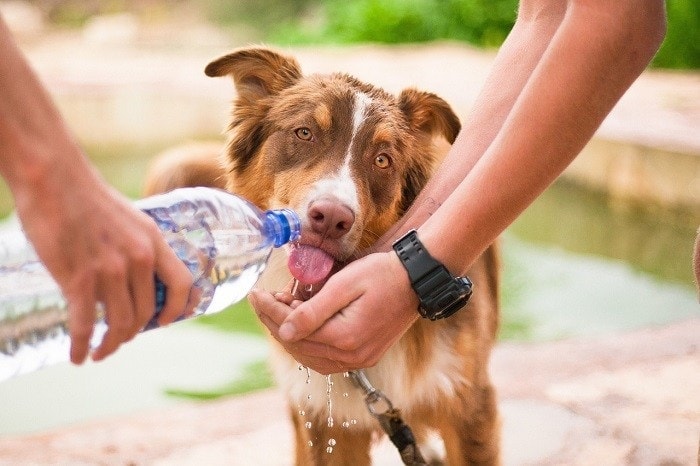
Hydration is very important. As well as your own water bottle, take one for your dog, and have an occasional break to ensure that they get some water. Don’t let them drink too much too quickly, though, or it may cause vomiting. Also make sure your dog has a full bowl of clean water ready when they get home because they will need to rehydrate afterwards.
12. Clean Up
By clean up, we not only mean clean up any mess your dog makes, which should go without saying, but also clean up your dog. Even if they didn’t roll in fox poo, running through fields and puddles will mean they get dirty, and it will be a lot easier on everybody if you clean them up before you get in the house.
Your dog may appreciate having the hose turned on them, gently, to help them cool down and to soothe their aching muscles at the end of a run.
Conclusion
Running with your dog is a great form of exercise for the both of you, and it can be a fun way to spend time with your canine companion, but it does take practice and you should build up to any major running events. Get the gear, train some basic commands, and then start slowly before building up to bigger runs, and do plan your route and the time of day that you go running. Hydrate, clean up, and, above all else, ensure that you’re both enjoying putting the miles in.
See also:
Featured Image Credit: Sergey Nivens, Shutterstock
Get Hepper In Your Inbox


Pet care tips from our vets and experts, straight to your inbox.
You may opt-out at any time. View our Privacy Policy for more information.

Nicole is a lover of animals of all sizes but is especially fascinated with the feline variety. She’s the proud mom of Baby, a Burmese, and works every day so he can relax in the sunshine or by the fire. She’s always had a cat in her home and has spent countless days with others, observing behaviors and softening up even the grouchiest of the lot. Nicole wants to share her kitty expertise with you so you and your cat can live happy, healthy, and care-free.
Join the conversation
Ask a question, share your story, or send private feedback.