Hepper is reader-supported. When you buy via links on our site, we may earn an affiliate commission at no cost to you. Learn more.
The 2 Types of Siamese Cats (With Info & Pictures)
In this article
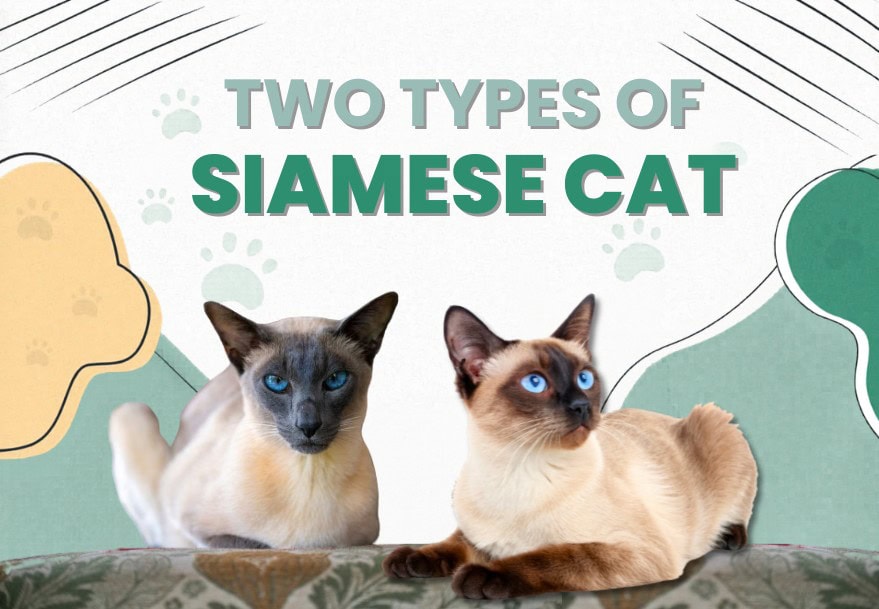
You’ve no doubt heard of a Siamese cat. Maybe you’ve seen one, maybe you serve one, and you probably have a pretty good idea of what a Siamese cat looks like. But the cat you’re picturing might be very different to what someone else would classify as being a Siamese. You can’t both be right…right?
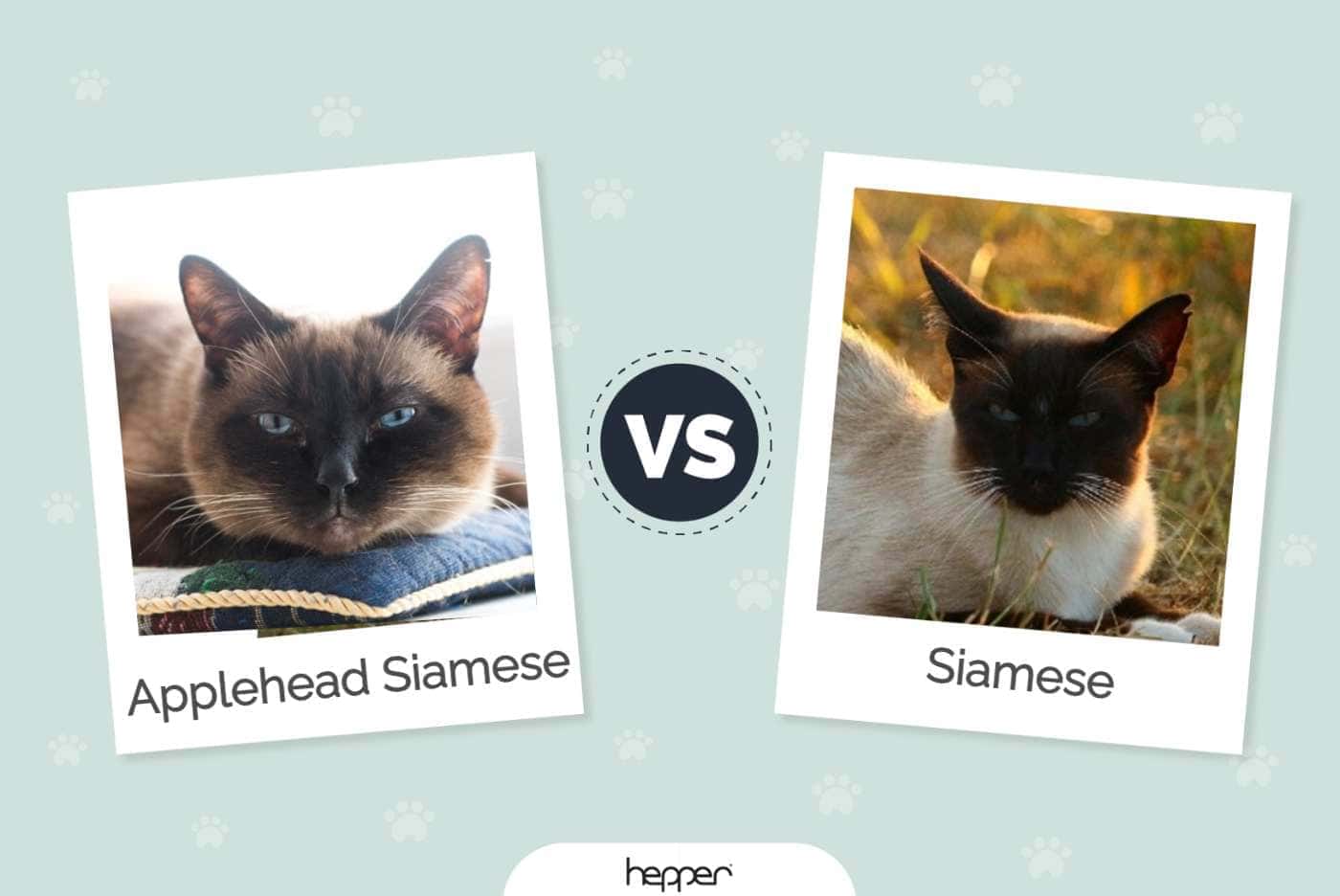
Actually, you can, because amongst the dozens of different patterns and hues for which these beautiful felines are known, there are also two distinct physical forms: the old fashioned, traditional, or ‘applehead’ Siamese, sometimes categorized as the Thai Cat (not to be confused with the Thai Cat that is descended from the Korat – so confusing!), and the more modern permutation of Siamese cat, with the elongated, wedge-shaped head and prominent bat-like ears. The lack of consensus between different cat fanciers, breeders, and feline governing bodies has made the classification of the Siamese cat somewhat confusing, particularly when we start talking about Thai cat colors! Both forms of Siamese can theoretically be found in all 32 colorways, while the Korat-derived Thai cat is only found in derivations of the Korat’s distinctive blue: lilac, lilac point, and blue point.

Siamese Cat’s History
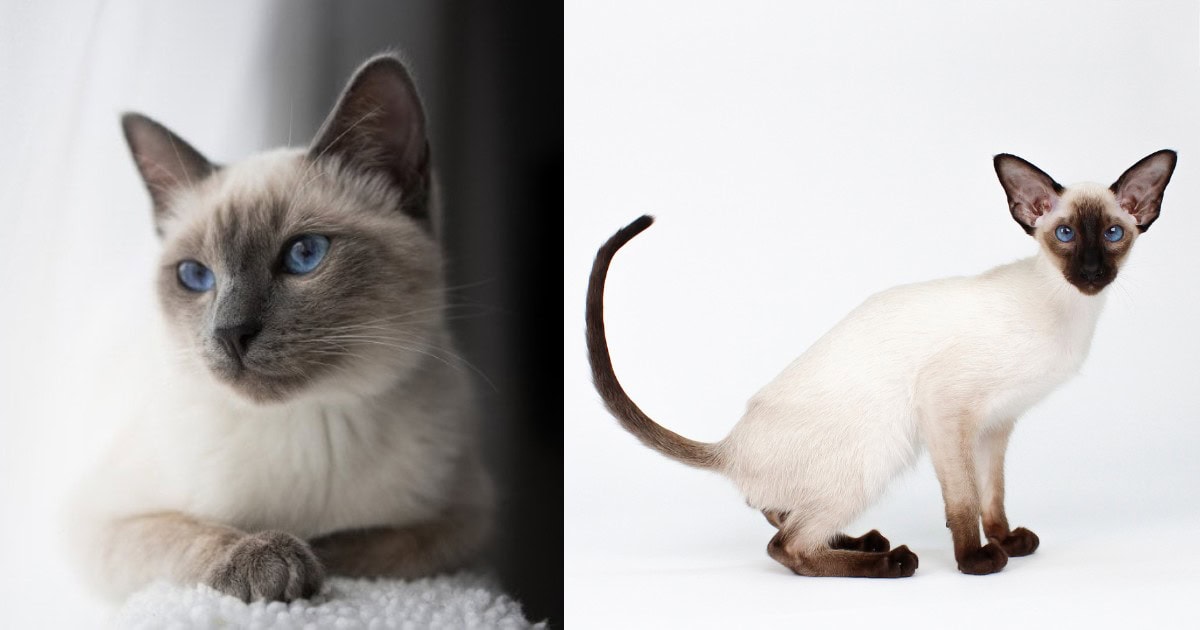
Siamese cats originated in Thailand, with “Siam” being the traditional name of the country. The breed was common among royal families, and they believed that when a member of the family passed on, the cat would receive their soul. The cat would then spend the rest of their days living a pampered life with monks.
Siamese cats first arrived in the US late in the 19th century. The First Lady Lucy Hayes, wife of President Rutherford B. Hayes, was among the earliest documented owners of a Siamese cat in the United States. It was a gift from a US diplomat working in Thailand.

1. Traditional Siamese Cats
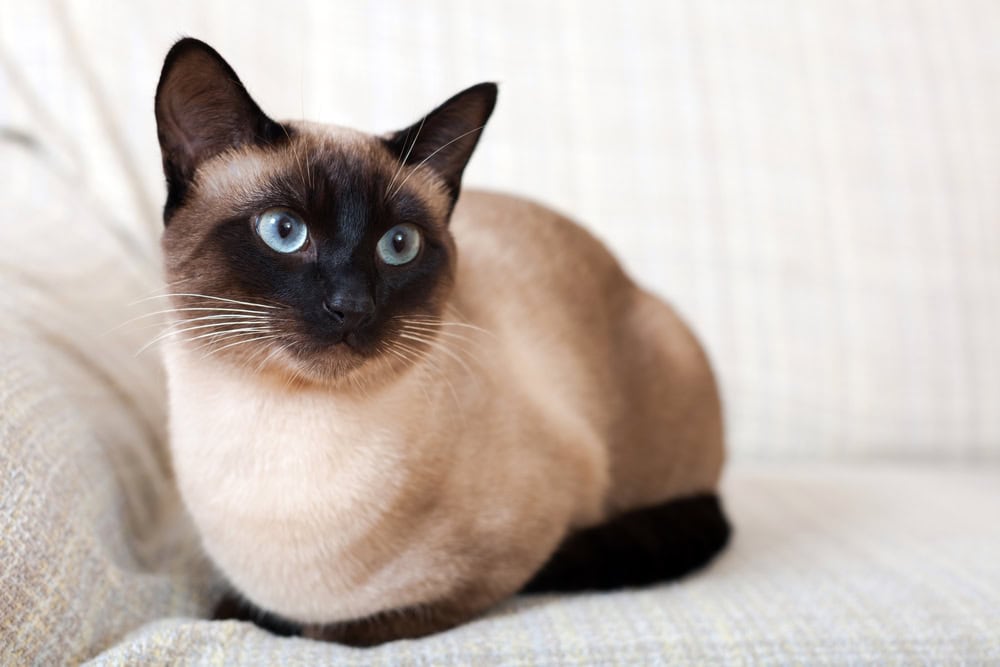
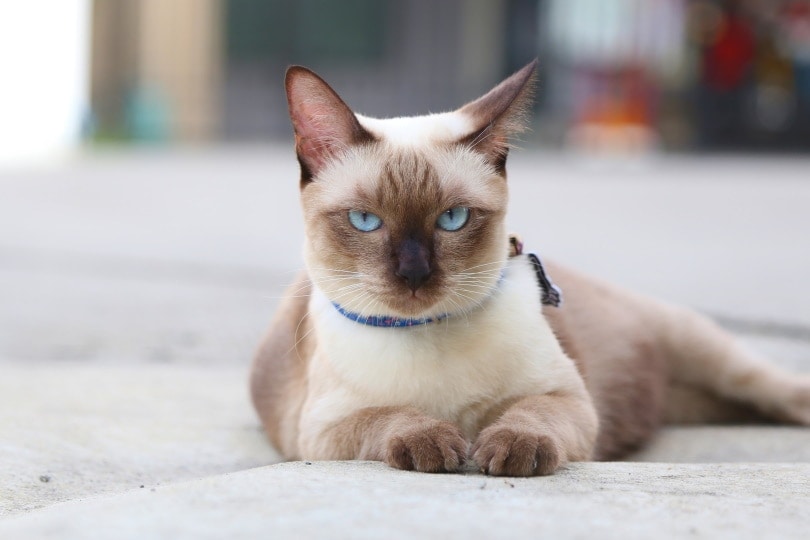
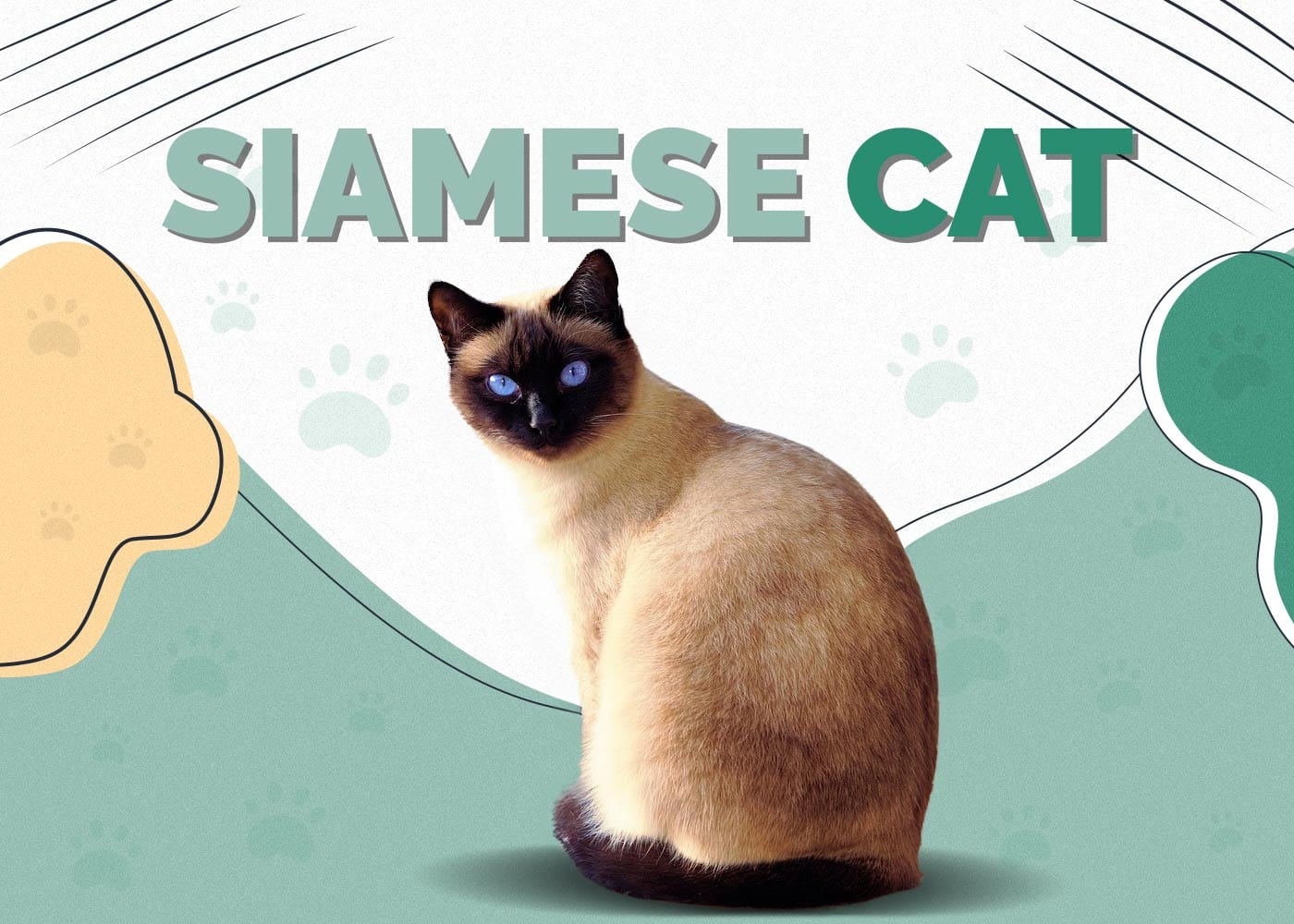
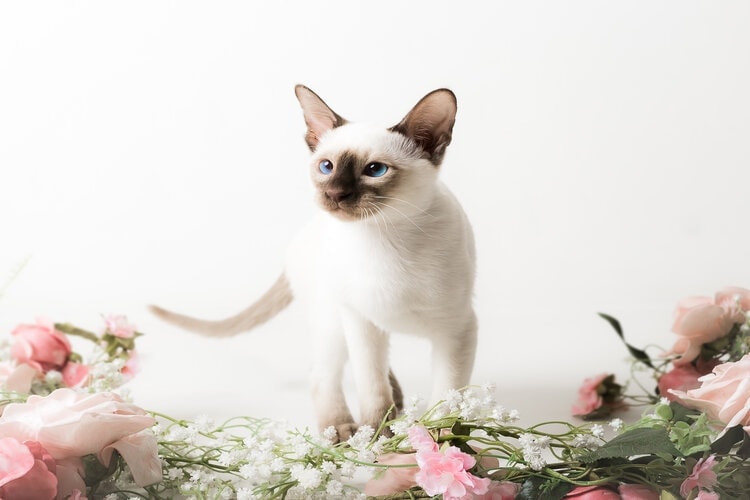
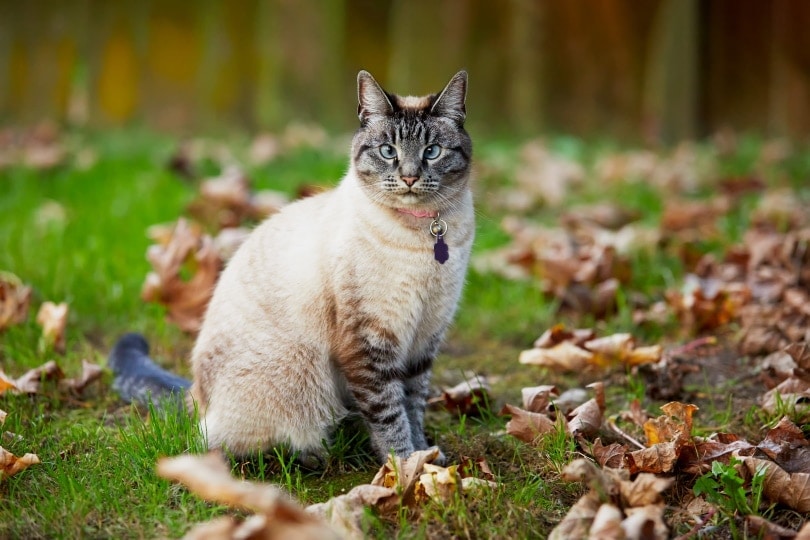
Traditional Siamese cats originated in Thailand (or Siam, as it was known until 1939), and are often described as apple-headed, classic, old-style, and Thai, but these are not officially recognized as distinct types and instead reflect variations in appearance within the breed. The traditional Siamese has features similar to most domestic cats, with rounded heads, muscular bodies, and a short coat of medium thickness. Their distinguishing features are their distinct blue eyes and colorpoint coats, which are both the result of the same genetic mutation, which affects the way in which pigment is distributed through the body.
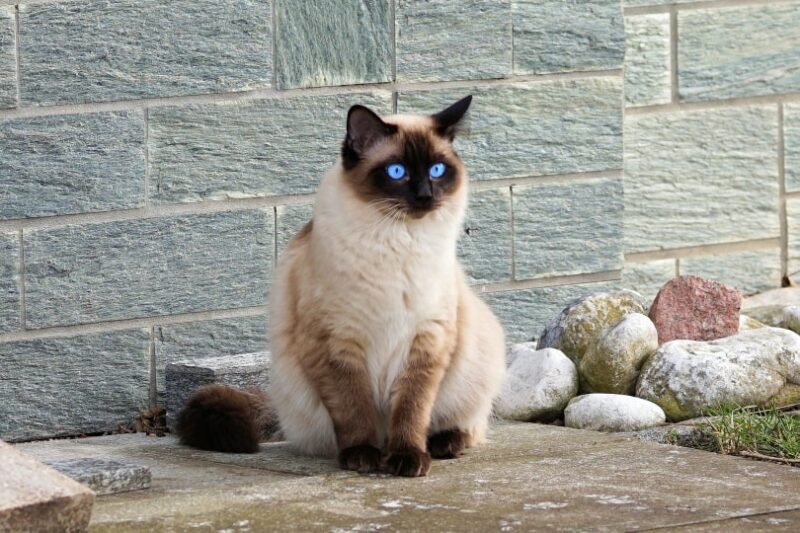
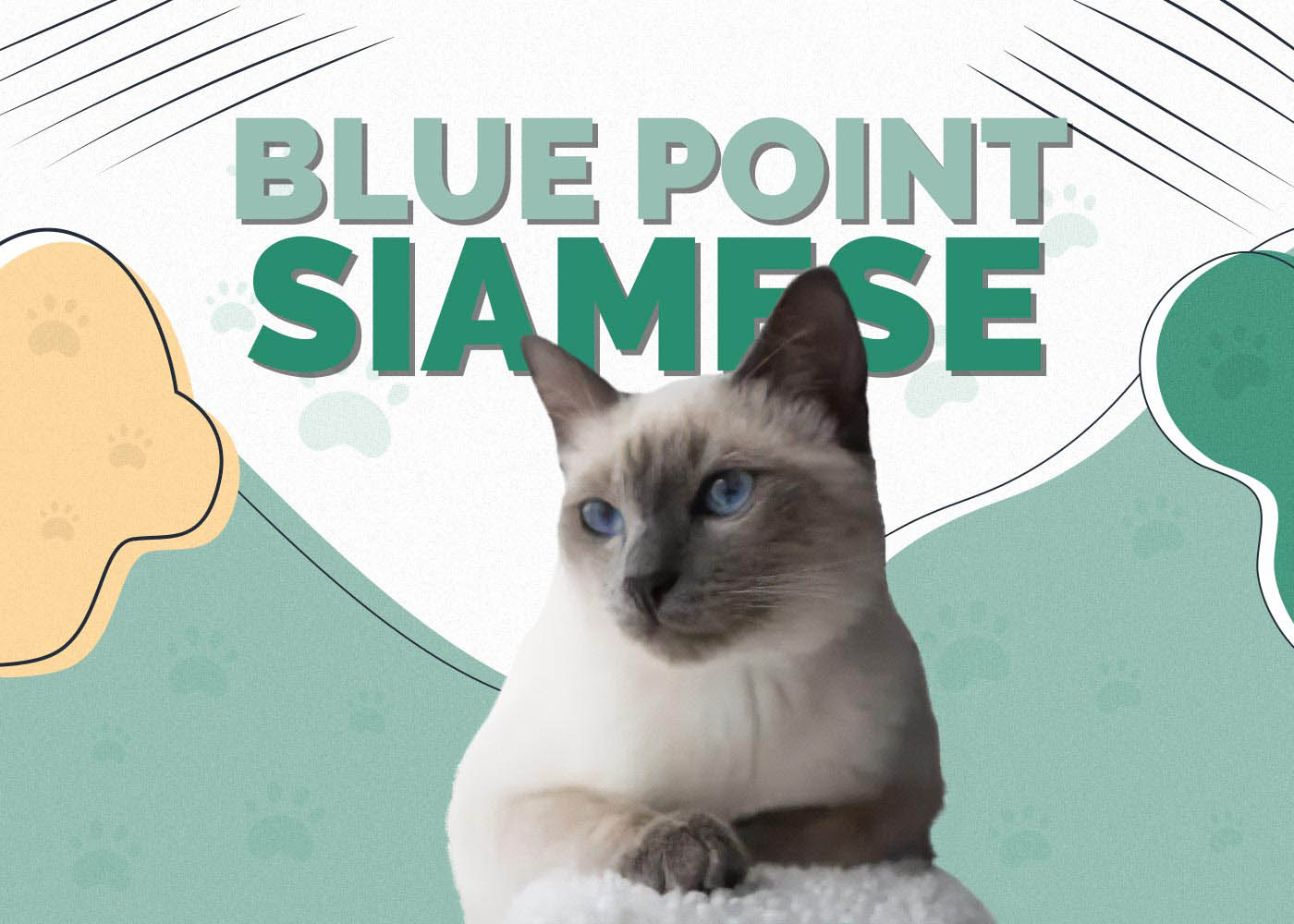
The lack of pigment or melanin in the irises gives them a dazzling, sapphire blue appearance, while the melanin distribution in the coat is defined by temperature, along with the genetic variations that control pattern and dilution. Siamese cats were originally recognized in a single color: the Seal Point Siamese. Blue Point and Chocolate Point Siamese were originally viewed as ‘poor quality’ seal points, but we now recognize that these variations are simply due to natural genetic variation in pigment expression. From there, the lilac point was soon accepted, and now there are 10 recognized solid color points in the Siamese breed, including cinnamon, caramel, fawn, apricot, red, and cream. Each of these colors can also be found in tabby points, tortie points, and tortie-tabby points!
2. Modern Siamese Cats
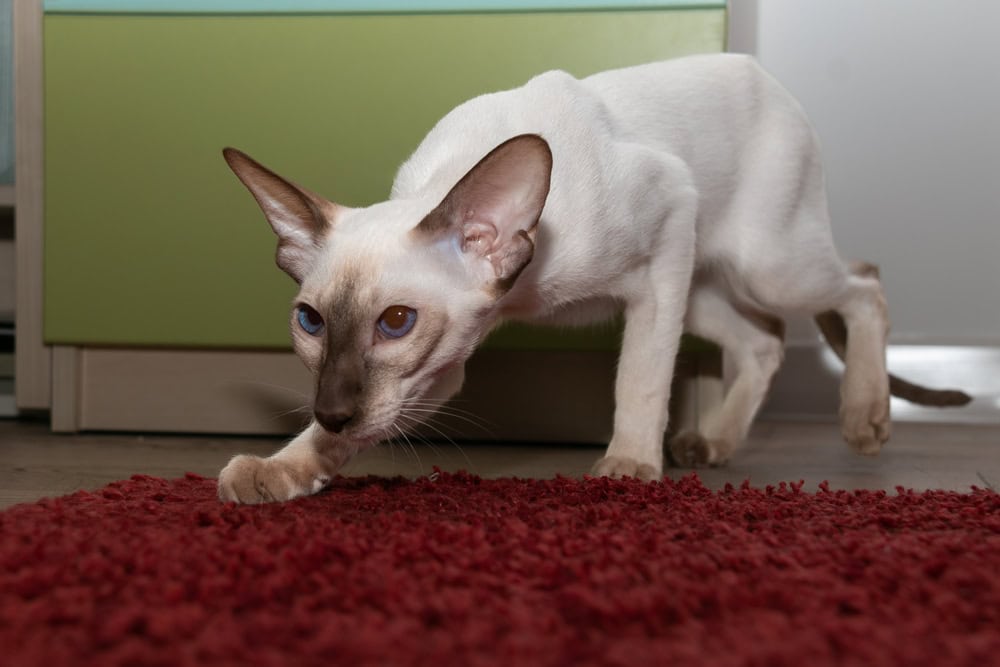
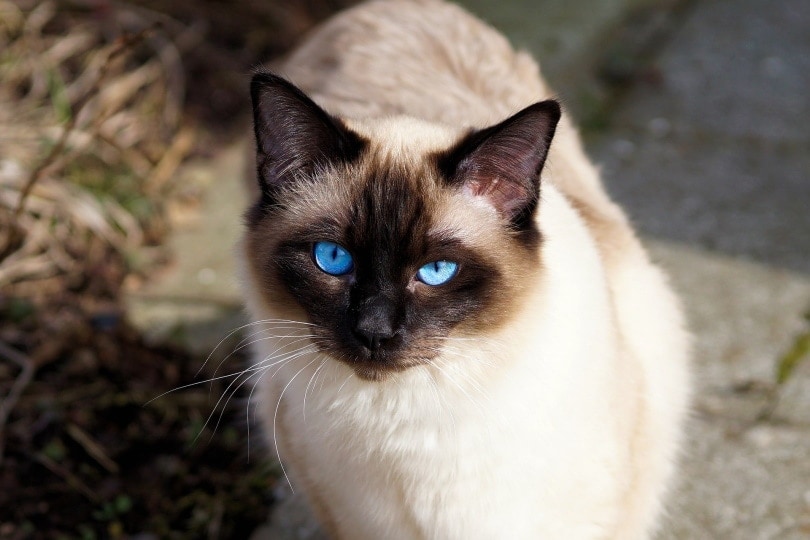
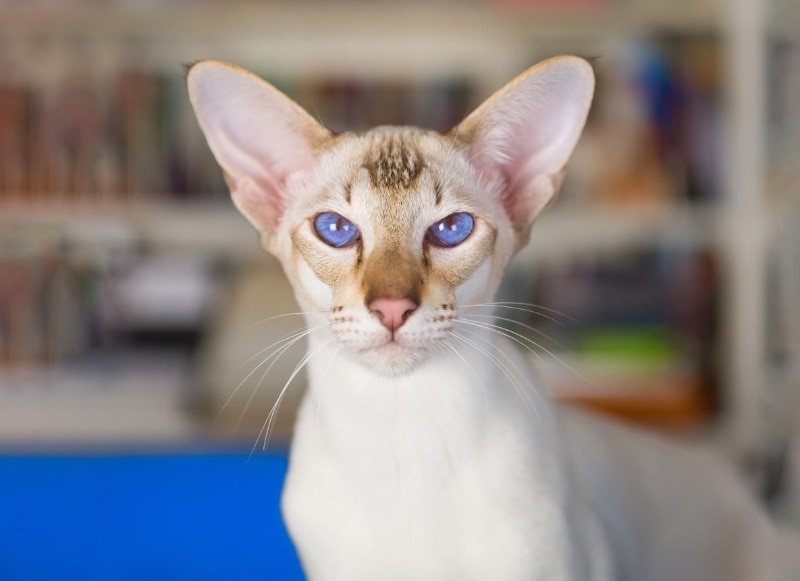
The modern Siamese is quite different from its traditional counterpart, with selective breeding focusing on creating a long, lean, svelte feline with an elongated face, prominent ears, a fine, close-lying coat, and long tail. Since being introduced to the West, Siamese cats have been regarded as a symbol of style and prestige. Although the traditional form is still valued, breeders continue to select for specific physical traits, resulting in two vastly different conformations within the breed.
When comparing the traditional and modern Siamese, it’s a wonder there hasn’t been a clearer separation of the breeds, but that is something for the cat fanciers to debate, with some classifying the modern variety as true Siamese, while others refer to this form as the Colorpoint Shorthair. The slender lines of the modern Siamese have been replicated in the colorful Oriental breed, and the colorless Foreign White (although the latter is often still classified as a Siamese).
In recent years, the features of the modern Siamese have been further amplified to the point where some no longer appear feline! More worrying is the fact that selectively breeding for more exaggerated features is increasing the risks of heritable health conditions like feline asthma, amyloidosis, eye problems, heart disease, kidney disease, and feline hyperaesthesia syndrome (FHS).
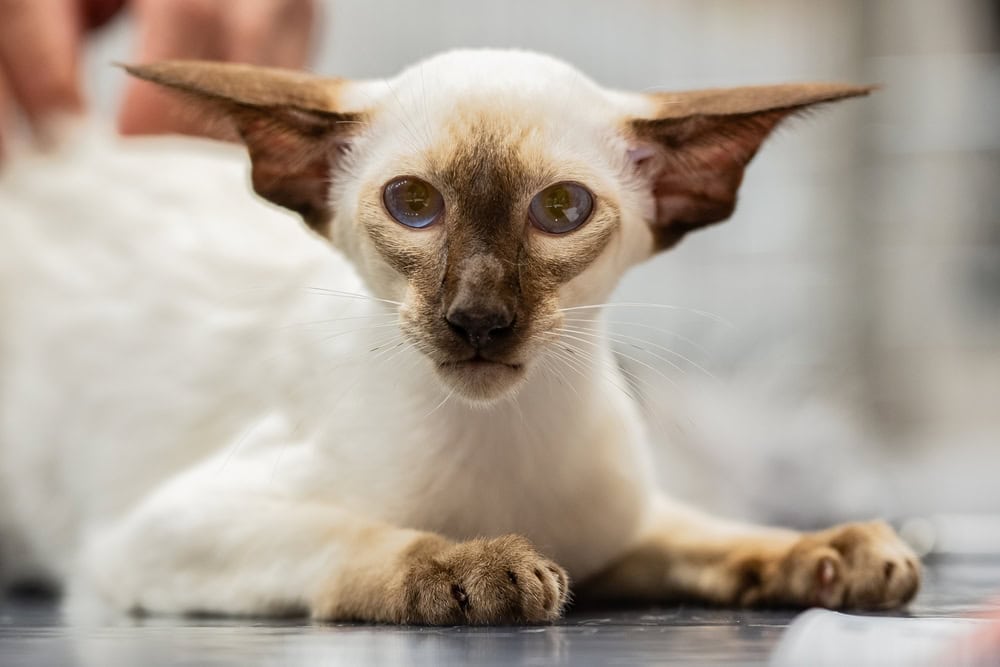
We Are Siamese If You Please
While the traditional Siamese has always been known for being social, active, and vocal, the modern Siamese, like their physical appearance, is an exaggeration of these traits! They are known to be playful, noisy, and mischievous, and their vocalizations have been compared to a baby’s cry. If you are looking for a quiet lap cat, the modern Siamese is probably not for you, but if you want a feline friend that will keep you on your toes, engage you in conversation, and make their presence known, this cat might be just what you’re looking for.
We would always recommend adopting cats in pairs, and the Siamese is no exception. The energy levels and insatiable need to be involved in everything are halved, not doubled, when you have two together, as they are able to get much of their enrichment and exercise with each other.
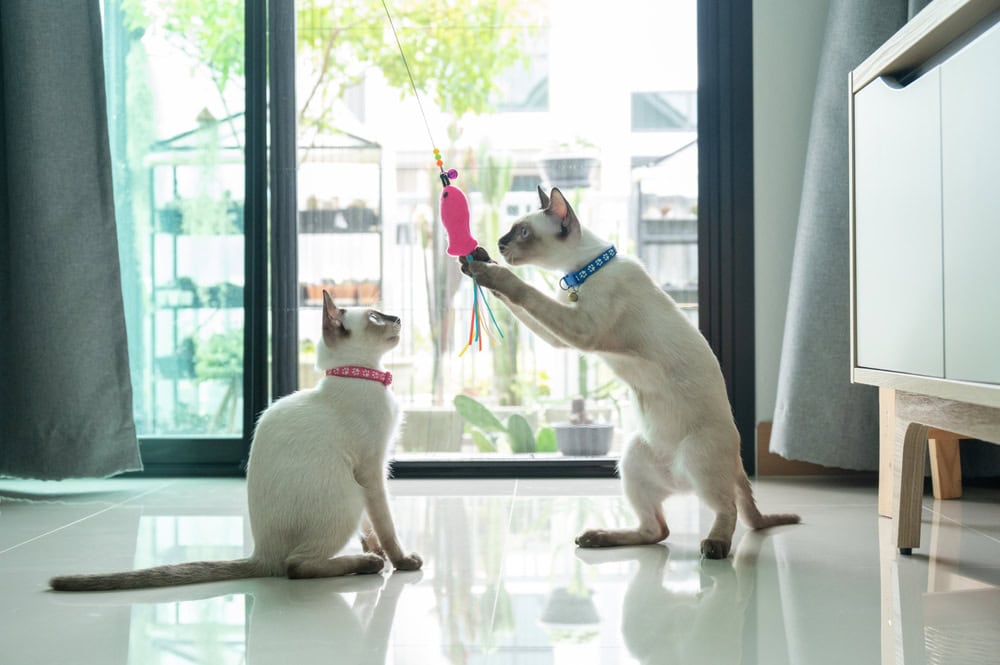
We Are NOT Siamese
The variations in color, conformation, and characteristics within the breed can often make it difficult to identify a Siamese, and there are several breeds that often get mislabelled as the blue-eyed colorpoint cats from Thailand. A true Siamese is born almost completely solid white or cream, with their color points developing as they grow. Their eyes are always blue, and their feet and tails are always pigmented as adults, never white. Below is a list of cats that may appear similar to the Siamese, but are not.
1. Snowshoe
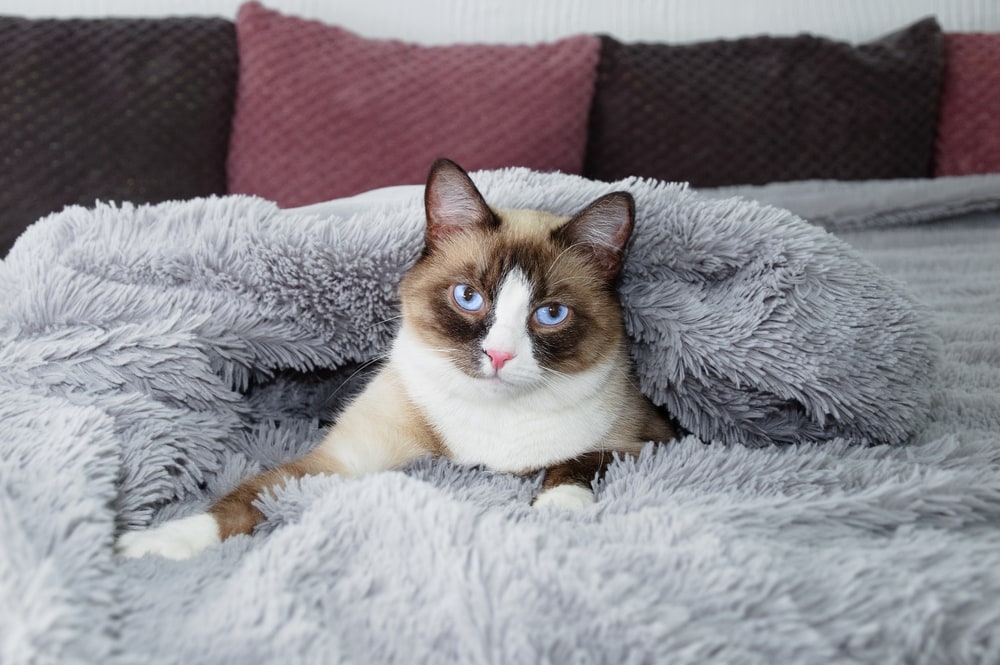
Believed to be the result of a mix between the traditional Siamese and the American Shorthair, the Snowshoe has many of the Siamese traits with a dash of white patches and paws.
2. Balinese
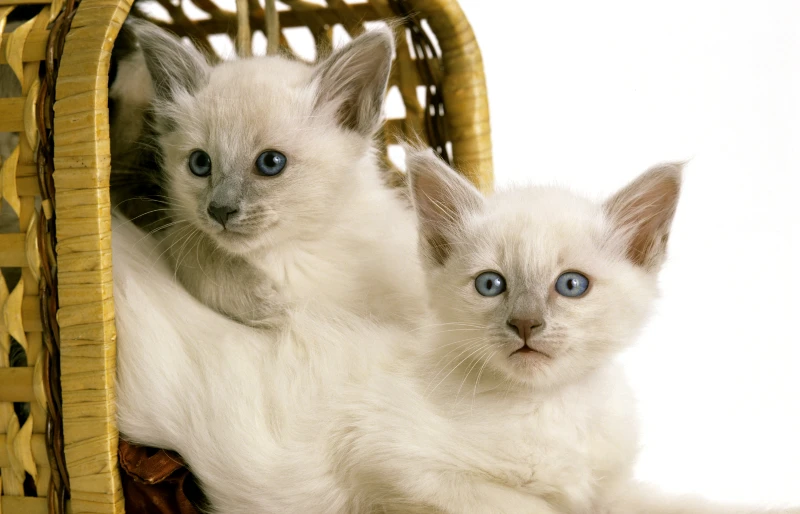
Once thought to be an undesirable long-haired mutation of the Siamese, the Balinese is now a recognized and much-loved fluffy version of the original Thai cat.
3. Javanese
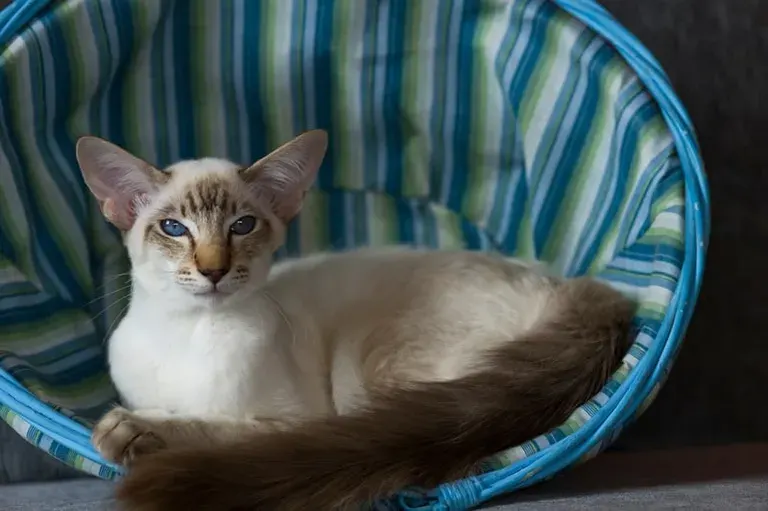
Similar to the Balinese, the Javanese is the longer haired variety of the modern Siamese, also known as a Colorpoint Longhair.
4. Himalayan
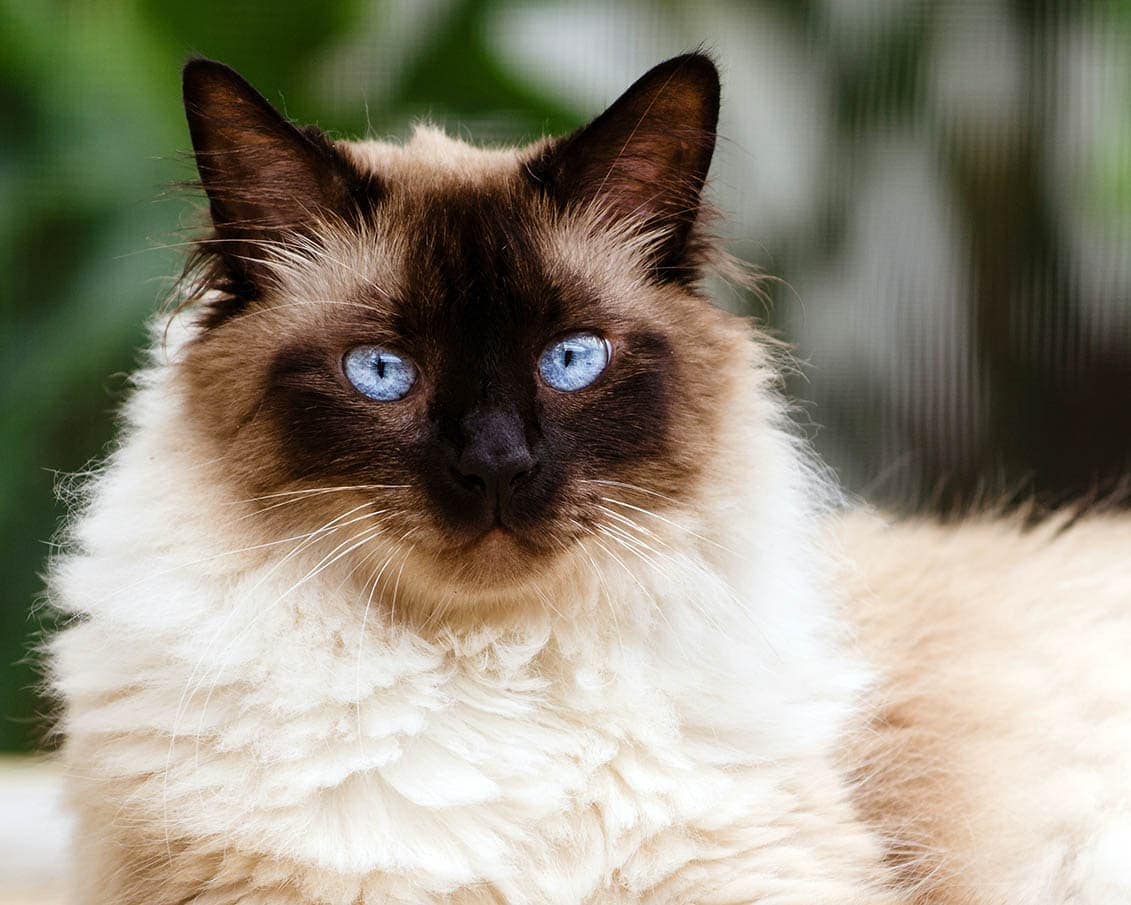
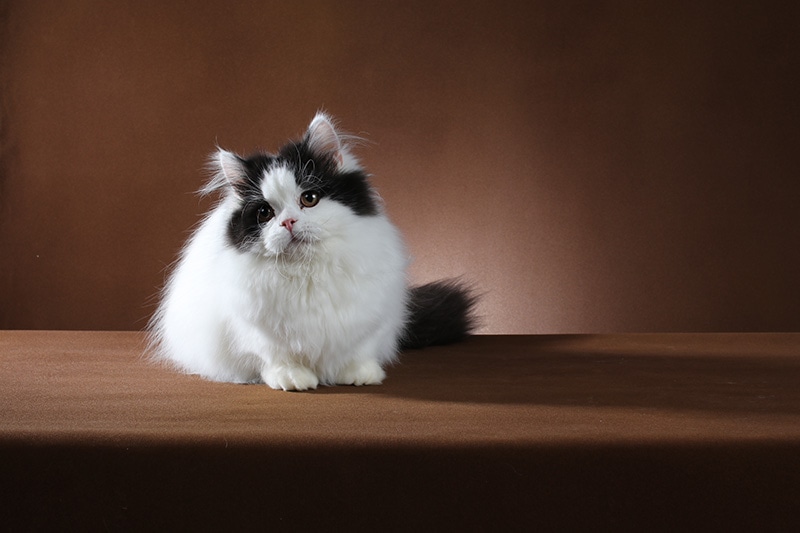
A crossing of the traditional Siamese with the Persian gives us the blue-eyed, fluffy-coated, colorpoint Himalayan. Although a very distinctive and popular cat, this hybrid is not officially recognized as a distinct breed, but as a variety of Persian cat.
5. Birman
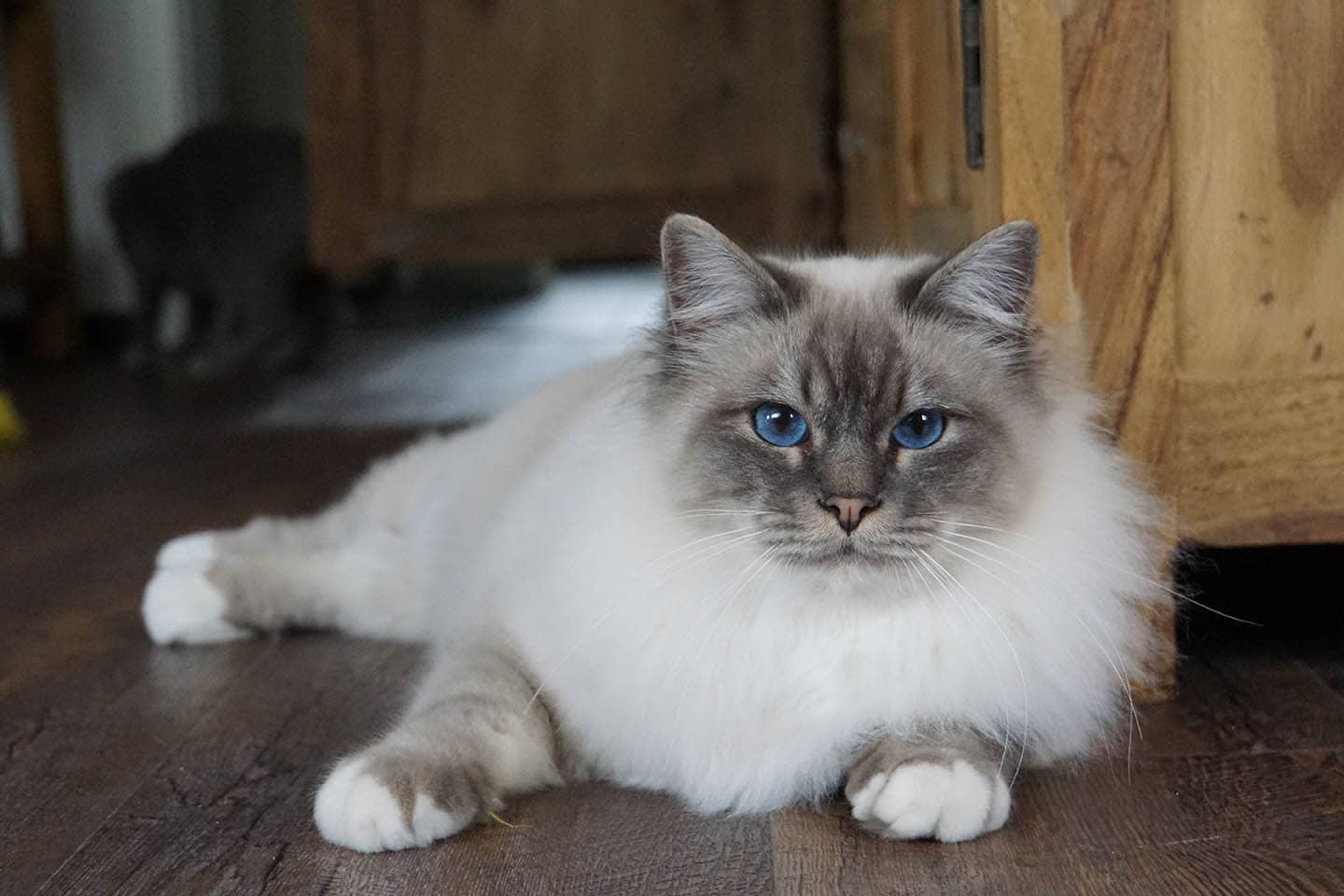
The ‘sacred cats of Burma’, the Birman brings a combination of color pointed face, limbs, and tail, with a delightfully stocky body and a rich, fluffy coat, topped off with white toes.
Conclusion
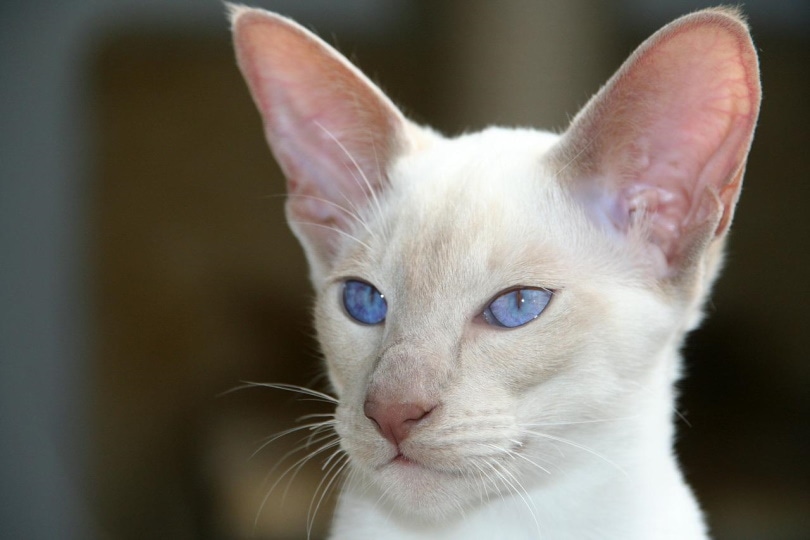
No matter which way you look at it, Siamese cats, in their varied forms, make wonderful and striking feline companions. Whether you prefer the traditional features of the apple-head or the catwalk-ready, long and lean modern Siamese, the most important thing is that you do your research, ensure you are adopting a cat from a reputable source, and that you are prepared to have your world filled with lots of laughter and noisy meows. Remember that these cats are highly social, and unless you want to be at their beck and call 24 hours a day, it’s a good idea to bring home more than one. These felines are beautiful, quirky, and make excellent pets.
Related Read:
Featured Image Credit: (Left)Cynthia A Jackson, Shutterstock; (Right) Waqas WH, Shutterstock
Get Hepper In Your Inbox


Pet care tips from our vets and experts, straight to your inbox.
You may opt-out at any time. View our Privacy Policy for more information.

Nicole is a lover of animals of all sizes but is especially fascinated with the feline variety. She’s the proud mom of Baby, a Burmese, and works every day so he can relax in the sunshine or by the fire. She’s always had a cat in her home and has spent countless days with others, observing behaviors and softening up even the grouchiest of the lot. Nicole wants to share her kitty expertise with you so you and your cat can live happy, healthy, and care-free.
Join the conversation
Ask a question, share your story, or send private feedback.