Hepper is reader-supported. When you buy via links on our site, we may earn an affiliate commission at no cost to you. Learn more.
What Flowers Can Tortoises Eat? 10 Vet-Reviewed Edible Plants


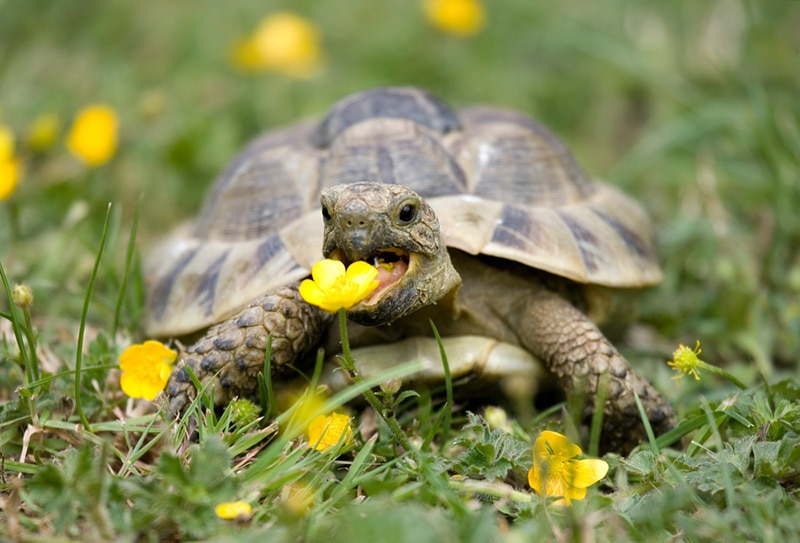
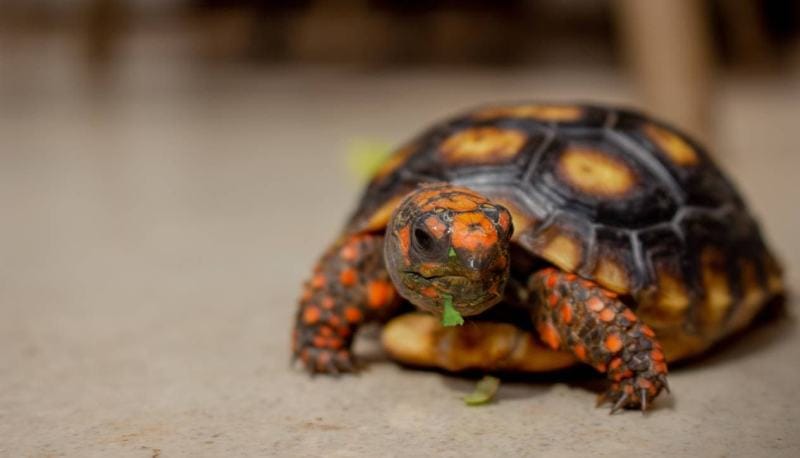
If you live in a warm climate, you may be able to house your pet Tortoise outside. Tortoises are herbivores who need to eat various plants to stay healthy. Outdoor Tortoises will happily forage for their food in your yard, but you have to ensure they only have access to safe foliage. If you’re curious which flowers Tortoises can eat, here are 10 edible plants they love.

Top 10 Flowers Tortoises Can Eat
1. Dandelion
| Plant type: | Common weed |
| Edible parts: | Leaves, flowers, roots |
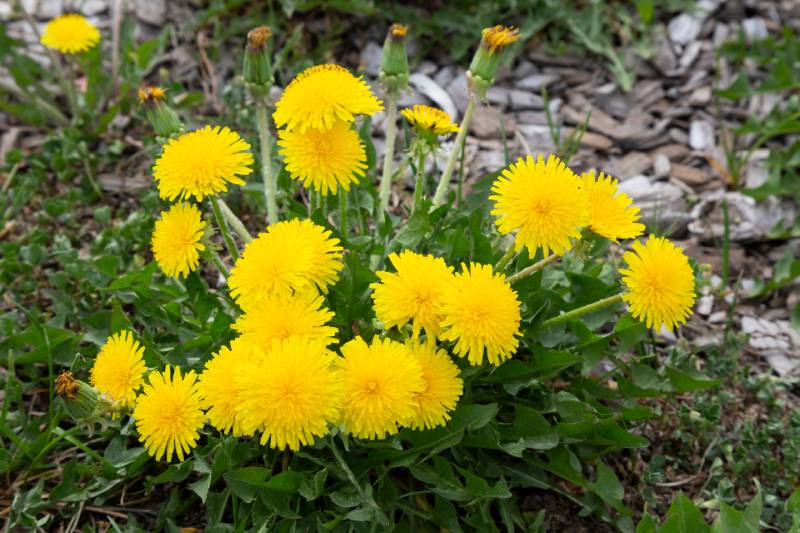
Most gardeners consider Dandelions one of the most obnoxious weeds, but they are perfect for your Tortoise. Tortoises can snack on all parts of the plants, making them a tasty treat anytime. If your yard is Tortoise-safe, your pet can roam and keep the stubborn weed at bay. Those who prefer to keep their lawn Dandelion-free could consider growing a container of flowers instead. You can cut flowers and greens for your Tortoise to eat or pull the whole plant out by the roots.
2. Geranium
| Plant type: | Cultivated plant |
| Edible parts: | Leaves, flowers |
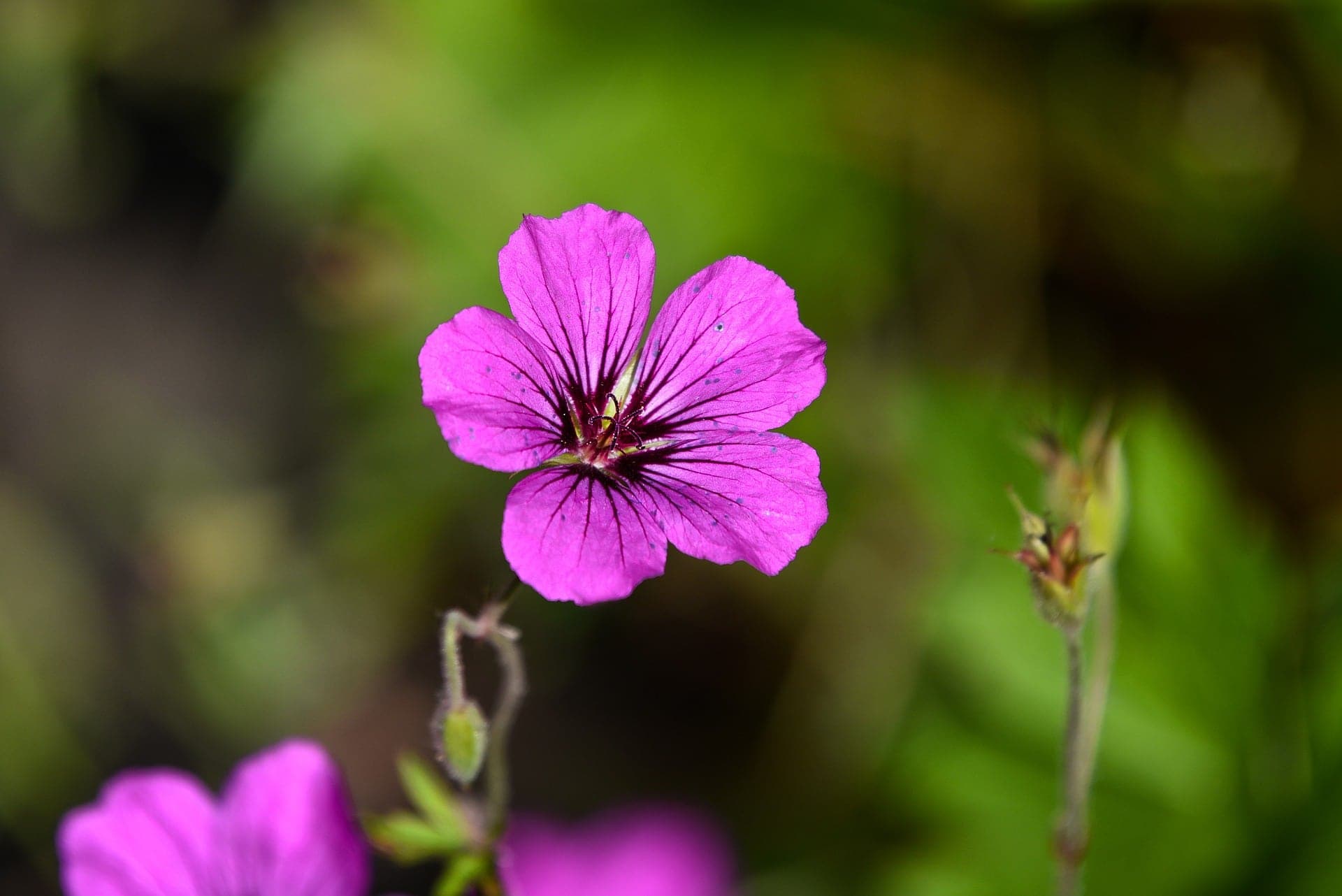
Geraniums are popular annuals that can be grown in beds or containers. The colorful flowers bloom from summer to frost but live longer in warm climates. This plant does best in full sun. Look for geraniums of the Pelargonium species, which are not true “Geraniums” despite the common name. Reportedly, scented Geraniums are tastier than other varieties, but your Tortoise’s tastes may vary. They can snack on the leaves and flowers of this edible plant. Consider planting some in a sunny corner of your outdoor Tortoise’s enclosure.
3. Rose
| Plant type: | Cultivated plant |
| Edible parts: | Flowers |
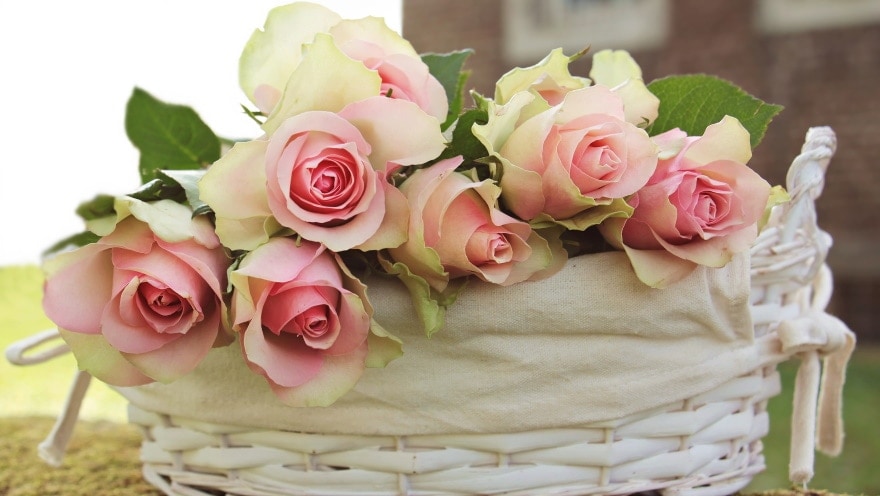
As one of the most well-known and loved garden blooms, rose flowers are also edible for Tortoises. Rather than letting your Tortoise graze at will on these thorny plants, feed your pet cut and trimmed blooms. Countless varieties of roses are available, but some are easier to grow than others. Make sure you know which type of soil and sun coverage you have available before planting roses. Some of the “tastiest” varieties take up a lot of space, and you may need to offer your Tortoise different options.
4. Hibiscus
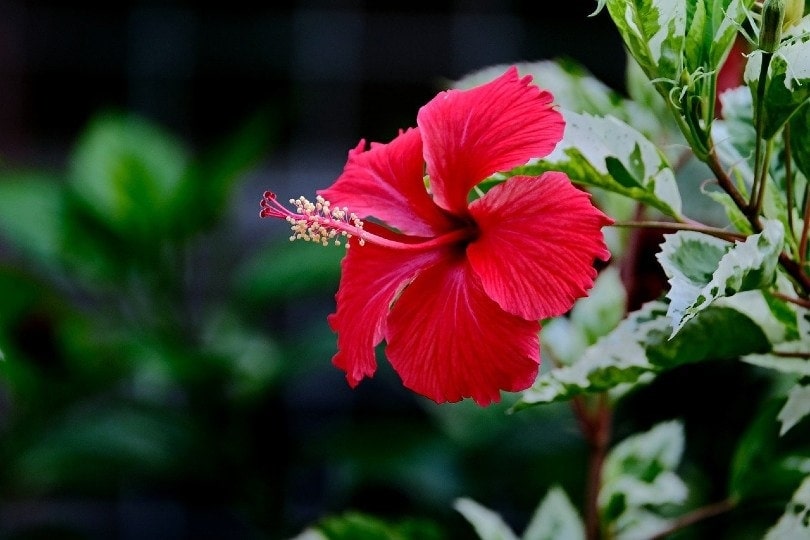
| Plant type: | Tree/shrub |
| Edible parts: | Leaves, flowers |
Gorgeous Hibiscus flowers are another favorite edible plant for your Tortoise. Tropical Hibiscus and Blue Hibiscus are two of the best options for Tortoises to eat. In warm climates, these shrubs grow as perennials. Tropical Hibiscus can reach 15 feet high but will not survive temperatures below 30 degrees Fahrenheit. If your Tortoise develops a taste for these flowers, you can still grow them as an annual planting. Blue Hibiscus is a good choice for dry climates because it is drought-tolerant. It’s also smaller, reaching 5–8 feet when fully grown.
5. Daylily
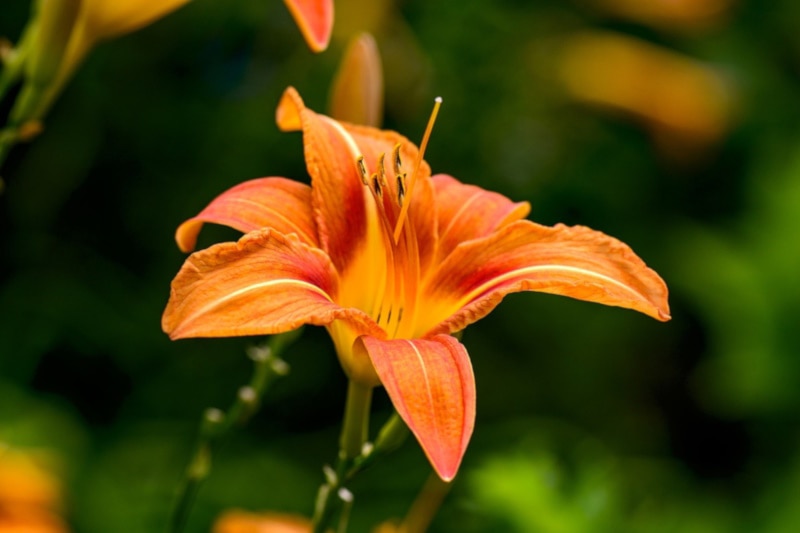
| Plant type: | Cultivated plant |
| Edible parts: | Flowers |
While Daylilies are not true lilies, they are beautiful, easy-to-grow flowers enjoyed by Tortoises. Be very careful not to feed your Tortoise true Lilies, such as Easter or Tiger lilies, as these are toxic. Daylilies are perennials that love the sun and tolerate nearly any type of soil. They come in multiple colors and have a long bloom season. Depending on your climate, you can harvest the colorful blooms and feed them to your Tortoise almost year-round.
6. Violets
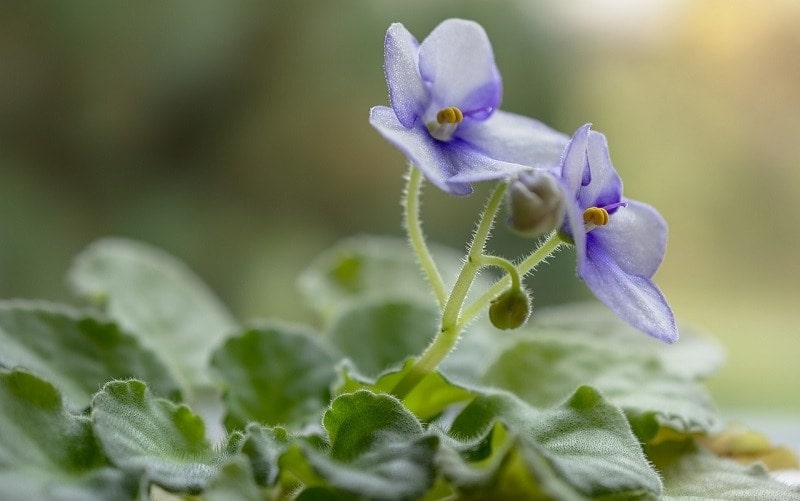
| Plant type: | Cultivated plant |
| Edible parts: | Leaves, flowers |
Wild Violets can be grown as cultivated plants and eaten by Tortoises, and they make excellent ground cover. Both leaves and flowers are edible, so you can plant them directly in your Tortoise’s enclosure in the right climate. However, they are invasive, so you may want to keep them contained in a raised bed. Violets can also be grown in a container and harvested to feed your Tortoise.
7. Petunias
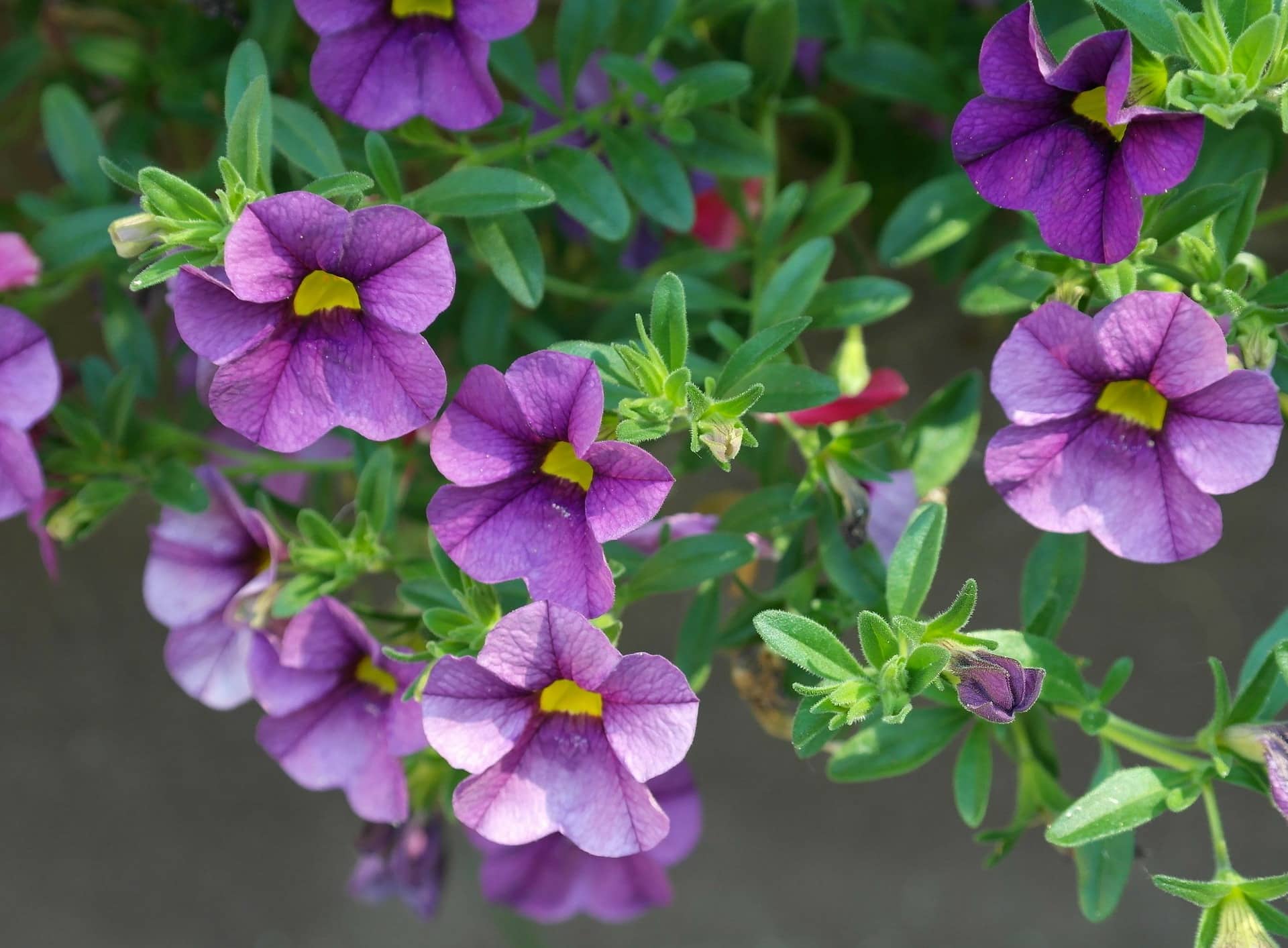
| Plant type: | Cultivated plant |
| Edible parts: | Flowers |
Petunias are available in various colors and are extremely easy to grow. These hardy annual plants can tolerate cold temperatures and grow in full sun to partial shade. They can survive frost if you plant them too early and return to blooming if you forget to water them for too long in the summer heat. In warmer climates, Petunias can grow as perennials. Petunias produce multiple blooms over many months, providing plenty of tasty snacks for your Tortoise.
8. Marigold
| Plant type: | Cultivated plant |
| Edible parts: | Leaves, flowers |
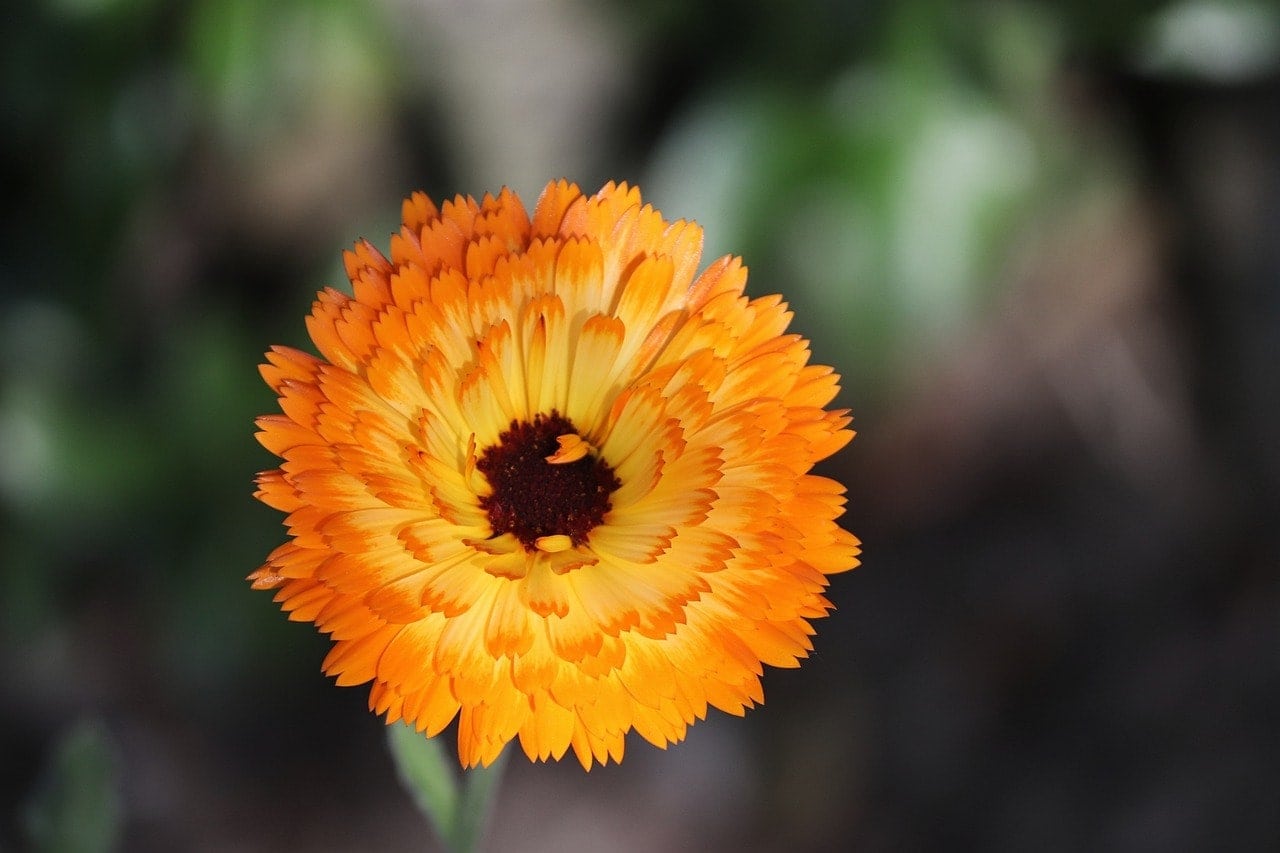
Marigolds are sun-loving annuals that produce beautiful flowers, often planted with tomato plants to ward off insect pests. These hardy plants grow quickly from seed and can be planted directly in the ground. Tortoises can eat Marigold leaves and flowers, and the flowers grow wonderfully in containers or window boxes if you don’t have the ground space. Some varieties have a strong scent that you may find unpleasant.
9. Carnation
| Plant type: | Cultivated plant |
| Edible parts: | Flowers |
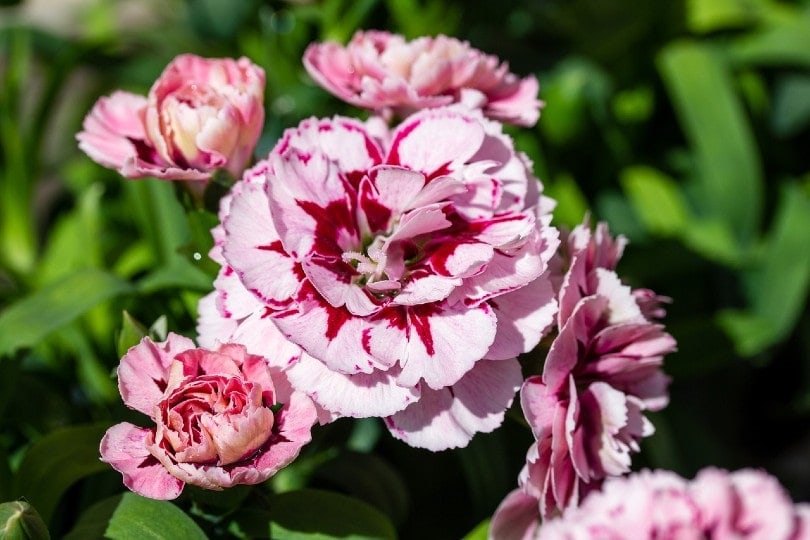
Carnations, or Dianthus, are available in multiple colors, from yellow to pink to red. Depending on the variety, these plants grow low as ground cover or taller to produce the Carnations seen in bouquets. Tortoises enjoy snacking on these flowers regardless of which type you choose. Carnations need at least 4 hours of sun per day. If you live in a hot climate, plant them where they will get morning sun only. Carnations can be picky about soil, so consider having yours tested if planting them directly in the ground.
10. Lavender
| Plant type: | Cultivated plant |
| Edible parts: | Leaves, flowers |
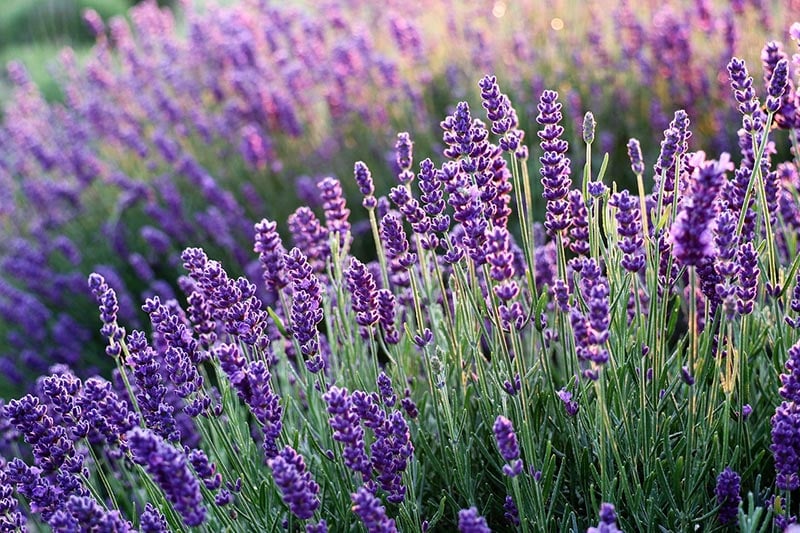
Known for its lovely fragrance, Lavender is a versatile plant that can be used in cooking and as an herbal remedy. Tortoises can eat the leaves and flowers of this sun-loving perennial. Lavender can grow in any type of well-drained soil and is an excellent option if you’re trying to attract pollinating insects. It needs at least 6–8 hours of sun per day. Lavender is a perennial that grows 1–3 feet tall, so make sure it has plenty of space to flourish.
Final Thoughts
These 10 edible plants aren’t the only flowers that Tortoises can eat, and you can talk to your veterinarian about other options you can offer. If you’re growing flowers to feed your Tortoise, avoid using pesticides or fertilizers. You should never feed store-bought flowers to your Tortoise even if they’re technically edible because they almost certainly were grown using these chemicals. Flowers are just one part of a balanced Tortoise diet, and you can contact your veterinarian for other meal options.
Sources
Featured Image Credit: chrisbrignell, Shutterstock
Get Hepper In Your Inbox


Pet care tips from our vets and experts, straight to your inbox.
You may opt-out at any time. View our Privacy Policy for more information.
A lifelong lover of all creatures great and small, Elizabeth got her first cat at 5 years old and at 14, she started working for her local veterinarian. After spending more than 20 years working as a veterinary nurse, Elizabeth decided to step away to become a stay-at-home parent to her daughter. Now, she is excited to share her knowledge with our pet parents. Elizabeth lives in Iowa with her family, including her two fur kids, Linnard, a husky mix and Algernon, the worldʻs most patient cat. When not writing, she enjoys reading, watching soccer, and spending time outdoors with her family.
Join the conversation
Ask a question, share your story, or send private feedback.