Hepper is reader-supported. When you buy via links on our site, we may earn an affiliate commission at no cost to you. Learn more.
Can Tortoises Eat Kale? Vet-Reviewed Nutrition Facts & FAQ


In this article
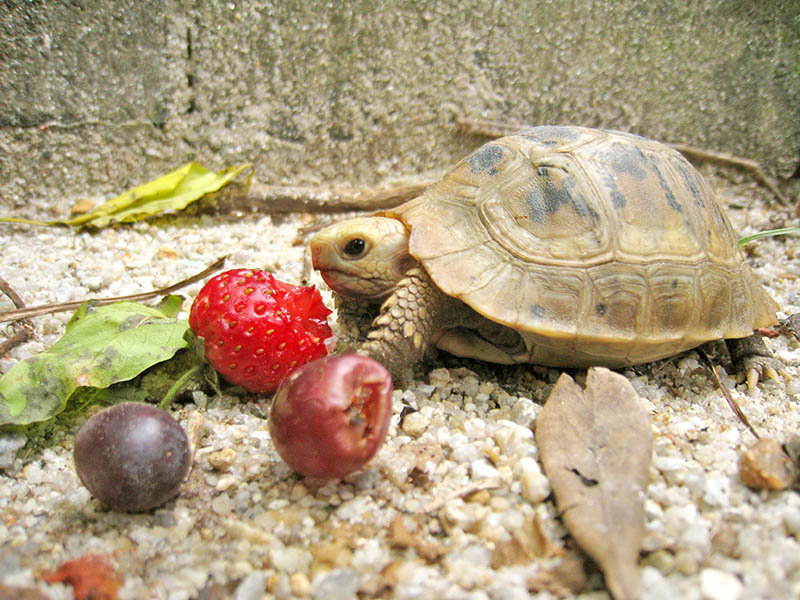
Cute and quiet, tortoises live for up to 150 years and, provided their environment is set up correctly, are very undemanding pets. In the wild, 90% of their diet consists of plants, greens, and edible weeds. In captivity, many will also enjoy a range of veggies, including pumpkins and broccoli. But what about kale—can tortoises eat it? The answer is yes, but how much can depend on the species?
Kale is high in vitamin A, calcium, and other beneficial minerals and vitamins. On the downside, it’s also rich in goitrogens and oxalate acids; too much kale can hurt the pet’s thyroid glands and internal organs if they are not adapted to eating this type of food.
So, how often should you include this superfood in the tortoise’s diet? Should it be raw or cooked? Let’s find out!

What Is Kale? Breaking It Down
Also known as the leaf cabbage, kale belongs to the mustard family of vegetables. Its closest “siblings” are cabbage, broccoli, and Brussels sprouts. This is a low-calorie, highly nutritious product that’s categorized as a superfood. And here’s why: kale has a high content of vitamins A, B6, C, and K. It’s also rich in various minerals, including calcium, potassium, and phosphorus.
Fiber, iron, and antioxidants are a part of the package as well. Kale can be curly, wrinkly, or with ruffled or flat leaves. For centuries, it’s been a go-to ingredient in many foods across Europe and Northern America, praised for its nutritional value. More importantly, it’s proven to be beneficial for our shelled buds, but with a few caveats.

Is Kale Safe for a Tortoise? Can You Add It to Their Diet?
This dark, leafy green has many perks for Tortoises. First, vitamin A does a great job of strengthening the reptile’s immune system. Secondly, calcium aids in proper shell and bone development. The fiber helps the digestive system and keeps the pet healthy. Kale can also reduce the risk of cancer. That’s why in the wilderness, tortoises like to chew on kale once in a while.
Mediterranean-type species like the Hermann’s Tortoise or Sulcata, typically eat leaves and stems in the wild, and fibrous stems like Timothy Hay and edible plants like Geraniums, Dandelions, Hibiscus Leaves, and Pansies, should make up approximately 90% of their diet, with more leafy greens such as kale a good addition to help make up this requirement.
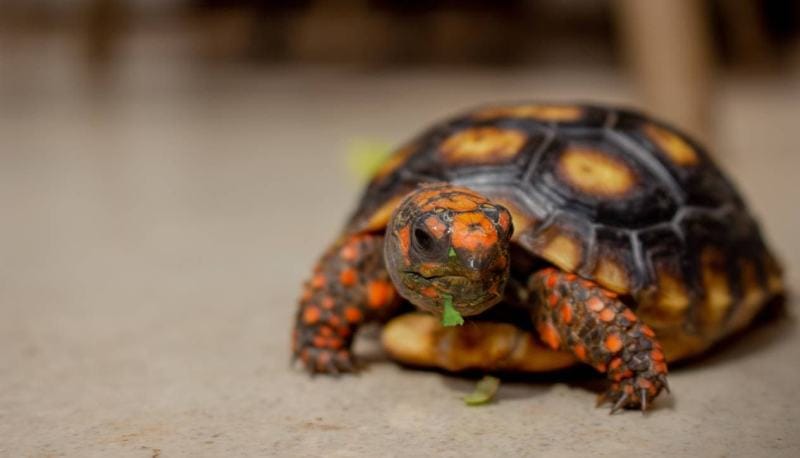
Tropical species such as the Red-footed or Yellow-footed Tortoise will also need high-fiber foods like their Mediterranean counterparts, but will also enjoy more vegetables and some fruit. Kale can be included in their leafy greens list but in a smaller proportion as they require a little more variety.
Like most leafy vegetables, kale contains goitrogens, and in large quantities, it can lead to an abnormal enlargement of the thyroid glands (goiter). Thiocyanate is known to block iodine consumption by the thyroid gland. As a result, the tortoise will end up with an underdeveloped thyroid (this condition is called hypothyroidism).
Other side effects include:
- Halted growth and metabolism
- Slow calcium absorption (due to oxalate acids)
- Problems with the liver
- Various kidney issues
- Abnormal shedding
How Often Should You Feed Kale to a Tortoise?
The human body has a high tolerance toward thiocyanate acid. So, unless we eat tons of it, there won’t be anything to worry about. The same can’t be said about tortoises, though. They are more prone to hypothyroidism, which is why kale should only form part of their fiber intake, not the majority of it.
To play it safe, consult with a vet or reptile specialist. They’ll tell you exactly how much kale (and other goitrogen-rich veggies) will be ok. This will be determined by the tortoise’s age, gender, size, medical conditions (if any), and, of course, diet.

Raw vs Cooked Kale: Which Is Better?
Most tortoise owners feed their pets raw kale to retain its nutritional value, including all the vitamins and minerals. Cooked kale, in contrast, loses some of the vitamin C and antioxidants, thus becoming less of a superfood.
That said, the cooking process keeps the levels of goitrin to a minimum. As a result, the tortoise can eat more kale and the potential threat to its thyroid will be dramatically lower. As for steaming, it’s like the golden middle between cooking and eating it raw, as it doesn’t “rob” the kale of its beneficial elements.
Spinach and Kale: Why They Shouldn’t Be Mixed?
Both greens are rich in goitrogens and oxalic acid. If you let the tortoise eat them at once, that might lead to problems with internal organs or harm the thyroid. So, either feed one and not the other, or be sure to alternate them.
What Do Tortoises Eat? The Perfect Diet
In the wilderness, tortoises mostly eat plants; shrubs, weeds, flowers, and even succulents, but they don’t usually graze (eat grass), except the Sulcata Tortoise. Tortoises also eat weeds like clover, dandelion, and vetch.
Overall, the plants and greens should make up 80-90% of the diet. Most vegetables are safe for tortoises, as are mushrooms and fruit, apart from citrus. As previously mentioned, Mediterranean varieties should be fed predominantly grasses/greens a few vegetables and even less fruit. Our tropical friends will happily and healthily enjoy a mix of fruits and vegetables as part of their regular diet.

The Worst Foods for a Tortoise: A Quick Guide
The list of foods that are safe for tortoises is extensive, with few things actually toxic for them. The following list is not exhaustive, but contains the main things to avoid feeding:
- Daffodil (narcissus pseudonarcissus)
- Azalea (Rhododendron species)
- Foxglove (Digitalis species)
- Avocado (Persea species)
- Buttercup (Ranunculus species)
- Auricula (Primula auricula)
- Bean sprouts (various)
- Citrus fruit (Citrus species)
- Hydrangea (Hydrangea species)
- Iris (Iris species)
- Morning glory (Ipomoea species)
- Wood anemone (Anemone nemorosa)
- Dog/cat food
How Do You Feed a Tortoise?
Pet tortoises rely solely on us for food, which is why it’s important to make sure they’re well fed and get all the necessary nutrition to live long, healthy, happy lives. As mentioned, grass, plants, and leaves are the cornerstone of every tortoise’s diet. That said, every single species is different: some shelled buds won’t mind an insect or two!
But, for the most part, tortoises are herbivorous creatures. A baby tortoise should be fed at least once in 24 hours so that they grow properly. Adults, in contrast, can often go on for 2–3 days without eating anything. This depends on the pet’s breed, age, and the nutritious value of each meal. In cold weather, many tortoises will enter hibernation and will not eat at all.
Here are some more basic rules to follow when feeding a domestic tortoise:
- Keep the meals small, avoid over-feeding the pet
- Don’t force any food upon the tortoise
- Consult with a veterinarian to find the perfect diet
- Wash the food before serving it to remove dirt
- Tortoises don’t have teeth, so chop food into bite sized pieces, but fibrous food helps exercise the jaw
- Remove the seeds and the skin for easy digestion
- Diversity is important: introduce variety into the meals
- Make sure the pet gets enough calcium for growth
- Try to replace supplements with nutrients from fruits
- Fruits should only make up 5–10% of the diet
Conclusion
Kale is a healthy, low-calorie ingredient that’s packed with loads of nutrients with benefits for the immune, nervous, and digestive systems. And the best thing about it—you can share this healthy food with your pet: tortoises benefit greatly from calcium and vitamin A.
Just remember that kale should form part of their greens requirement and not be the only ingredient. The goitrogens and oxalate acids can be harmful to a tortoise (the thyroid glands and kidney or liver) if eaten exclusively. Speak to your veterinarian or reptile expert to get more expert advice on providing your shelled companion with their best possible diet.
Sources
Featured Image Credit: Christiane, Pixabay
Get Hepper In Your Inbox


Pet care tips from our vets and experts, straight to your inbox.
You may opt-out at any time. View our Privacy Policy for more information.
Nicole is a lover of animals of all sizes but is especially fascinated with the feline variety. She’s the proud mom of Baby, a Burmese, and works every day so he can relax in the sunshine or by the fire. She’s always had a cat in her home and has spent countless days with others, observing behaviors and softening up even the grouchiest of the lot. Nicole wants to share her kitty expertise with you so you and your cat can live happy, healthy, and care-free.
Join the conversation
Ask a question, share your story, or send private feedback.