Hepper is reader-supported. When you buy via links on our site, we may earn an affiliate commission at no cost to you. Learn more.
What Vegetables Can Tortoises Eat? 5 Safe Vet Approved Options


In this article
Tortoises thrive on a variety of foods, mainly vegetables. But what vegetables can tortoises eat?
Tortoises like all kinds of veggies, although their requirements may vary from species to species due to the difference in their habitats. However, there are still veggies, such as kale and cucumber, that are generally safe for all tortoises.
If you’re looking to learn more about the tortoise-safe veggie options you can feed to your pet, check out the rest of this article.
We’ll list out some of the best vegetable snacks for your little reptile friends, along with their health benefits and feeding frequency. Let’s dive in!

The 5 Safe Vegetables to Feed Your Pet Tortoise
1. Kale
| Vitamins: | Vitamins A, B, C, K |
| Health benefits: | Immune system support, improved well-being, antioxidant |
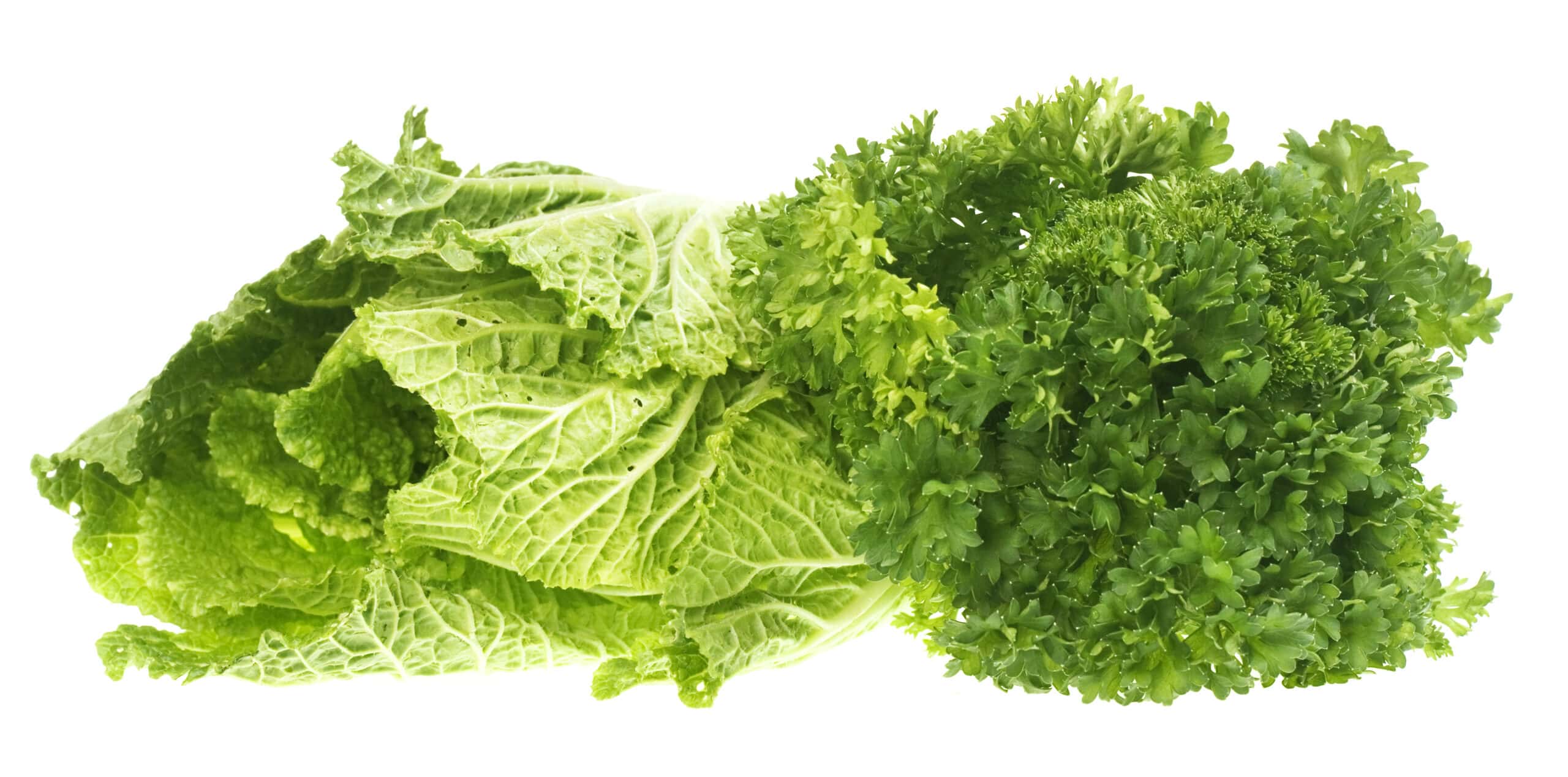
Kale, Brassica oleracea, is an excellent veggie that’s wildly available and tortoise-safe. It contains plenty of vitamins, including vitamins A, B, C, and K, as well as a high calcium content and low oxalic acid levels. This vegetable is also high in fiber, contains plenty of antioxidants, and can positively affect your tortoise's immune system and overall well-being.
However, although kale is safe for tortoises, it should be fed only in moderation.
This veggie belongs to the Brassicaceae family, which includes plants such as collard greens and spring greens. All of the plant members of this family are high in goitrogens, compounds that interfere with the thyroid gland, preventing proper functioning and promoting tissue growth.
Pros
- High in calcium
- Contains plenty vitamins
- High in fiber
- Immune system support
- Improver overall well-being
Cons
- Contains goitrogens
2. Dandelion
| Vitamins: | Vitamins A, B, C, D, K |
| Health benefits: | Antioxidant, anti-inflammatory properties |
An excellent non-toxic veggie you can feed to your little reptile friend is dandelions.
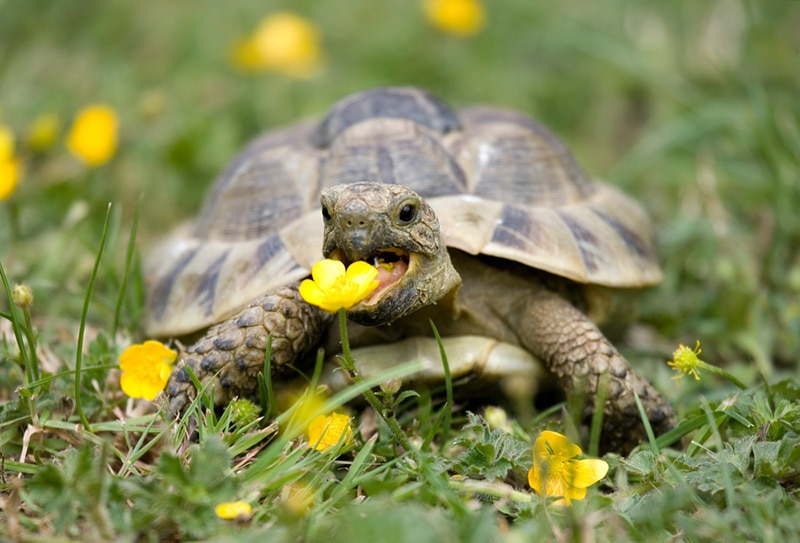
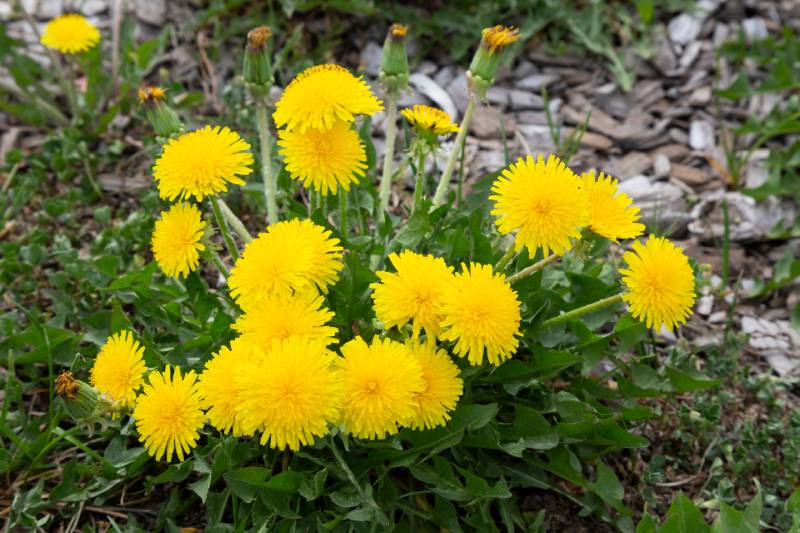
Dandelions, Taraxacum officinale, can be an excellent vegetable choice for most tortoise species, as they have antioxidant and anti-inflammatory properties. It’s also a food that many tortoise species consume in the wild, making it one of the most nutritious veggies these reptiles should eat.
The only downside to these veggies is that they contain high levels of oxalates, so you’ll need to be careful not to overfeed them.
Pros
- Highly nutritious
- Antioxidant and anti-inflammatory properties
- Contains plenty of vitamins
- Frequently consumed by tortoises in the wilderness
Cons
- Consuming too many dandelions may turn a tortoise’s urine temporarily pink
3. Brussels Sprouts
| Vitamins: | Vitamins K, C |
| Health benefits: | Antioxidant |
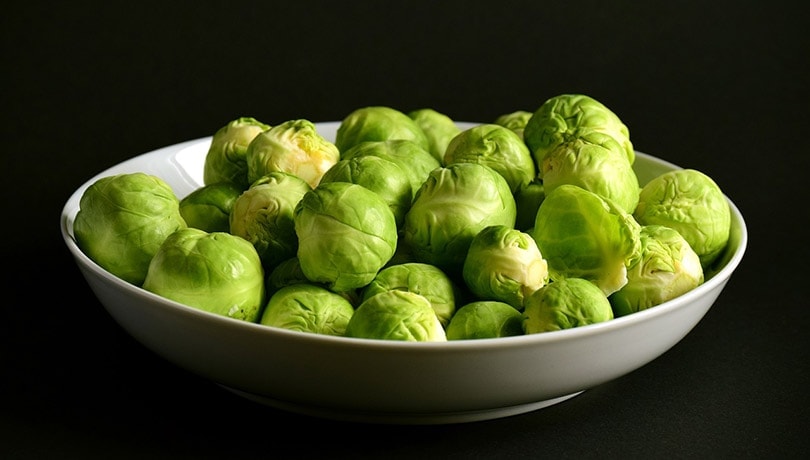
Brussels sprouts, Brassica oleraceae, are another excellent veggie that can be on your tortoise-safe veggie list. Just like kale, this is another vegetable that belongs to the Brassicaceae family, meaning that Brussels sprouts contain goitrogens.
However, they also contain iodine and plenty of vitamins K and C, and they act as antioxidants, which can positively affect your tortoise’s health. Due to the high amount of goitrogens Brussels sprouts contain, they should be fed in moderation and without mixing them with other foods that are high in goitrogens.
Pros
- Antioxidant
- Contain vitamins K and C
- High iodine levels
Cons
- High in goitrogens
- They could be harmful if consumed excessively
4. Cucumber
| Vitamins: | Vitamins C, K, A, Bs |
| Health benefits: | Promotes hydration, antioxidant |
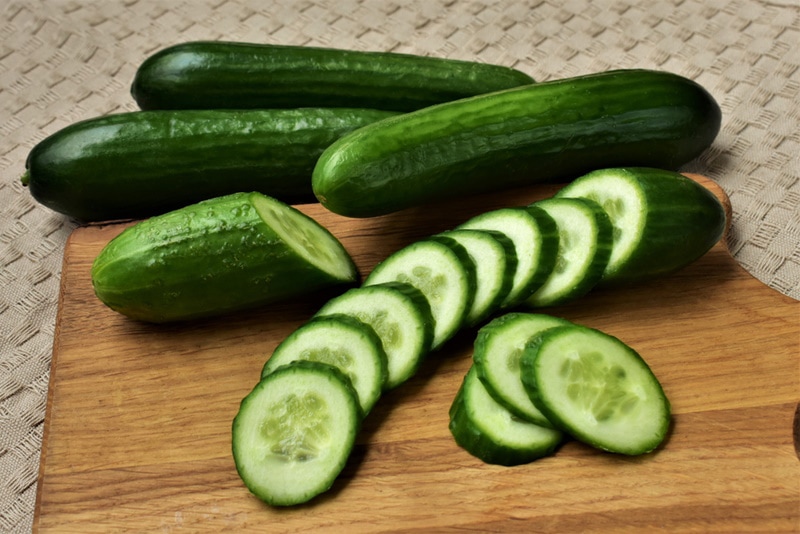
If you’re a tortoise lover, you know that these little reptiles need to stay well-fed and hydrated during the day. Because of that, cucumbers can be an excellent addition to their diets; they don’t contain many calories but have plenty of vitamins, and most importantly, consist of over 95% of water.
As cucumbers have a high water content, they’re the perfect veggie treat for warm summer months, as they can help your tortoise hydrate lowering the chances of dehydration, and promote overall health. A great thing about cucumbers is that most tortoises also like to eat their leaves and flowers as well, meaning that you can use up almost the entire plant as tortoise food.
Although cucumber is healthy for tortoises, you should also feed this vegetable in moderation, just like with most other veggies on this list. Consuming too many cucumbers could keep your tortoise full without providing all the essential nutrients these little reptiles need for proper development.
Pros
- Helps with dehydration
- Plenty of vitamins
Cons
- Should be fed in moderation only
5. Bok Choy
| Vitamins: | Vitamin K, C, E, Bs |
| Health benefits: | Antioxidants, fiber |
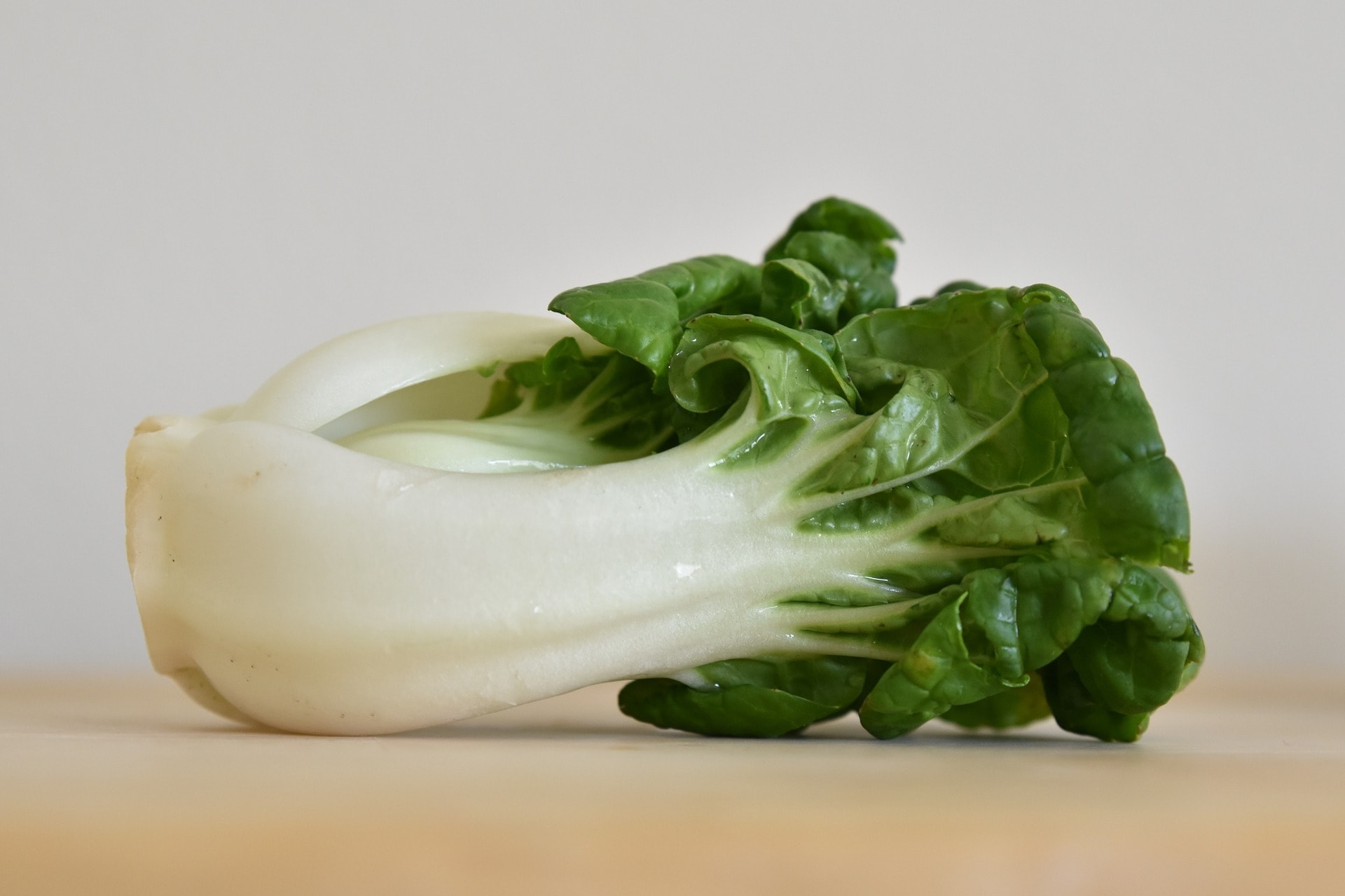
Bok choy, or Chinese Cabbage, can add a little variety to your tortoise’s diet. This leafy green provides numerous vitamins, antioxidants, and plenty of fiber. It should be fed in moderation, however, do it the goitrogens, and should not be fed with other goitrogen-containing foods.
Pros
- Source of vitamins C and K
- High in fiber
- Antioxidants
Cons
- In moderation only
Which Veggies Should Never Be Included in Your Tortoise’s Diet?
Now that you know which vegetables are safe for tortoise consumption, you should also familiarize yourself with veggies that should never be included in a tortoise’s diet or only in very small quantities.
Some vegetables may be toxic to tortoises, while others may lead to health problems if consumed in high enough amounts, so knowing this information is crucial for keeping your reptile happy, healthy, and content.
Here’s a list of vegetables you should keep away from when feeding your tortoise:
- Peas
- Carrots
- Parsnip
- Spinach
- Celery
- Corn
When and if unsure about the tortoise-safe vegetables you can offer to your pet, try to stick to our recommended veggies, or consult a veterinarian with experience in reptiles to get their advice.
Conclusion
There are various vegetables that tortoises can eat, but most of them should be fed in moderation to get the most value out of them and prevent possible health problems.
When giving vegetables to your tortoise, remember to be cautious as some veggies may be toxic or put your little friend’s health in jeopardy. Try to stick to the safe vet-approved options from our list or speak with your vet before giving a specific veggie to your tortoise to prevent mishaps.
Sources
Featured Image Credit: Melina Massola, Shutterstock
Get Hepper In Your Inbox


Pet care tips from our vets and experts, straight to your inbox.
You may opt-out at any time. View our Privacy Policy for more information.
Visnja is a content writer that covers various topics such as DIY, pets, home improvement, travel, gardening, and more.
She is a young mom and a college student, who didn’t have enough time to balance her personal and work life, so after multiple years of working a regular 9 to 5 job, she decided to pursue her passion and make a living out of it. She has been writing for a couple of years, helping people find valuable and interesting information online.
Join the conversation
Ask a question, share your story, or send private feedback.