Hepper is reader-supported. When you buy via links on our site, we may earn an affiliate commission at no cost to you. Learn more.
Can Bearded Dragons Eat Flowers? Vet Approved Nutrition Advice


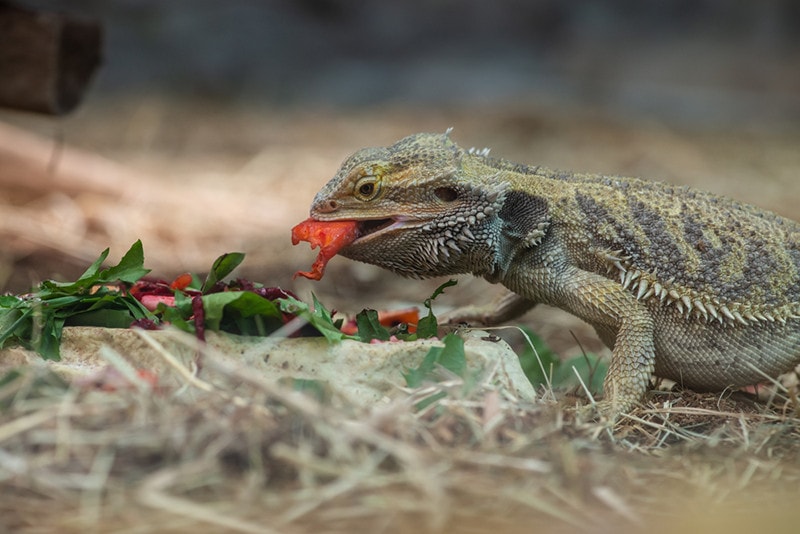
If you have been keeping bearded dragons for some time, you already know their basic nutritional needs. As an omnivore, your beardie must eat plant and animal material. But did you know that your pet can also enjoy flowers? It's true, but not all flower varieties are safe for your lizard to eat. Read on to learn more.

What Are the Benefits of Feeding Flowers?
Adds Variety to Your Pet's Det
One of the best benefits of offering flowers to your beardie is that it provides variety in his diet. Like humans, reptiles don't like eating the same things every day, so tossing in a flower head or a few petals now and then gives your beardie something new to look forward to.
Provides a Source of Vitamins and Minerals
Each flower provides your beardie with a unique mix of vitamins and minerals he needs to thrive.
Dandelion flowers, for example, are chock full of vitamins A and K. Reptiles require vitamin A as it plays an important role in normal skin cell development and turnover and immune system function, while vitamin K has a function in the calcium and phosphorus metabolism in bone.
Lavender provides a dose of vitamin A and minerals like iron and calcium. Iron is an essential nutrient that helps to maintain healthy blood cells. Calcium has many functions in the reptile body, including skeleton formation and muscular contractions.
What Are the Risks of Feeding Flowers?
Not All Flowers Are Safe
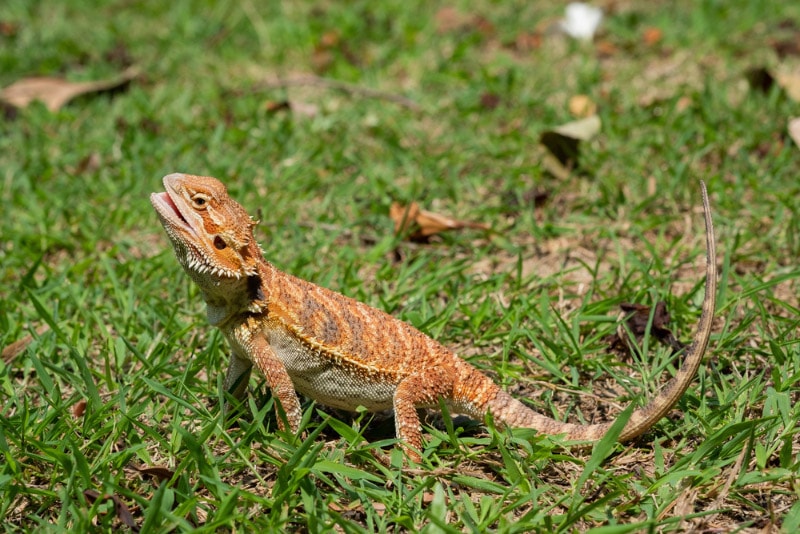
While many flowers are perfectly safe for beardies, this does not apply to all flowers, as shown in our safe/unsafe lists below. Some can be toxic and may cause health issues or even death. If you're not 100% sure about the flower species, do not feed it. We recommend contacting your local garden center to identify plants you're unsure about.
You can also try using a plant identifier application for your smartphone. Neither of these sources may be 100% accurate, so we always recommend erring on the side of caution and not feeding your beardie anything you're not positive is safe for him.
Flowers Can Cause Digestive Upset
Feeding too many flowers may cause digestive issues, like diarrhea or an upset tummy. If you decide to offer your beardie flowers, offer them very rarely and in small quantities.
What Flowers Are Safe for Bearded Dragons?
There are several types of flowers that are safe for bearded dragons to eat. Here are some of them:
- Cape honeysuckle
- Dahlias
- Dandelions
- Day lilies
- Geraniums
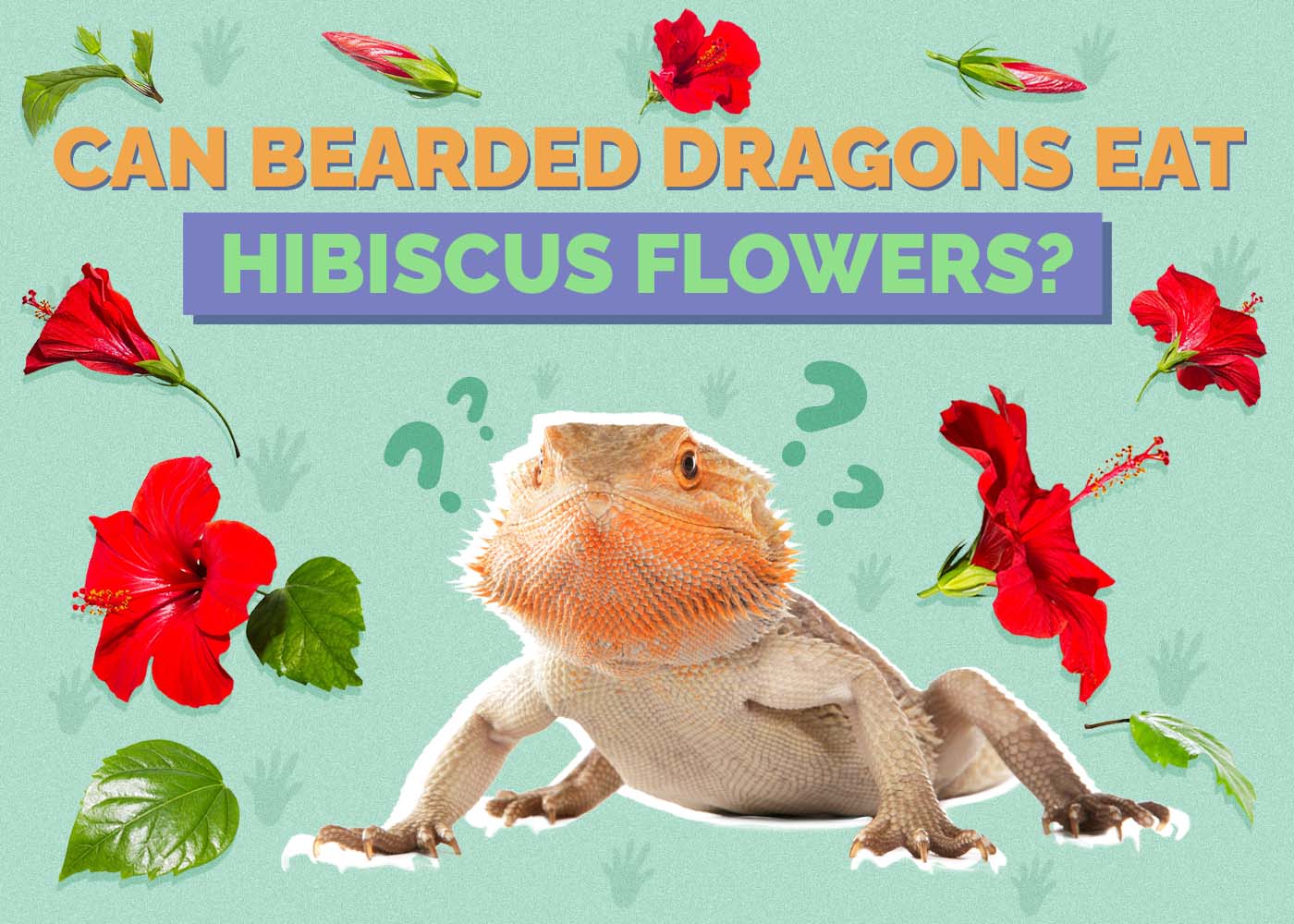
- Hibiscus
- Hollyhock
- Lavender
- Nasturtiums
- Pansies
- Petunias
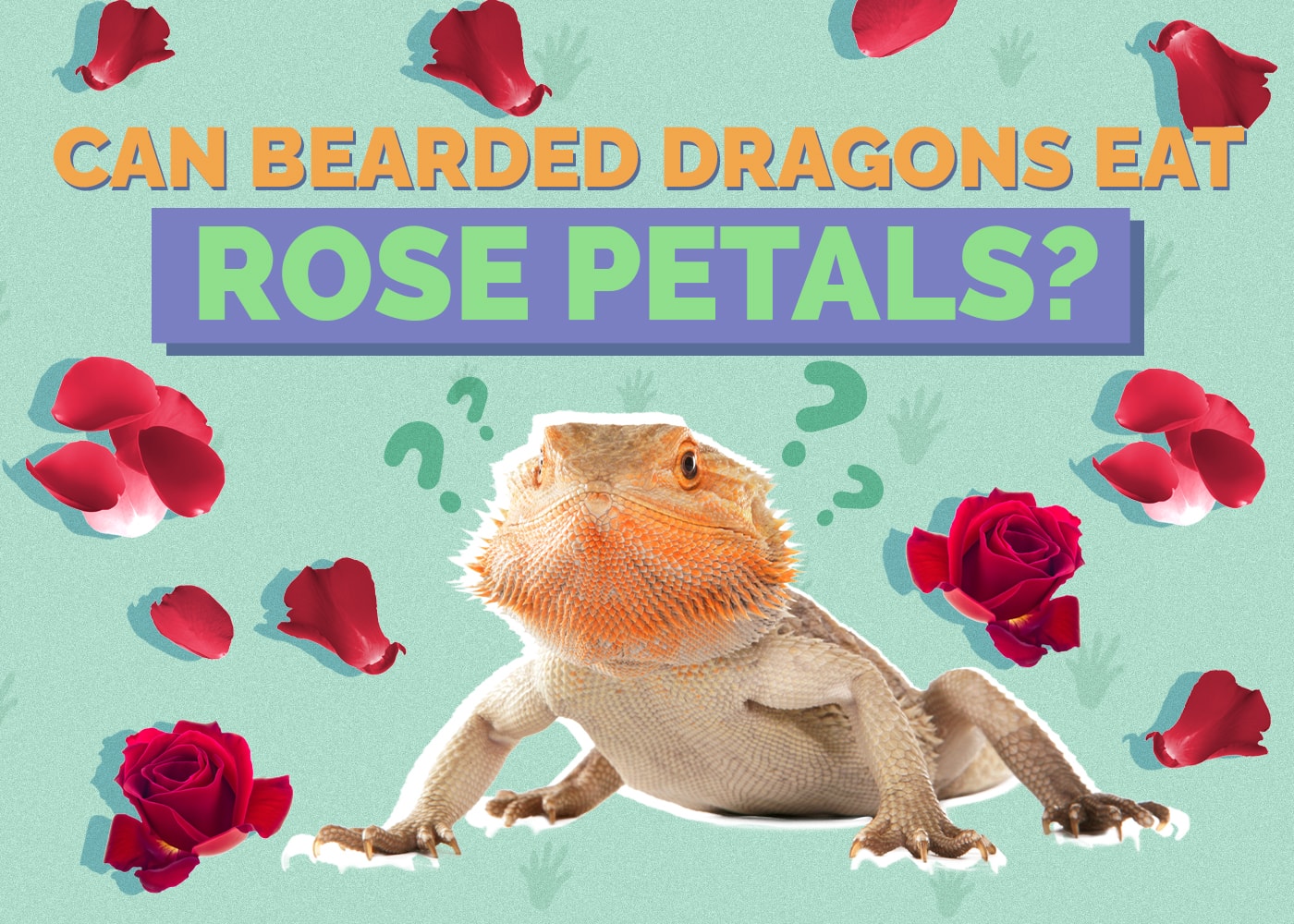
- Rose petals
- Sunflowers
- Violets
- Zinnia
What Flowers Are Unsafe for Bearded Dragons?
While there are several flowers that are safe for bearded dragons, there are several that should be avoided:
- Amaryllis
- Angel's trumpet
- Azaleas
- Bird of Paradise
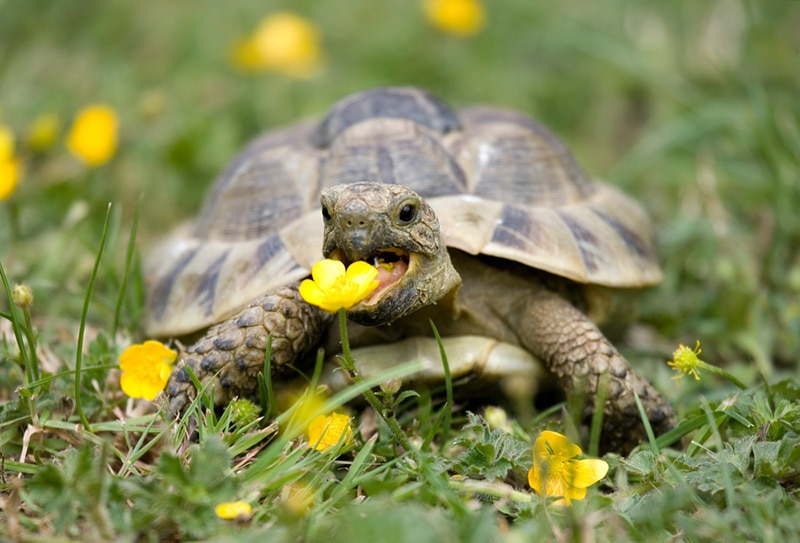
- Buttercups
- Calla lilies
- Crocus
- Delphiniums
- Hydrangeas
- Irises
- Lily of the Valley
- Morning glories
- Peonies
- Periwinkles
- Poinsettias
- Poppies
- Rhododendrons
- Snowdrops
- Tulips
- Wisteria
How Can I Safely Offer My Bearded Dragon Flowers?
Grow Them Yourself
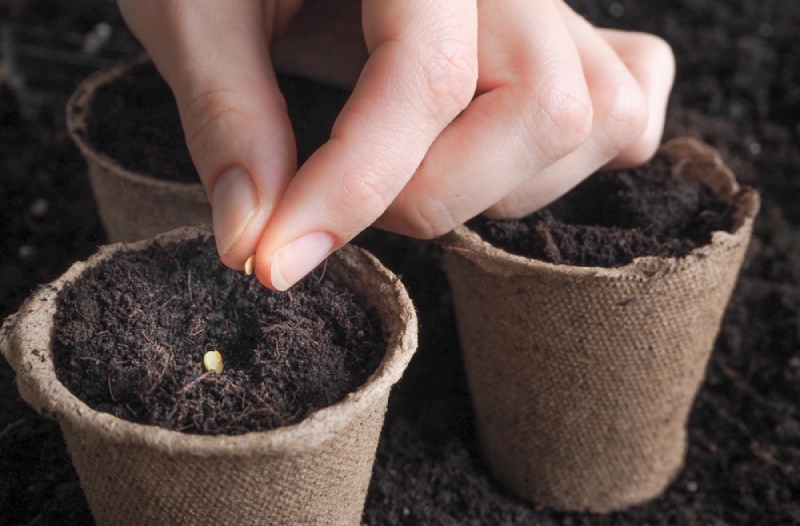
We don't recommend feeding your beardie any wild-grown flowers. The best flowers are ones you grow yourself from seed as you know exactly what is and isn't put onto the growing plants. Please do your research before buying plants from the store to ensure they're not exposed to pesticides or other chemicals during the growing process.
Feed in Moderation
Moderation is key with any treat you offer your reptile. Too many flowers can cause digestive issues, leading to serious problems like obesity.
An adult bearded dragon's diet should consist predominantly of veggies, with protein like insects making up a smaller percentage of their diet. Fruit can be given as a treat a few times a month, and the same applies to flowers.
Wash Before Serving
Treat flowers as you would any other plant-based material. Wash them thoroughly before serving and remove any stems or leaves that could be difficult for your pet to digest.
Final Thoughts
Flowers are a healthy and tasty treat you can offer your beardie a couple of times a month to spice up his diet. Research the flower before providing it to ensure it's both safe and nutritious for your lizard. If you're unsure about the flower species, contact your local garden center or use a plant identifier application for your smartphone.
Related Read: Can Bearded Dragons Eat Cranberries?
Get Hepper In Your Inbox


Pet care tips from our vets and experts, straight to your inbox.
You may opt-out at any time. View our Privacy Policy for more information.
Chantelle's life revolves around two passions: writing and animals. Raised on the prairies of Canada amidst a menagerie of pets, she now lives with five cats, two guinea pigs, and a bearded dragon. Together with her husband and child, Chantelle delights in being an exemplary animal parent, going as far as installing wall-mounted cat shelves to give their cats an indoor playground. When she's not cozying up with her cats or snapping their amusing antics, she enjoys venturing into the Rocky Mountains, binge-watching her favorite Netflix shows, and indulging in spontaneous reading adventures.
Join the conversation
Ask a question, share your story, or send private feedback.