Hepper is reader-supported. When you buy via links on our site, we may earn an affiliate commission at no cost to you. Learn more.
What Is a TNR Program for Feral Cats? Important Vet-Reviewed Facts & Info


In this article
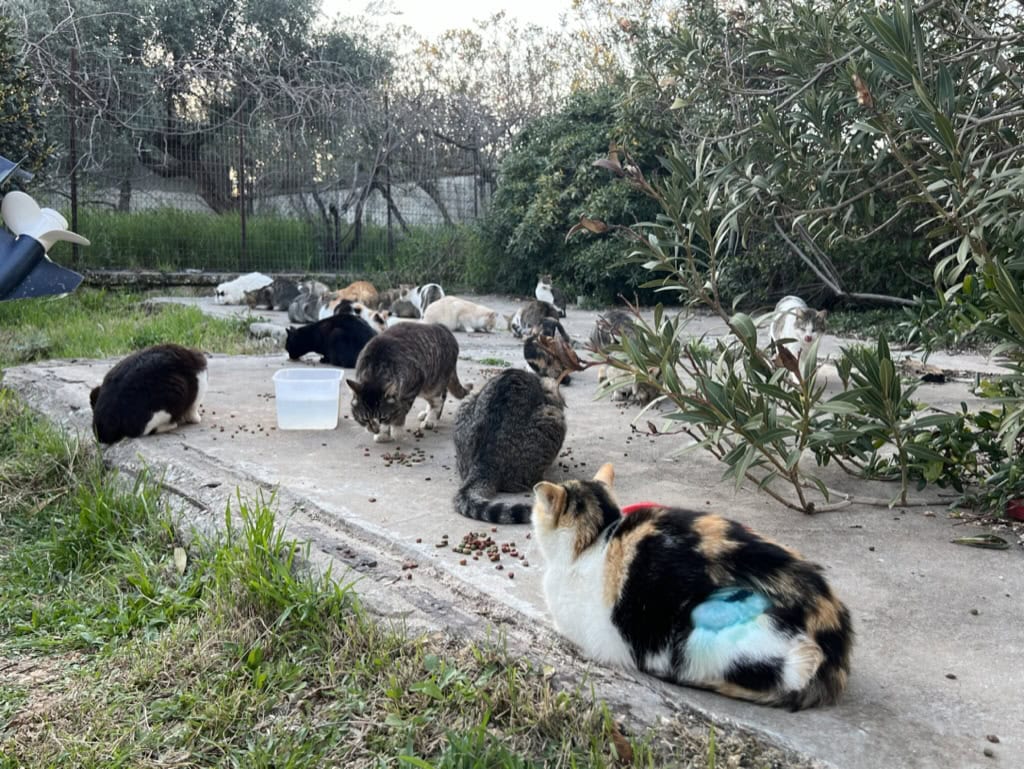
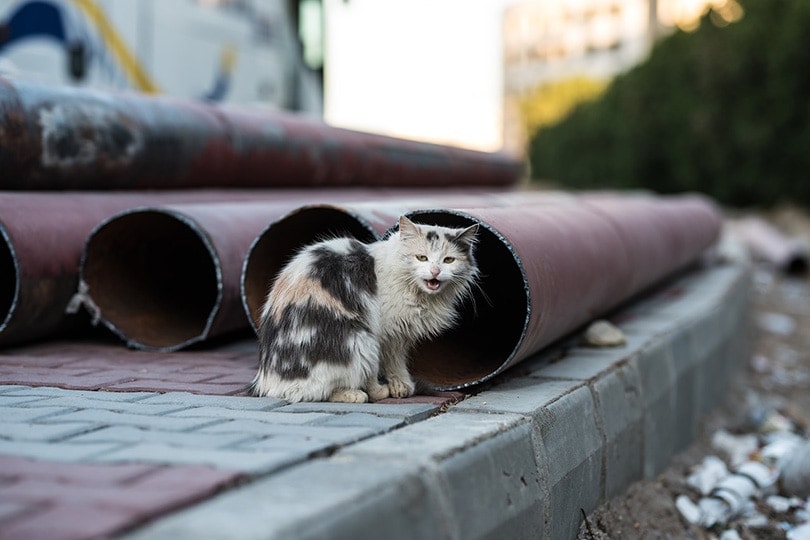
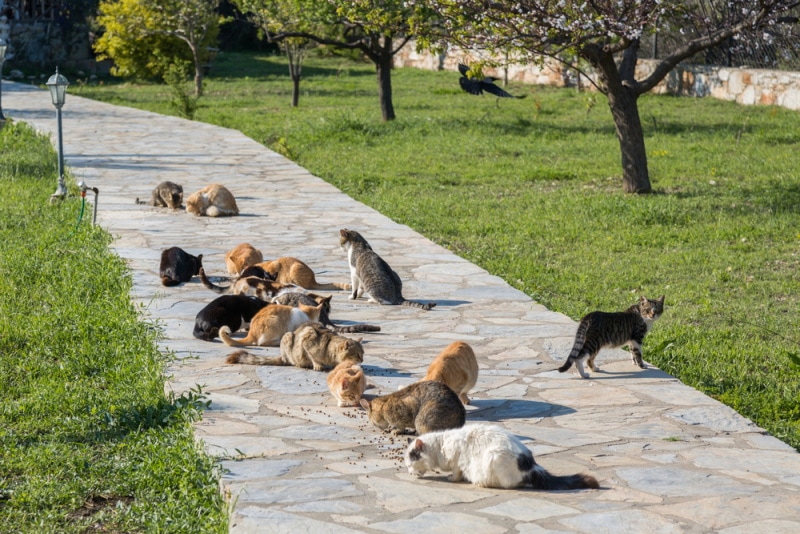
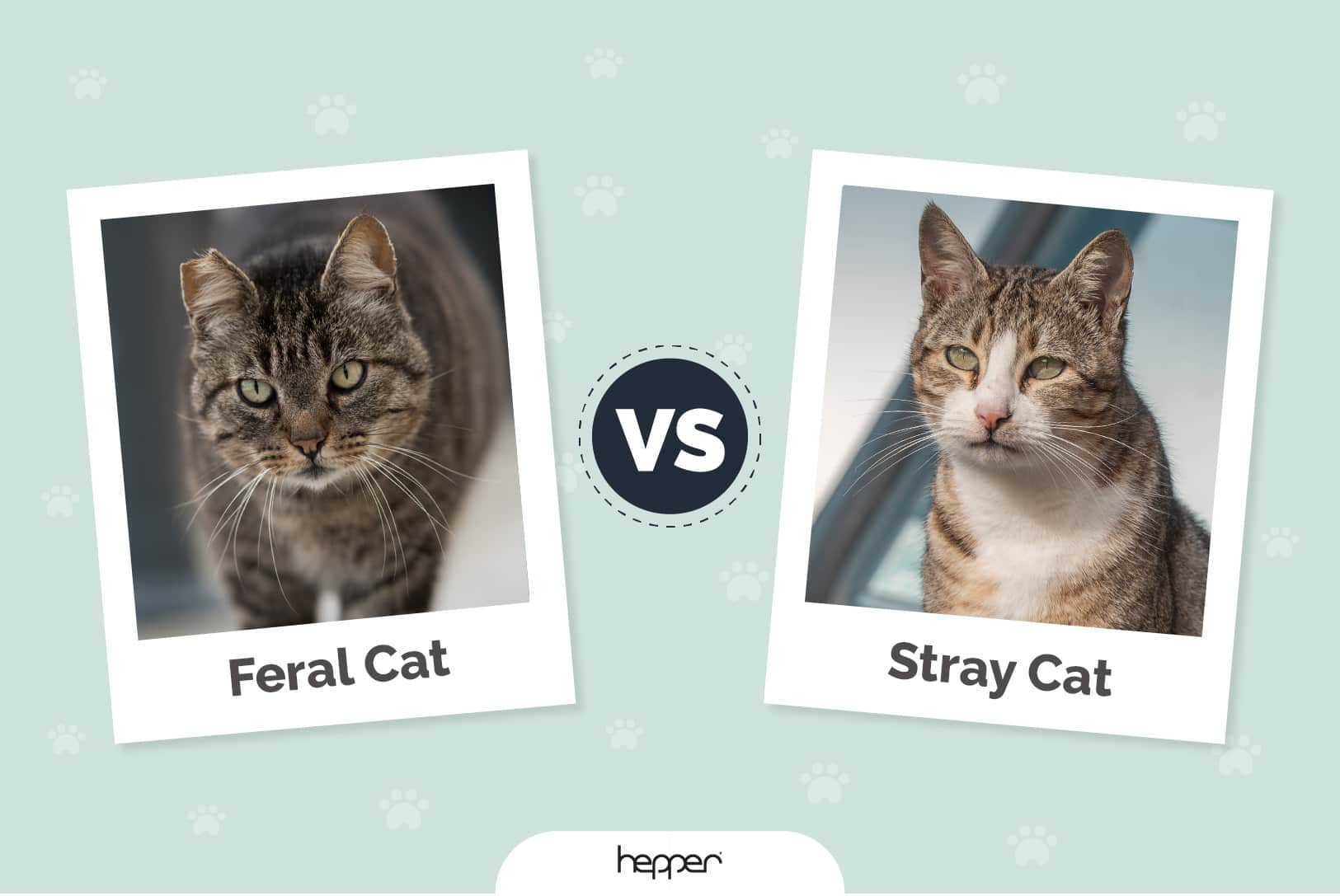
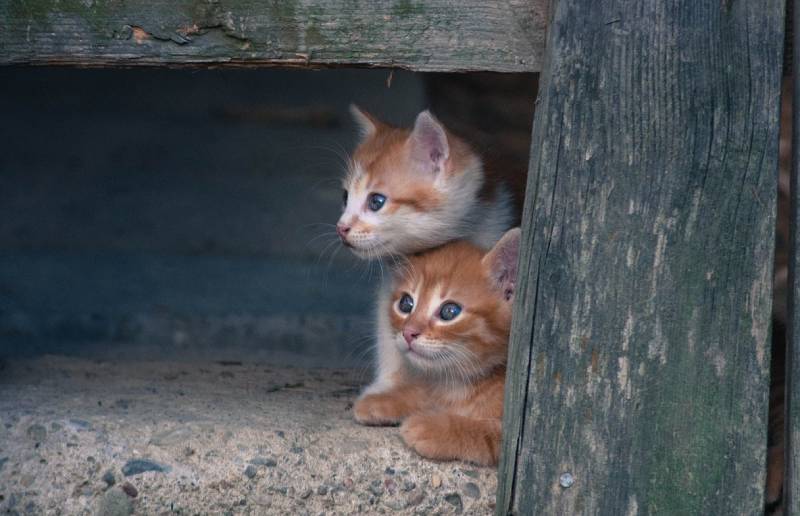
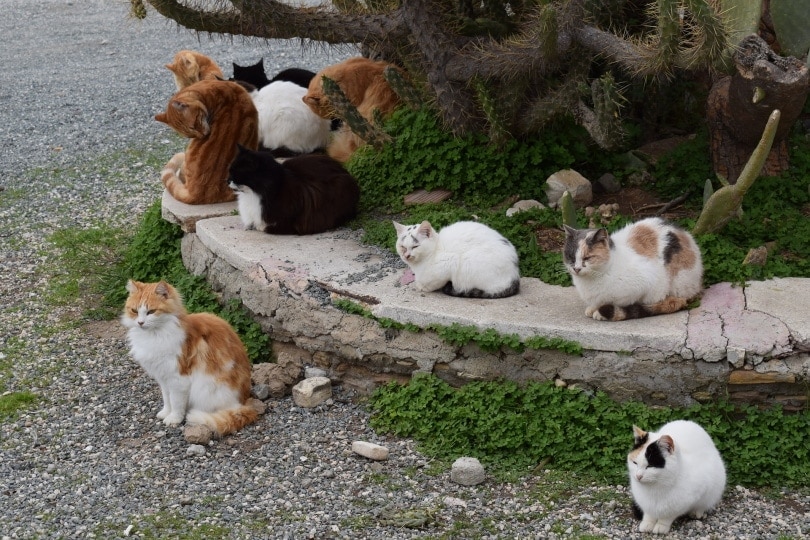
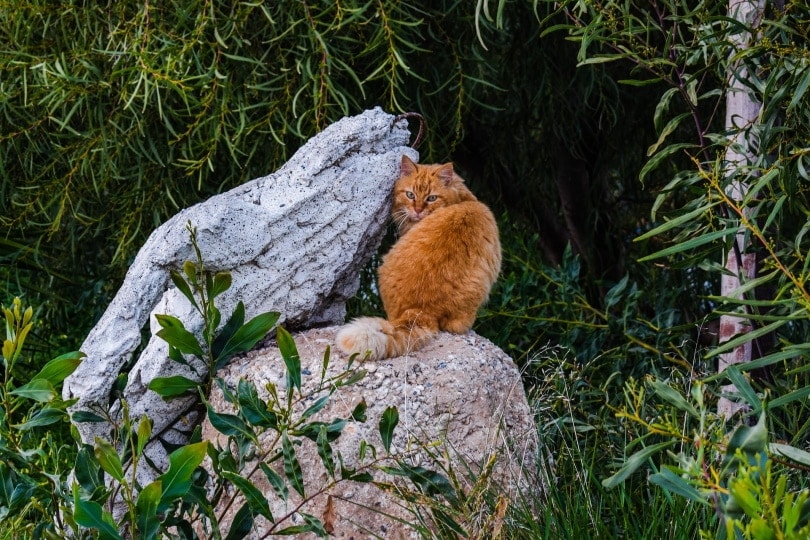
Feral cats are cats that live outdoors and are unowned. These cats may have been born outdoors, or they may have once had an owner who let them go or abandoned them - such cats are also referred to as strays in some regions. These cats typically form colonies and may lead to issues with overpopulation if local authorities don't manage them.
The United States boasts a staggering feral cat population of between 60 and 100 million. That's more than triple the human population of Texas, the second-largest state in the US. In an effort to curb the overpopulation of cats, there is a program intended to serve as a solution: Trap-Neuter-Return - the TNR program.

What Is the Trap-Neuter-Return Program?
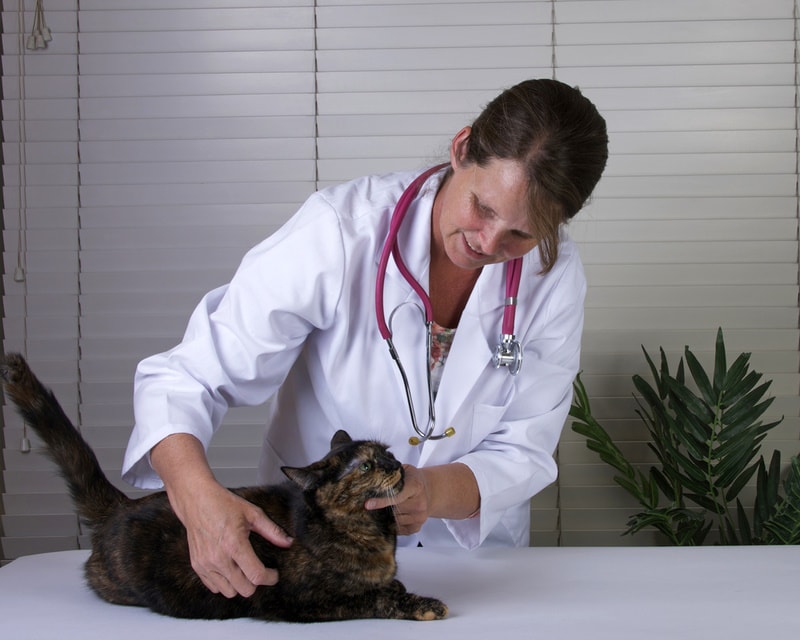
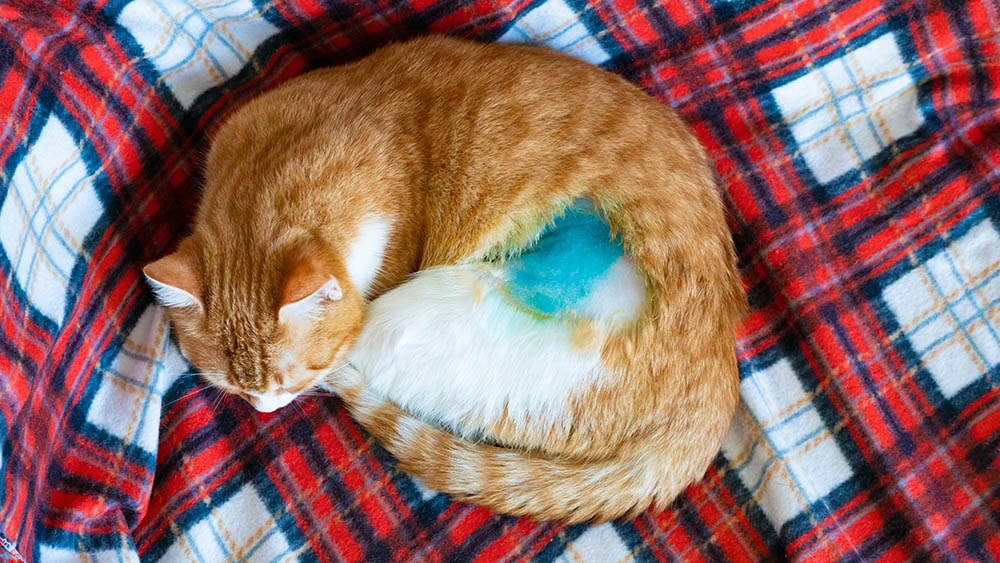
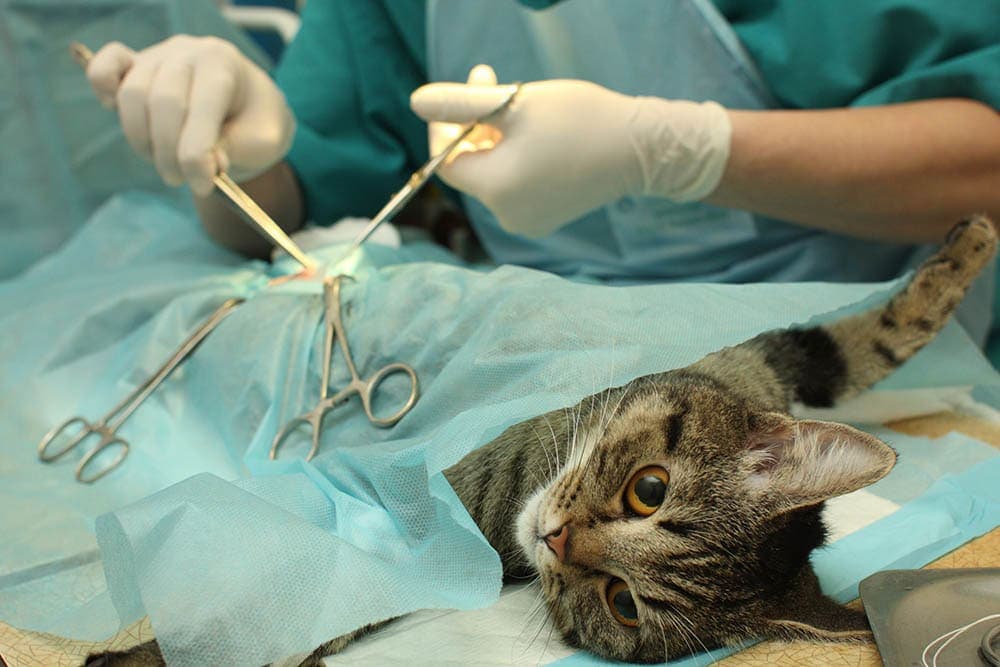
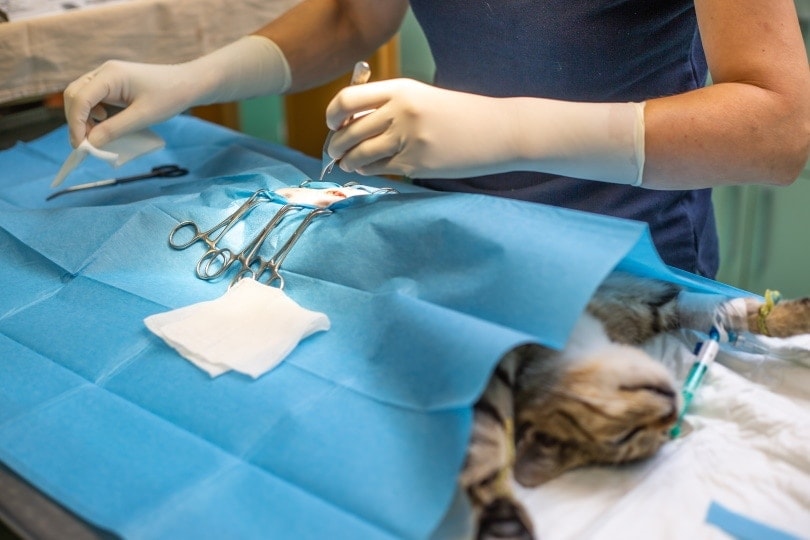
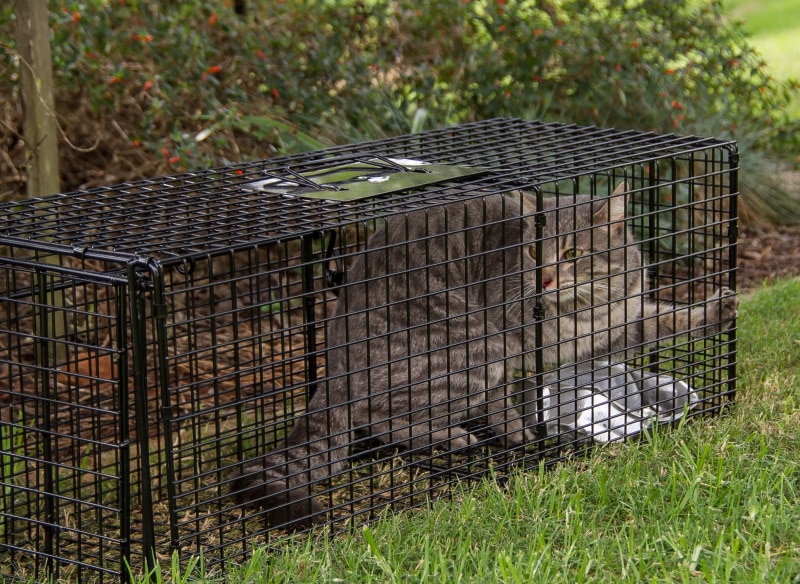
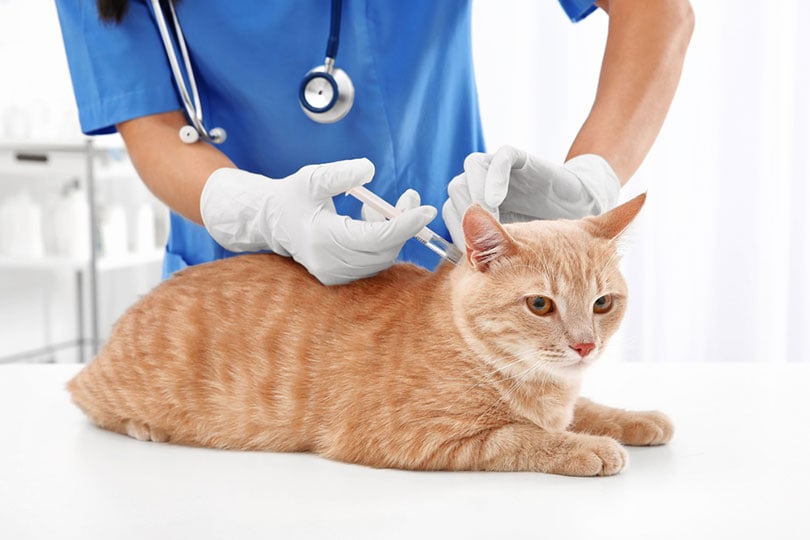
The Trap-Neuter-Return, or TNR, program is considered a humane way to manage feral cats. TNR involves trapping feral cats, usually in a humane trap, and taking them to a veterinarian or animal shelter for spaying/neutering and vaccination. After the procedure is finished, they are released back into their colonies.
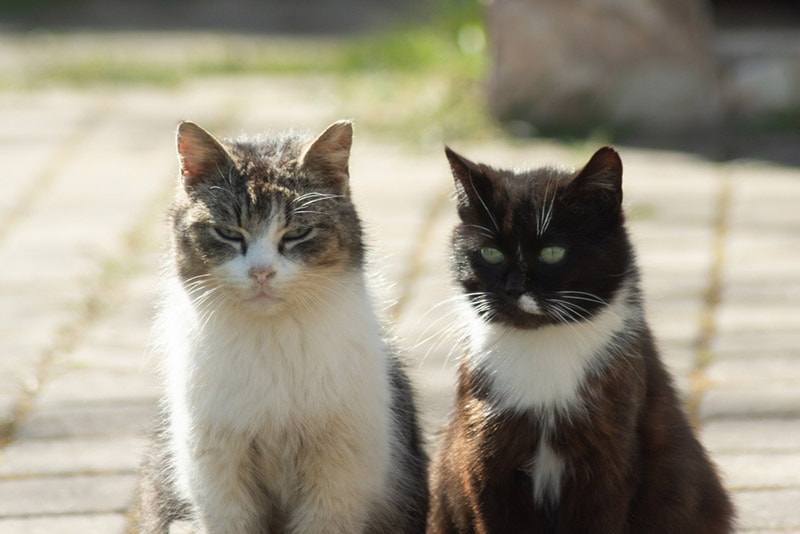
The intention of such a program is to form a colony of relatively friendly cats in an area that do not reproduce. However, they also occupy the space in a geographic area, which would deter other cats from moving in to compete for resources. In addition, their vaccinated status would help protect the public from diseases such as rabies.
Who Conducts TNR Projects?
TNR projects are fully community volunteer projects involving regular citizens and animal welfare organizations. TNR volunteers trap the cats, transport them to a veterinarian or animal shelter for spaying or neutering and vaccinations, and then return them to their colonies.
The project usually takes about a year to complete. During the trap-neuter-return process, volunteers provide food and water for the cats and make sure they stay healthy. While there's some controversy regarding the project, it's seen by many as a net positive for the communities involved.
How Do TNR Projects Work in 7 Steps
Please Note
TNR projects are structured with clear objectives and goals. The entire exercise involves seven steps, which are:
1. Training and Information Acquisition
Volunteers receive training in trap-neuter-return methods, trap types, and safety protocols. They also learn the basics of feral cats and local wildlife laws. That way, they can ensure the safety of the cats and that they follow all local regulations.
There are plenty of resources online that can get you up to speed with everything you need to know about the TNR program.

2. Combing the Area for Trapping
This involves scouting out the area and making sure that it's safe for trapping and release. Volunteers will also check to see if there are any cats living in enclosed spaces or other places that could be dangerous.
This is also an excellent opportunity to hand out TNR pamphlets and educate the local population about your initiative. While you're at it, try and recruit more volunteers to assist with the program. You could always do it with an extra pair of hands or two.
3. Prepare for Trapping
Trapping the cats is arguably the most difficult part of the entire process. However adequate preparation will go a long way towards ensuring success. Proper preparation involves establishing feeding patterns, doing a census, and setting up shelters and feeding centers.
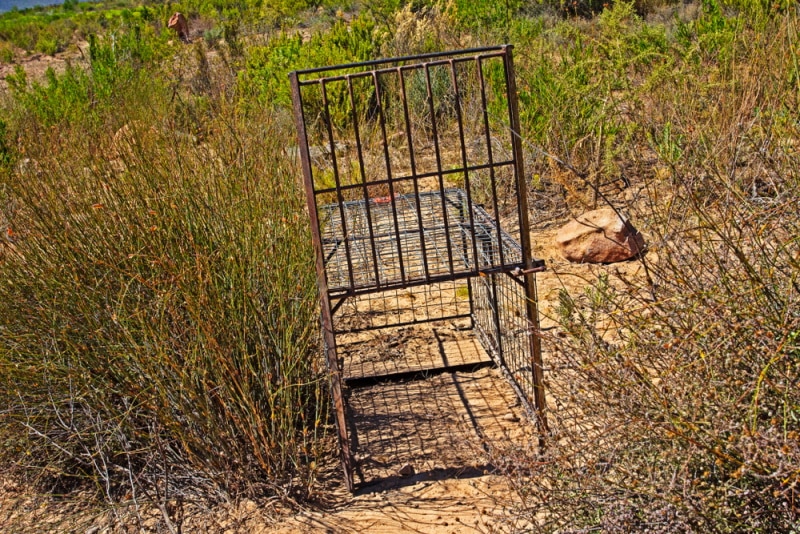
The trap should be pre-baited and tested to make sure that it functions properly. It's also important to check if the trap is legal, as there may be restrictions on the trap size and weight in certain areas.
4. Find a Place to Hold the Cats
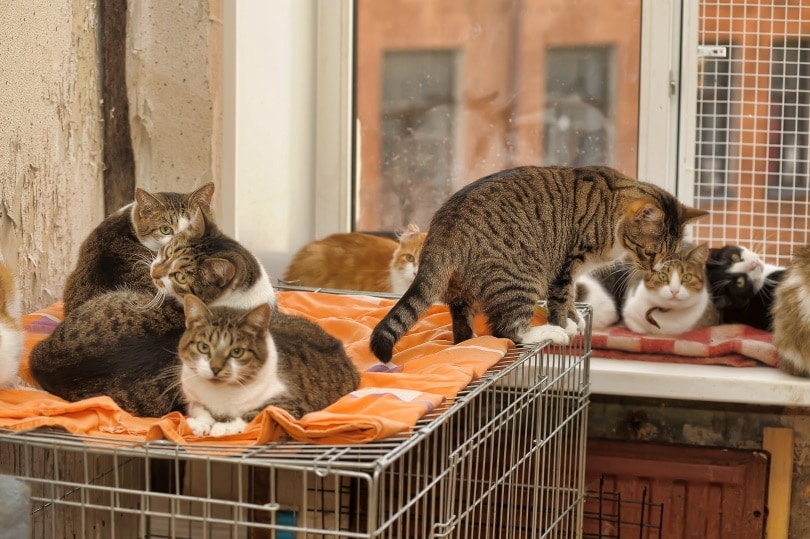
Once the trap is set, volunteers will need to find a place to hold the cats until they can be taken for treatment. This should be somewhere close and secure, such as an animal shelter or veterinary clinic.
This should hold the cats for about three to four days. This is enough time for them to recover from their surgery and receive any necessary vaccinations. Ensure the holding space is warm and shielded from the elements.
5. Gather the Necessary Equipment and Arrange for Transportation
Volunteers will need to gather the necessary equipment for trap-neuter-return, such as trap boxes, surgical items, carriers, and food. They'll also need to arrange for transportation of the cats from the trap site to a veterinarian or animal shelter.
6. The Action
The most exciting part is where you actually trap the cats. You'll first need to keep all the food under lock to make sure the cats are really hungry. If the cats aren't that hungry, they won't dare step into the traps.
Leave the traps out for about two to three days, even if you're only after a handful of cats. After you're satisfied with your catch, count all the cats you've trapped and transport them to the clinic. Leave the neutering to licensed veterinarians, and never try it by yourself.
7. Taking Care of the Cats
Once your trap-neuter-return mission is complete, you'll need to take care of the cats after their surgery. This involves keeping them in their holding shelters and monitoring them for any complications.
Also, make sure to provide them with enough food and water while they're recovering. After they've recovered, release the cats back into their trap site, or you can even re-home them if they're friendly.
The 4 Reasons the TNR Program Is Considered Important
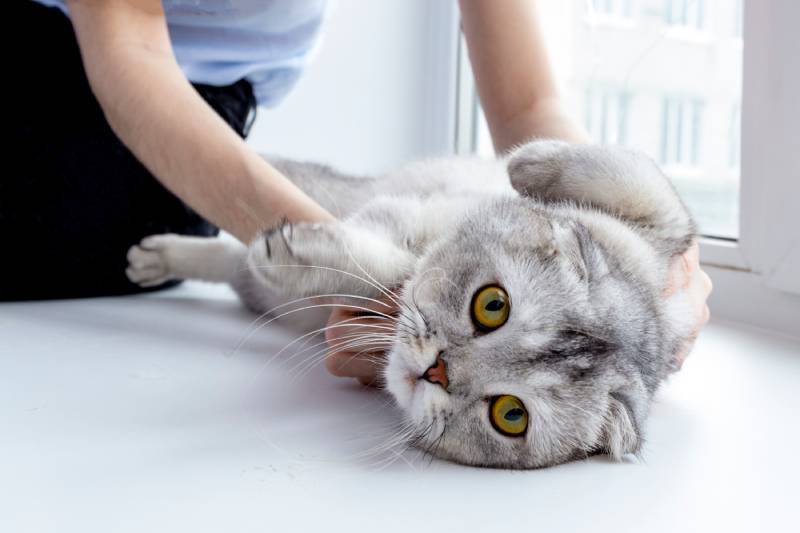
Without proper population control measures like TNR, the population of feral cats would spiral out of control. This would mean a huge burden on shelters and rescue groups, who are already struggling to keep up with the constant influx of cats.
Here are a couple of reasons why the TNR program is considered important:
1. To Keep the Feral Population in Check
TNR helps keep the population of feral cats in check, which is essential for preventing overpopulation and overcrowded shelters. It also helps restore order in the neighborhood and reduces the chances of inter-cat aggression and other behavioral issues.
2. To Vaccinate Feral Cats Against Rabies and Other Diseases
TNR helps to reduce the chances of feral cats spreading rabies and other diseases. Vaccinations help keep cats healthy and also protect them from being affected by infectious diseases. Remember, some of these diseases can spread to humans, so you're actually preserving your own health too.
3. To Reduce Human-Cat Conflict
Trap-neuter-return programs also help reduce the amount of human-cat conflict in the area since they decrease the number of feral cats. This is beneficial for both humans and cats, and it helps to limit the spread of diseases, reduces the amount of noise caused by cats fighting, and improves the overall quality of life in the area.
4. To Reduce the Cost of Controlling Feral Cat Populations
Trap-neuter-return programs are much more cost-effective than euthanasia, which can be expensive. TNR also helps to trap cats and neuter them, which is an important part of population control.
The TNR Controversy
TNR programs are not without their controversies. Chief among these is the fact that some studies have highlighted that such programs have not successfully controlled the population of cat colonies 1. However, this might be speculation to an extent, as some other studies have shown that such a program does work for population control in the long run 2.
People against TNR programs also argue that capturing a cat, no matter how humanely intentioned, is bound to cause them stress. Furthermore, they say that not all cats are suitable candidates for surgery or anesthesia.
However, it should be noted that despite these concerns, the health benefits of spaying or castrating (sometimes referred to as neutering) pets extends beyond population control. This means that even if a TNR program does not control feral cat populations as well as one hopes, it will still offer them other benefits which should not be overlooked. It also spares many cats from euthanasia, a measure that is sometimes used to control feral cat populations.
Final Thoughts
The trap-neuter-return program is an important part of population control for feral cats. It helps reduce the amount of human-cat conflict, keeps the feral cat population in check, and many people consider it more humane than euthanasia.
Are you struggling to keep up with the number of feral cats in your neighborhood? If so, it might be wise to explore the possibility of such a program.
See also:
Featured Image Credit: Dimitris Vetsikas, Pixabay
Get Hepper In Your Inbox


Pet care tips from our vets and experts, straight to your inbox.
You may opt-out at any time. View our Privacy Policy for more information.
Nicole is a lover of animals of all sizes but is especially fascinated with the feline variety. She’s the proud mom of Baby, a Burmese, and works every day so he can relax in the sunshine or by the fire. She’s always had a cat in her home and has spent countless days with others, observing behaviors and softening up even the grouchiest of the lot. Nicole wants to share her kitty expertise with you so you and your cat can live happy, healthy, and care-free.
Join the conversation
Ask a question, share your story, or send private feedback.