Hepper is reader-supported. When you buy via links on our site, we may earn an affiliate commission at no cost to you. Learn more.
When to Euthanize a Cat With Feline Leukemia - Our Vet Answers

In this article
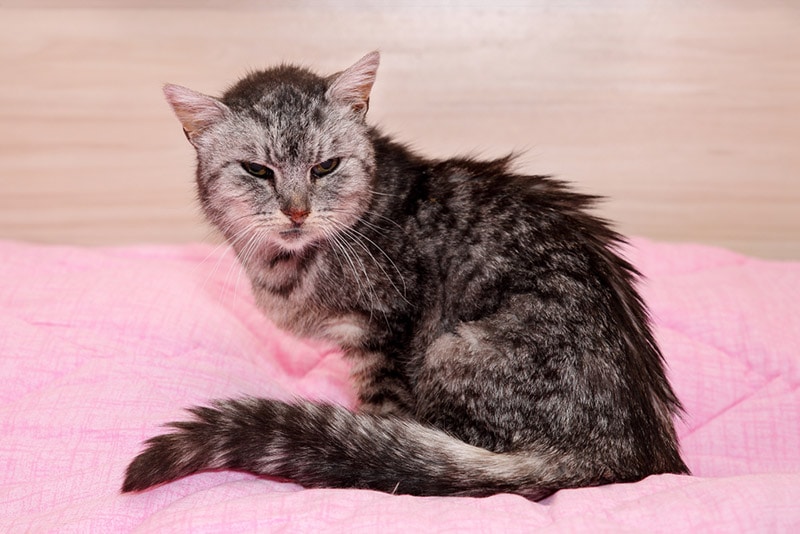
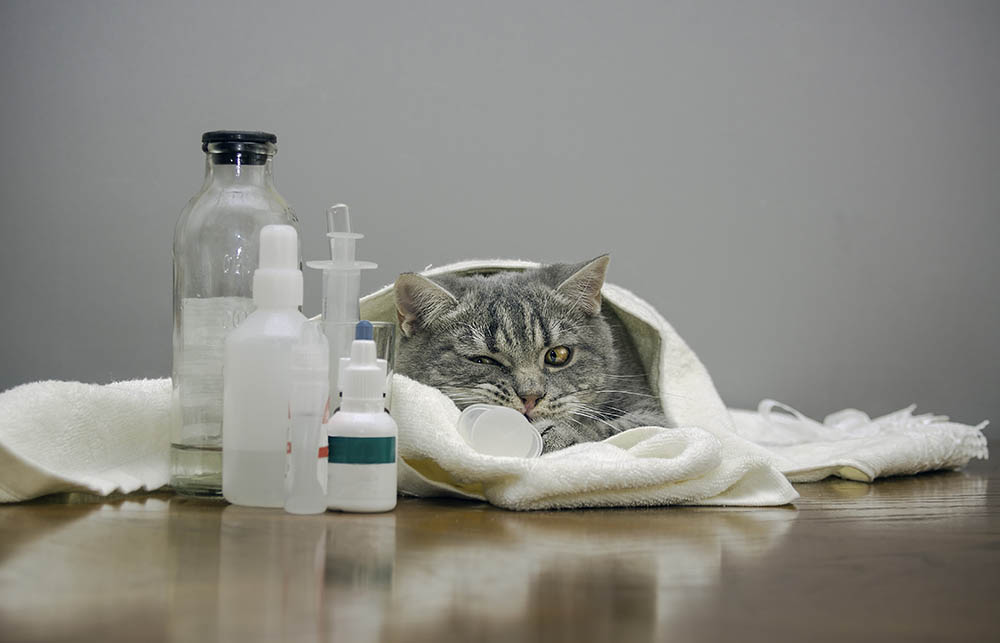
The decision to say goodbye to a family member is never easy. Cats fighting against feline leukemia have several struggles that they face, and there may be a time when their quality of life is brought into question. When the bad days outweigh the good days, it may be time to gently say goodbye. Fortunately, we can relieve suffering through humane euthanasia.

Feline Leukemia
Feline leukemia (FeLV) is a virus that affects white blood cells in cats. Unfortunately, the leukemia virus can lead to the development of cancers, like lymphoma, and a weakened immune system. Supportive therapies1 can be initiated for the treatment of secondary complications like anemia and infections. Although secondary infections may be treatable for a period with antibiotics, the virus is not curable, and the disease process is progressive.
Unfortunately, supportive modalities will eventually fail to bring clinical improvement to affected cats. Patients with feline leukemia typically pass within 3–4 years after the diagnosis is made.

How Will I Know It Is Time to Say Goodbye?
It is true that no one knows your pet like you do. Pet parents often describe a gut feeling that is present when they feel that it is time to say goodbye. You should not hesitate to reach out to your primary care veterinarian to discuss your concerns and to hear their medical opinions on your cat’s condition.
If your cat is experiencing infections that do not respond to treatment, has progressive weight loss, persistent reduction in appetite, weakness, or other signs that can be associated with prolonged illness, it may be time to consider humane euthanasia. If you are having a challenging time recognizing the right time to say goodbye to your beloved companion, below are a few factors you may want to consider that might help guide you.
Is My Cat Enjoying Their Day-to-Day Life?
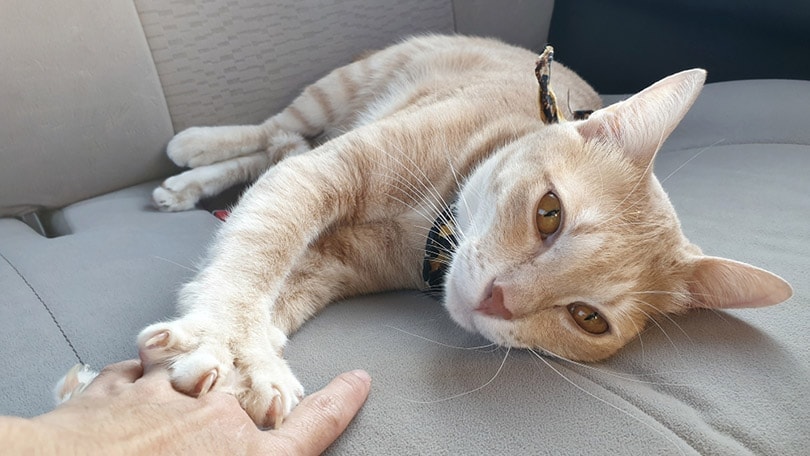
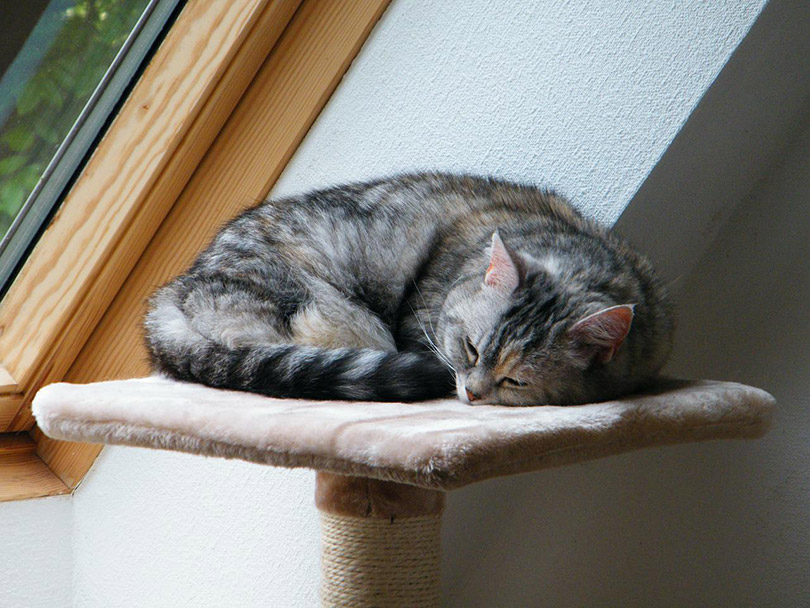
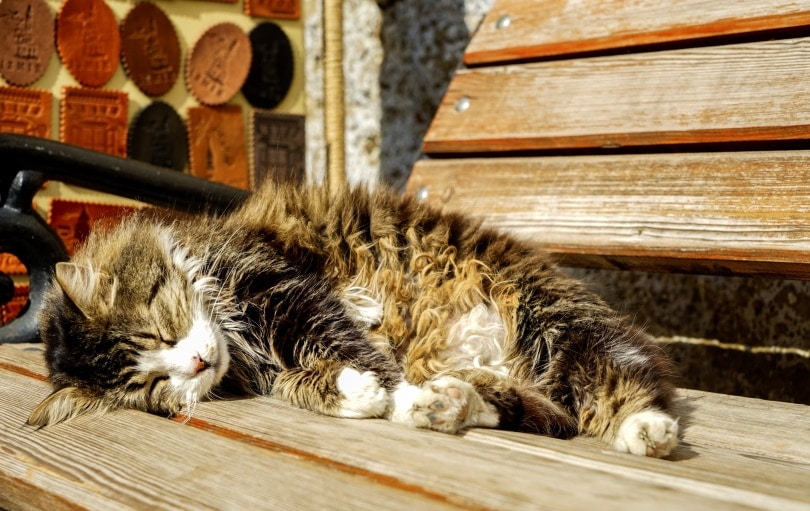
Think of some of your cat’s favorite things to do. When they stop showing interest in their favorite things, their quality of life is likely diminished. For example, some cats may show happiness and contentment through sunbathing, eating, and socializing with their family members. Owners may know that their cat companion is no longer happy when their cat is no longer doing the things they once loved.
Is My Cat in Pain?
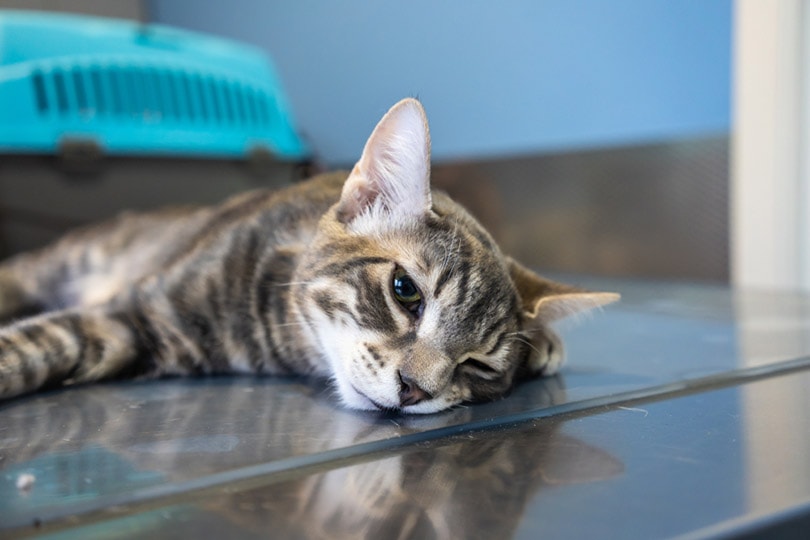
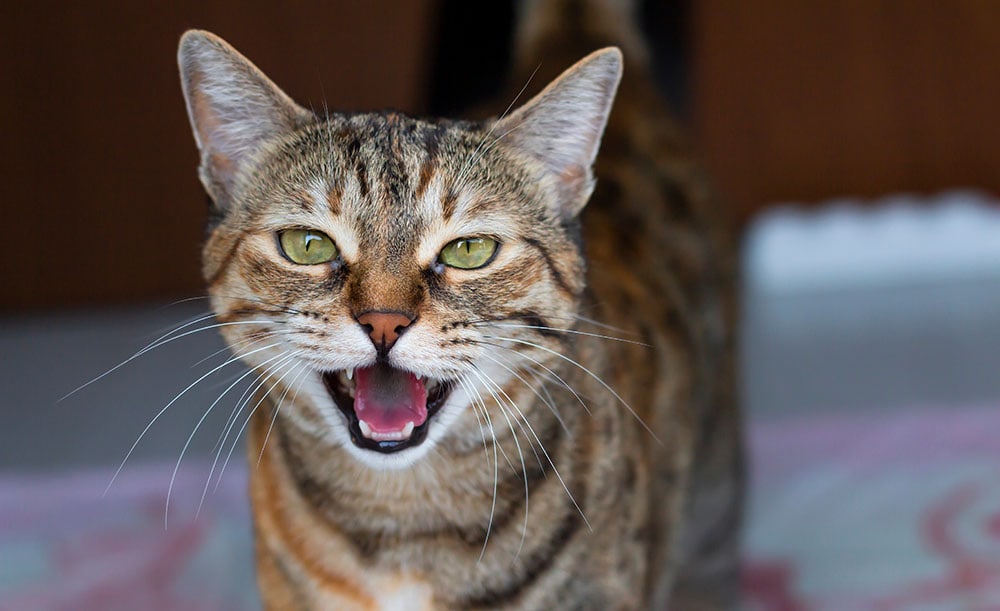
Cats are known for being stoic creatures, so showing signs of discomfort may be harder to recognize. Signs of pain may vary between cats but may include:
- Increased vocalization
- Hiding
- Decreased appetite
- Being stationary
- Walking with the tail down
- Avoidance of family
- Aggression
- Lowered head
- Squinting of eyes
Does My Cat Have a Favorable Long-term Prognosis?
Taking the overall prognosis into consideration can be helpful when considering humane euthanasia. Unfortunately, feline leukemia is not curable. Feline leukemia is a complicated disease process that is progressive in nature. Once leukemia-infected cats are showing signs of weight loss, appetite reduction, lethargy, or reoccurring infections, the likeliness of improvement is unlikely.
What Is Euthanasia?
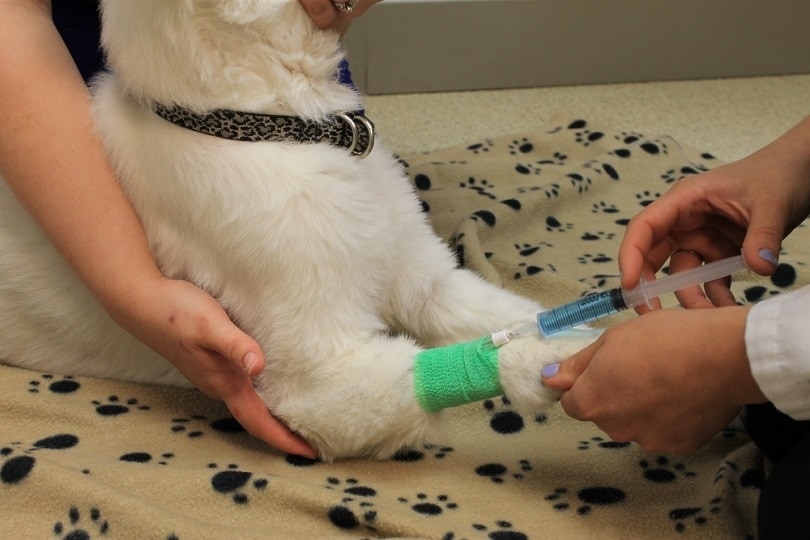
Euthanasia is a controlled way of passing on and is performed by veterinarians through the administration of a drug. Euthanasia is considered when the prognosis for a pet is poor or when suffering needs to be relieved.
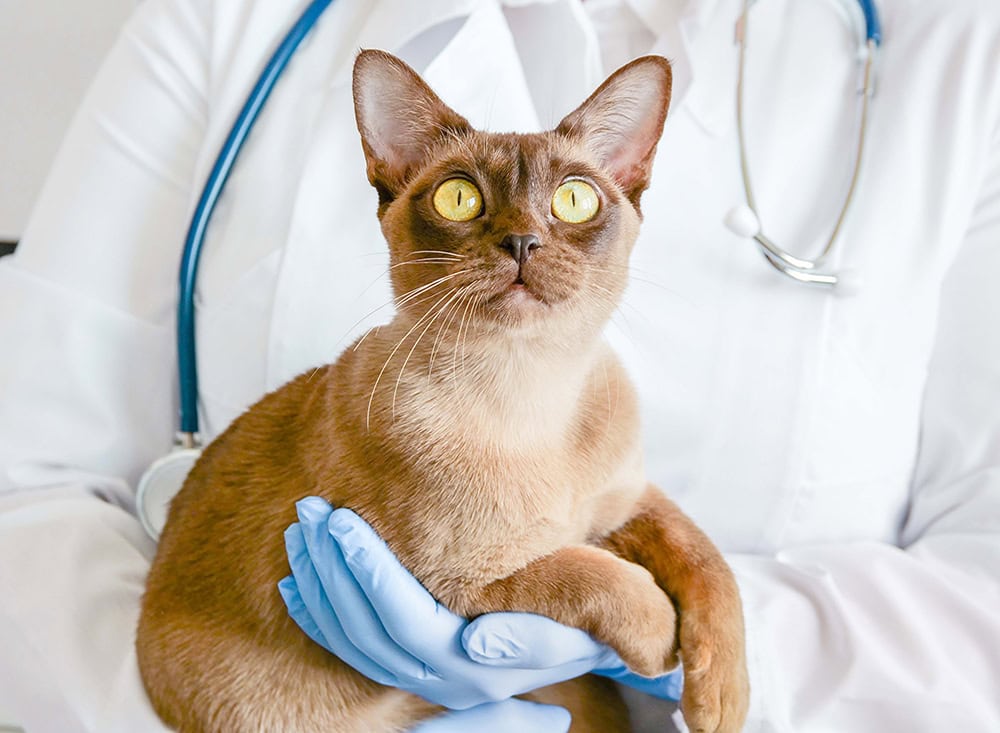
When a family decides that it is time to let their beloved companions pass, they can consult with their veterinarian to hear more about the process. Your veterinarian will likely perform an examination on your pet to ensure that euthanasia is a proper option, especially if your pet has not recently been examined.
What Does the Process of Euthanasia Entail?
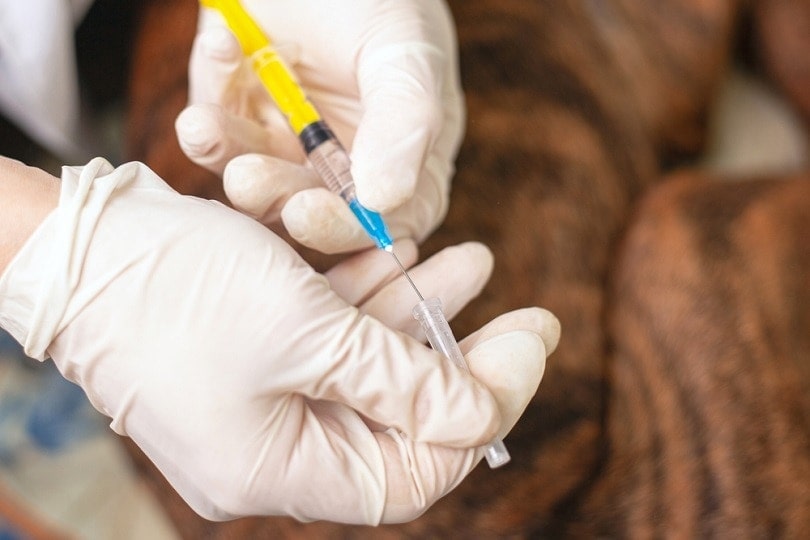
Once the decision has been made for humane euthanasia, your veterinarian will administer a sedative. The sedative will cause your cat to become sleepy and relaxed. Once the sedative has taken effect, a final drug will be administered into the bloodstream. The medication quickly slows the heart until it stops. Some owners choose to be present during the euthanasia process, while others do not.
After the final drug has been administered, the veterinarian will carefully listen to your cat’s chest to confirm their passing. Once it has been confirmed that they have passed, you will be given the opportunity to spend time with your companion if you wish. There is no rushing of this process, and you should feel free to take the time you need. The selected means of aftercare will be initiated by your veterinarian and veterinary staff. For some owners, at-home burial is selected, while other families elect cremation.
Final Thoughts
The decision to euthanize is a personal decision that is made to alleviate patient suffering. Saying goodbye to your feline leukemia-positive cat through humane euthanasia doesn’t mean that you are giving up or that you are a bad pet parent. Euthanasia allows for your pet’s final moments to be spent free from pain and without struggle. Consider speaking to your veterinarian if you feel that it is time to allow your beloved cat to gently pass.
See also:
Sources
Featured Image Credit: fukume, Shutterstock
Get Hepper In Your Inbox


Pet care tips from our vets and experts, straight to your inbox.
You may opt-out at any time. View our Privacy Policy for more information.
Meet Dr. Marti Dudley, a dedicated small animal veterinarian who possesses a strong passion for preventive medicine and client education. She takes pride in serving as a valuable resource for pet owners, firmly believing that a collaborative approach results in the optimal care for our beloved animal companions. In addition to her clinical work, Dr. Dudley has a fondness for writing, using this skill as an innovative means to educate pet owners beyond the confines of the traditional veterinary office setting.
Meet Dr. Marti Dudley, a dedicated small animal veterinarian who possesses a strong passion for preventive medicine and client education. She takes pride in serving as a valuable resource for pet owners, firmly believing that a collaborative approach results in the optimal care for our beloved animal companions. In addition to her clinical work, Dr. Dudley has a fondness for writing, using this skill as an innovative means to educate pet owners beyond the confines of the traditional veterinary office setting.
Professional Background:
Dr. Dudley has been actively practicing veterinary medicine since 2014, accumulating a wealth of experience. Her special interest lies in preventive care, and she places significant emphasis on the importance of educating clients about the well-being of their pets. Dr. Dudley's professional journey in veterinary medicine has been diverse, having worked as a general practitioner, affording her the opportunity to encounter and address a wide array of medical conditions in animals.
Educational Achievements:
Dr. Dudley's academic background includes a bachelor's degree in biology earned from Longwood University in Virginia. She further pursued her passion by obtaining a Doctor of Veterinary Medicine (DVM) degree from Ross University.
Join the conversation
Ask a question, share your story, or send private feedback.