Hepper is reader-supported. When you buy via links on our site, we may earn an affiliate commission at no cost to you. Learn more.
What Is Cat Grass? Vet-Reviewed Benefits & How to Grow It


In this article
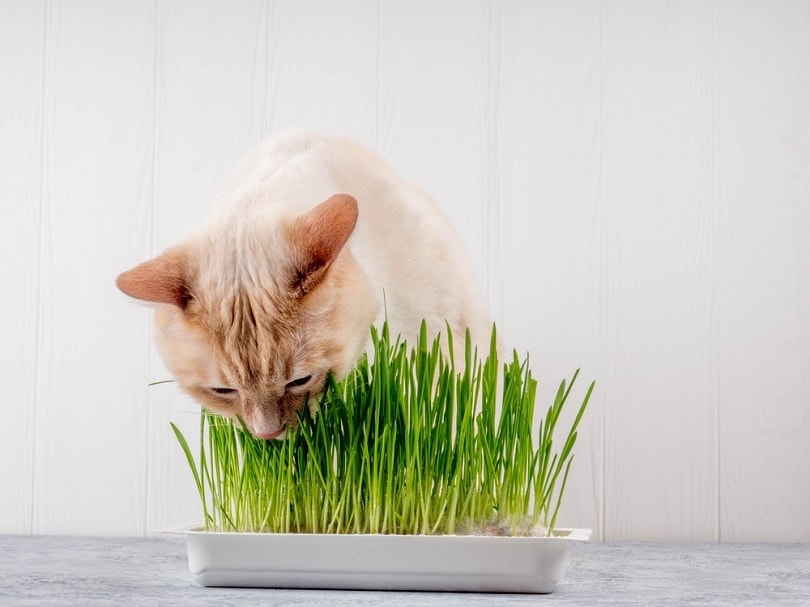
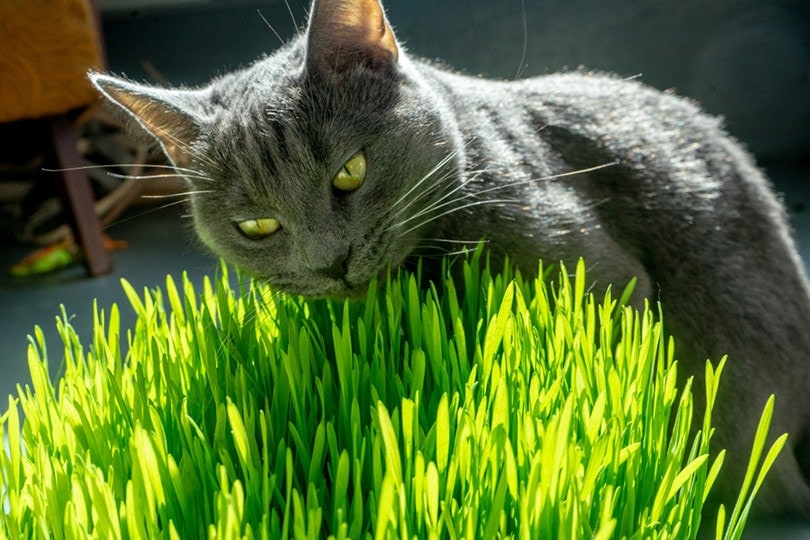
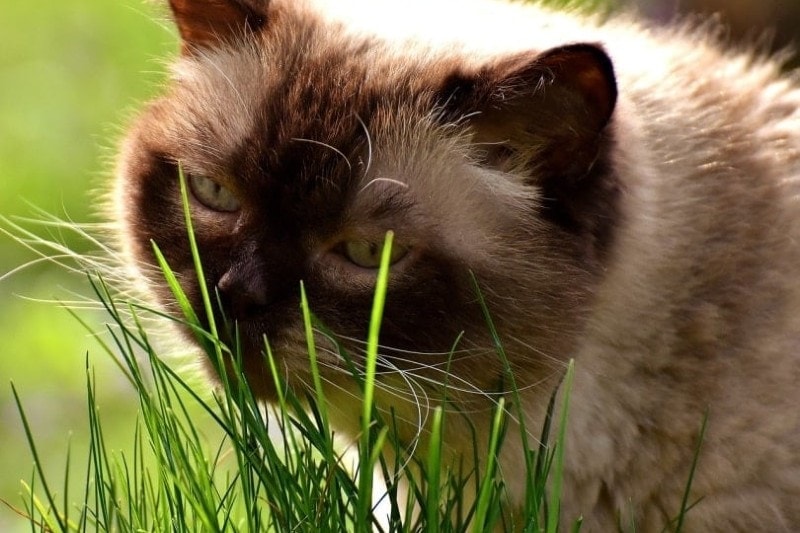
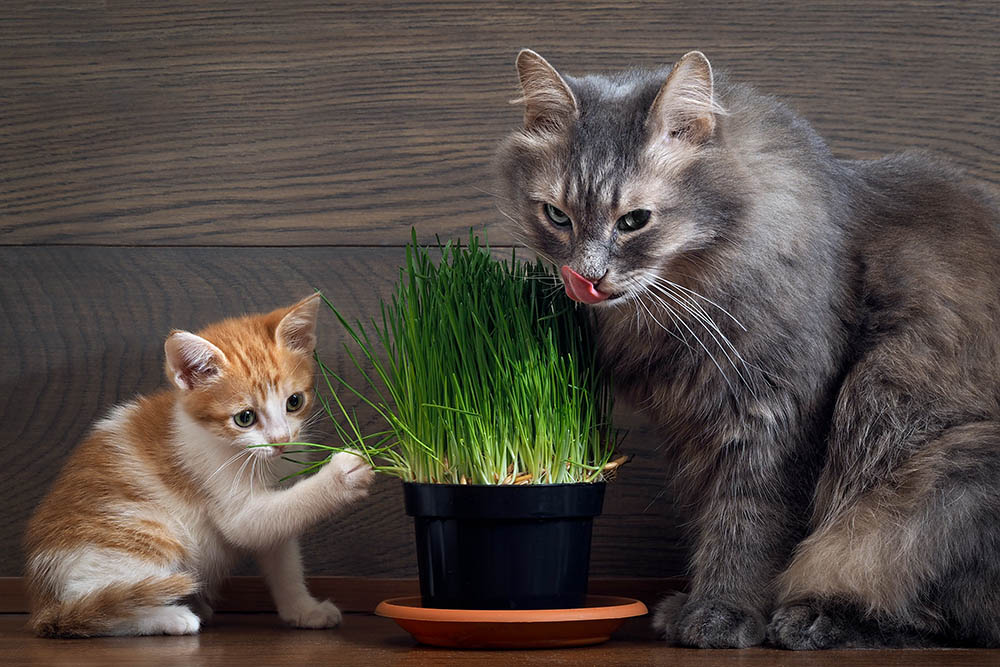
Cat grass is often sold at pet stores as a diet supplement for cats. Since cats are carnivores, it seems counterintuitive to feed them grass. The truth is that eating grass and other leafy green plants is common behavior for many carnivores in the wild. Your kitty may be domesticated, but they still retain their wild, predatory instincts. Many cats love eating grass and eat it to support their digestive system. This has inspired some cat owners to not only feed cat grass but to grow their own.

What Is Cat Grass?
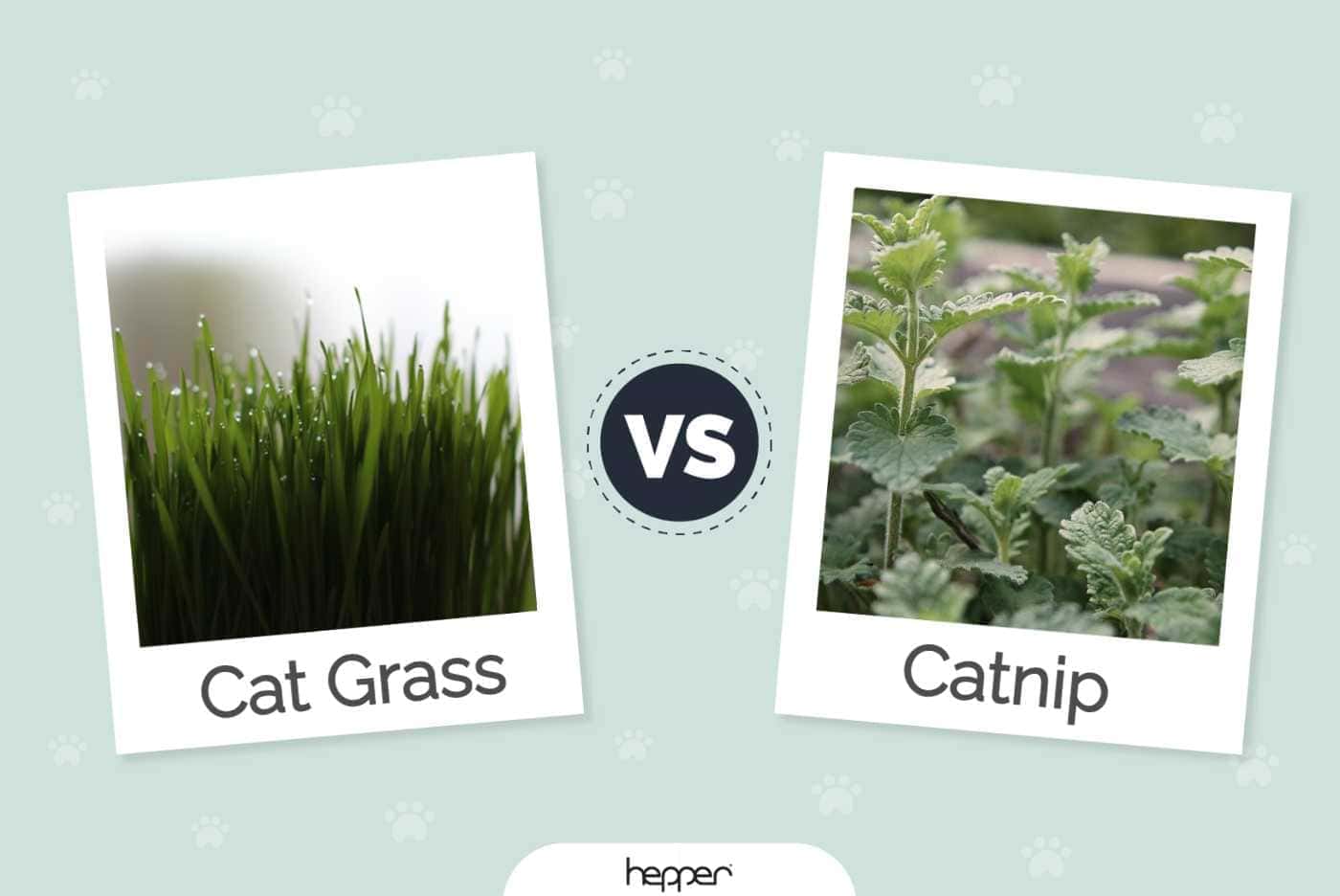
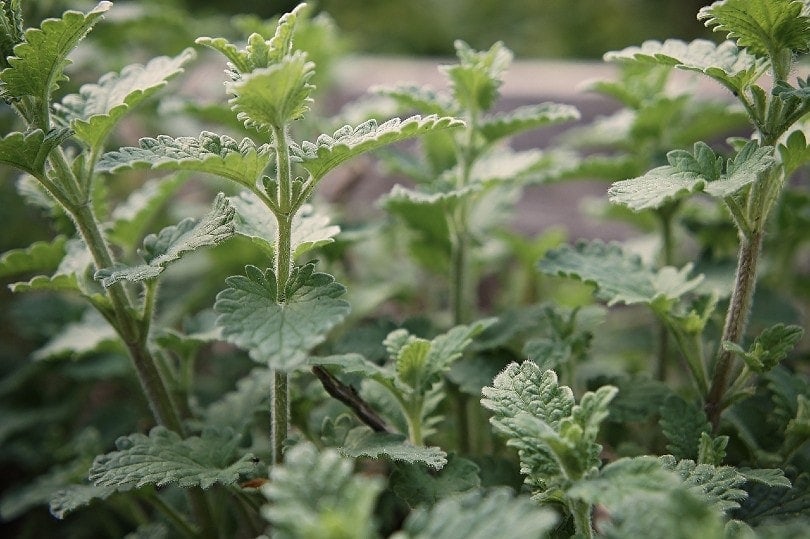
Cat grass looks like the grass growing in your lawn, but it’s not exactly the same. Grass comes in many different varieties, and not all of them are healthy for felines. Cat grass is a grass that’s safe for cats to eat. It usually consists of rye, barley, wheat, oat, or alfalfa seeds. Cat grass is not catnip, nor is it a related plant. Catnip belongs to the mint family and produces a euphoric effect in cats. Cat grass does not have any behavioral effects on cats but provides them with vitamins, minerals, antioxidants, and fiber to help support digestion.
Do Cats Like Cat Grass?
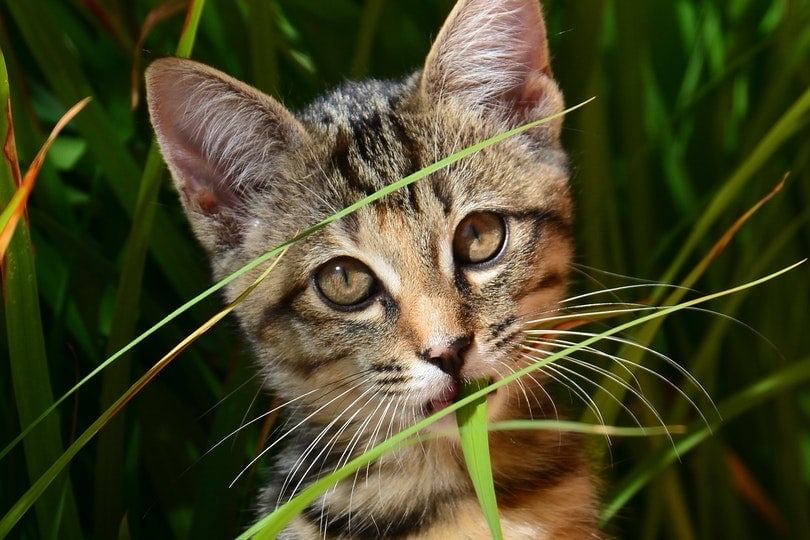
If you ever have the opportunity to observe an outdoor cat playing in the grass, you might notice that they nibble on it frequently. This is a natural behavior for cats. Many of them enjoy the feeling of chewing on grass. In the wild, it was previously suggested that cats eat grass after catching prey, as it helps rid their body of any indigestible parts. While your cat may have never caught a bird or a mouse, they still retain this instinctive behavior.
It was also previously believed that some cats eat grass as a remedy for an upset stomach after they’ve eaten something that’s hard to digest. Cats can’t actually digest grass because they don’t have the right enzymes to do so, and they can vomit after eating it. While none of us like the idea of cleaning up cat vomit, it’s actually a very natural way for your cat to rid their stomach of excess fur, internal parasites, bones, or feathers. Nowadays, research has shown that eating grass has an effect on expelling intestinal parasites and may be the reason cats are eating it, as it increases muscle contractions of the gut.
Cats also may benefit from eating grass due to vitamins and minerals it contains. Cat grass contains chlorophyll, which is an ancient human remedy for ulcers, infections, pain, and anemia. It’s important to note that while many people used chlorophyll for these purposes prior to the invention of antibiotics, there isn’t enough scientific evidence to support its medicinal properties. What chlorophyll does do, however, is give your cat fresh breath.
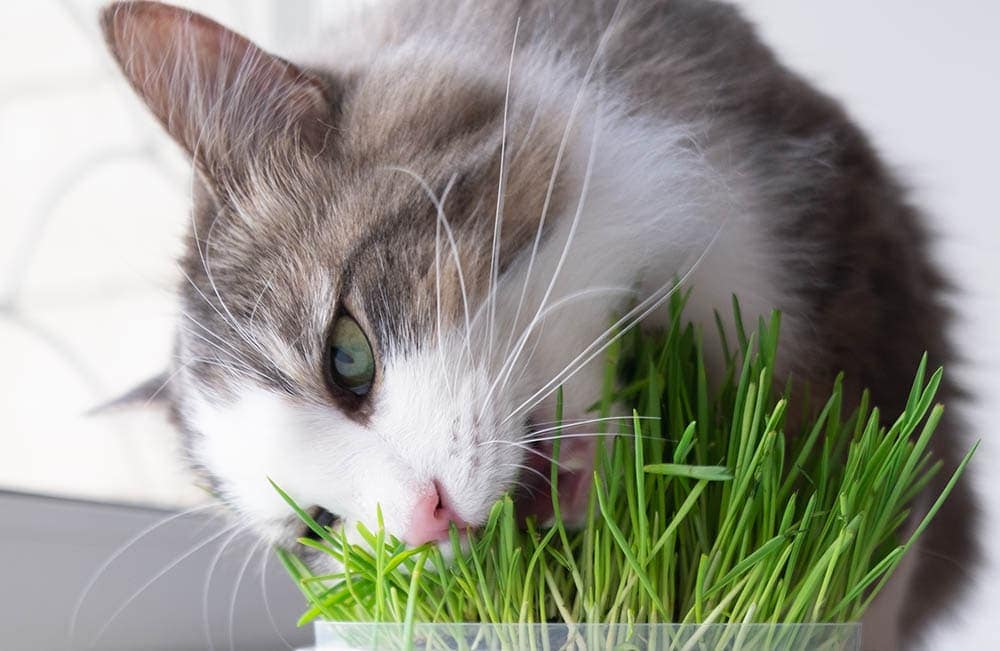
Is Cat Grass Safe?
Cat grass is certainly a safe alternative to outdoor grass, as outdoor grass is often treated with pesticides and herbicides. It can also contain different varieties of domestic plants, which can be toxic for your kitty. It’s safer to provide an indoor garden with cat grass grown in a controlled environment than it is for your cat to nibble on your lawn.
Benefits of Eating Cat Grass
There are several health benefits that your cat obtains from consuming cat grass:
- Relief from indigestion
- Natural laxative properties
- Parasite prevention
- Hairball removal
- Essential vitamins and minerals
- Mental stimulation

Where Do You Get Cat Grass?
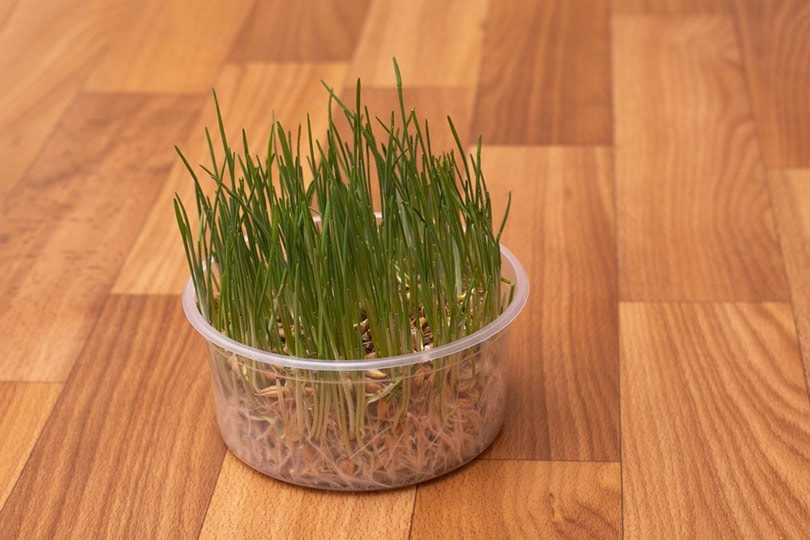
Cat grass can usually be purchased in small packages at your local pet store. You can also grow your own. Both Chewy and Amazon sell cat grass kits and seeds to get you started. Most cat grass seeds will start producing within the first week and require minimal care.
How to Grow Cat Grass
Commercial cat grass kits will have directions on how to grow your own cat grass. They usually look something like the following:
- Keep seeds damp.
- Use less water once the seeds begin to sprout in 3 to 7 days.
- Your grass should be approximately 4 inches tall after 2 weeks, at which point you can give your kitty access to the grass.
- Cat grass lasts between 1 and 3 weeks if watered daily and given access to sunlight.
- Overwatering can cause mold on your cat grass, so be careful not to do this.
- When your cat grass begins to wilt, you can re-start the growing process with new seeds.
How Much Cat Grass Should You Give Your Cat?
You can give your cat access to cat grass directly from the container. It should be kept separately from other houseplants so that your cat can distinguish between “safe” and “unsafe” plants. It’s okay to give your cat full-time access to cat grass, but you should also watch their behavior around it. They should only be ingesting cat grass in small amounts at a time.
If your cat is frequently vomiting, it may be best to only give them occasional access to grass. If you find that your cat can’t get enough cat grass, it could be because of a nutrient deficiency in their diet. In this case, consult your veterinarian to ensure your kitty is getting enough nutrition from their food. You may need to change their food or add supplements to their diet.
Final Thoughts
There are several reasons you may want to grow cat grass for your cat. It provides your cat with a safe feeding ground for instinctive grass-eating behavior. Cats can obtain several health benefits from eating cat grass, and it provides them with a healthy chewing outlet. Many cats enjoy chewing on grass, and it can help settle sensitive stomachs while providing them with additional nutrients and fiber.
Sources
How to Grow Cat Grass : 5 Steps (with Pictures) - Instructables
Where the Green Grass Grows: Grass Treats for Cats | VCA | VCA Animal Hospitals
Estimated proximate composition of wheat grass powder and chlorophyll content of fresh wheat grass
Oat grass | Cereal Grass, Edible Grain & Nutritious Food | Britannica
Featured Image Credit: Irina Kozorog, Shutterstock
Get Hepper In Your Inbox


Pet care tips from our vets and experts, straight to your inbox.
You may opt-out at any time. View our Privacy Policy for more information.
Oliver (Ollie) Jones is a zoologist turned freelance animal writer living in South Australia with his partner Alex and their mini zoo consisting of many aquatic creatures, dog Pepper, and of course, cat Steve. Ollie is originally from the USA and holds a Master's degree in wildlife biology. He hopes to share his feline knowledge and expertise with people so they can share in his passion and help their cats live their best lives.
Join the conversation
Ask a question, share your story, or send private feedback.