Hepper is reader-supported. When you buy via links on our site, we may earn an affiliate commission at no cost to you. Learn more.
6 Types of Cat Grass: Benefits & How to Grow Them

In this article
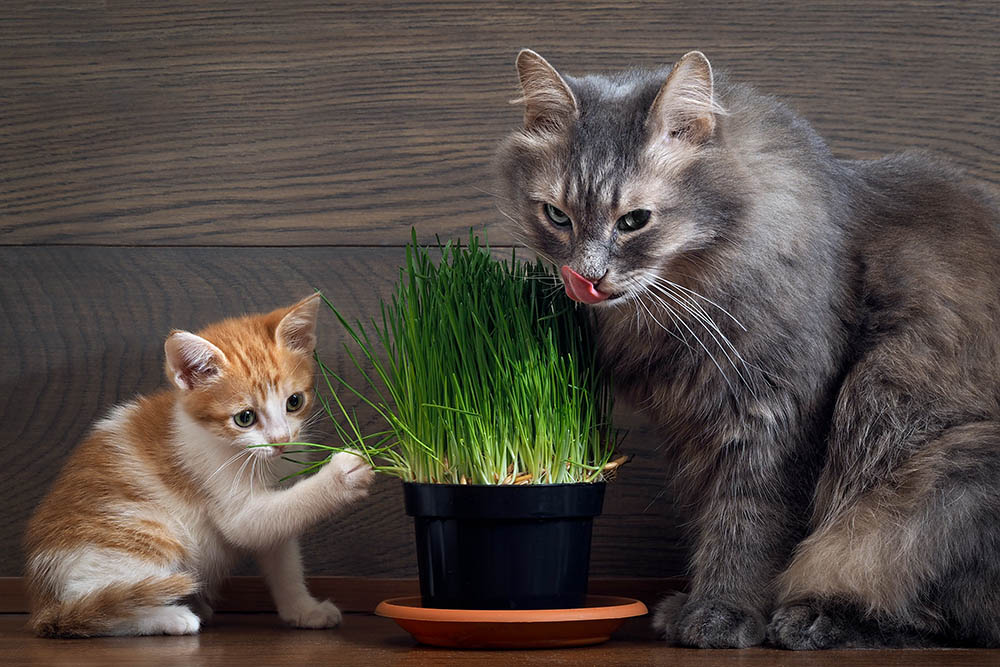
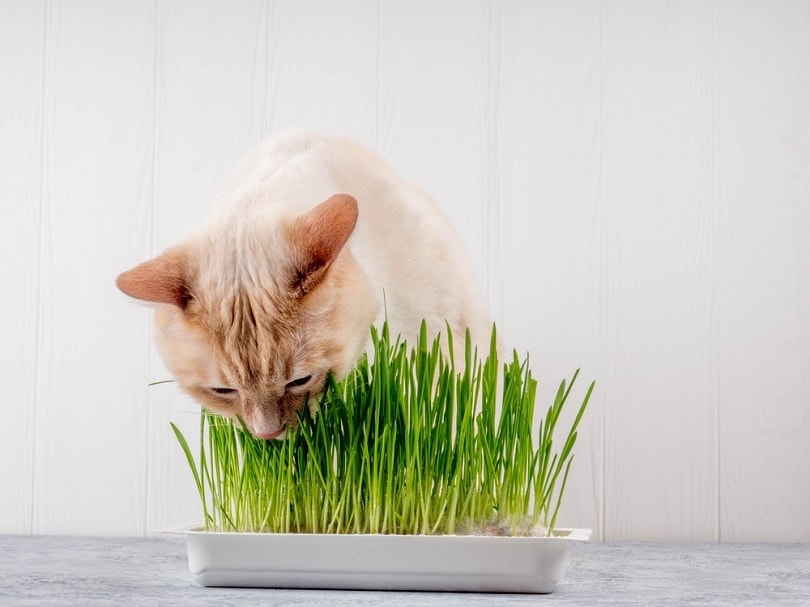
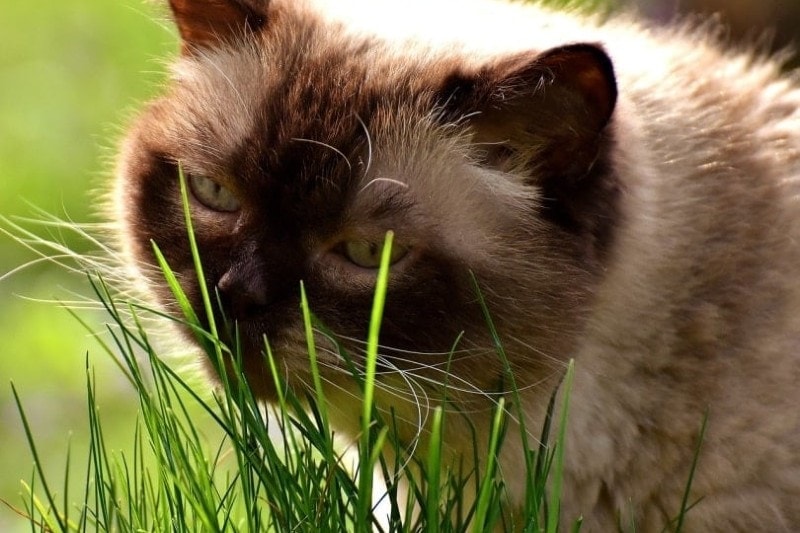
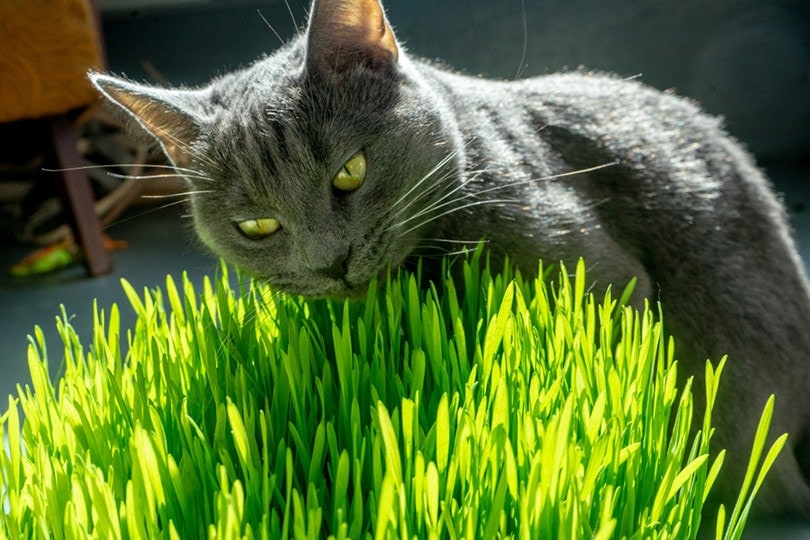
Many cats occasionally like to graze on grass and other greens. It acts as a digestive aid and can help reduce hairballs. Many people like to grow cat grass in their homes to satisfy their cat’s urge to chew, and if you're thinking of doing the same thing, keep reading as we list several different types and tell you about each so you can choose the best one for you and your pet.

The 6 Types of Cat Grass
1. Wheatgrass
Benefit: Easy to grow, high in nutrients
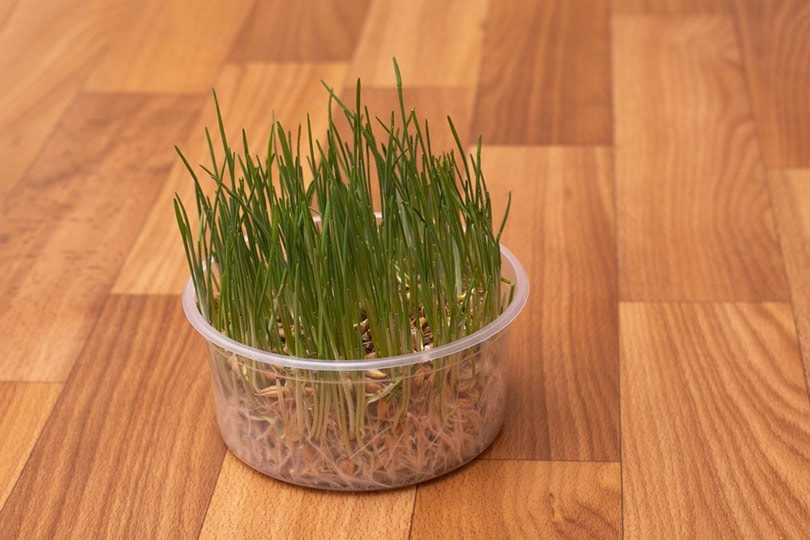
Wheatgrass is one of the most popular types of cat grass and is the basis of many commercial brands. It is easy to grow and has a flavor that many cats like. It’s packed with important vitamins like A, E, and C. It grows within a week if you scatter the seeds over a pot of soil, cover them lightly with soil, and keep them damp but not soggy.
2. Barley Grass
Benefit: Easy to grow, high in nutrients
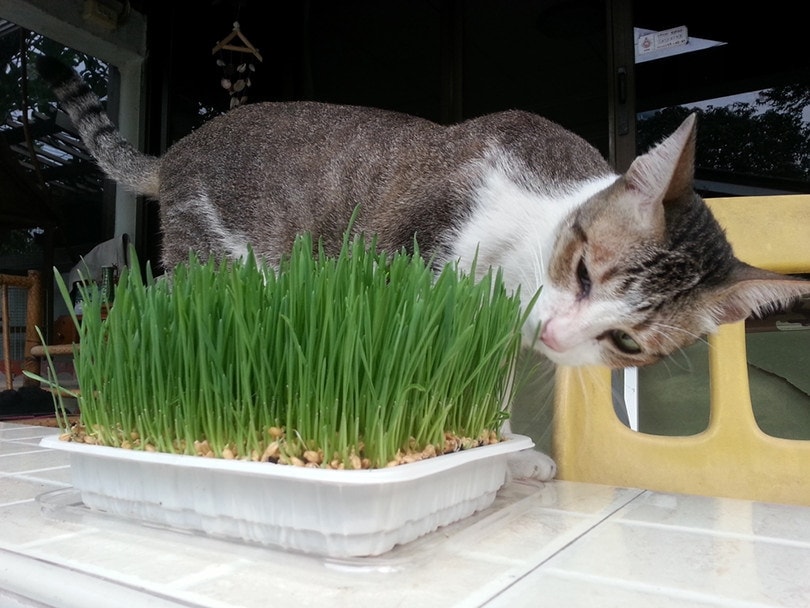
Barley is a popular grass with a sweeter flavor than wheatgrass. It has plenty of vitamins, including A, C, and E. Barley also grows easily: Scatter the seeds over the soil in a pot, cover them with a small amount of dirt, and water them so they stay damp but not moist. After about a week, you should begin seeing sprouts.

3. Oat Grass
Benefit: Easy to grow, high in nutrients
Oat grass is similar to the other two cat types of grass on this list. It grows easily and provides your pet with important vitamins, so many manufacturers use it as a common ingredient in commercial cat grasses. It grows within 1 week if you scatter the seeds over the soil, cover them lightly, and water them to keep them moist.
4. Rye Grass
Benefit: Easy to grow, high in nutrients
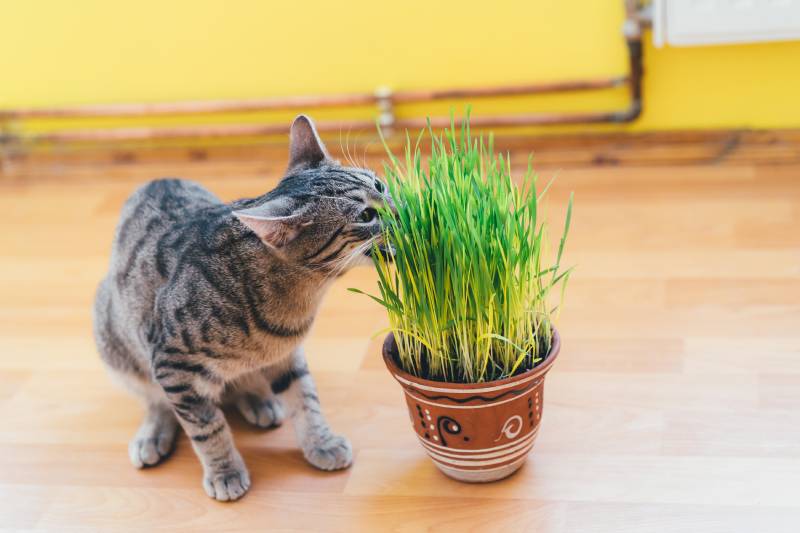
Ryegrass is more challenging to grow than wheat, barley, or oats, but it still has plenty of vitamins, making it a good snack for your pet. To grow it, scatter the seeds over the soil, cover them lightly, and water them to keep them damp but not soggy. They will sprout in about 1 week, though you can expect several ungerminated seeds.
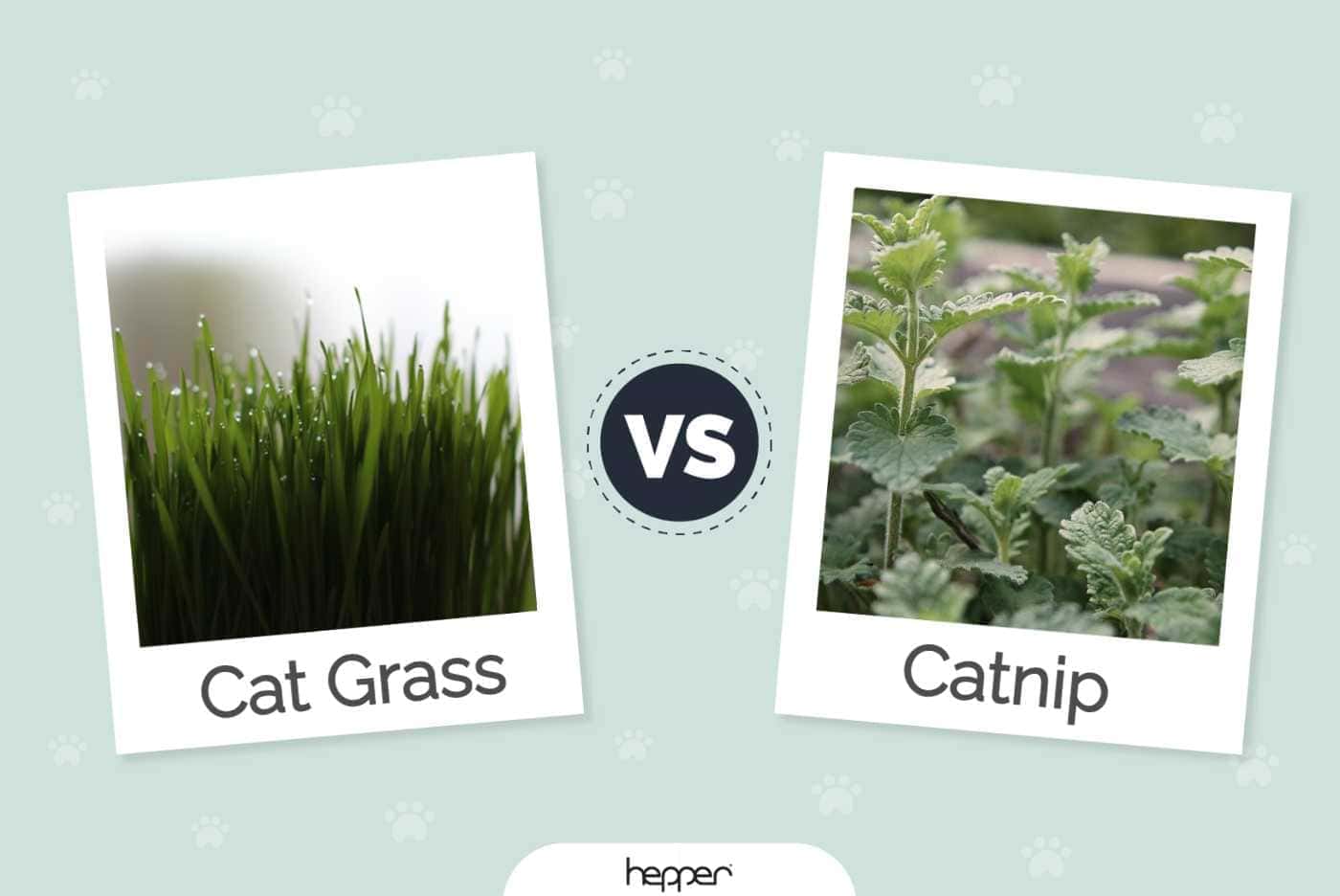
5. Catnip
Benefit: Easy to grow, produces a safe and natural sedative
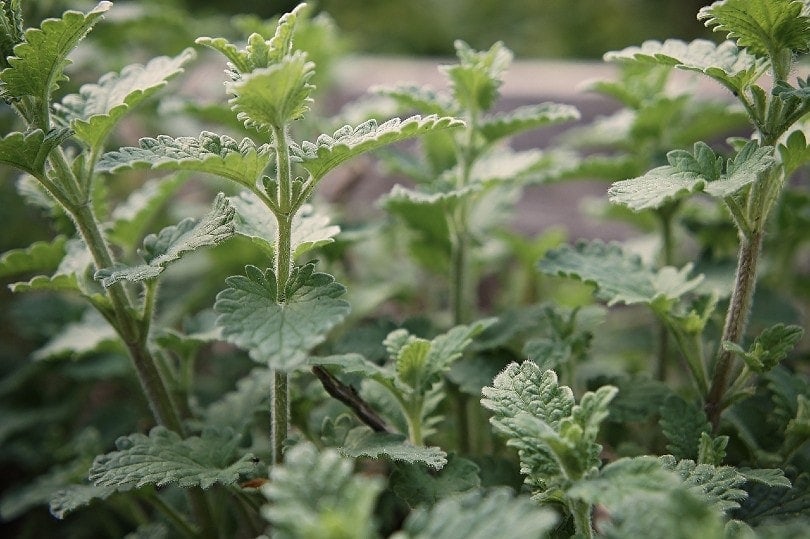
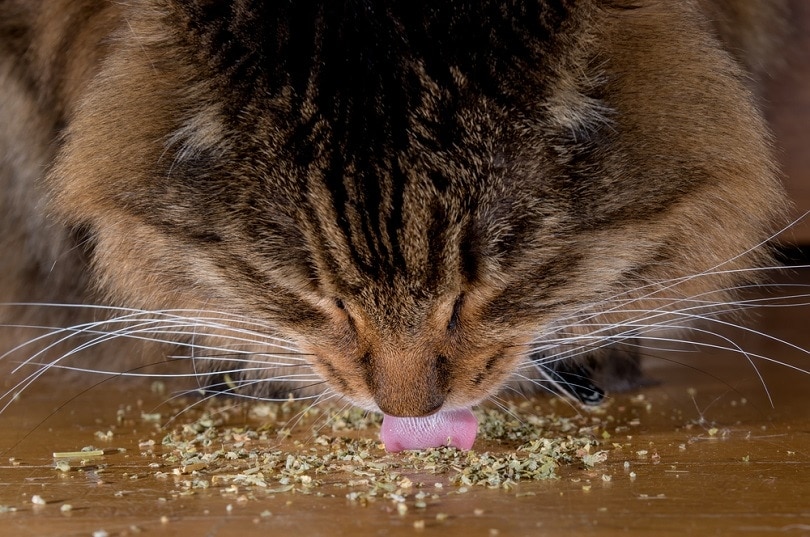
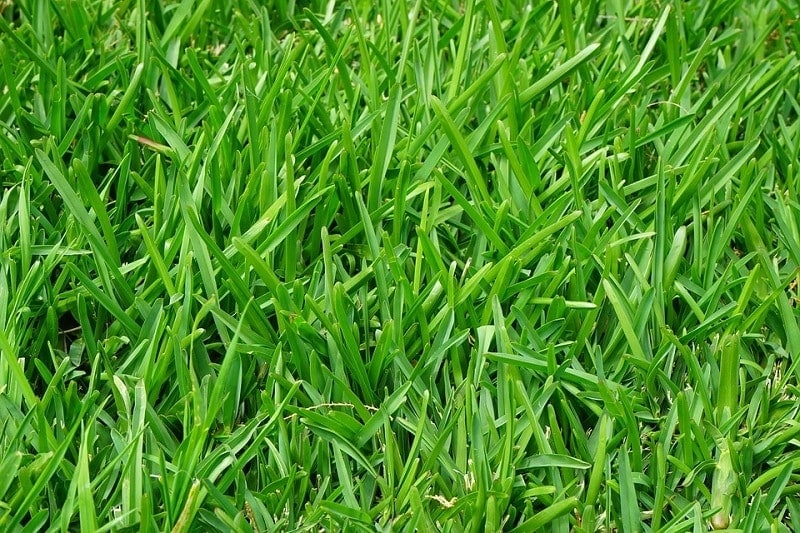
Catnip is more of an herb than a grass and is a member of the mint family. It is extremely popular with cats, though, and acts as a natural sedative that often makes cats act silly for a few minutes. It’s also a healthy snack. Plant the seeds about 1/8 inch deep in a container filled with soil, and water them regularly to keep them damp but not soggy. You should start to see sprouts in a few weeks.
6. Cat Thyme
Benefit: Pleasant fragrance, natural insect repellant
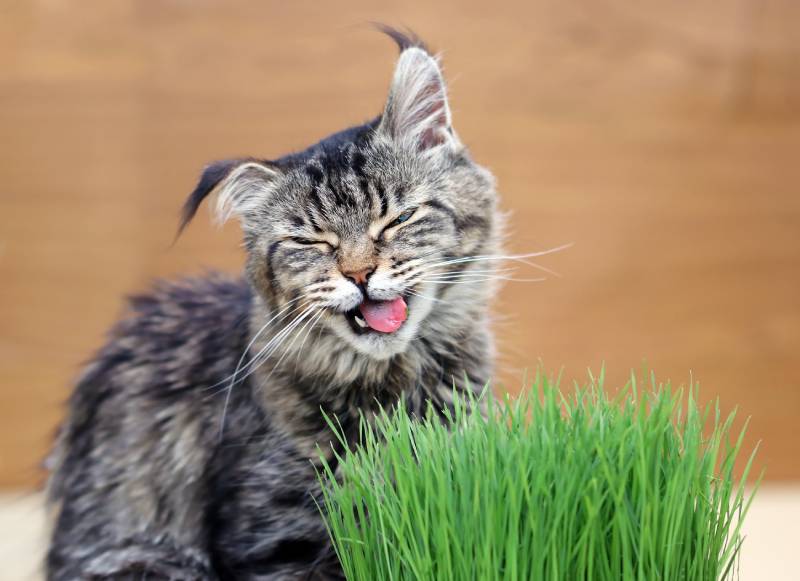
Cat thyme is an herb with a strong fragrance that cats seem to enjoy, and it also works as an insect repellant to help keep your home free of bugs. This uncommon houseplant prefers warm weather and plenty of sunlight, so growing it can be difficult. To get it going, plant the seeds in a pot filled with potting soil, and water them to keep them damp but not soggy. Place the container less than 1 foot from a window that gets plenty of sunlight, and in a few weeks, you should start to see the plant sprouting.
The 6 Tips for Growing Cat Grass
1. Choose the Right Container
The first step in growing cat grass is choosing the right container. Any container will work as long as there are plenty of drainage holes and it’s large enough to accommodate the grass. Many gardeners recommend a shallow tray or a pot with a wide opening.
2. Select the Right Soil
High-quality potting soils that are free of bugs and pests are ideal. You can usually find one at your local home improvement center, or you can make your own by mixing equal parts of peat moss, vermiculite, and perlite.

3. Plant the Seeds
When the container and soil are ready, plant the seeds by scattering them evenly over the soil, then cover them with a thin layer of soil.
4. Water Regularly
Cat grass needs plenty of water to grow, but it’s important not to overwater, or it can lead to root rot, killing off the grass before your cat can enjoy it. Water in the morning, and keep the soil damp but not soggy for the best results.

5. Provide Plenty of Light
All kinds of cat grass require plenty of light to grow quickly. Place your containers in an area of your home where they will receive at least 6 hours of sunlight each day. If you can’t guarantee that much, use a grow light as a supplement.
6. Allow Time to Grow
While most cat grass will start producing sprouts in just a few days, it’s important to be patient and keep watering it for a few weeks until it’s several inches tall and ready for your cat to eat.
Final Thoughts
Growing cat grass is a great way to provide your cat with a healthy snack that can also help with their digestion and even reduce hairballs. Wheatgrass, barley, and oat grass are all great choices that grow quickly and easily, and they are the most common types that you find in the store. Catnip is also ideal because cats are fun to watch when they interact with it, and it also produces pretty flowers and has a nice fragrance. We recommend trying out different kinds to see what your cat prefers.
Featured Image Credit: Boumen Japet, Shutterstock
Get Hepper In Your Inbox


Pet care tips from our vets and experts, straight to your inbox.
You may opt-out at any time. View our Privacy Policy for more information.
Ed Malaker is a veteran writer who has contributed to a wide range of blogs that cover pets, tools, guitars, fitness, and computer programming. When he’s not writing, Ed is usually performing DIY projects around the house or working in the garden. He’s also a musician and spends a lot of time helping people fix their guitars and composing music for independent films.
Join the conversation
Ask a question, share your story, or send private feedback.