Hepper is reader-supported. When you buy via links on our site, we may earn an affiliate commission at no cost to you. Learn more.
How to Grow & Harvest Catnip: 8 Great Tips
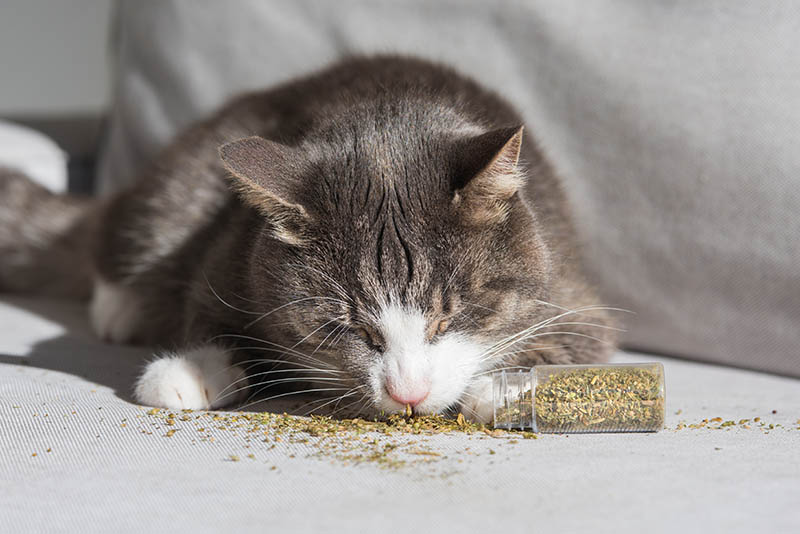
There is no doubt that most cats love catnip, especially during playtime. If you have a feline that is fond of catnip, you might be looking to grow and harvest your homegrown catnip for your cat to enjoy. The catnip plant, which is an aromatic perennial herb known as Nepeta cataria, can be grown both indoors and outdoors where it flourishes during spring.
This plant can then be dried and broken up and added to your cats’ toys or you can allow them to roll and play in the leaves to release the chemical that gets them their temporary euphoric high.
The catnip plant itself grows similar to other herbs in the same family, such as sage and thyme, except the catnip plant is one cat that seems to enjoy the most.
Growing and harvesting catnip can be fun, and we have some great tips to get started.

The 8 Tips for Growing & Harvesting Catnip
1. Choose the Right Catnip
There are five different types of catnip plants, but only one true catnip. True catnip is the seeds you want to choose if you plan to grow the plant for your cat. This type of catnip is also known as catswort, catmint, or common catnip and it grows anywhere in the world even though it is native to Europe.
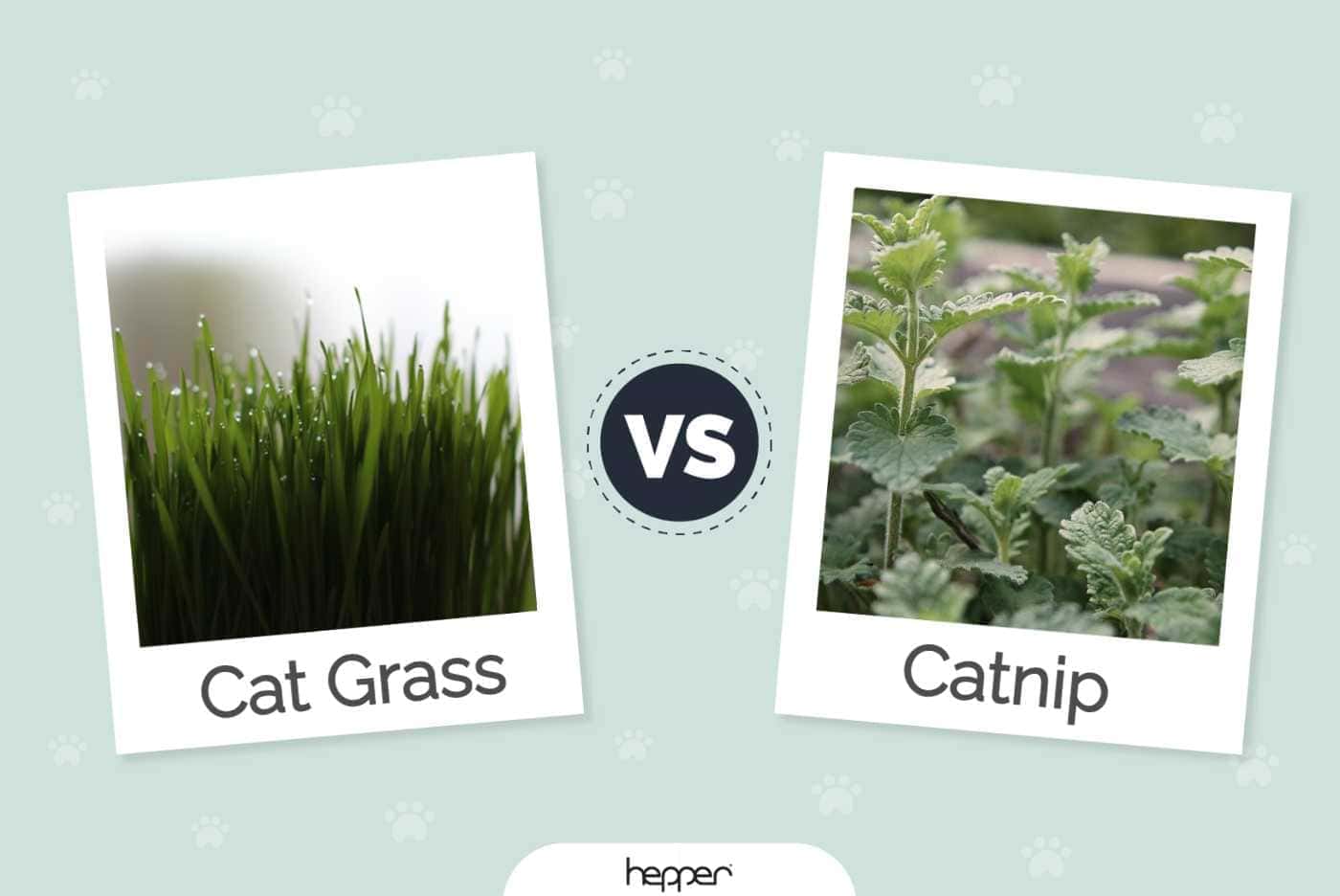
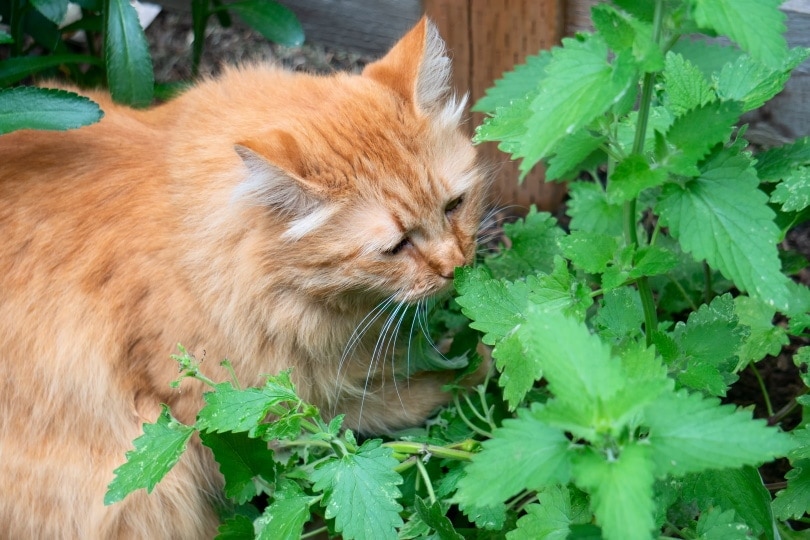
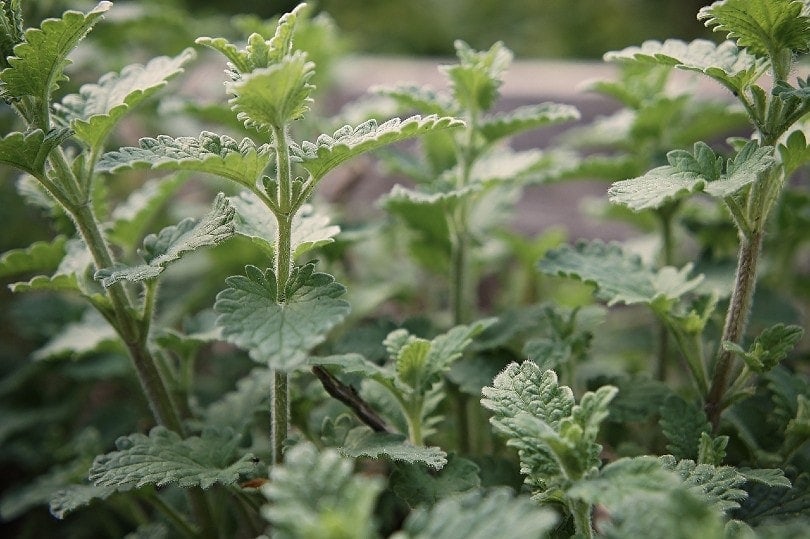
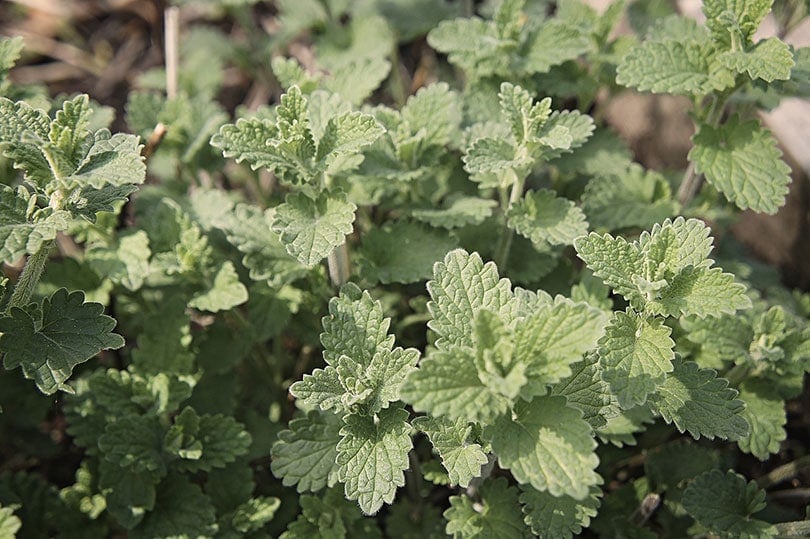
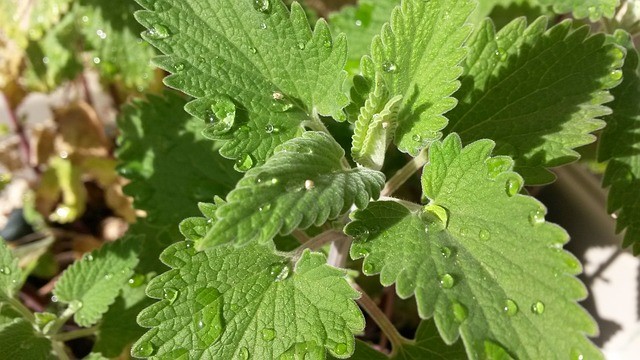
Common catnip has heart-shaped leaves with a grayish-green coloration and the stems have fine hairs on them. You'll find that large catnip plants bloom white flowers during summer and fall and can grow up to 3 feet tall.
If you are growing the plant from a seed, you should make sure it is labeled as Nepeta cataria, which is the botanical name for true catnip and a cat’s favorite one. Avoid the other four named Greek, camphor, lemon, or Persian catnip, even though they are all from the Nepeta species.
2. Start Indoors
The delicate catnip seeds and shoots are vulnerable to pests, weather conditions, poor soil, and molding which can cause them to not grow. It is best to start growing young catnip plants or their seeds indoors away from harsh direct sunlight and exposure to the elements.
You can grow the seeds in a shallow pot with semi-moist soil. Avoid overwatering the young plant and seeds to prevent mold from growing on the seed or in the soil. The soil should be kept drained to prevent the plant from sitting in puddles of water.
Once the catnip grows larger to roughly 3 inches tall, you can move it outdoors in a larger pot. Make sure to spray down the plant when the soil begins to look dry, usually twice a day.
3. Plant in Spring
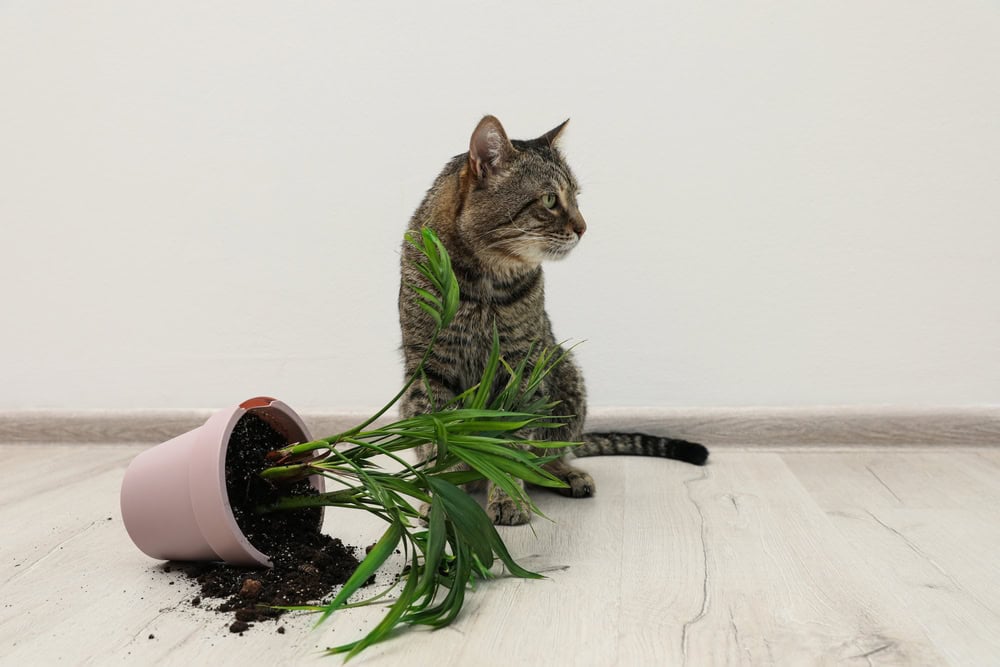
The best time to start growing catnip is in spring when the temperature begins to rise over 70 degrees Fahrenheit, which is a desirable temperature for catnip to grow in. The plant enjoys sunlight and they do not grow well in very cold temperatures, and frost is likely to kill catnip plants. Once all the frost is cleared, it is the perfect time to plant catnip seeds or shoots where your cats can’t damage any parts of the plant.

4. Use Good Soil
Although catnip is part of the mint family and is quite hardy, if you want your catnip to grow healthy you want to plant it in nutritious, well-draining soil. This plant seems to favor loose, slightly dry soils that are slightly alkaline or acidic, and they do not like sitting in a lot of water which can kill the plant. Loamy, sandy, or chalky soils work best, and you have the option of adding fertilizer, but catnip can grow well with just the nutrients in the soil.
5. Water When Dry
Catnip can be fussy with how much water it receives, as you don’t want to grow this plant in overwatered soil, but you also don’t want it to dry out completely. The catnip plant has a medium moisture requirement, and the plant can start to wilt if the soil becomes dry, whereas too much water can cause root rot.
This plant can quickly recover from the early stages of wilting, so it is better to underwater the plant rather than overwater if you are unsure. If the catnip plant is in direct sunlight, make sure that you regularly water the plant to prevent the soil from becoming bone-dry.
6. Harvest Every Few Weeks
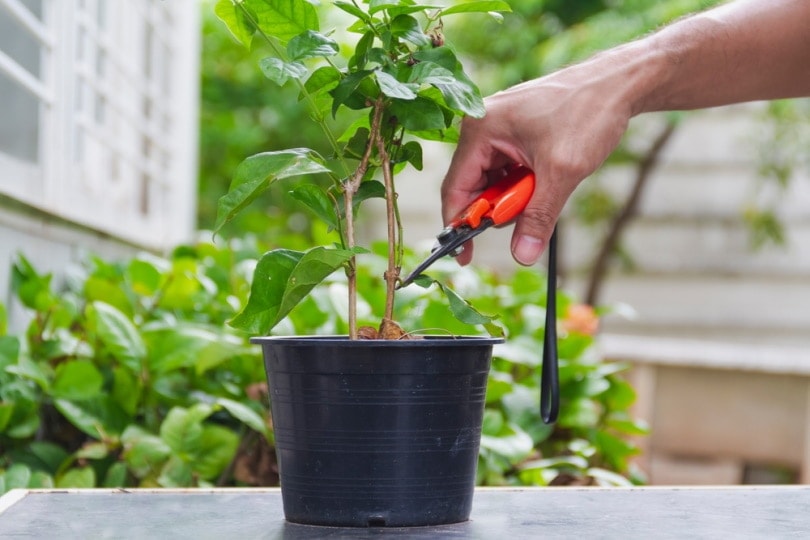
Cutting and harvesting the catnip regularly helps the plant grow faster. Once the plant reaches around 10 inches, you can begin trimming some of the stems and leaves to encourage the plant to grow faster. You can dry the trim leaves to give to your cat, or you can make oil or crush up the leaves. Trimming can be done every 4 to 6 weeks once the plant is starting to bush where the stems have been cut.
7. Prune Before the Frost
Frost can kill catnip, which is why it is recommended to either bring the plant indoors during the cold, frosty months or prune the plant down to the main stem a year after it has been planted. Although you will not have a growing supply of catnip for your cat during this time, harvesting the plant can help keep it alive during unfavorable temperatures and it will quickly recover and grow by the time spring has arrived.
Once you have pruned the catnip plant, you begin to harvest and store the catnip to use throughout the remaining months.
8. Store in a Cool, Dark Place
When it comes to storing catnip, you want to ensure that the container or bag is airtight and has no moisture. The harvested plant should be stored away from heat and sunlight which is known to affect the potency of the plant.
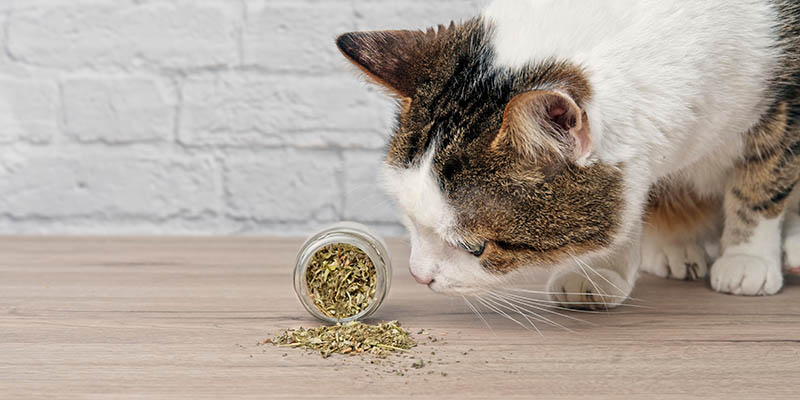
You also have the option of storing it in the fridge and freezer, but it is unlikely to last as long as it will in a dry, dark cupboard. You can dry and crush the harvested catnip leaves and place them in a jar and give them to it your cat when necessary.
Conclusion
Catnip is a classic favorite amongst cats, so growing catnip at home allows you to have a constant supply of catnip. You can turn catnip leaves into oils or crush them, which can then be stored away until you want to give them to your cat again. You also have the option of placing the catnip in some of your cats' toys, as some include a special compartment for catnip.
Related Read: 12 Herbs That Are Safe for Cats (Vet Answer)
Sources
Featured Image Credit: lwccts, Pixabay
Get Hepper In Your Inbox


Pet care tips from our vets and experts, straight to your inbox.
You may opt-out at any time. View our Privacy Policy for more information.

Sarah is residing in South Africa with her partner and pets. She currently is interested in veterinary science and ichthyology, which she wants to study alongside her main passion: pet content writing. Sarah has over 60 fish including goldfish, tropicals, shrimp, and snails. She also keeps hamsters and a tarantula and wishes to provide quality content for readers and allow others to learn from her knowledge and experience. Sarah has much experience in all aspects of pet care, and providing the world with knowledge on ethical pet ownership is her lifelong dream.
Join the conversation
Ask a question, share your story, or send private feedback.