Hepper is reader-supported. When you buy via links on our site, we may earn an affiliate commission at no cost to you. Learn more.
What Is the History of Russian Blue Cats? The Fascinating Story
In this article
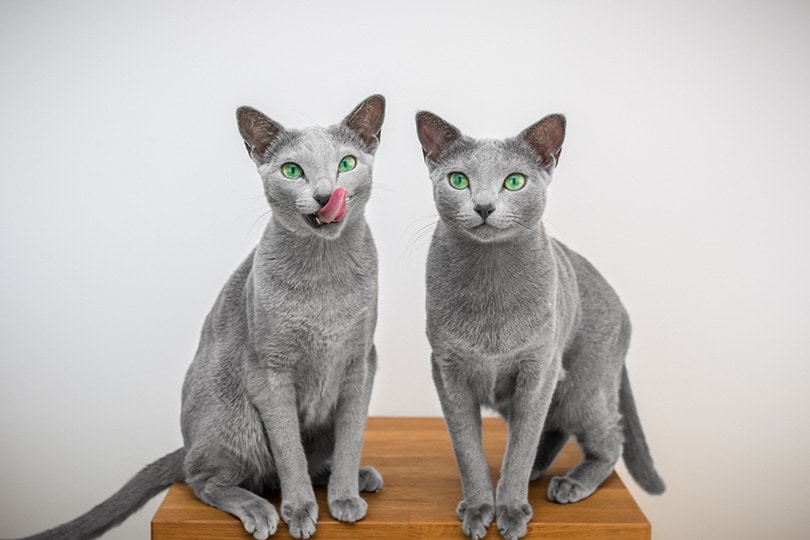
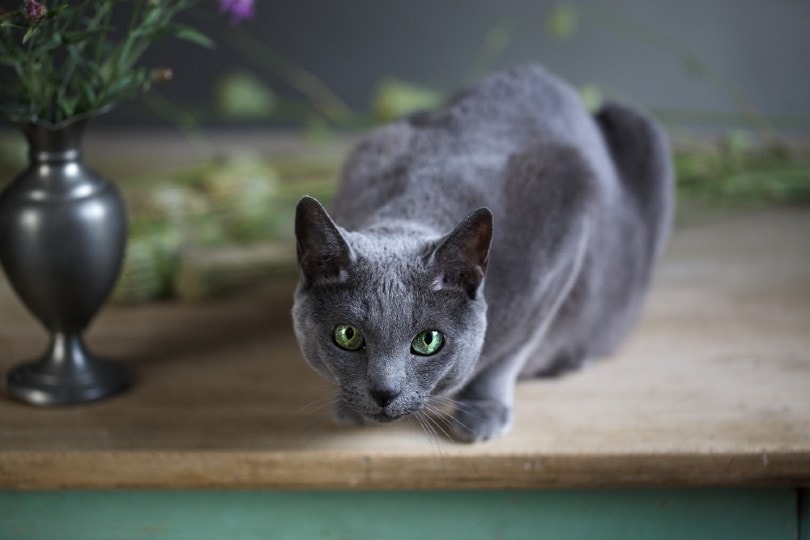
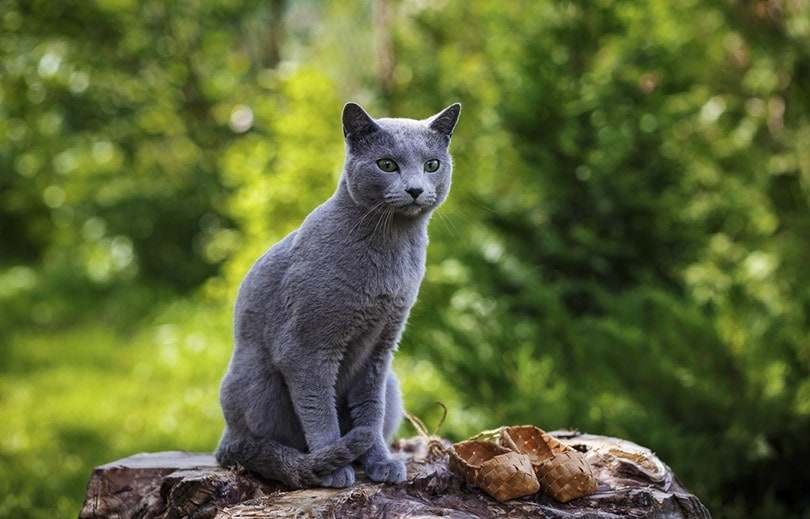
Russian Blue cats are an intelligent breed that is easy to train. They are gentle, shy, and affectionate to their owners. They adapt well to other pets and are easy to groom. Russian Blues tend to live for 12 to 15 years and weigh around 7 to 13 pounds. They have lean bodies and blue-grey coats. Their dense coats are silky and soft, and they have green eyes.
Now that you are able to distinguish this affectionate breed, you may be wondering about where they come from, when they were first recognized, the highs and lows, when and how they left the country of origin for Britain and America, and if breeders have changed their look and personality from the original breed.
We’ve got all the answers you need, so keep reading!

The Origin of The Russian Blue Cats
You might've guessed it from the breed's name, but it is believed that Russian Blue cats come from Russia—Archangel Island (Arkhangelsk), Northern Russia, to be exact. Their thick coats which are ideal for cold weather, further fuel the belief as this breed was built to endure frigid Russian temperatures.
Russian Blues are also referred to as the Archangel cats due to where they were believed to have been found by sailors. However, they’re a naturally occurring breed and one of the oldest registered cat breeds, so their true origins aren’t fully known.
What’s so unique about Russian Blues having occurred naturally is that they were created through natural selection and not through crossbreeding due to humans. Breeders try their best to keep this breed as closely resembling the original breed as possible.
The First Accounts
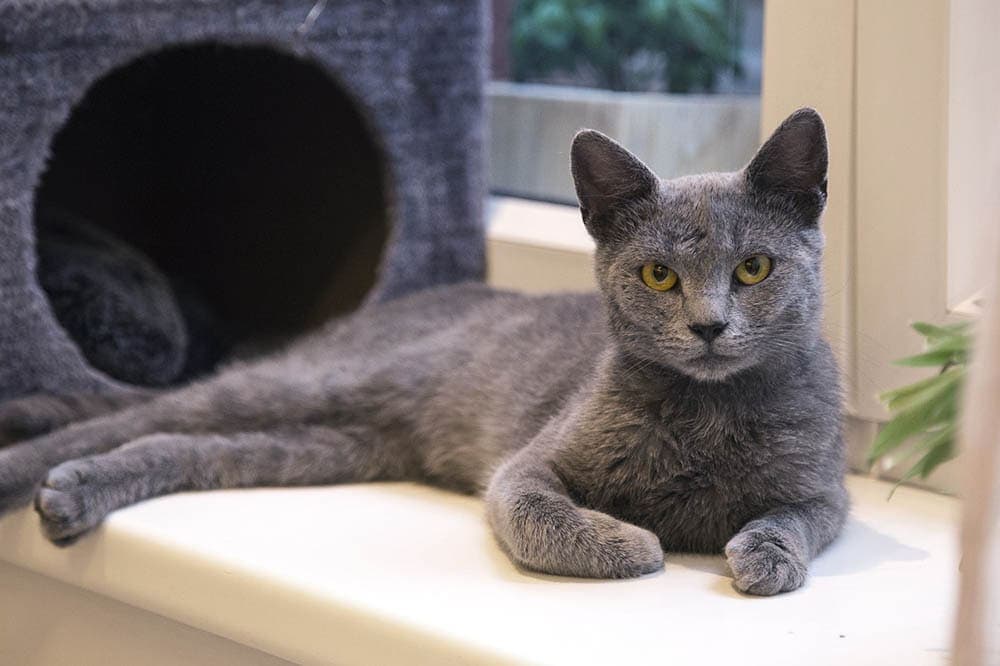
Some researchers believe that the Russian Blue originally lived in the wild and was hunted for its coat. However, there's no hard evidence for this. If they once did roam around in the wild, it wasn’t forever, as this breed quickly became a favorite of the Russian czars, and later a favorite of Queen Victoria.
The first Russian Blues arrived in the United States in the 1900s, but it’s believed that they were first shipped to England and parts of Europe in the 1800s by sailors. The Russian Blue was mentioned for the first time in a British paper in the 1860s when they were referred to as an Archangel cat.
When Was the Breed First Recognized?
In 1871, the breed, which was still under the name “Archangel cat,” was first seen in London at the Crystal Palace. In fact, their first sighting was at the first-ever official cat show in London on July 13th. Some reports conflict with this account and claim that their first appearance was at the 1875 cat show. Either way, they competed with other blue shorthaired cats and weren’t recognized as their own breed.
The breed quickly became popular thanks to their gorgeous coats and personalities and was soon recognized as their own breed in 1912, officially becoming known as the Russian Blue cat.
They Almost Went Extinct
World War One was a hard time for everyone and caused much devastation. It was no different for the Russian Blue and many other cat breeds that radically decreased in number during that time.
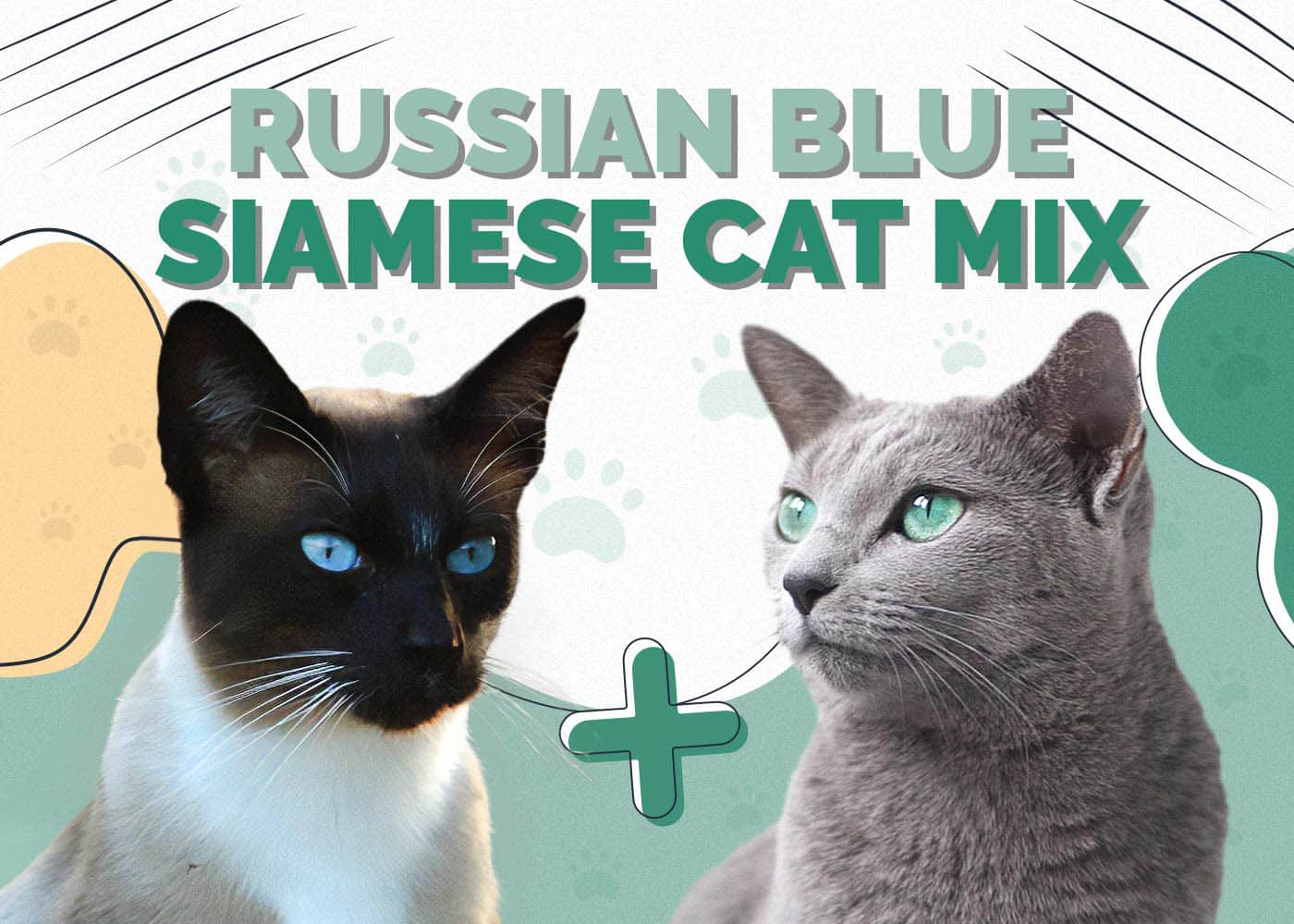
However, breeders from Finland, Denmark, and Sweden tried to recover the breed after the war and crossed the Russian Blue with Siamese cats to bring out longer cats with other desired characteristics. British breeders were not happy with the loss of originality in the breed’s body structure and personality and worked on getting back their original look and temperament.
Today’s Russian Blues are the product of breeding British and Swedish Russian Blues together, which were previously bred separately. The combined bloodlines kicked out the Siamese traits and left the breed with a medium-sized, lean body with green eyes, and silver-blue coats—the characteristics we know and love.
The original Russian Blue breed was described in Mrs. Carew-Cox’s journals as intelligent and sweet with short and silvery fur. She described their ears as large and their eyes wide set on a lean face. Her description of the Russian Blue she owned and loved in the 1890s sounds similar to the modern Russian Blues we know today.
Are Russian Blues Still Popular?
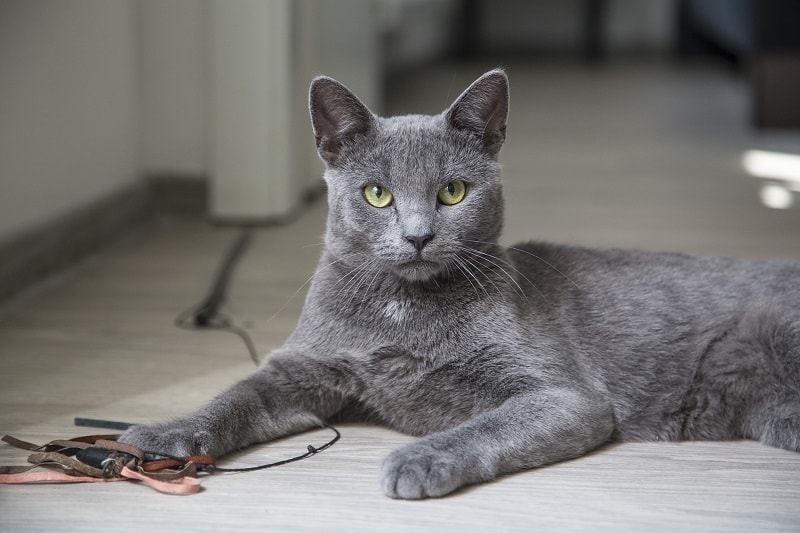
The Russian Blues have seen many highs and lows throughout their existence. Although they were a favorite of Queen Victoria and possibly the Russian czars before that, their popularity dropped in the 1980s due to their poor performance at shows and their shy demeanor.
Breeders quickly stepped in once again and started working on improving their personalities to work out their nervousness through training and selective breeding. The breed started winning competitions once more, both regionally and nationally and has once again become a popular breed of cat.
Today, Russian Blues are one of the top 10 most popular cat breeds in the United States.
Other Blue Breeds
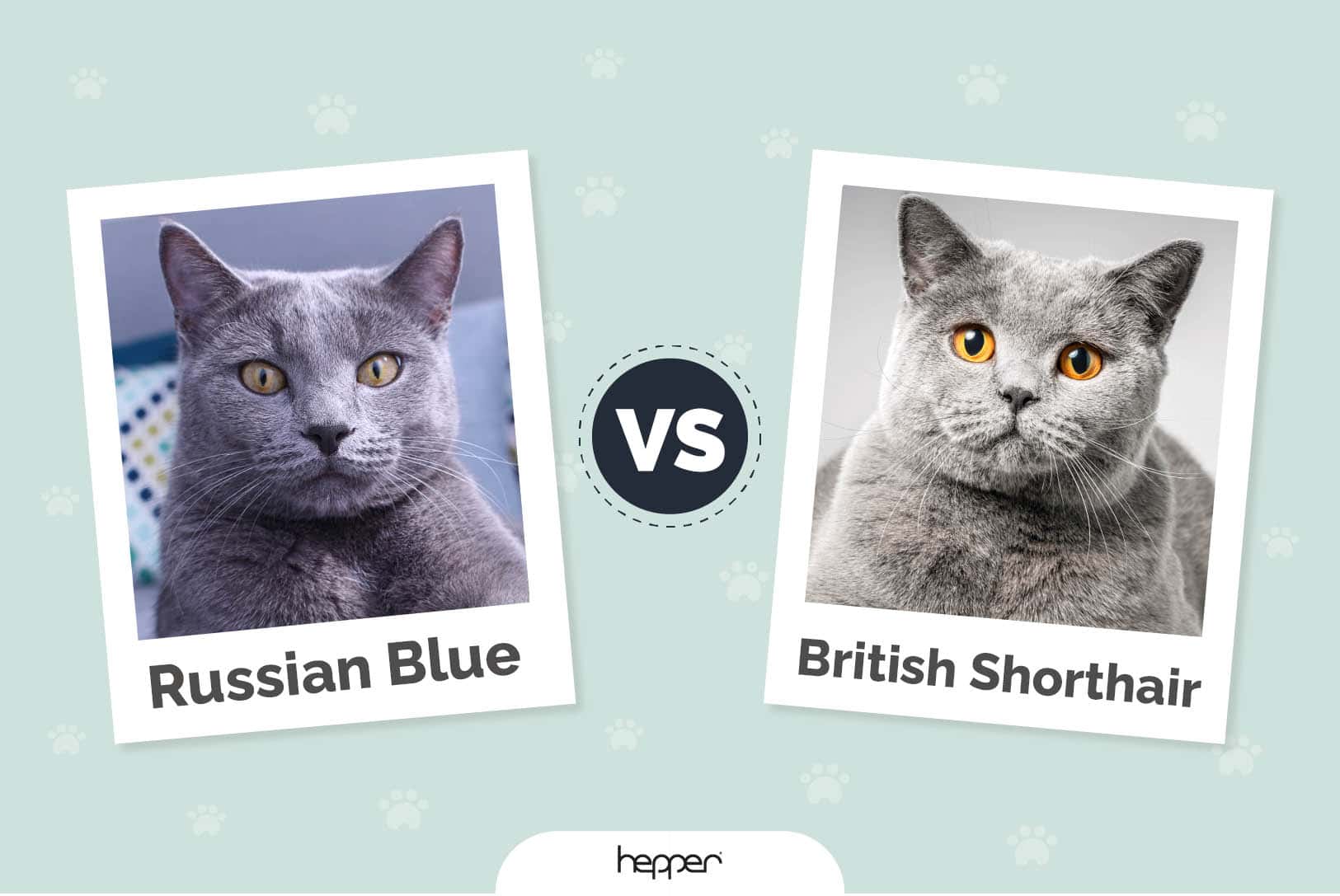
Russian Blues aren’t the only blue shorthaired cats, which is partly why they competed with other blue breeds when they were first seen at the Crystal Palace cat show in the 1800s before they were recognized as their own breed.
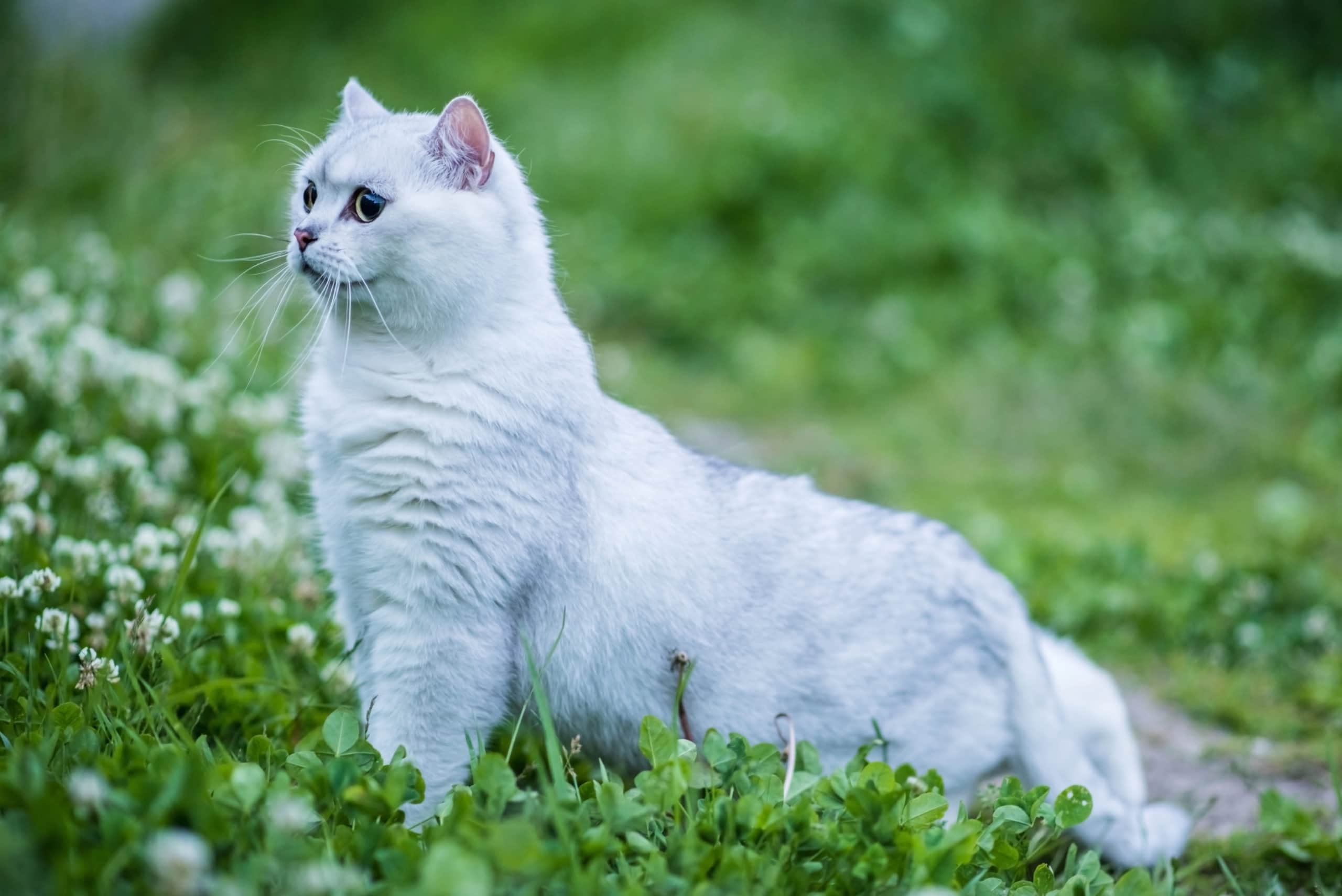
The other shorthaired blue cat breeds are France’s Chartreux, Thailand’s Korat, and Britain’s British Blue/British Shorthair. Although the Russian Blue is believed to be related to these breeds, they have clear differences in their sizes, coats, and personalities. However, they’re all ancient breeds, and their origins aren’t clear.
Conclusion
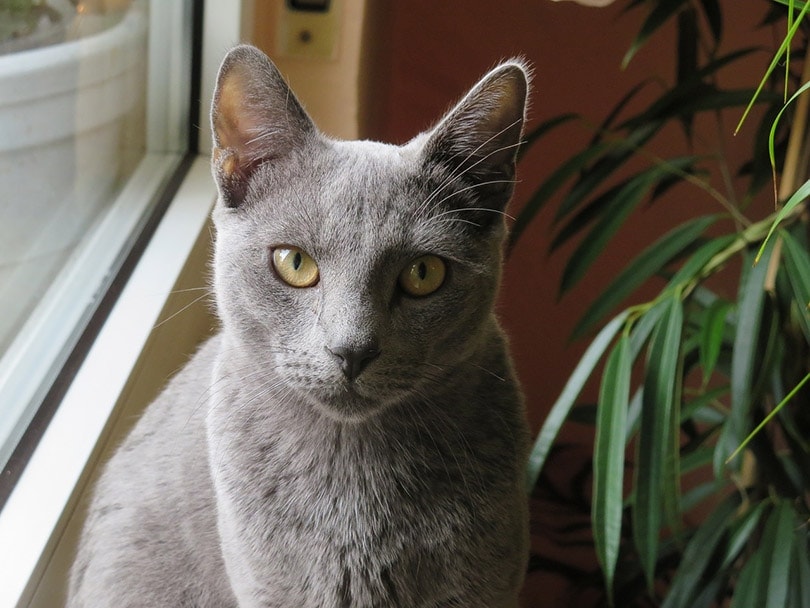
The Russian Blue is an old breed with little information about its origin. It is believed that they come from Russia, where they were either hunted for their fur in the wild, a favorite among the Russian czars, or both.
They were shipped to England in the 1800s, where they were introduced at the Crystal Palace and later recognized as their own breed. They’ve encountered highs and lows throughout their existence but are currently one of the top 10 most popular cat breeds in America, which isn’t surprising because they not only look stunning but have wonderful personalities.
See Also:
Sources
Featured Image Credit: Review News, Shutterstock
Get Hepper In Your Inbox


Pet care tips from our vets and experts, straight to your inbox.
You may opt-out at any time. View our Privacy Policy for more information.

Keri-Beth is from South Africa and is a freelance writer who specializes in the pet niche. She has grown up with a range of pets, volunteered at countless pet shelters, and is highly passionate about pet care. Currently, Keri-Beth is raising two dogs - Benji, the Golden Cocker Spaniel, and Gracie, the Boerboel. With so much information out there, Keri-Beth has made it her mission to make pet care as easy and straightforward as possible.
In her spare time, Keri-Beth enjoys camping, photography, and spending time with her husband, who is a professional drummer. She not only has a heart for pets but people too.
Join the conversation
Ask a question, share your story, or send private feedback.