Hepper is reader-supported. When you buy via links on our site, we may earn an affiliate commission at no cost to you. Learn more.
10 European Cat Breeds: Info, Pictures & History
Europe is a continent full of diverse cultures and rich history, so it’s no surprise that some of the most recognizable cat breeds come from European countries. European cat breeds come in all shapes, sizes, colors, and temperaments.
These cats have spread all over the world, so if you don’t have the opportunity to do a grand tour of Europe, at least you can hope to see some beautiful European cats.

The 10 European Cat Breeds
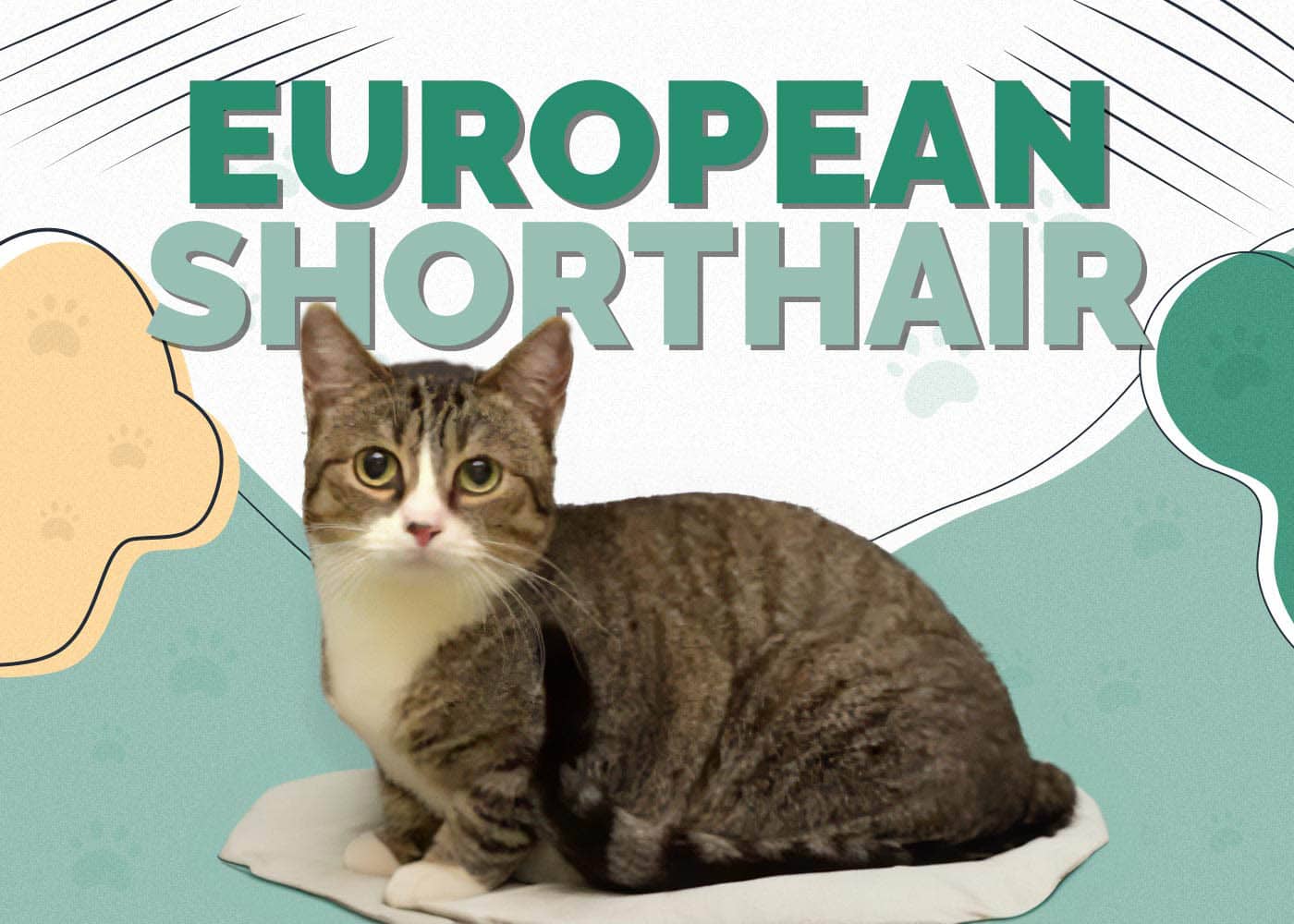
1. European Shorthair
Breed Overview
Origin:
Coat:
Personality:
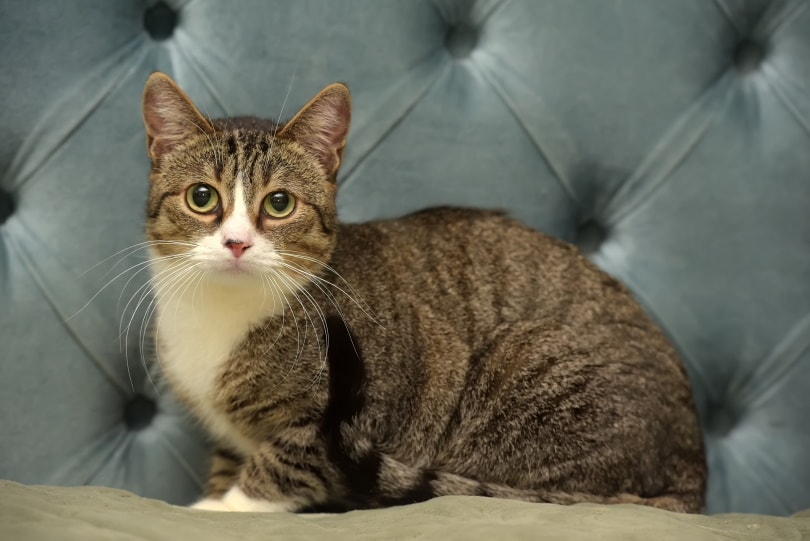
If you don’t see what sets a European shorthair apart, don’t worry—these cats strive to be average. The breed standard is based on the ideal cat of European stock, so you should expect a medium-to-large cat with short hair and balanced features. These cats are descended from the working cats that kept homes and granaries free of mice, so expect them to be bold, friendly, and energetic. They can come in any coat color and pattern, as long as they have short hair.
2. Chartreux
Breed Overview
Origin:
Coat:
Personality:
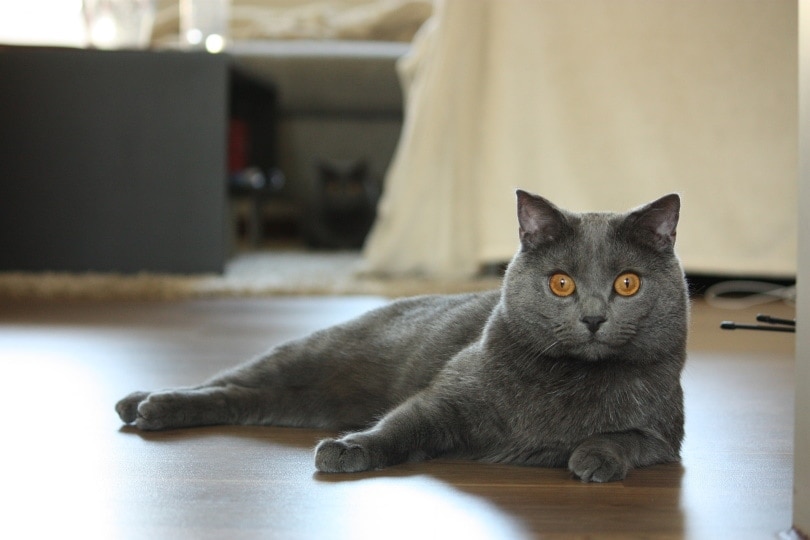
Coming from France, the Chartreux cat has an ancestry that stretches back at least five centuries, and it often was the dignified companion of the nobility. Chartreux cats are known for their deep blue-grey fur and stocky, muscular bodies. Their coats are extremely thick and plush, giving them a slightly shimmering, velvety appearance, and they have deep copper-colored eyes. These cats have a reputation for being quiet but don’t assume that that makes them aloof. Many Chartreux cats are known for being extremely affectionate and loving to their owners, with their actions speaking loud enough.
3. Russian Blue

Breed Overview
Origin:
Coat:
Personality:
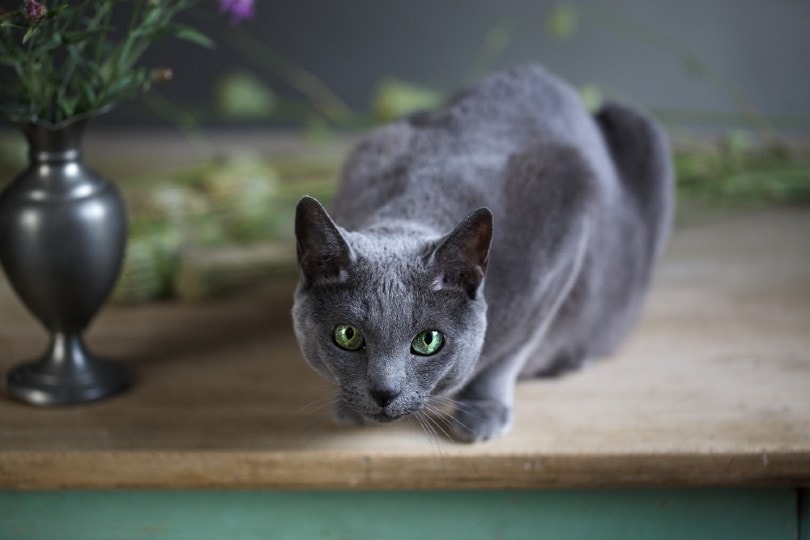
Another blue-coated cat, the Russian Blue is distinct from the Chartreux because of its slim, almost oriental body type and its clear green eyes. Russian Blue cats have a beautiful silver-blue coat that’s soft to the touch and doesn’t shed much, because it is missing its outer guard hairs. They are known for being a little bit shy around strangers and aren’t always the most expressive cats, but they have an impressive curiosity that balances out their reserve.
4. Norwegian Forest Cat
Breed Overview
Origin:
Coat:
Personality:
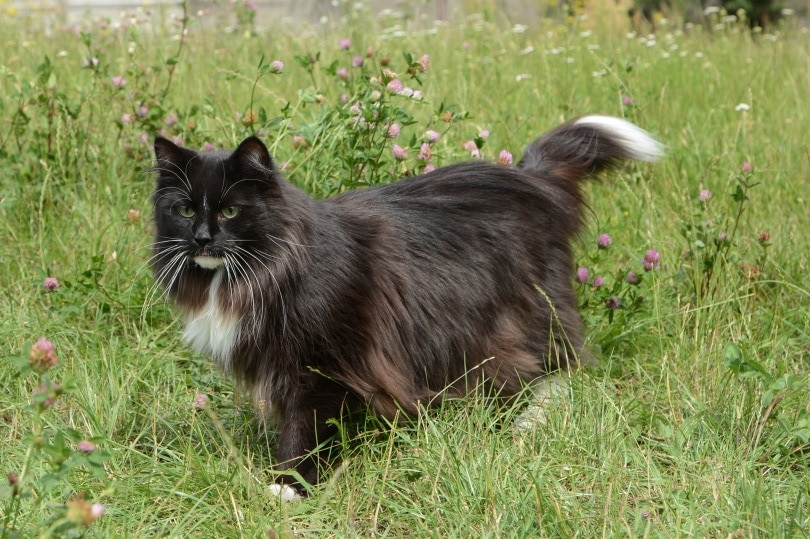
If you’ve ever experienced a Scandinavian winter, you’ll understand the Norwegian Forest Cat. These cats are gentle giants that have thick, stocky legs, huge paws, and long, wooly coats, all of which keep them safe from cold. They often have beautiful ruffs of long fur that look like a lion’s mane, and they can come in any colour. The Norwegian Forest Cat is one of the most active and intelligent cat breeds, so they can be a handful for their owners, but no one can deny that they look striking as they pad through deep snow despite the cold.
5. Devon Rex
Breed Overview
Origin:
Coat:
Personality:
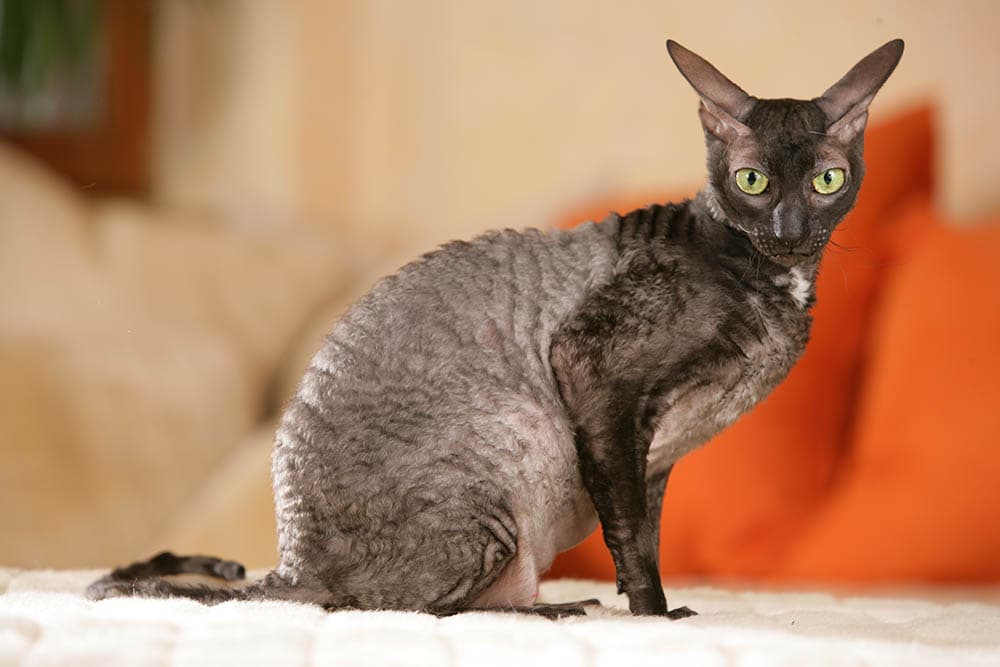
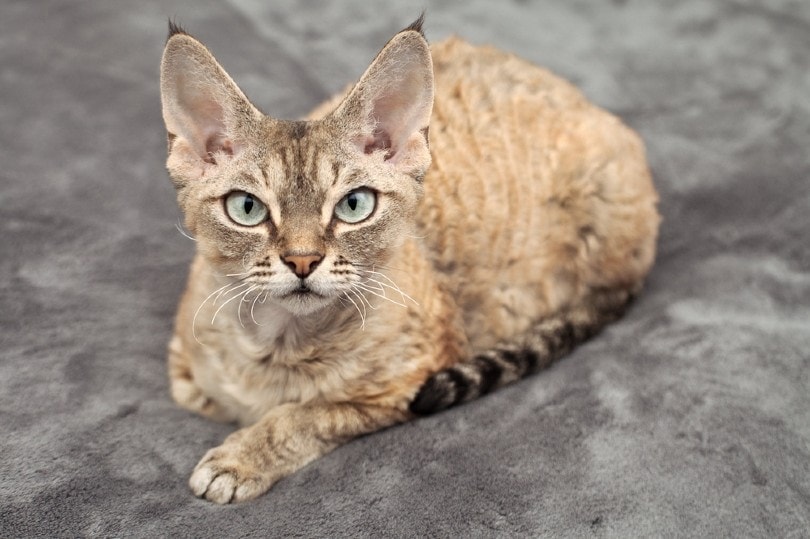
If you’re interested in unusual-looking cats, you don’t need to look further than the Devon Rex. These cats have a “pixie” appearance, with slender bodies, huge ears, and expressive eyes that make them a favorite. And of course, there’s the coat, which is thin, wooly, and curly. The curly fur of a Devon Rex is a mutation of the same gene that causes hairless cats, but instead of taking the fur away entirely, it gives tiny curls that often form into rows. Devon Rex cats are often very mischievous, and you never know what antics a Devon Rex will bring next.
6. Scottish Fold
Breed Overview
Origin:
Coat:
Personality:
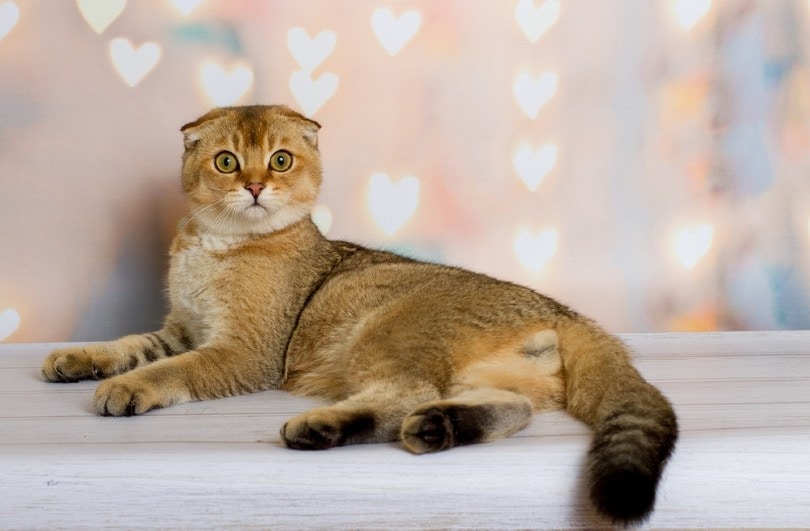
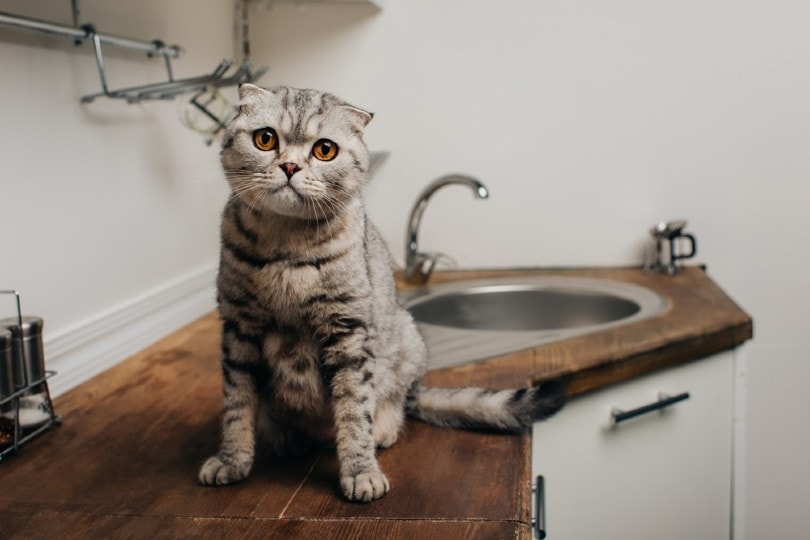
If you think Scottish Folds look practically like plush toys, we can’t blame you. These adorable cats have soft, fluffy fur, round faces, big round eyes, and adorably folded ears. They are often compared to owls because of their round faces and unusual ears, and they are beloved by their owners. They have sweet, affectionate tempers and do well in calm environments.
Despite their cuteness, some have criticised breeders for working with this breed because cats with two copies of the ear-folding gene are usually stillborn or have severe health issues. This makes breeding Scottish Fold cats controversial, but the cat is popular enough that it is hard to see the breed ever being left behind.
7. Ukrainian Levkoy
Breed Overview
Origin:
Coat:
Personality:
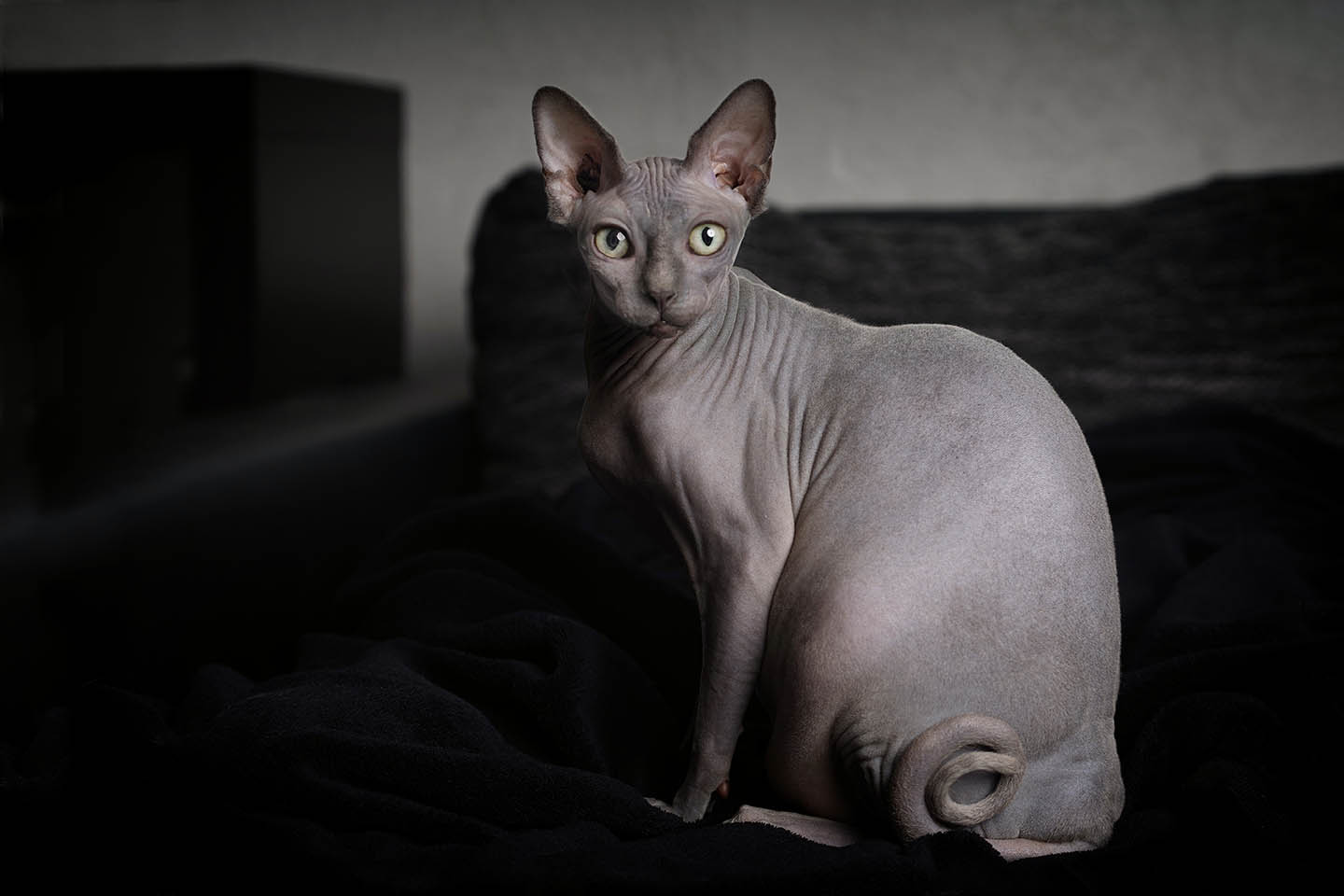
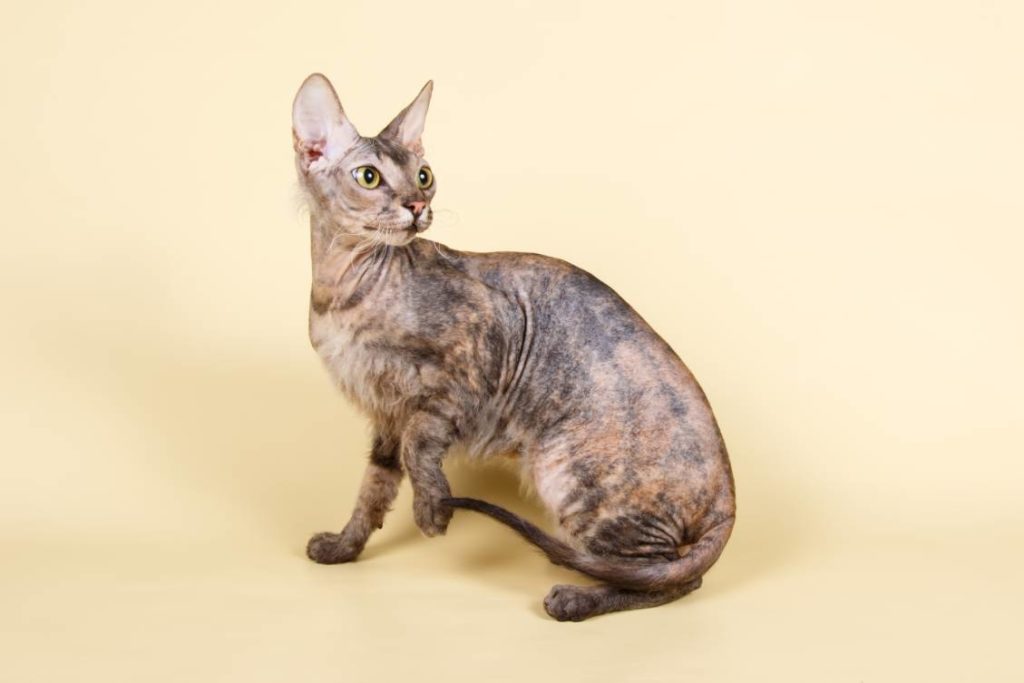
The newest cat breed on the list, the Ukrainian Levkoy was developed in the first decade of the 21st century from a mix of hairless Donskoy cats and Scottish Folds. The result is something completely unique—a hairless or mostly hairless cat with cocked ears and big eyes. These cats can be a little creepy to look at, but there’s also beauty in them too.
Although most cat registries have yet to accept the Ukrainian Levkoy, they are growing in recognition and it’s hard to mistake them for anything else.
8. German Rex
Breed Overview
Origin:
Coat:
Personality:
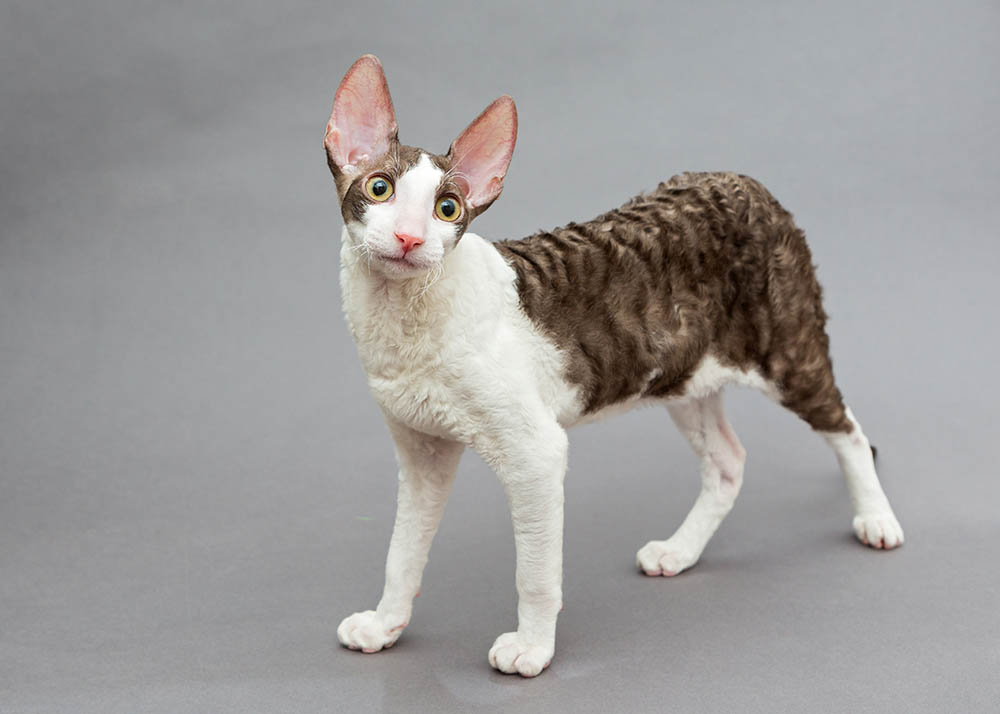
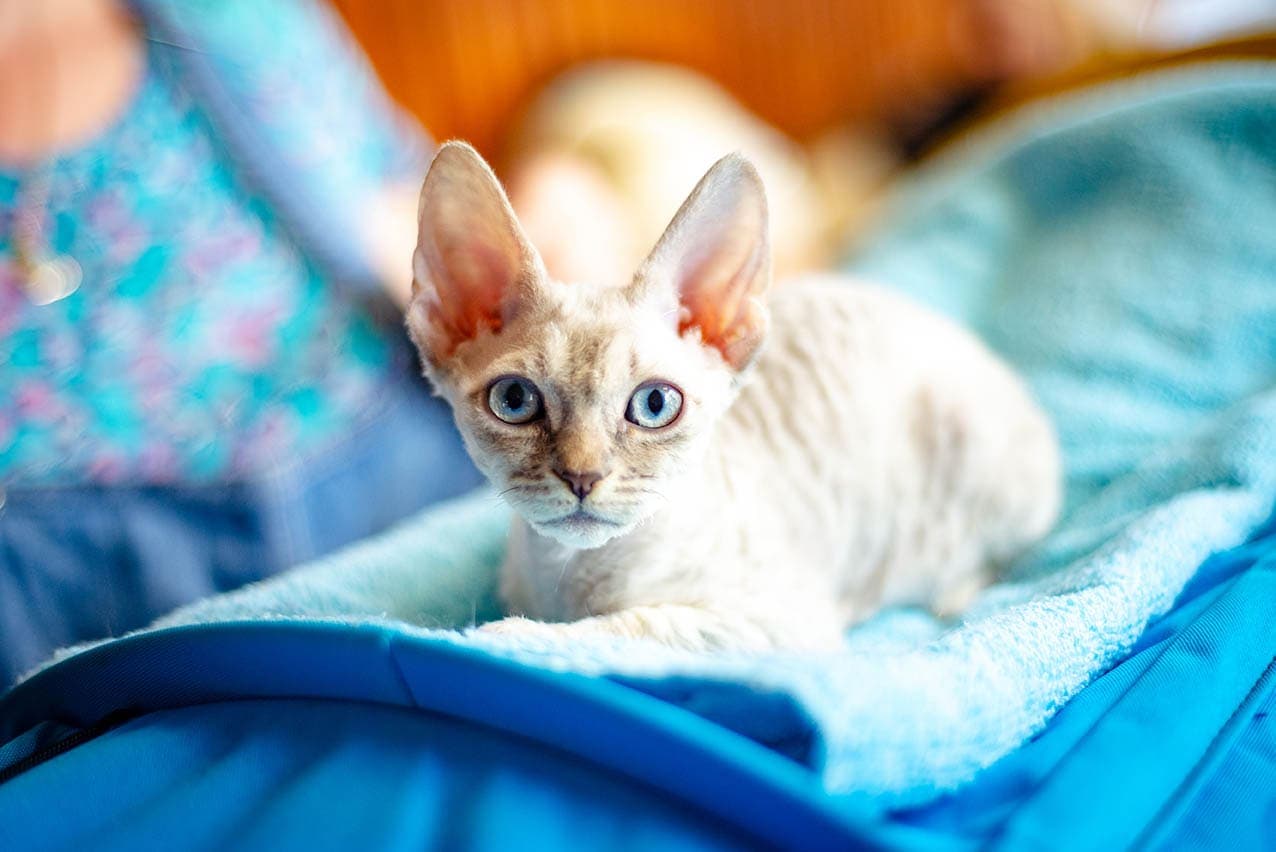
When a German doctor noticed a curly-coated cat playing in the hospital garden in the 1950s, she immediately took notice. After naming her little lamb, the doctor set about trying to breed curly hair into other cats, and before long the German Rex was born. These cats have beautiful, slightly wavy fur that can be more or less curly depending on the cat.
German Rex cats are still a fairly rare breed, but they are known for their intelligence, friendliness, and playful curiosity.
9. Siberian
Breed Overview
Origin:
Coat:
Personality:
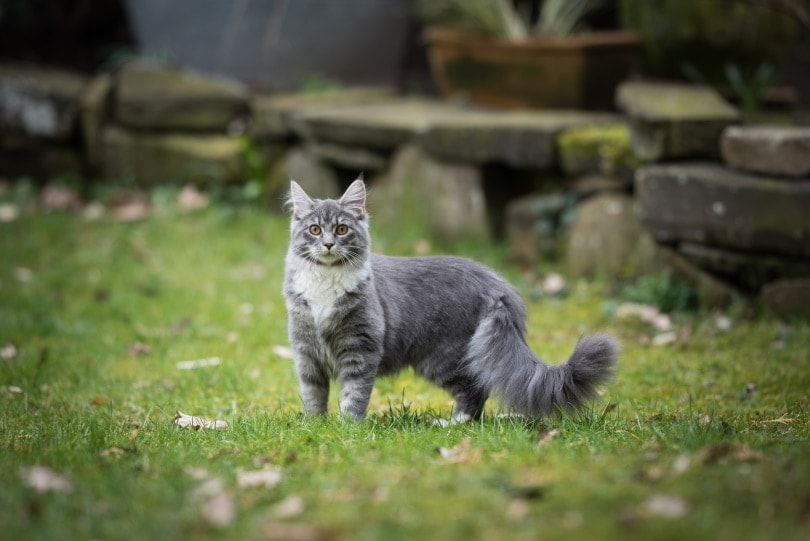
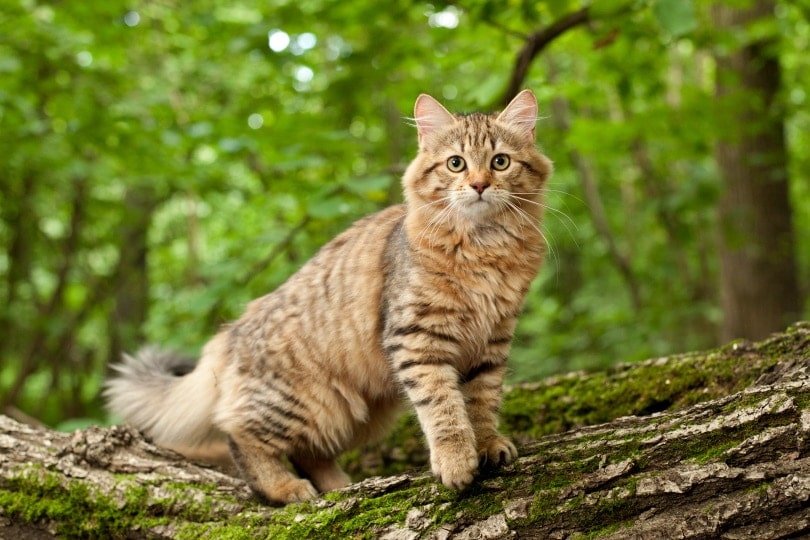
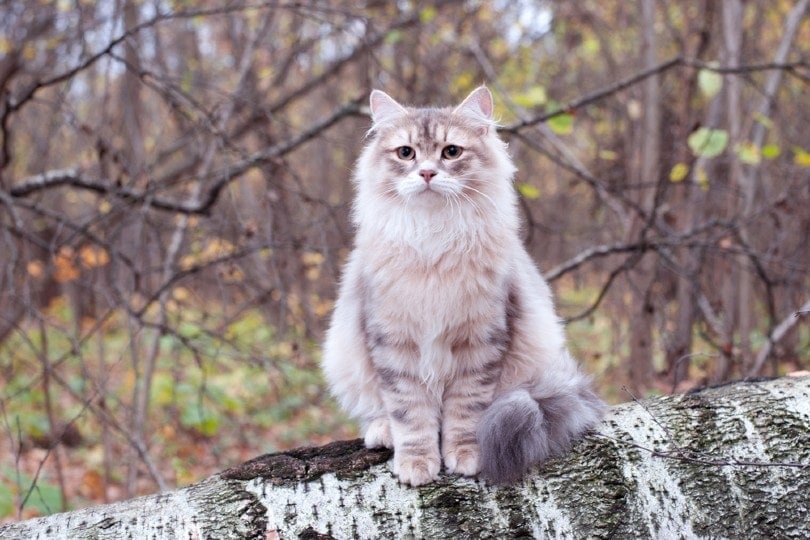
Another Russian cat breed, Siberian cats are thought to be closely related to Norwegian Forest Cats, but they do share some striking differences. Siberians tend to be slightly smaller than their massive cousins, and they are more mellow in personality, without the energetic temperament that makes some Norwegian Forest Cats a handful. These cats have very similar coats, which are long and dense, and they are unique in that their fur has fewer allergens than most cat breeds.
10. Manx
Breed Overview
Origin:
Coat:
Personality:
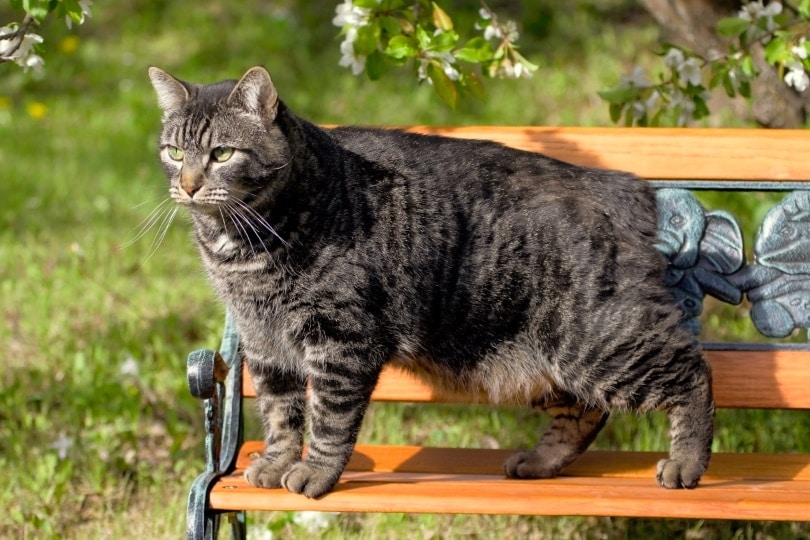
The Isle of Man is a small island between Great Britain and Ireland, known for a unique local culture and a unique species of cat. Manx cats have a mutation that causes them to be born without a tail, or with a shortened tail. This can range in length from being completely tailless to having a short stub or even a tail half the length of a normal cat. Manxes generally have short fur, with long-haired variants being called Cymric cats. They are social and loyal, with temperaments that many have compared to dogs.
Final Thoughts
As you can see, there are many beautiful and unusual cat breeds that hail from Europe. Whether you love hairless or shaggy, small or large, ancient or brand-new, one of the breeds on this list is sure to catch your heart.
Featured Image Credit: Just-Mila, Shutterstock
Get Hepper In Your Inbox


Pet care tips from our vets and experts, straight to your inbox.
You may opt-out at any time. View our Privacy Policy for more information.

Chelsea Flake Mortensen is a writer with a passion for pets. She grew up around everything from cats to chameleons and loves working with all kinds of animals. Chelsea has a BA in English and Creative Writing from Brigham Young University.
Chelsea loves reading, writing, sewing, and board games. She's lived in half a dozen US states and two countries. She is currently living in New England with her husband. Her articles have been featured in various magazines and literary journals for children and adults. Her writing has been translated into over 40 languages.
Join the conversation
Ask a question, share your story, or send private feedback.