Hepper is reader-supported. When you buy via links on our site, we may earn an affiliate commission at no cost to you. Learn more.
When Do Labradoodles Calm Down? Understanding Your Dog

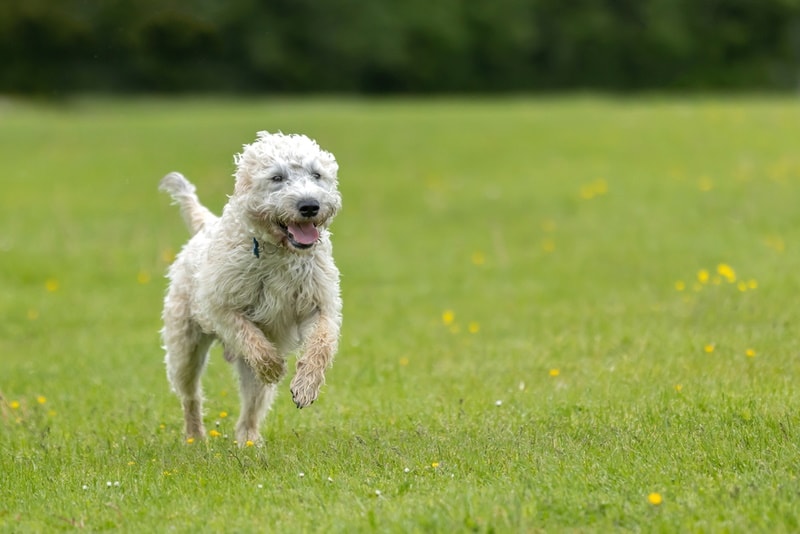
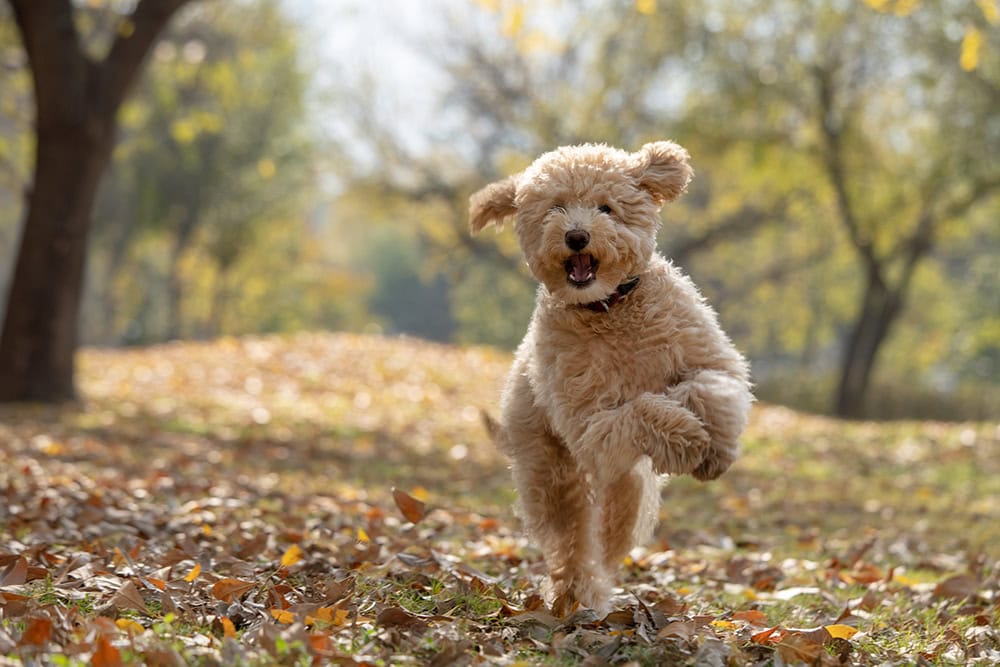
Who doesn’t love Labradoodles? They simply radiate joy and have a real zest for life, and their energy and enthusiasm are infectious. That said, they can also be tiring! It’s completely normal for Labradoodles to be very “go, go, go!”, which is a lot of fun, but it can sometimes leave you wondering when or if your canine companion will start to mellow out a bit.
Labradoodles often keep their active and playful personalities into adulthood, but they typically start to calm down somewhat when they’re between 2 and 3 years old. This doesn’t mean they won’t be active or energetic anymore, mind you, and they’ll still need plenty of daily physical exercise and mental stimulation to prevent them from turning to destructive behaviors.
In this post, we’ll share some tips on how to harness your Labradoodle’s energy in a positive way and share some examples of behaviors that are not normal and may need veterinary attention.

Are Labradoodles Hyper?
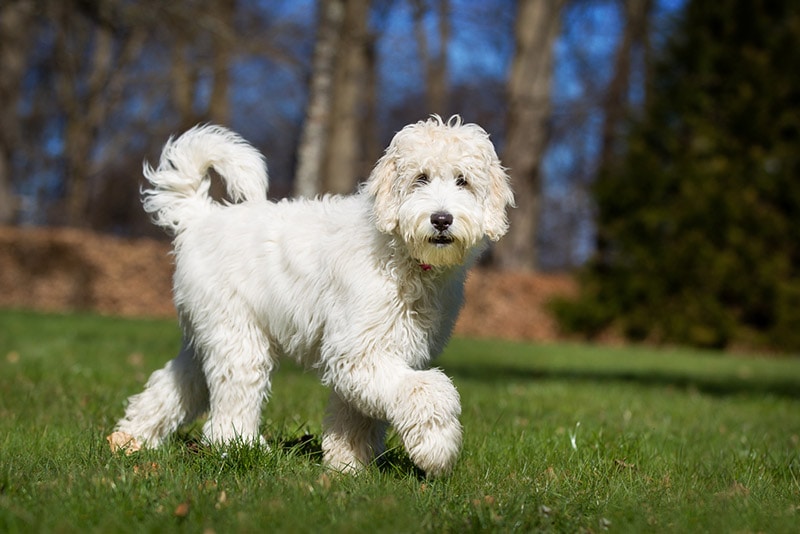
Each dog has a unique personality, but, in general, Labradoodles are highly energetic and playful dogs, which is a big part of their appeal. This is because the dogs they descend from—the Poodle and the Labrador Retriever—are both intelligent, energetic breeds with high exercise needs. These traits meant that both the Labrador Retriever and the Poodle were historically put to work as water hunters.
So, if your Labradoodle puppy is very excitable and curious about anything and everything, don’t be surprised. They’ll likely love to play and will be enthusiastic about a variety of activities, but this is just part of the Labradoodle charm. On the other hand, your Labradoodle might become hyperactive if they have too much pent-up energy.

Will Neutering or Spaying Calm My Labradoodle?
According to the PDSA, neutering or spaying will only calm your dog down if their hyperactivity has a hormonal cause. For example, if they have a habit of humping other dogs, people, or even objects, neutering can reduce this behavior.
However, if this is not the cause of your Labradoodle’s hyperactivity, they may not be getting enough exercise or mental stimulation. It’s also possible that they are suffering from anxiety. Neutering or spaying won’t solve this issue.

How Can I Harness My Labradoodle’s Energy?
So, your Labradoodle is all grown up and you love their exuberant personality, but their bounciness and excitability are causing chaos around the house. So, what can you do? Here are some tips on redirecting and focusing your Labradoodle’s energy.
Get Them Out and About
Adult Labradoodles need around 1–2 hours of physical exercise per day. Getting your Labradoodle out and about (exploring the local dog park, forest, or anywhere they can stretch their legs) is one of the best ways to make sure they release all that pent-up energy. It’s even better if they can start the day with an activity like this.
Walks in the park and forest are also mentally and socially stimulating for your Labradoodle, as there are lots of interesting new smells to sniff and plenty of people and dogs to meet.
If your Labradoodle is still a young puppy, you should avoid exercising them too much, as their joints are still in development. Stick to a few brief walks per day and avoid strenuous activities to help protect their joints and bones.
According to The Kennel Club, 5 minutes of exercise per month of age up to twice a day is a good rule of thumb for puppies until they’re fully grown. For example, if your puppy is 3 months old, you would exercise them for 15 minutes in each “session” up to twice per day.

Provide Exciting Toys
If your Labradoodle has an array of exciting and interactive toys at home to keep them entertained when they’re not out walking or snoozing, they’re less likely to behave destructively out of boredom.
These could include puzzle feeders, tug-of-war ropes, soft toys (it’s best to choose ones made to withstand chewing), and chew toys. It’s also a good idea to include a few at-home play sessions in your Labradoodle’s exercise routine.
Reward Calm Behavior
Your dog doesn’t always need to simply follow commands to earn rewards. Sometimes, we dog parents overlook the calm behavior that we didn’t ask for, like your dog settling down on their bed, sitting at your feet while you read a book, or just chilling in the sunshine in the yard.
If you spot your Labradoodle in a calm state like this, drop them a little treat. Don’t make eye contact as this might bring them out of the relaxed state to engage with you. Simply drop the treat in front of them and walk away to show them that being calm and relaxed is a good thing.
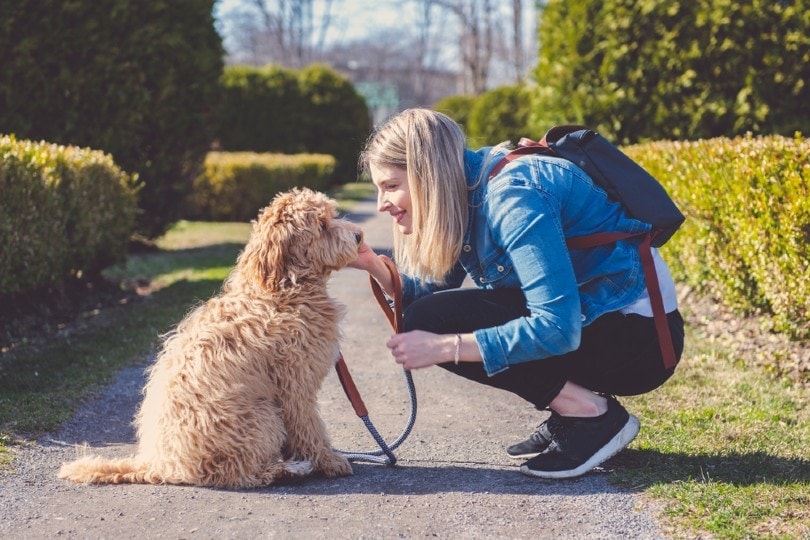
Another example is when you’re out walking your Labradoodle and they walk calmly at your side instead of pulling on the leash. Have a few treats in your hand to offer when they do this to encourage more of the same behavior.
See also: 10 Best Harnesses For Labradoodles
Look Out for Signs of Anxiety
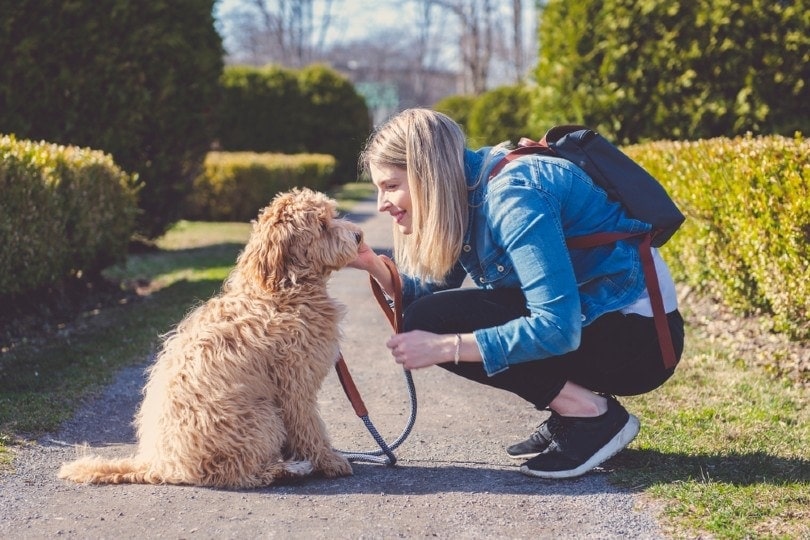
If your Labradoodle is often amped up, keep an eye out for signs of canine anxiety, as this may make it difficult for them to settle. Signs include:
- Panting
- Pacing
- Drooling
- Destructive behavior
- Unable to settle
- Excessive barking
- Trembling
- Tucking the tail under
- Hiding
- Excessive self-grooming or biting
- Circling
- Tail-chasing
- Urinating or defecating indoors

Final Thoughts
On a final note, it’s normal for Labradoodles to have a lot of energy and be playful—these traits are very common in Labradoodles. They may mellow out when they’re a few years old, but they’ll likely still be pretty animated even as adults. It’s all just part of their bubbly personalities.
What isn’t normal is destructive behavior or hyperactivity due to a lack of exercise or anxiety. If your Labradoodle gets more exercise and mental stimulation in the form of walks, toys, and play sessions, they’ll likely be more relaxed in general. If you suspect the behavior is rooted in anxiety, it’s time to speak to your vet to get to the bottom of things.
Featured Image Credit: Chedko, Shutterstock
Get Hepper In Your Inbox


Pet care tips from our vets and experts, straight to your inbox.
You may opt-out at any time. View our Privacy Policy for more information.
Kit Copson is a freelance writer and lifelong animal lover with a strong interest in animal care. She has parented various furry beings over the years and is currently a proud cat mom of two—one skittish but adorable Domestic Shorthair and very chilled (unless hungry) Siamese and a —and dog mom of one—an adopted Bichon Poodle cross. When not writing about or spending time with pets, Kit can be found doodling in her sketchpad, reading, or more often than not, drinking tea.
Join the conversation
Ask a question, share your story, or send private feedback.