Hepper is reader-supported. When you buy via links on our site, we may earn an affiliate commission at no cost to you. Learn more.
When Is a Dog a Teenager? Vet Approved Facts & Care Tips



In this article
Owning a dog can be great fun, but it can also have its challenging moments. Adolescence is particularly difficult, as your dog is going through many changes, and may misbehave more than usual, just like human teenagers. This period is typically when your dog is 6–18 months old, varying from dog to dog. Keep reading to learn what you can expect from your teenage dog and how you can get through this stage easier.

What Is Canine Adolescence?
Canine adolescence is a transitional period when a dog undergoes significant physical and behavioral changes. While there is not a precise age at which a dog becomes a teenager, this stage typically occurs between 6 and 18 months, depending on the breed and individual dog.
The canine teenage period refers to the time between the end of puppyhood and reaching sexual maturity. In small breeds, this might be when they're between 5 and 10 months, whereas larger breeds might go through this phase when they are 8 to 18 months, even up to 24 months in giant breeds.
Like human teenagers, dogs in their adolescence are experiencing hormonal fluctuations that can lead to behavioral shifts, and a search for independence. They also tend to experience rapid physical growth and development. This stage might last longer for large breeds and extend into their second year. Puppies that were once small and cuddly can suddenly seem awkward as their bodies grow at varying rates. This growth spurt can lead to changes in coordination and an increased appetite.

Behavioral Characteristics of a Teenage Dog
Independence
As dogs transition into adolescence, they often become more independent and stubborn, testing boundaries and challenging commands that they used to follow without question. This push for independence can be frustrating for pet owners, but it’s a natural part of becoming an adult dog.
Increased Energy
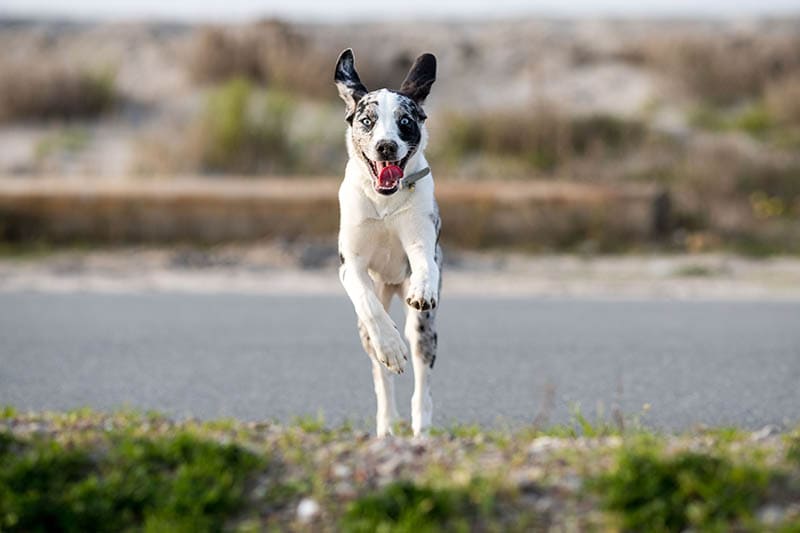
Adolescence can lead to a boost in energy levels. Dogs once content with short walks might now seem insatiable in their need for physical activity, which often leads to restless behavior, increased playfulness, and even moments of hyperactivity.
Testing Boundaries
Teenage dogs enjoy testing boundaries and challenging authority. They might ignore commands that they previously obeyed or engage in undesirable behaviors to see how you react. In the wild, this is the age when a young dog is finding their place in the pack, so it is natural for them to try to elevate their status by seeing what they can get away with. Consistency in training and patient reinforcement becomes crucial during this phase.
Mood Swings
Hormonal changes can lead to mood swings in teenage dogs. One moment, they might be excited and eager to please, and the next, they could be irritable and refuse to listen.
Dealing With a Teenage Dog
Consistent Training
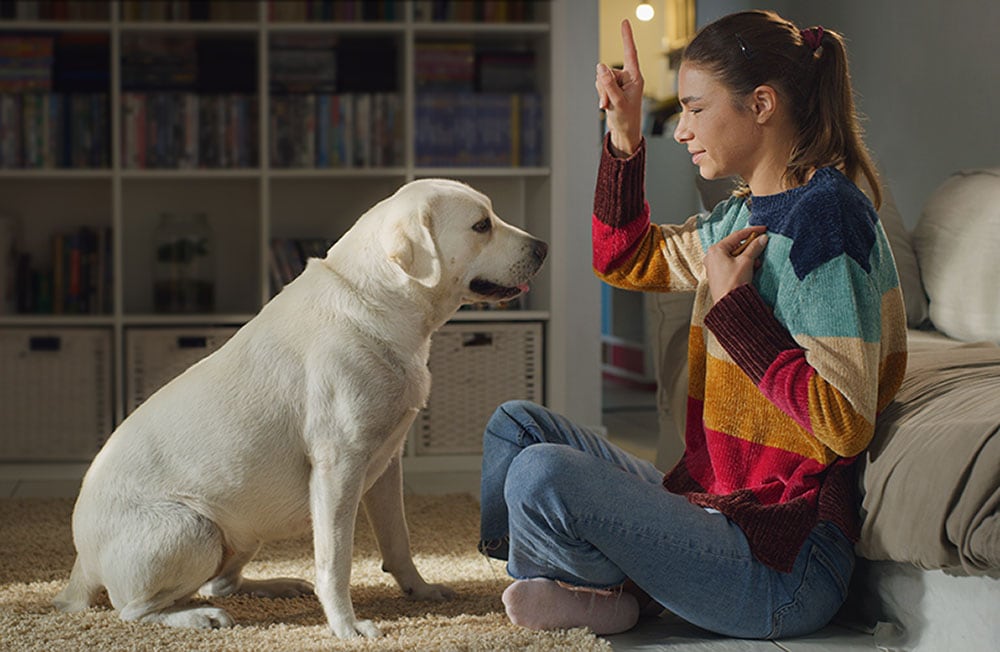
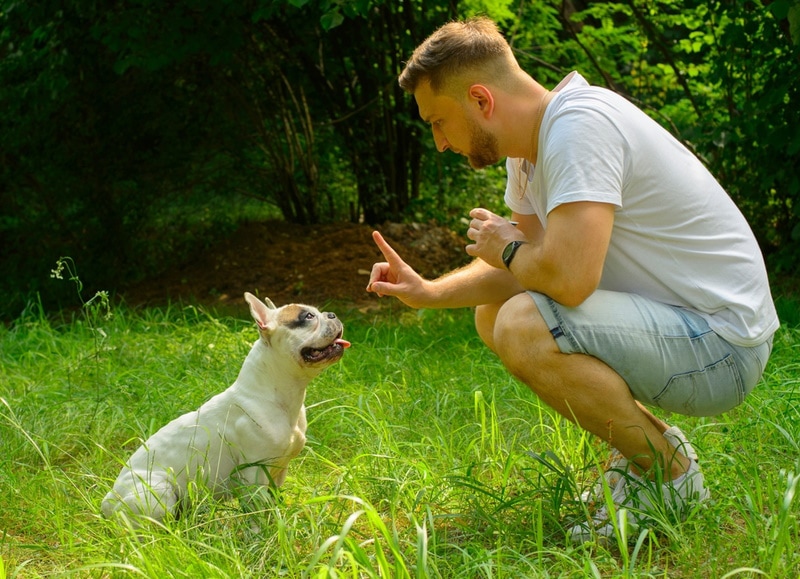
The best way to get through dog adolescence is with consistent training and positive reinforcement. Reinforcing basic commands and using reward-based techniques can help maintain control and desired behaviors during this difficult stage.
Socialization
Proper socialization is essential during adolescence to ensure that your dog gets along with other dogs and humans. Controlled and positive interactions in various settings can prevent the development of aggressive or fearful behaviors. Socialization will also help your pet feel more comfortable in unfamiliar places, making them less likely to misbehave.
Physical Activity
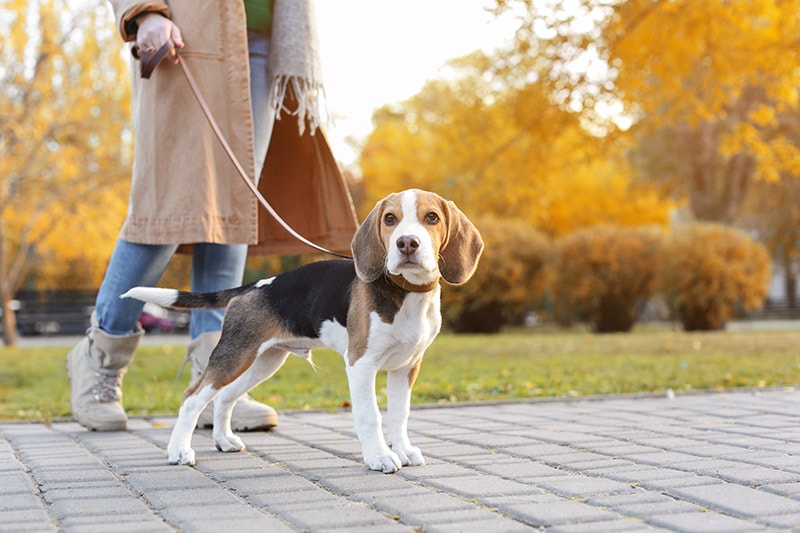
Adolescent dogs need ample physical activity to channel their energy and prevent destructive behavior. Regular exercise, engaging toys, and mental stimulation can help alleviate restlessness and prevent boredom.
Adjust Diet
Adolescence is a time of rapid growth, so you’ll need to provide a balanced and nutritious diet that supports their development. Consult a veterinarian for help creating a healthy diet, and maintain regular health check-ups and vaccinations.

Frequently Asked Questions
Will My Dog’s Mood Swings During Adolescence Continue Into Adulthood?
Mood swings are often a result of hormonal fluctuations, and will usually become less pronounced as the dog matures into adulthood. However, a certain level of mood variation might persist.
Is Spaying or Neutering Recommended During Adolescence?
Making spaying or neutering decisions in consultation with a veterinarian is best, as timing might vary based on breed, size, and other individual factors.
How Long Does Canine Adolescence Last?
Your dog’s teenage years can last anywhere from a few months to a year or more, depending on the breed and individual dog. Small dog breeds usually move through it more quickly than large ones.
Are There Specific Breeds That Experience More Challenging Adolescence Phases?
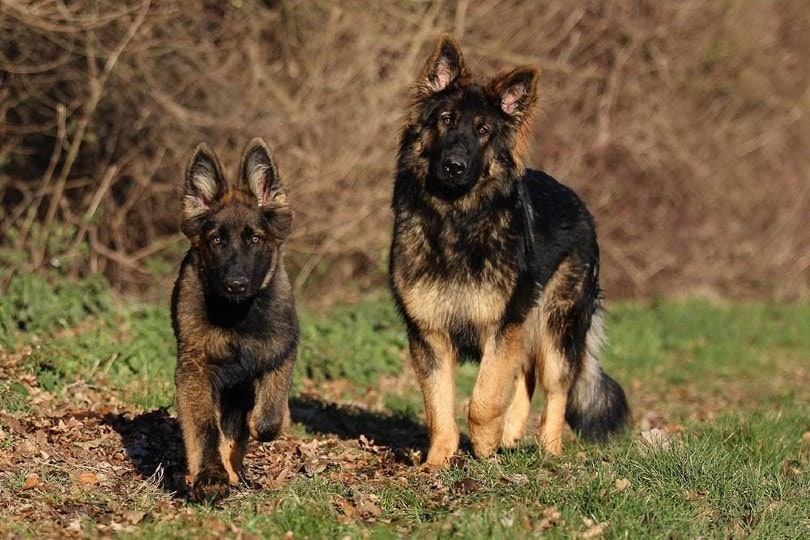
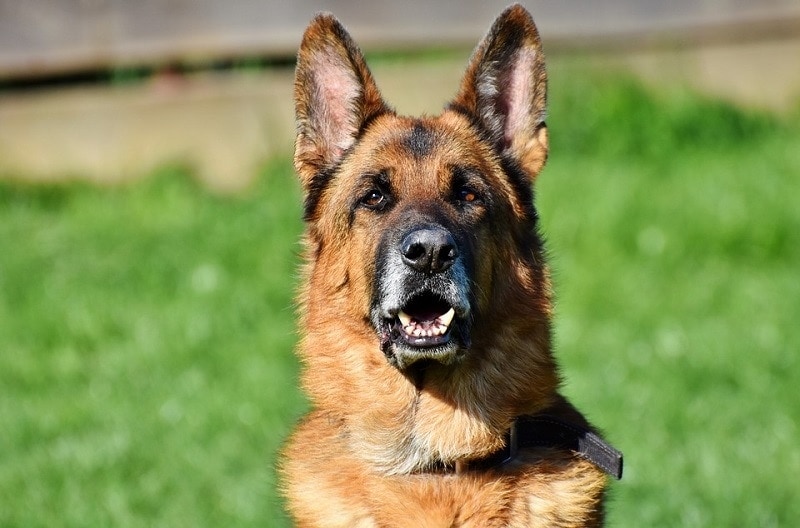
While all dogs go through adolescence, certain breeds are particularly well-known for their strong-willed or independent natures. For example, Jack Russell Terriers, German Shepherds, and Akitas might present more challenges during this stage. However, proper training and socialization can help manage such behaviors.
Is It Possible to Prevent Behavior Problems During Adolescence?
Some behavior changes are just natural, but early socialization, consistent training, and positive experiences can help minimize the development of more severe behavior problems. Establishing clear rules, boundaries, and commands early on will make it far easier for you to reign in your rebellious teen.
Summary
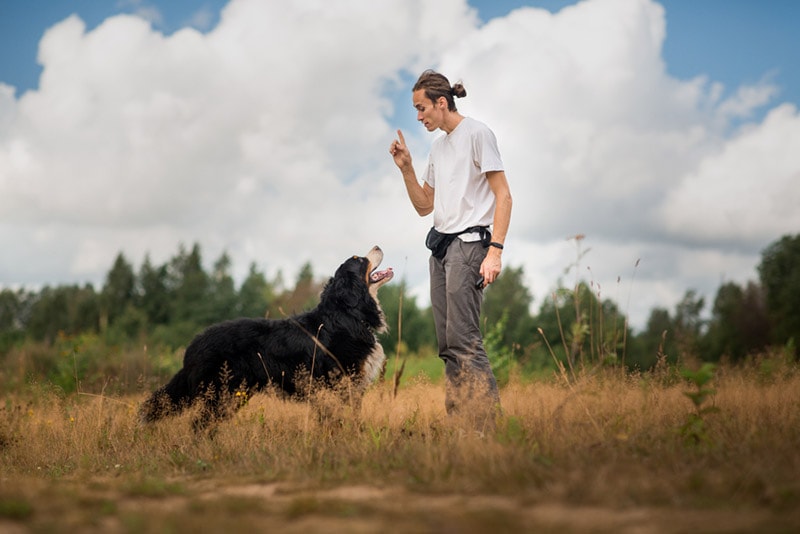
Unfortunately, there's no exact date that your pet will become a teenager. That said, you can expect it to occur when they are 6–18 months old. Small dogs usually reach this stage earlier than large dogs, which can take more than a year to get there. Large dogs also tend to stay a teenager for longer.
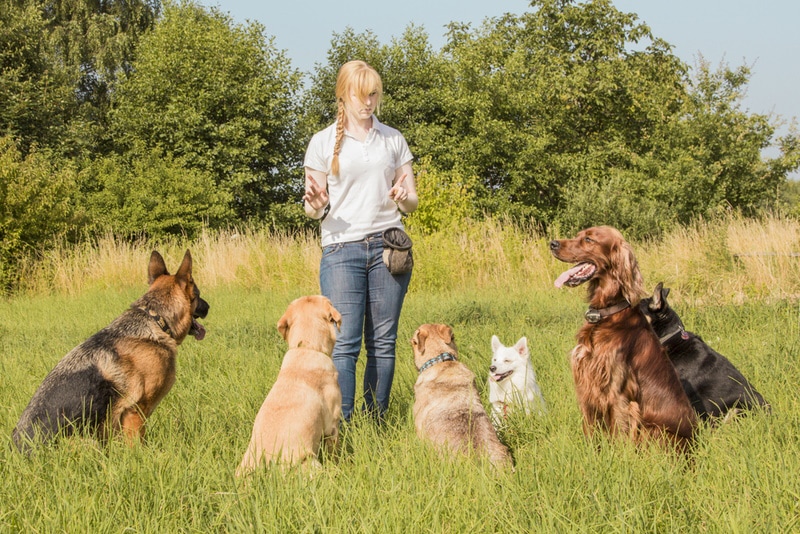
With your adolescent dog, you might experience boundary testing, mood swings, energy bursts, and other strange behavior, but you can get through this period with consistent training, plenty of socialization, physical activity, and adjustments to their diet, all of which will help make them more comfortable.
Featured Image Credit: Gorodenkoff, Shutterstock
Get Hepper In Your Inbox


Pet care tips from our vets and experts, straight to your inbox.
You may opt-out at any time. View our Privacy Policy for more information.
Ed Malaker is a veteran writer who has contributed to a wide range of blogs that cover pets, tools, guitars, fitness, and computer programming. When he’s not writing, Ed is usually performing DIY projects around the house or working in the garden. He’s also a musician and spends a lot of time helping people fix their guitars and composing music for independent films.
Join the conversation
Ask a question, share your story, or send private feedback.