Hepper is reader-supported. When you buy via links on our site, we may earn an affiliate commission at no cost to you. Learn more.
When Does a Puppy Become an Adult? Vet Reviewed Explanation


In this article
As a new pet owner, it's easy to get caught up in the joy and excitement of bringing home a playful and energetic puppy. However, it's important to remember that your canine friend won't stay a pup forever. Just like humans, dogs go through various stages of development as they grow older.
Understanding when your playful puppy becomes a mature canine is crucial for their overall health and wellbeing. From changes in physical appearance and behavior to dietary needs and exercise routines, transitioning from a puppy to an adult dog requires careful attention and consideration. So, when are puppies considered "adult" dogs? The answer is between 1 and 2 years of age. Let’s learn more.

When Are Puppies Considered Adults?
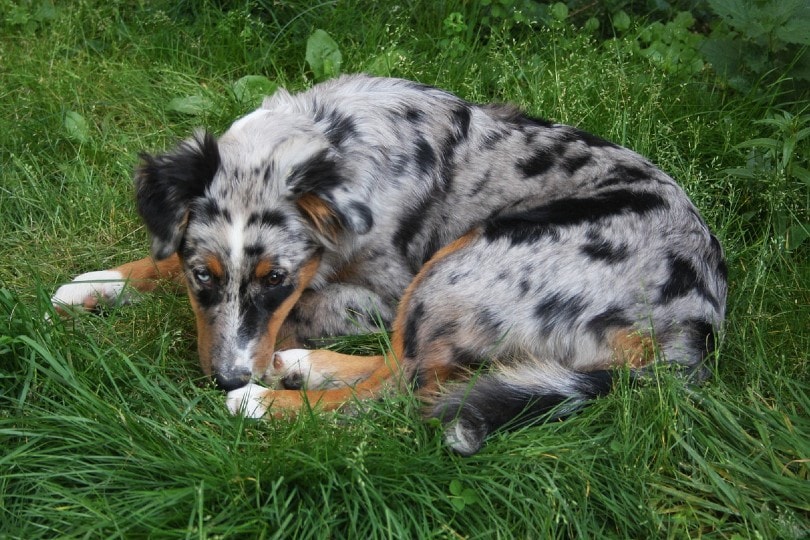
Generally, puppies are considered adults when they reach their full physical and mental maturity, which can take anywhere between 1 and 2 years depending on the breed. Smaller breeds tend to mature faster than larger breeds. During the first year of life, puppies experience significant growth and development. They undergo changes in their size, weight, coat, and behavior. As they enter their second year, their growth slows down, and they become more stable and settled.
Their energy levels decrease, and they become less playful and more focused. But note that while puppies may physically look like adults, their behavior may not reflect their maturity level. For example, some breeds may reach full skeletal maturity at 6 months of age. It's essential to continue training and socializing them to ensure they become well-behaved, obedient, and happy adult dogs. Let's take a closer look at the developmental stages of these puppies.
The 4 Development Stages of Dogs
1. Puppyhood: The First Year of Your Dog's Life

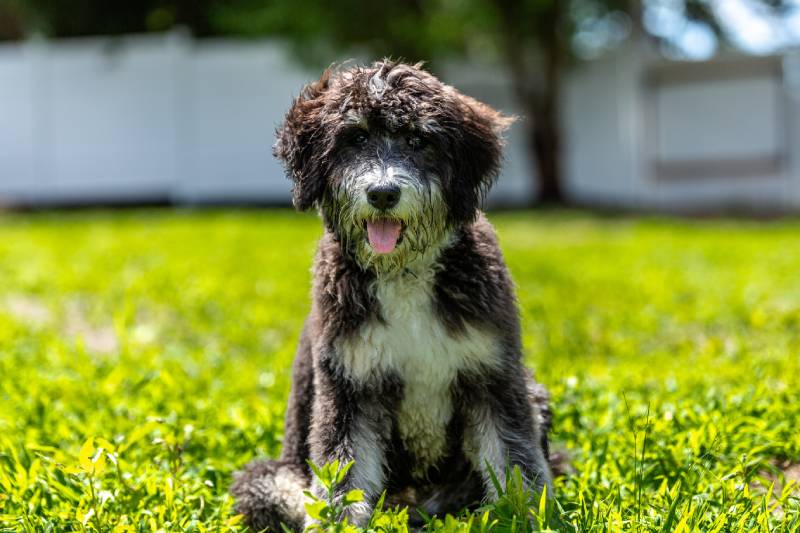
From a training perspective, the puppy stage is a critical time in your dog's life. It's during this time that they're really the most impressionable, and their personalities and behavior are shaped. Puppies are full of energy and curiosity, and they love to explore their surroundings. They're also very social animals and love to play with other dogs and humans.
At this point in their lives, it's important to establish routines and boundaries with your puppy. This will help them understand what is expected of them and will make training easier in the long run. For example, potty training is a critical part of puppyhood, and it requires patience and consistency. So, make sure to take your puppy outside frequently, and reward them for going potty outside.
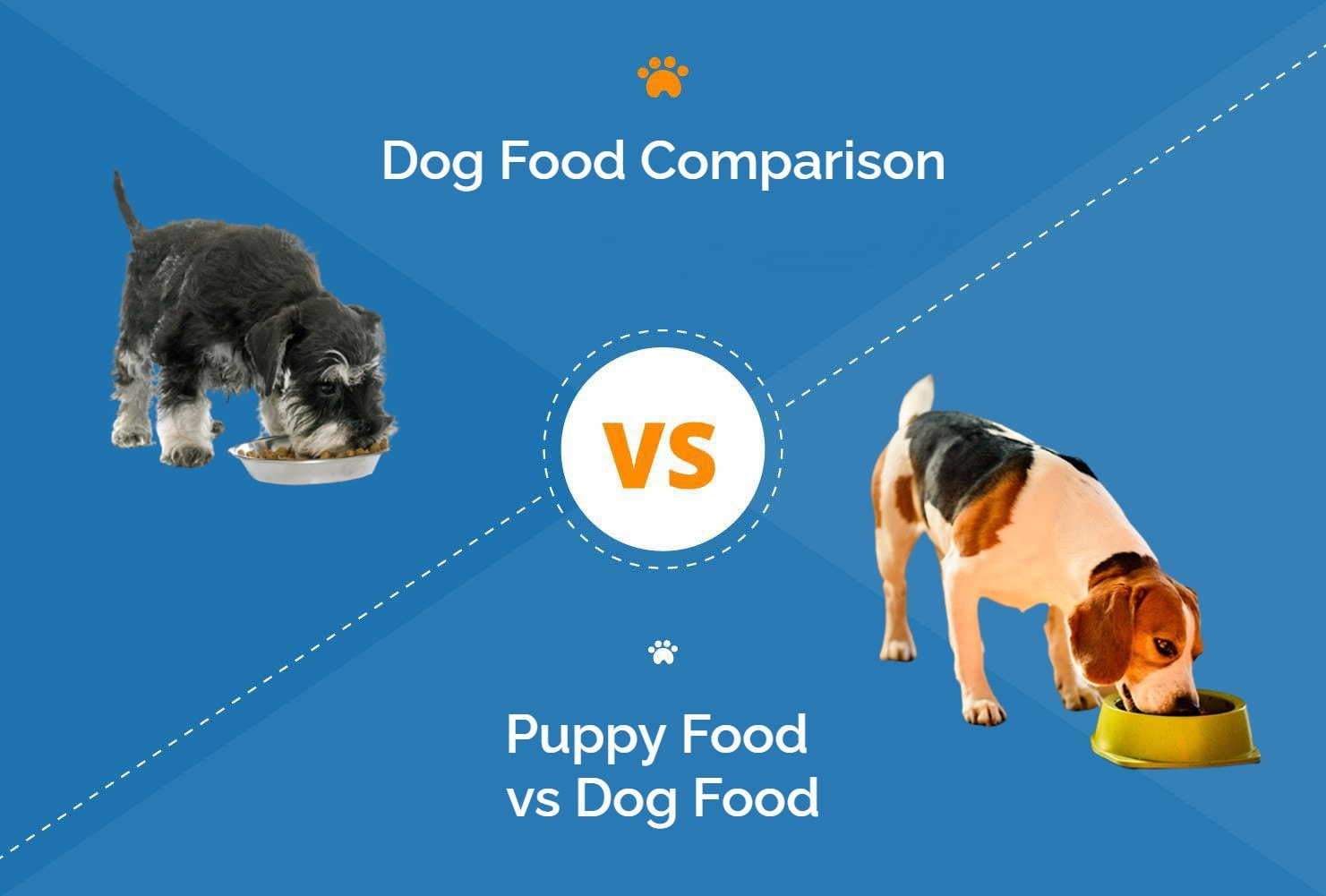
You will also want to pay attention to what and how often you're feeding your pup at this time in their life. Remember that puppies have different nutritional needs than adult dogs, and they require a diet that's high in protein and fat. It is best to consult a veterinarian or a canine nutritionist to pick a diet that is specifically formulated for their needs. As your puppy grows, you can gradually transition them to adult dog food.
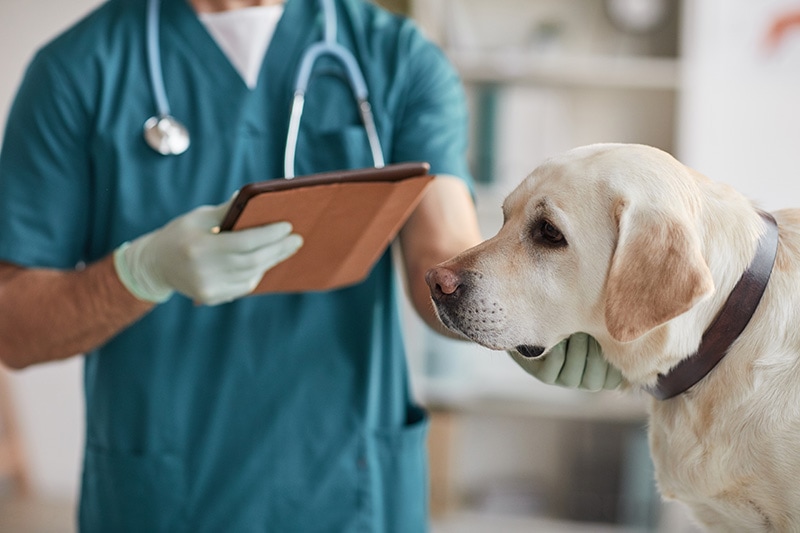
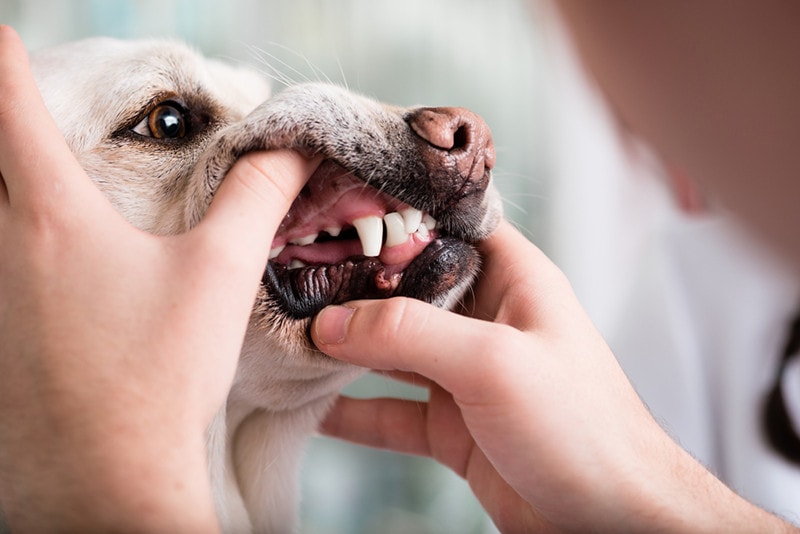
Puppies need routine veterinary care to establish an appropriate vaccination program that will be key in ensuring their long term welfare. Your veterinarian can also set up a preventive treatment program for your puppy for external and internal parasites, along with routine dental care plans and blood test schedules.
Routine veterinary care may also involve a one time surgery in the form of neutering or spaying your pup. At times, it may be best for your pup to have this surgery in the first year of their lives. Your veterinarian can decide the best age for this procedure for your pup.
2. Adolescence: The Teenage Years of a Dog's Life
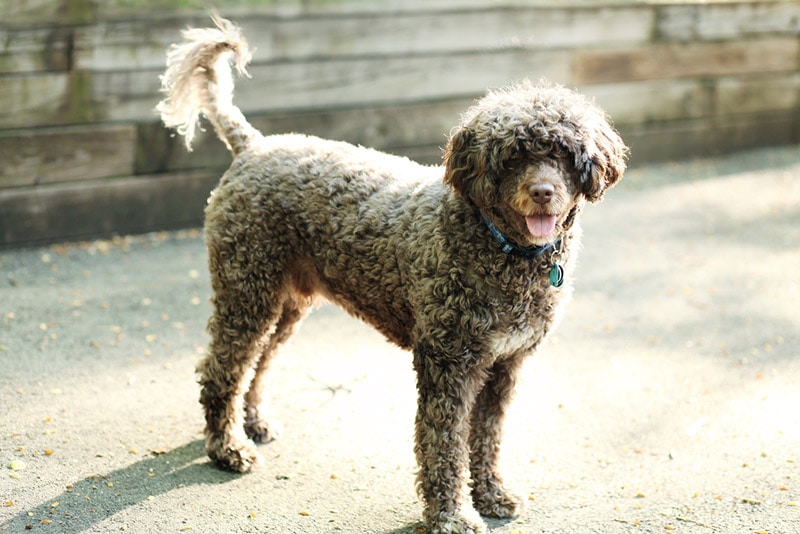
The adolescent stage, also known as the teenage years, can be a challenging time for both dogs and their owners. At this stage, dogs often become more independent and may test boundaries. They may also become more territorial and protective of their belongings.
You'll want to continue obedience training (and socialization) during this stage and to reinforce good behavior. Obedience training and socialization is extremely important at this time of your dog's life, as the dog will be bigger and, in some cases, may challenge you as their owner if they haven't been trained while they were younger.
Consistency is key, and it's very important to establish yourself as sort of the "pack leader". Doing so will help your dog understand their place in the family hierarchy and will make training easier in the long run. The help of a dog trainer is recommended if you feel like your young pup isn't behaving appropriately.
In addition to training, you should know that your dog may have an increase in his or her daily calorie consumption during this time. So be sure to keep high quality dog food on deck as well as fresh cold water – especially during and after play time.
Exercise is also critical during this stage, as dogs have a lot of energy to burn. Make sure to provide your dog with plenty of opportunities to exercise and play either indoors or outside. This can include things like walks, trail runs, and playtime with other dogs at the park.
3. Adulthood: Prime Years of Your Dog's Life
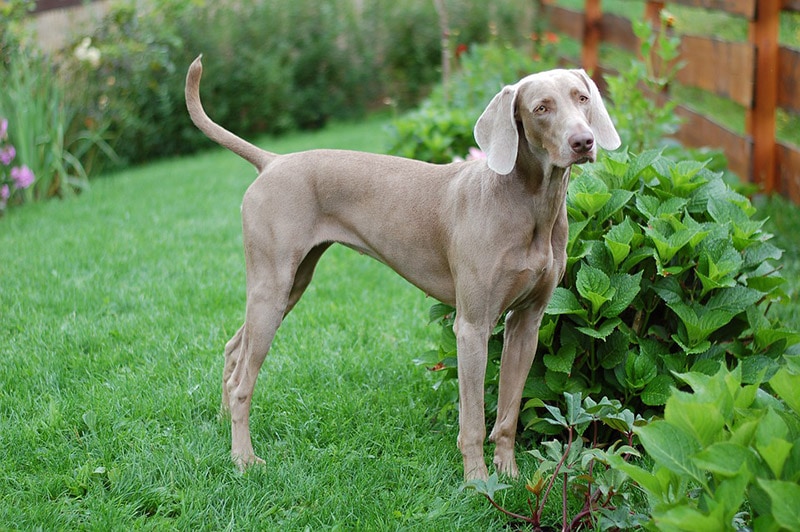
The adult stage is the prime of your dog's life. At this point, they're no longer puppies or adolescents, but mature adults. During this stage, dogs may become more settled and less energetic. They may also become more loyal and affectionate towards their owners.
At this stage, it's important to continue to provide your dog with quality food and plenty of exercise. Depending on your dog’s breed, you can expect them to require anywhere from 30 minutes to 2 hours of exercise a day to stay healthy and to prevent them from causing chaos in your home. For some active breeds it's even helpful to build an agility course in your backyard if you're able to take your dog to a park for a bit of leash-free roaming.
Doing so can also continue to help your dog develop their socialization skills. Your dog's caloric intake is most consistent in their adult years, as they've completed skeletal maturation and usually have fixed routines by this age. Protein should be the main nutrient in his or her food.
Lastly, training can also be important during this stage, especially if your dog has any behavioral issues. It's best to address these issues early on to prevent them from becoming more serious. Positive reinforcement training can be an effective way to modify behavior and train your dog.
4. Senior Years: Understanding and Caring Aging Dogs
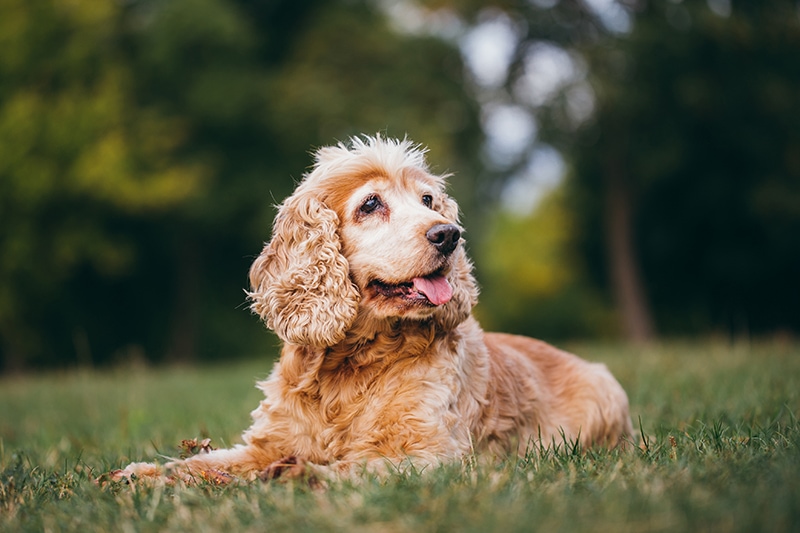
As dogs age, they enter the senior stage of life – just like us humans. This stage can be challenging for both dogs and their owners,as advanced age is a risk factor for several diseases. As dogs age, they may experience arthritis, dental problems, and other health issues.
Senior dogs may need additional supplements to their diet depending on their breed, health status, and any medical diagnosis they have. They may also become less energetic and require less exercise. However, it's still important to provide your senior dog with plenty of opportunities to exercise, but to do so in a way that's safe and appropriate for their age and health. For example, it may be helpful to install a ramp on your steps to help your dog if they're struggling with mobility, or to give them more time to rest between exercise or play sessions.
A senior dog might also appreciate a bed or water bowl on another floor if you have multiple floors. You might even need to help smaller dogs get onto the couch or bed. Larger breeds may require assistance with their back when trying to climb on furniture or in/out of your car. To aid your dog's mobility, you can even provide steps for the couch or bed.
Regular vet checkups are also imperative during this stage, as they can help detect and treat any health issues early on. Keep in mind that senior dogs may require more frequent checkups and blood work to monitor their health.

The Importance of Routine Veterinary Checkups
Each life stage comes with its own set of health issues. For example, puppies may be prone to intestinal parasites, while adult dogs may be more susceptible to dental problems, digestive issues, and obesity. Senior dogs may be more prone to joint problems, arthritis, and other age-related health issues.
It's helpful to be aware of the common health issues that can occur in each life stage and to take steps to prevent or treat them. But that being stated, quarterly or a biannual vet checkups, proper nutrition, and exercise can all help prevent health issues from arising or becoming more serious.

Nutritional Needs for Each Life Stage
Your dog's age can impact the nutritional needs of your pet. It is important to feed your dog food that is formulated for each life stage. Look for a puppy formula, adult formula, or senior formula, depending on the age of your dog, to ensure that they get the appropriate nutrition for their age. Always consult with your veterinarian or a canine nutritionist when in doubt or whenever you're thinking about changing your dog's diet.
Wrapping Things Up
Puppies generally reach adulthood between 1 and 2 years of age. However, understanding your dog's life stages at any age is key to providing them with the best care possible. Each life stage comes with its own set of challenges, but with proper care and attention, you can ensure that your dog stays healthy and happy throughout their life.
Featured Image Credit: jcburke, Shutterstock
Get Hepper In Your Inbox


Pet care tips from our vets and experts, straight to your inbox.
You may opt-out at any time. View our Privacy Policy for more information.
Nicole is a lover of animals of all sizes but is especially fascinated with the feline variety. She’s the proud mom of Baby, a Burmese, and works every day so he can relax in the sunshine or by the fire. She’s always had a cat in her home and has spent countless days with others, observing behaviors and softening up even the grouchiest of the lot. Nicole wants to share her kitty expertise with you so you and your cat can live happy, healthy, and care-free.
Join the conversation
Ask a question, share your story, or send private feedback.