Hepper is reader-supported. When you buy via links on our site, we may earn an affiliate commission at no cost to you. Learn more.
Why Are My Dogs Paws Pink and Black? 8 Vet-Approved Causes & How to Protect Them


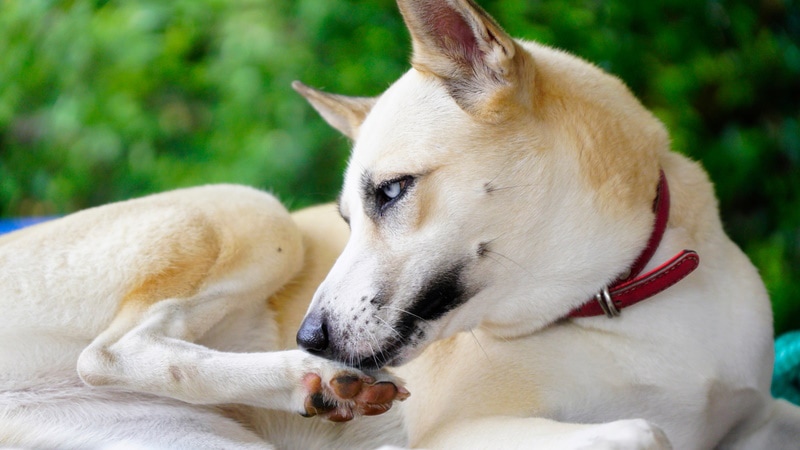
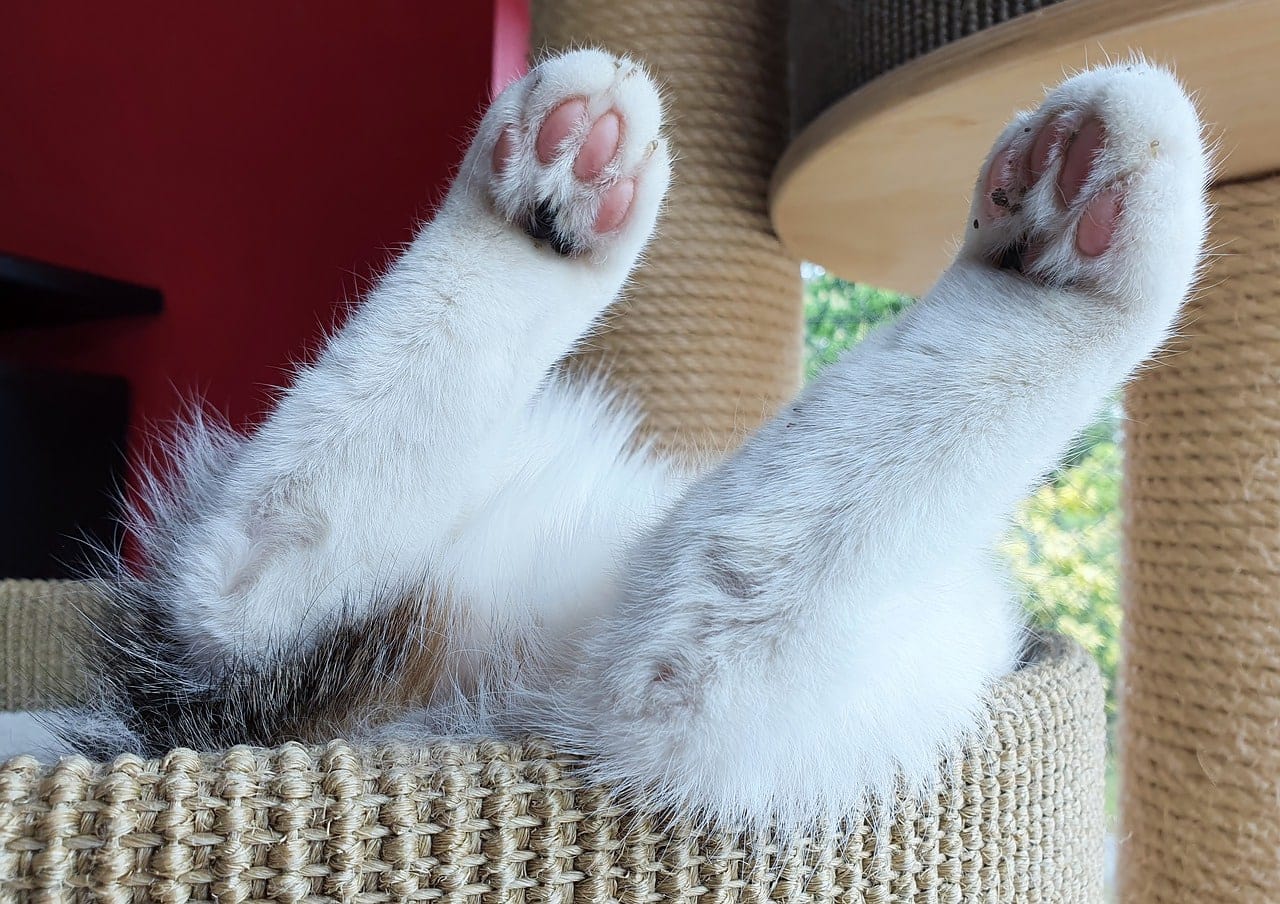
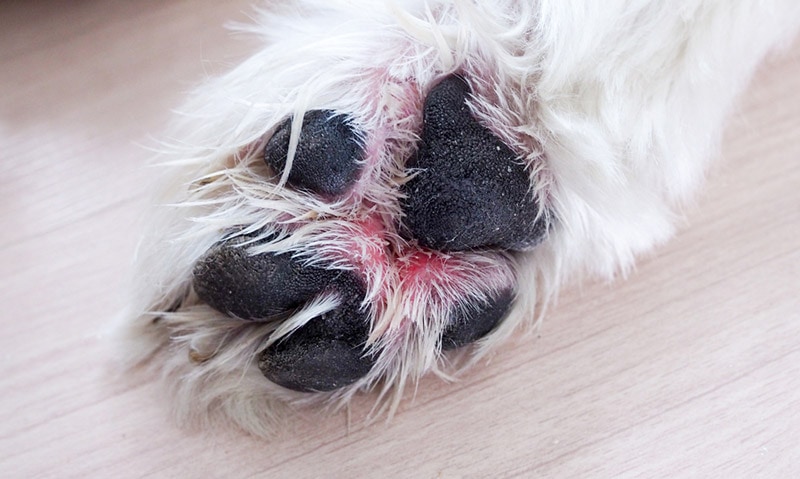
Depending on your experience owning and raising dogs, there might be some things you’ve never seen or experienced that might concern you. One is when your dog has paws that look unusually pink and have black spots or blotches on them, which is admittedly odd.
The good news is that, in many cases, a dog with pink and black paws or paw pads is 100% normal and nothing to worry about. Still, you might be curious as to why your puppy’s paws look so oddly colored. We’ll discuss the eight common reasons for pink and black paws to help you understand this relatively common finding.

The 8 Common Reasons Your Dog’s Paws Are Pink and Black
1. The Colors are 100% Natural and No Big Deal
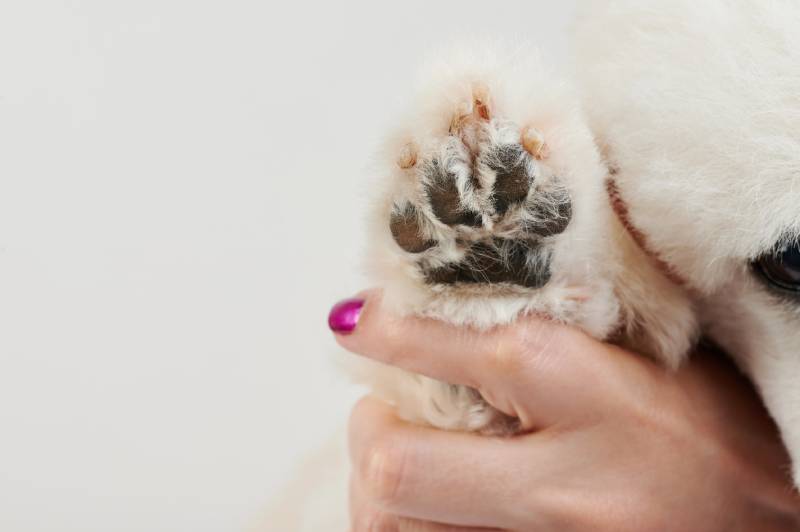
One of the most common reasons a dog will have pink and black paws is simply that it’s their natural color. Some breeds have pink and black paws naturally, and they cause no problems whatsoever. You’ll see this color mostly in dogs with white, tan, or other light-colored furs, including the Bichon Frise, Maltese, and others.
Some will keep the coloring their entire life, while others may only have it as puppies.
2. Bacterial or Fungal Infection
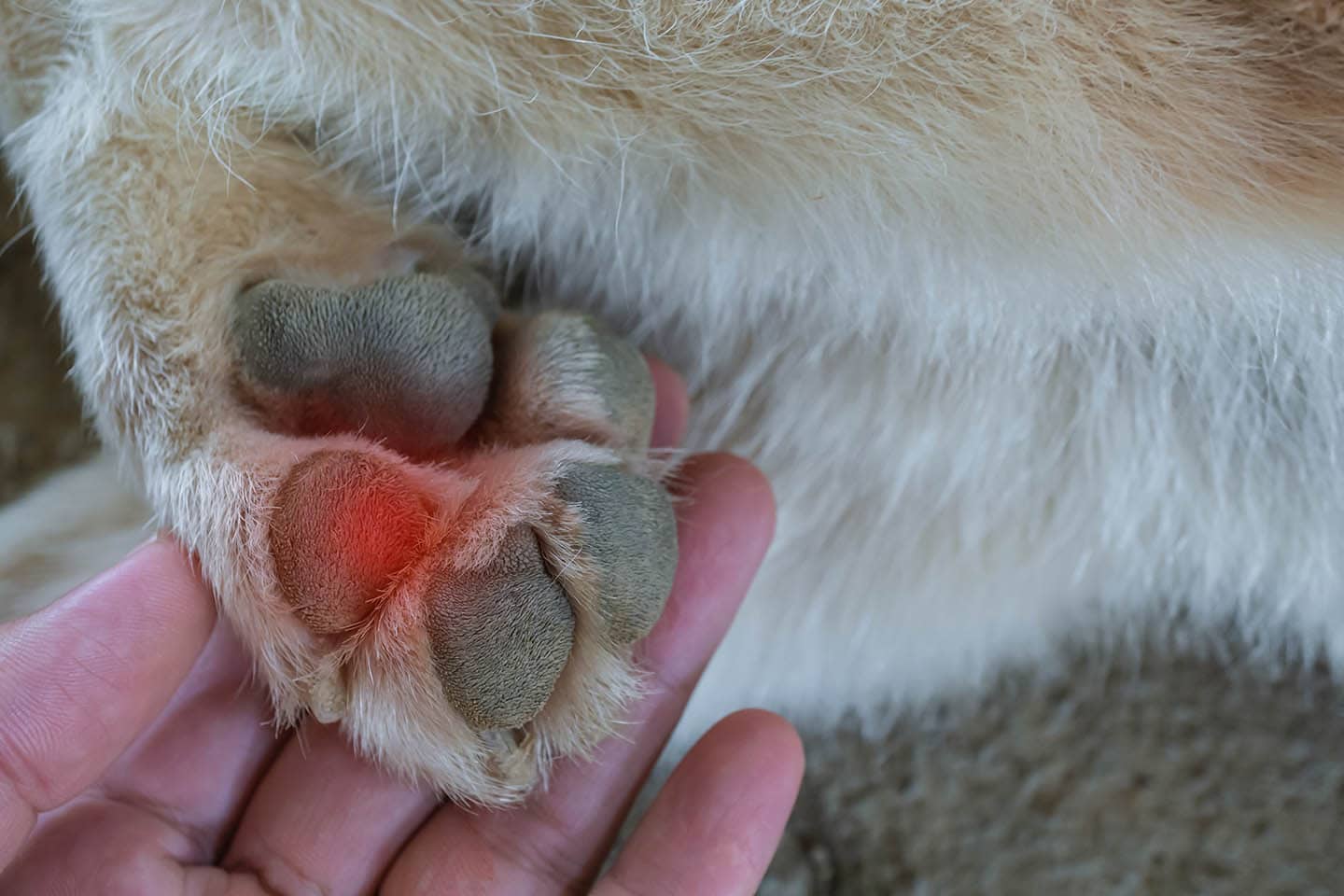
Once they’re fully developed, a dog’s paws are quite tough, including the outer layer of the pads called the stratum corneum. However, they aren’t indestructible and can become infected if exposed to bacteria or fungi. This can often turn their paws pink, at least temporarily.
If your dog’s paws suddenly turn pink and they are licking or chewing them, a trip to your local vet for a checkup is a must.
3. Your Canine Companion Has an Allergy
Allergies are not uncommon in dogs. They can be allergic to food, parasites, or environmental allergens. Both food allergies and atopy (caused by environmental allergens) involve skin inflammation and itchiness, which can affect a dog’s paws, turning them temporarily pink and black.
As with bacterial infections, if your dog has pink and black paws from an allergic reaction, they will lick, chew, and otherwise pay more attention to them than normal. If that’s happening, a vet visit should be scheduled as soon as possible.
4. The Outer Layer of Skin on Your Dog’s Paws is Shedding
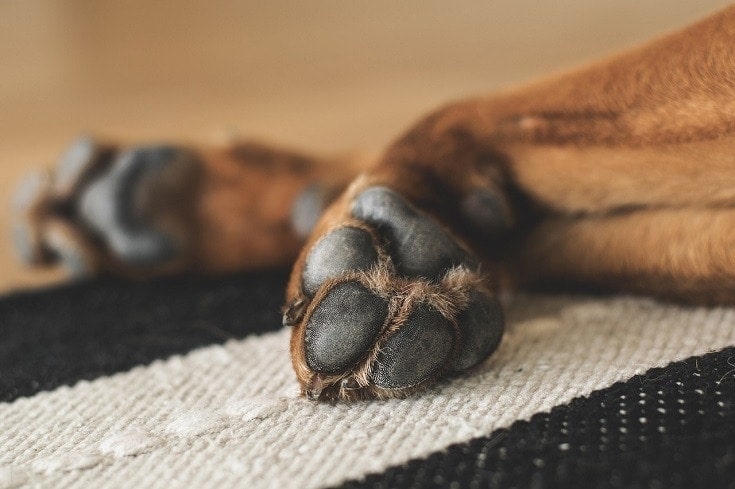
If your dog has been walking on hard, rough surfaces, the outer layer of skin on their paws might shed, leaving them pink and black while the new layer hardens. This is usually normal, and as long as your dog doesn’t seem uncomfortable or lick their paws, there is no cause for alarm.
5. They Are Puppy’s Paws
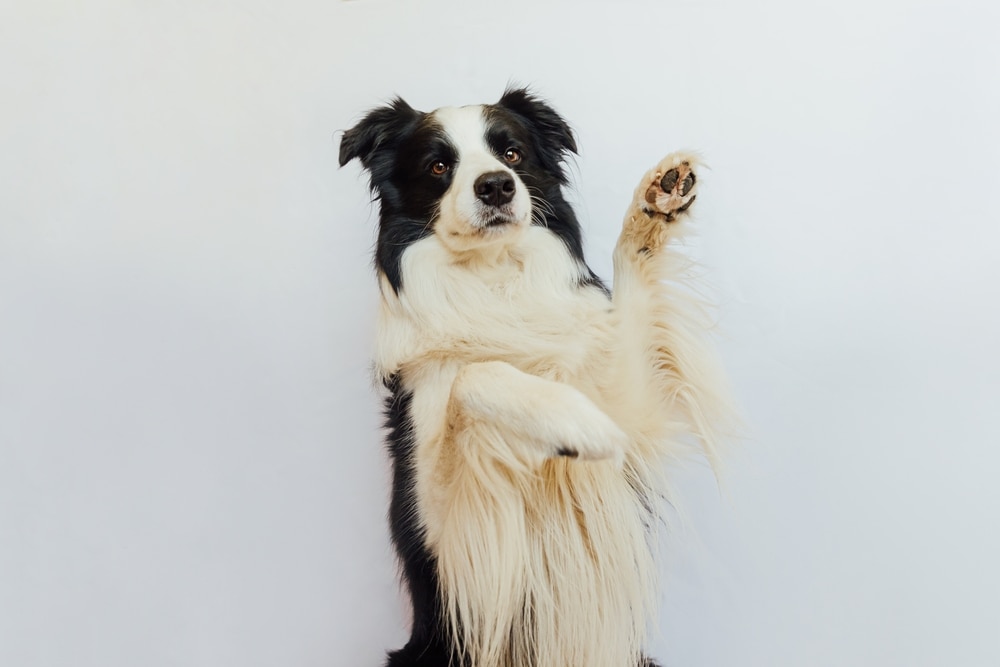
Most puppies have pink and black paws when they are young, which may change as they grow older. The outer layer becomes harder and frequently changes color to black while they grow to adulthood, and this is 100% natural.
6. You’ve Just Finished Walking Your Dog on a Hot Surface
If the pavement is very hot, it can burn a dog’s paws. The heat can cause the paler parts of their paws to look pinker because they’ve been burned. That’s why avoiding very hot pavement when walking your pet is so important.
7. Your Dog Has an Autoimmune Disease
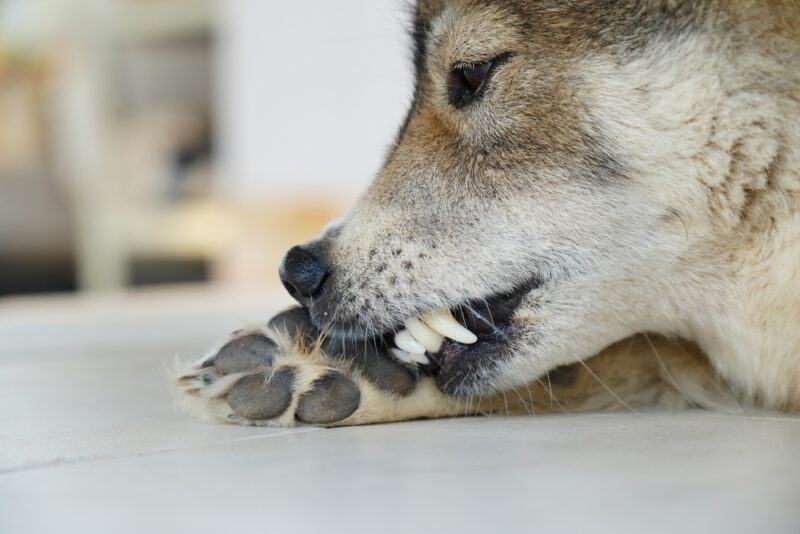
An autoimmune disease is when, for some reason, the body’s immune system attacks their own normal cells rather than infected or diseased cells. If your dog has an autoimmune disease, their paws may become inflamed and appear red or pink mixed with the normal black color.
A trip to your vet is recommended, as autoimmune issues demand ongoing treatments to keep them under control. Luckily, this is a rare condition for a dog.
8. Your Dog Has a Tumor
Your dog’s paw may change color or appearance in the unfortunate case of them developing a growth. Not all tumors are malignant; histiocytomas, for example, are benign growths common in young dogs.
Other types, such as mast cell tumors, melanomas, and squamous cell carcinoma are considered malignant. If you notice any changes to your dog’s paws, it is vital to schedule a visit with your vet to understand the causes.
How to Protect Your Dog’s Paws
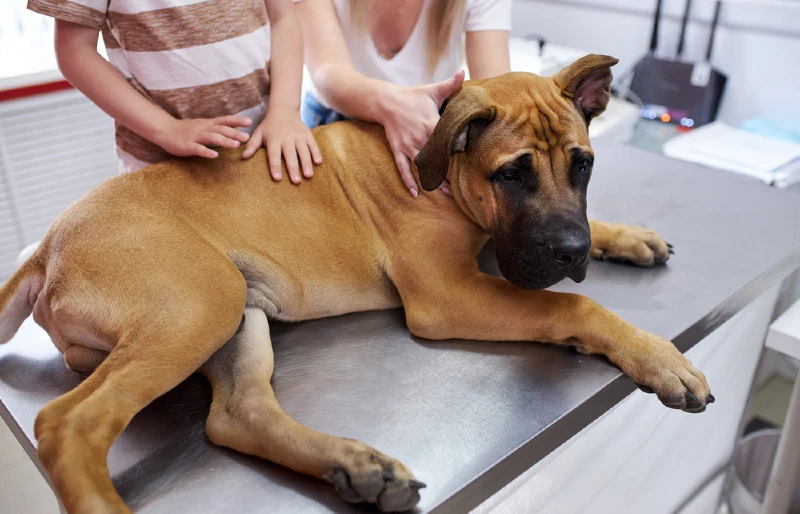
Your dog's paws and paw pads demand as much, or more, attention than any other sensitive part of its body. Unfortunately, many dog owners ignore their dog’s paws because they believe they are indestructible or don’t need to be cared for. Below are a few things you should do to ensure your dog’s paws remain healthy.
1. Never Walk Your Dog on Hot Pavement
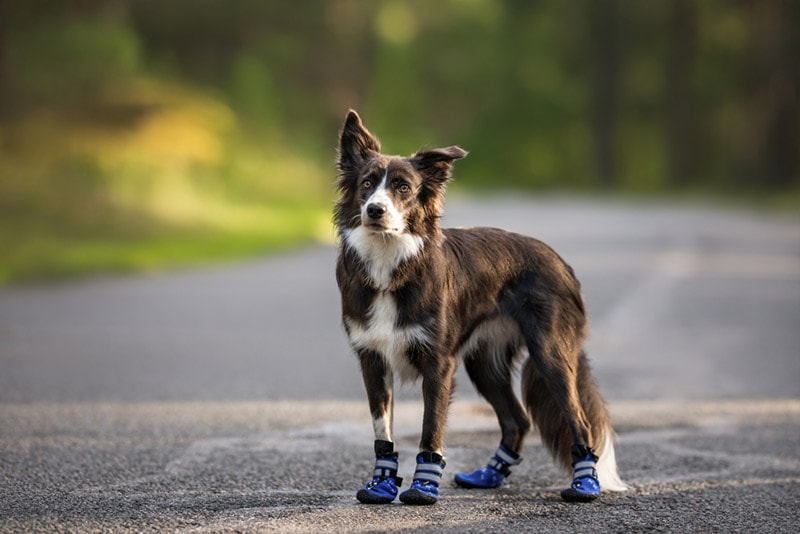
Hot pavement is the bane of dog paws and can burn and damage them, causing your pet great pain and discomfort. If the pavement around your home is always hot, purchase a set of booties for your dog to wear while walking. Even if you get a pair of booties, it is vital that you walk your pup early or late in the day once the pavement has cooled off.
2. Always Keep Your Dog’s Paws Clean
Your dog’s paws are exposed to many irritants, rough surfaces, and debris. It is important to inspect your pooche’s paws after their walks to make sure they are free of dirt or foreign material and to check for any injuries. You can give them a wipe with a damp clean cloth and dry them well afterwards.
High-quality wet wipes can help you keep your dog clean from head to tail. Our Hepper Wash Wipes are infused with natural, moisturizing ingredients that will soothe your dog's skin while effectively removing dirt and grime. These soft, hypoallergenic wipes are made in the USA and safe for dogs and puppies of all breeds.

- Gentle Care For All Pets - Infused with moisturizing hypoallergenic ingredients & enriched with cucumber & aloe fragrance for healthier fur, coat & skin, the ultimate dog and cat cleaning wipes
- Deep Cleans From Head to Tail - Tackle the toughest dirt & messes with our extra strong pet wipes for dogs, cats and other pets while being gentle on sensitive areas like the face, ears, butt & paws
- Freshness On The Go - Each dog grooming wipes pack contains 30 counts of premium dog wipes that leaves your pets fresh. Packed in resealable packaging, keeping the cat wipes fresh & ready whenever
3. Avoid Contaminated Areas When Walking or Playing
Dogs don’t know the difference between a safe and clean area and one that’s filthy and full of germs and bacteria. When outside, do your best to ensure your dog isn’t traipsing through nasty stuff, including the poop left behind by other dogs.
That way, the chance of a bacterial, fungal, or other infection that affects their paws will be significantly less.
4. Keep Your Dog’s Paws Groomed Regularly
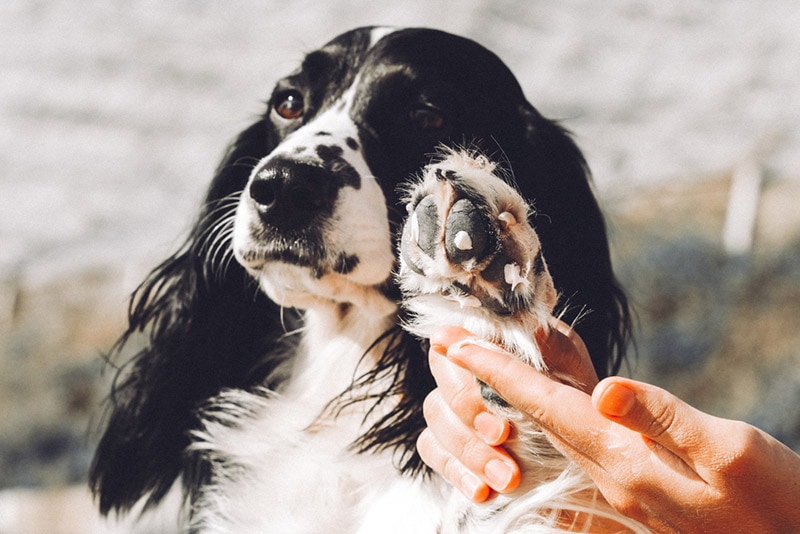
Like their ears, eyes, teeth, and anal glands (among other important body parts), you should regularly check and groom your dog’s paws and trim their nails if necessary. This will greatly lower the chance that your pup suffers from paw pad problems.
5. Purchase a Canine Paw Conditioner
If you’ve ever applied lip balm to your lips, you’ve done what vets recommend for your dog’s paws. Many companies manufacture conditioners and waxes made specifically for a dog’s paws. These products help paw pads stay hydrated, supple, and healthy and are a must if you live in a dry, hot area of the United States.

Final Thoughts
Although pink and black paws and pads are usually normal, they can also be a sign that something isn’t right with your dog’s health or that their paw pads have been burned by hot pavement. The good news is that, in most cases, problematic paws can easily be rectified, and your pet will be back to normal quickly.
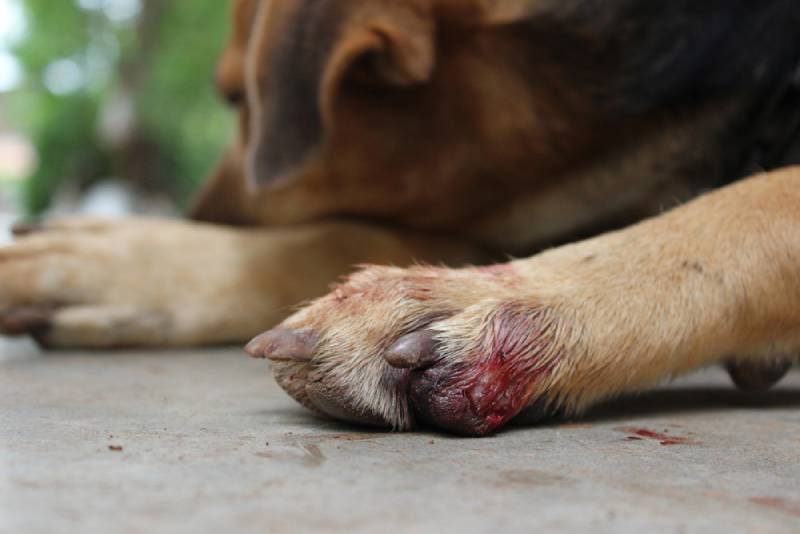
If you’re concerned about cracked, bleeding paws that have suddenly turned pink and black or your dog is licking or chewing their paws more than normal, a trip to your local veterinarian is highly recommended. While they might not seem to be, your dog’s paws and pads are as important as any other part of their body.
Sources
Featured Image Credit: KPhrom, Shutterstock
Get Hepper In Your Inbox


Pet care tips from our vets and experts, straight to your inbox.
You may opt-out at any time. View our Privacy Policy for more information.
Greg Iacono is a self-taught writer and former chiropractor who, ironically, retired early due to back problems. He spends his time writing scintillating content on a wide variety of subjects. Greg is also an accomplished video script writer known for his ability to take a complex subject and make it accessible for the layperson.
Join the conversation
Ask a question, share your story, or send private feedback.