Hepper is reader-supported. When you buy via links on our site, we may earn an affiliate commission at no cost to you. Learn more.
Why Are Weimaraners So Clingy? Facts & History

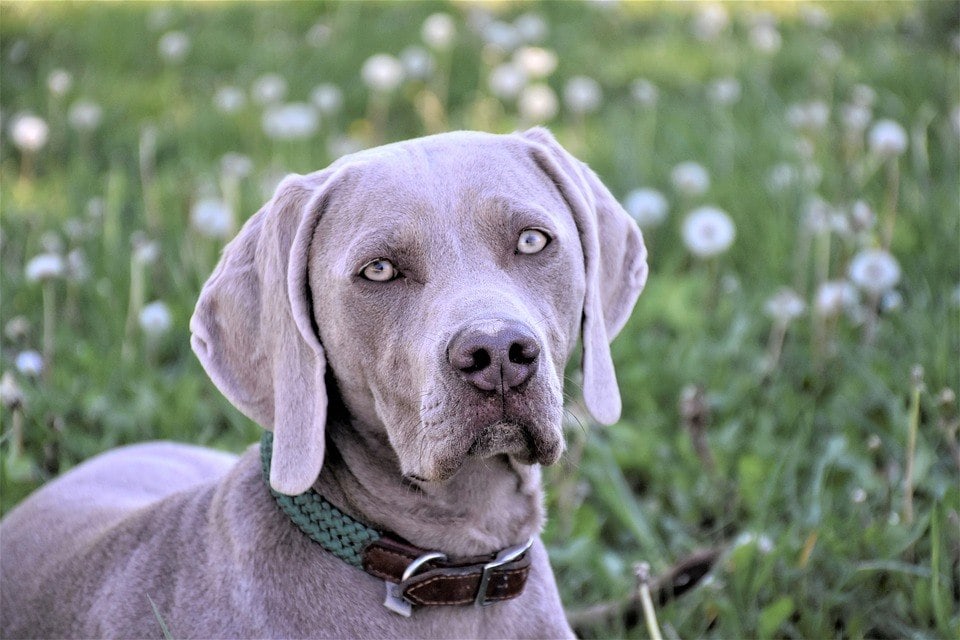
The Weimaraner, also known as the "Grey Ghost," is a breed favorite all over the world. This majestic breed is known for its distinctive gray coat and striking blue eyes, as well as its intelligence, loyalty, and affectionate nature.
But there's much more to the Weimaraner than meets the eye. With a fascinating history dating back to 19th century Germany, this breed has played a variety of roles over the years, from hunting companion to military service dog. But why are these lovable dogs so clingy to their owners? Let's discuss.
Yes, these dogs are known for being overly affectionate with their owners and in many instances...clingy. Why, you ask? Well, as hunting dogs, Weimaraners were bred to work closely with their owners in the field. This meant that they needed to be highly responsive and attuned to their handler's commands.
Over time, this close working relationship translated into a strong bond between Weimaraners and their owners. They became known for their devotion and loyalty, and their eagerness to always be close to their human companions.

Are Weimaraners Clingy? Why?
Weimaraners are also naturally social animals. They thrive on human interaction and can even become anxious or depressed when left alone for extended periods of time. This need for social interaction can manifest in clingy behavior, as they seek to be as close to their owners as possible.
While some owners may find this clingy behavior endearing, it can become problematic if not managed properly. Weimaraners who are overly attached to their owners may exhibit separation anxiety when left alone, which can lead to destructive behavior, excessive barking, and other unwanted behaviors. So, it's important for owners to establish clear boundaries and routines to help these pups feel more secure and confident even when they're not with their owners.
History of the Weimaraner
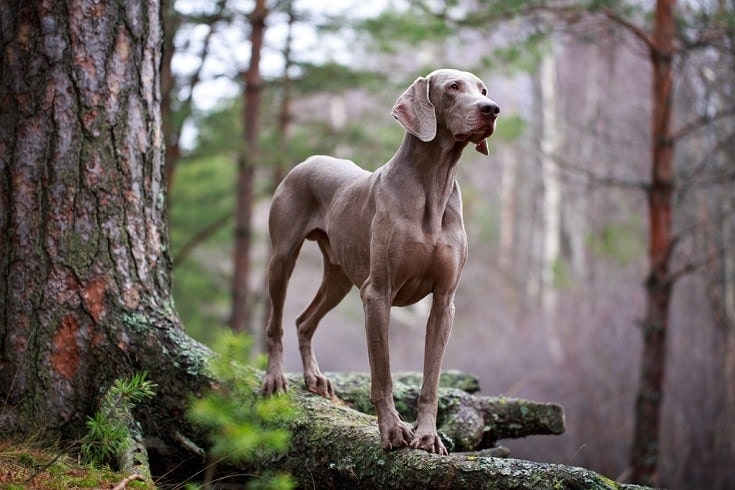
The Weimaraner is believed to have originated in Germany in the early 19th century. The breed was developed by Grand Duke Karl August of Weimar, who wanted a versatile hunting dog that could handle a variety of game, including deer, boar, and birds. The Grand Duke's breeding program was somewhat successful, and the Weimaraner quickly became a favorite among German hunters.
However, the breed faced challenges during World War II, when many Weimaraners were killed or turned loose in the wild. Fortunately, dedicated breeders were able to save the Weimaraner from extinction, and the breed was eventually introduced to the United States in the 1920s.
And currently the Weimaraner is recognized by the American Kennel Club as a member of the sporting group. The breed is still used for hunting, but also excels in obedience, agility, and tracking competitions. In addition, many Weimaraners serve as awesome therapy dogs, search and rescue dogs, and even as actors in movies and television shows.
Physical Characteristics of the Weimaraner
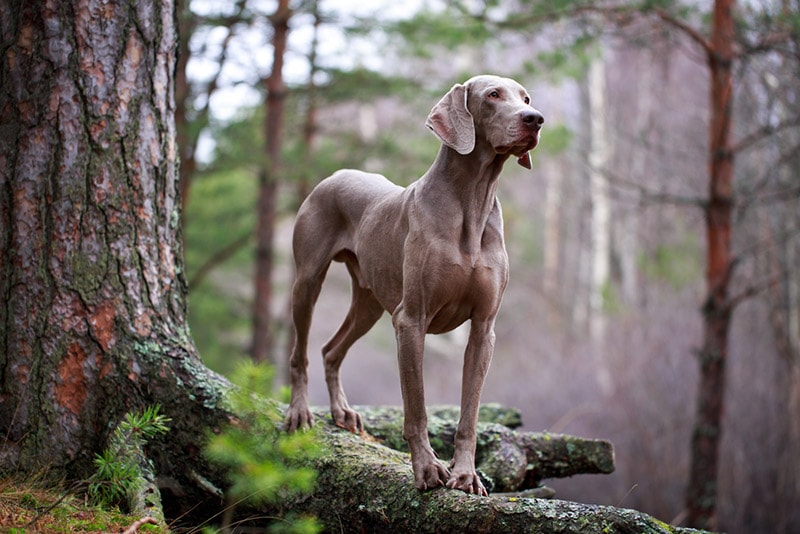
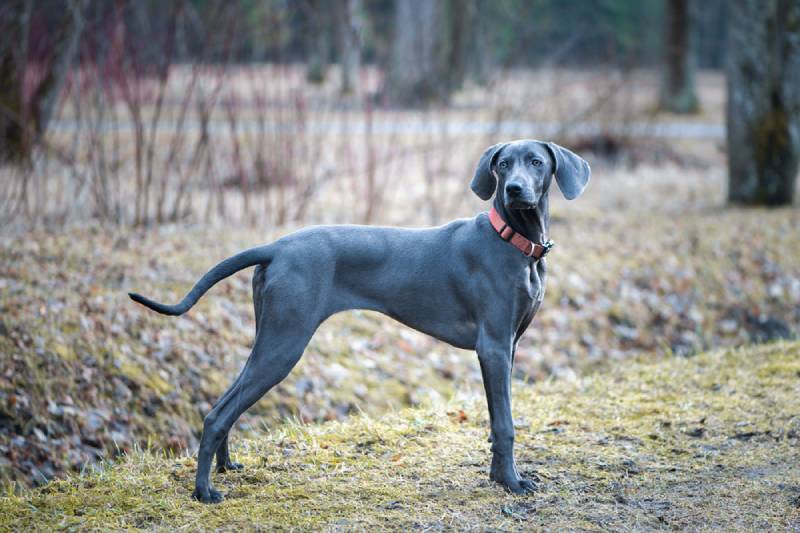
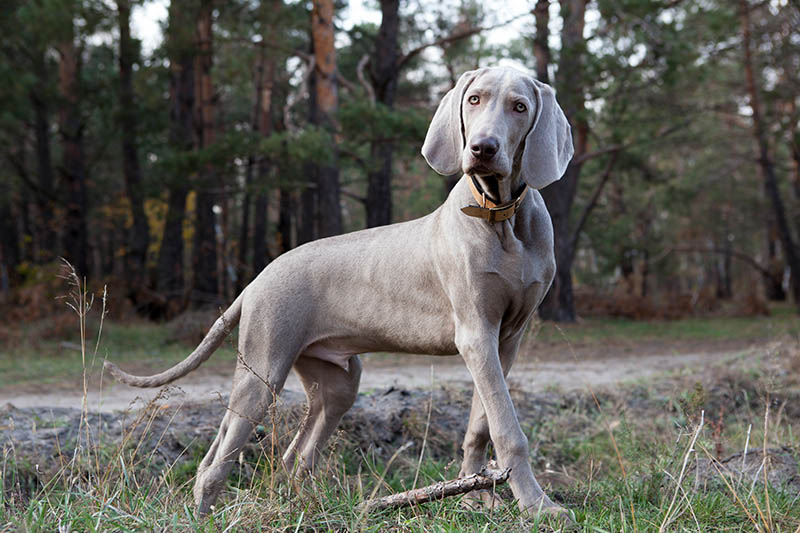
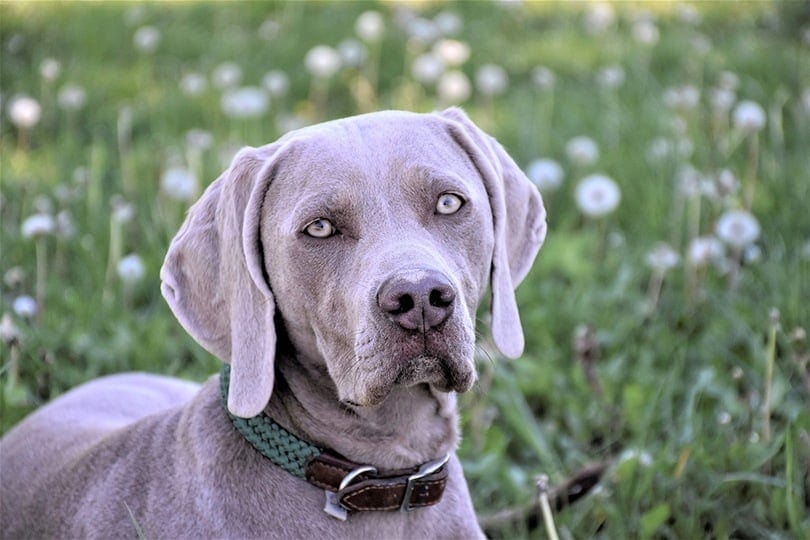
The Weimaraner is a large, muscular dog with a distinctive gray coat that can range from a light silver to a dark charcoal. The breed's coat is short and sleek, with a velvety texture that is pleasant to the touch. Weimaraners have a unique eye color, with shades of blue, gray, or green that are often referred to as "ghostly" or "piercing." The breed's ears are long and floppy, and their tails are traditionally docked to about two-thirds of their original length.
Male Weimaraners typically stand between 25 and 27 inches tall at the shoulder and weigh between 70 and 90 pounds. Females are slightly smaller, standing between 23 and 25 inches tall and weighing between 55 and 75 pounds. These pups are known for their athletic build and graceful movement, which make them well-suited for a variety of physical activities.
Personality/Temperament
Weimaraners are known for their intelligence, loyalty, and affectionate nature. They're highly trainable and eager to please, which makes them a popular choice for obedience and agility competitions. However, the breed can also be a bit stubborn and independent, which can make training a challenge for inexperienced owners. These dogs are also known for their high energy level and require plenty of exercise to stay healthy and happy.
Despite their athletic abilities, Weimaraners are also known for their super affectionate and loyal personalities. They are often referred to as "Velcro dogs" because of their tendency to stick close to their owners at all times. This can make them excellent family pets but can also lead to separation anxiety if they are left alone for extended periods of time.
Care and Grooming
Weimaraners require regular exercise to maintain their physical and mental health. A daily walk or run is recommended to keep them happy and healthy. In addition, Weimaraners enjoy a variety of activities, such as swimming, hiking, and playing fetch. Mental stimulation is also important for this breed, as they are intelligent and easily bored...i.e., they can easily create "canine tornadoes" around your home if they're lonely and bored.
In terms of grooming, Weimaraners are relatively low maintenance. Their short, sleek coat requires only occasional brushing to remove loose hair and keep the coat shiny. Baths are only necessary when the dog becomes particularly dirty or smelly, which may be every 3 to 4 weeks. Weimaraners are also prone to ear infections, so it's important to clean their ears regularly to prevent moisture buildup.

Obedience & Training Tips
Weimaraners are highly trainable, but their independent nature can make them a challenge for inexperienced owners. It's imperative to establish yourself as the pack leader early on and to use positive reinforcement techniques to encourage good behavior.
Daily consistency and patience are key when training these dogs, as they respond well to routine and structure. Socialization is also crucial for this breed, as they can be prone to shyness or aggression if not exposed to a variety of people, animals, and social situations early on.
Common Health Concerns
Like all breeds, Weimaraners are prone to certain health issues. Some of the most common health concerns for Weimaraners include hip dysplasia, heart conditions, bloat, and skin allergies. Regular veterinary checkups and preventative care can help to minimize the risk of these and other health issues.

Weimaraner Popularity and Famous Owners
Weimaraners have been popular in the United States since the 1950s and continue to be a favorite among hunters and pet owners alike. The breed has also had its share of famous owners over the years, including President Dwight D. Eisenhower, who owned a Weimaraner named Heidi, and photographer William Wegman, who is known for his whimsical portraits of Weimaraners dressed in human clothing.
Finding a Weimaraner
If you're considering adding a Weimaraner to your family, always find a reputable breeder who is committed to producing healthy, well-socialized puppies. Look for a breeder who conducts health screenings on their breeding dogs and who is knowledgeable about the breed's temperament and care requirements.
You may also want to consider adopting a Weimaraner from a rescue organization, as there are many dogs in need of loving homes. You can expect to pay me anywhere from $700 to $1,700 for these pups.
Wrapping Things Up
The Weimaraner is a unique and fascinating breed with a rich history and a loyal following. While they can be a challenge to train and care for, they are also incredibly affectionate and intelligent dogs who thrive on attention and physical activity.
If you're considering adding a Weimaraner to your family, be prepared to provide plenty of exercise and mental stimulation, as well as lots of love and attention. But they are sure to give you all of the love and affection that you crave and will keep you on your feet!
See also: Will Petco Take Unwanted Fish?
Featured Image Credit: RitaE, Pixabay
Get Hepper In Your Inbox


Pet care tips from our vets and experts, straight to your inbox.
You may opt-out at any time. View our Privacy Policy for more information.

Nicole is a lover of animals of all sizes but is especially fascinated with the feline variety. She’s the proud mom of Baby, a Burmese, and works every day so he can relax in the sunshine or by the fire. She’s always had a cat in her home and has spent countless days with others, observing behaviors and softening up even the grouchiest of the lot. Nicole wants to share her kitty expertise with you so you and your cat can live happy, healthy, and care-free.
Join the conversation
Ask a question, share your story, or send private feedback.