Hepper is reader-supported. When you buy via links on our site, we may earn an affiliate commission at no cost to you. Learn more.
Why Is My Cat Making a Vibrating Noise? 5 Vet-Approved Reasons

In this article
This article has been fact checked by a qualified veterinarian using information available at the time of review. Veterinary medicine is continually evolving and changing. Cat owners are urged to discuss their cat's care with their veterinarian and this article should not be taken as a substitute for medical advice for your pet.
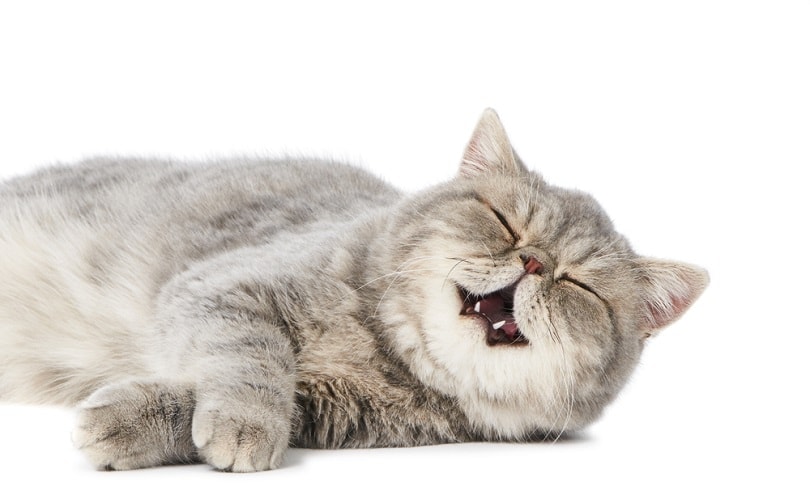
Have you ever wondered why your cat makes a vibrating noise? Also called purring, cats make these noises for various reasons, and cat owners love to hear that vibrating sound. Purring is usually associated with being a happy cat, but that's not the only reason why cats make vibrating noises. In this post, we will discuss the five reasons why cats make vibrating noises and what they mean.

The 5 Reasons Why Cats Make A Vibrating Noise
1. They Are Happy
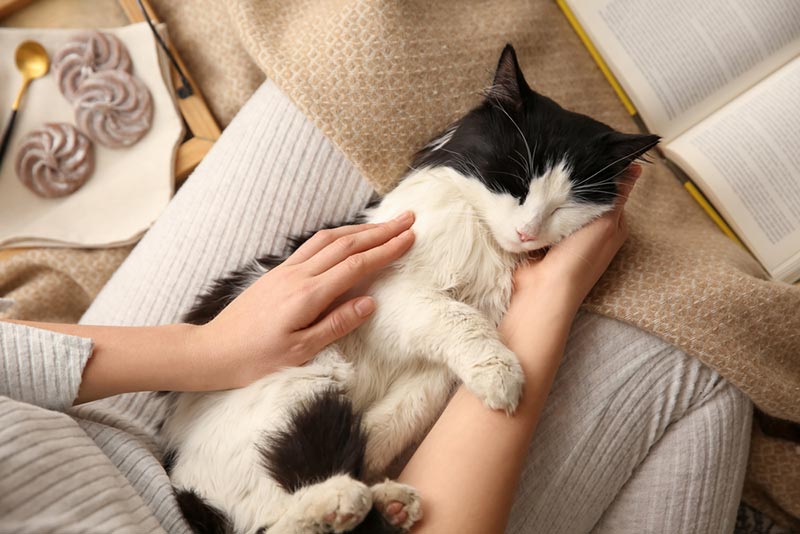
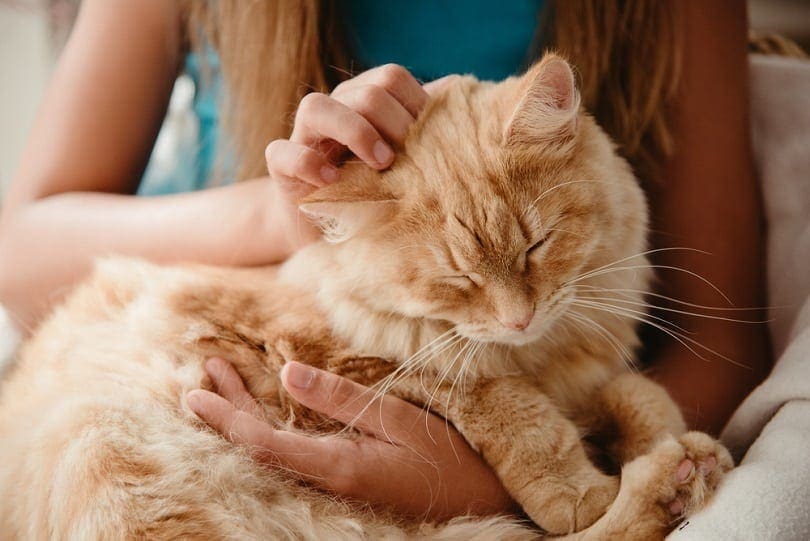
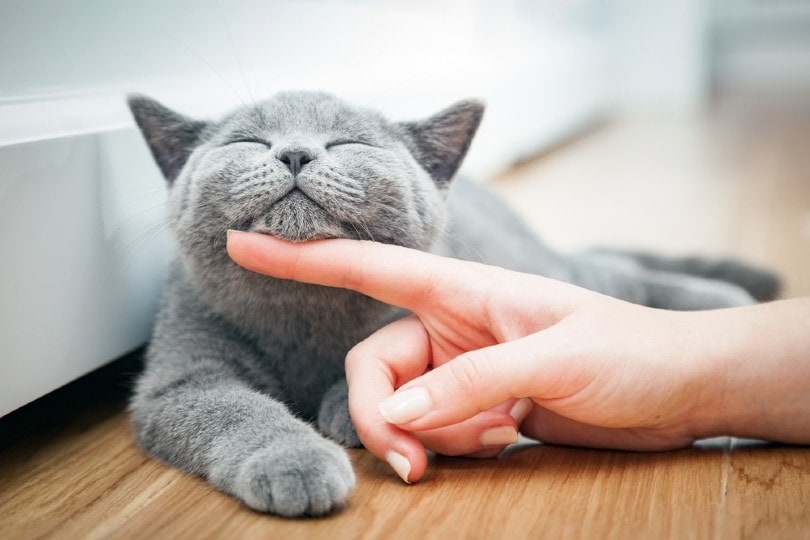
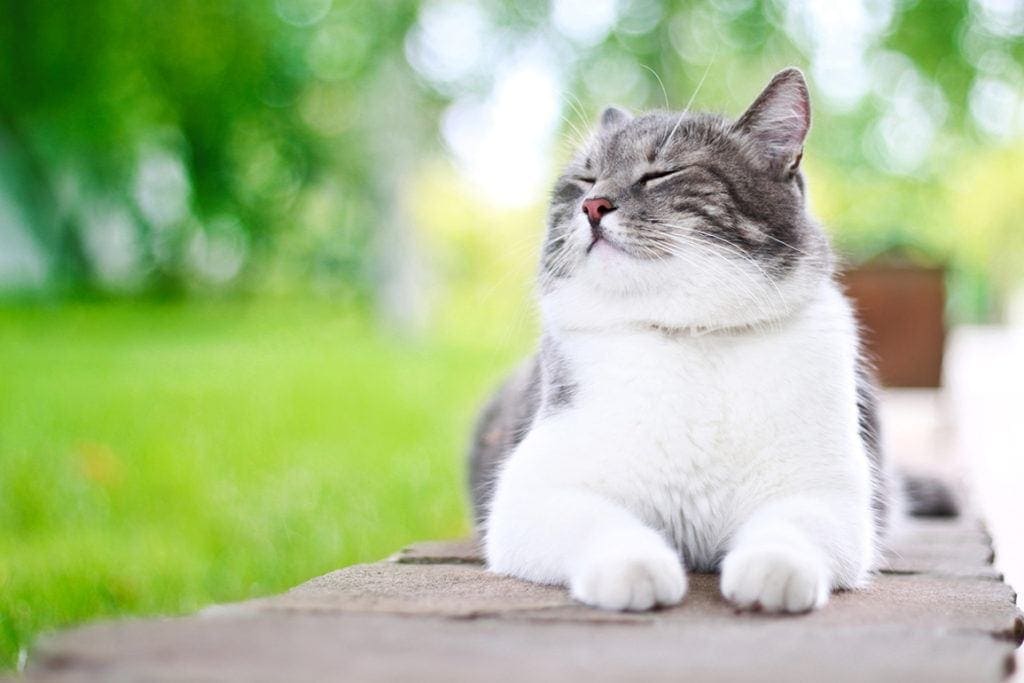
Being happy and content are obvious reasons why cats purr or make “vibrating” sounds. Cat owners love to hear the soft purrs of their feline pals when they stroke their heads or bodies, and it’s a sweet bonding moment that every cat owner cherishes. If your cat looks happy, lying on their back with their eyes half-closed and the tail is mostly still, your cat is happy and content.

2. Your Cat Is Asking for Something or Is Hungry
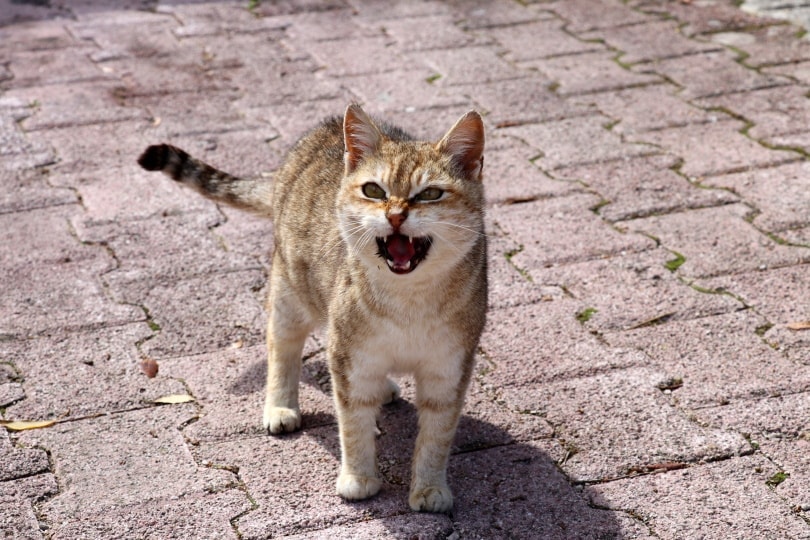
Some cats will purr when they want something from their owners; for example, your cat may be hungry, or if you have an indoor/outdoor cat, they may want outside. However, domesticated cats have perfected their “mealtime” purr. This purr is different in that a cat will incorporate their normal purring sound with an unpleasant cry or meow. They have learned that humans will be more prone to react by incorporating these two sounds together.
3. Kitten/Mother Connection
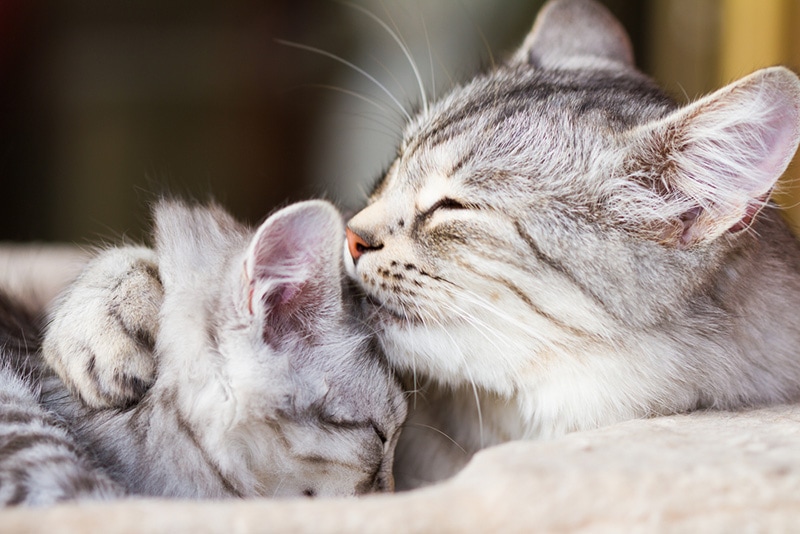
Kittens will purr to their mothers. In fact, kittens can start purring when they’re only a few days old. Purring is also another way the mother and kittens can bond. In return, the mother cat will purr back. This sweet communication between mother and kitten signals a strong maternal bond.
4. Relief and Healing
Some cats will purr in an effort to soothe themselves when they are in pain. You can also look at this scenario as a child sucking their thumb to soothe themselves. For cats, purring may have the same effect.
Research indicates that the low-frequency purrs that cats generate are similar to those used in vibrational therapy in human orthopedics. Could a cat’s purrs be helping them to heal? Maybe.
Believe it or not, purring isn’t always a happy occasion. Cats may purr or “vibrate” when they are anxious, and it’s easy to misconstrue the sound as happiness. Your cat may also use purring as a way to cope with stress from pain or anxiety.
5. Your Cat Is Greeting You
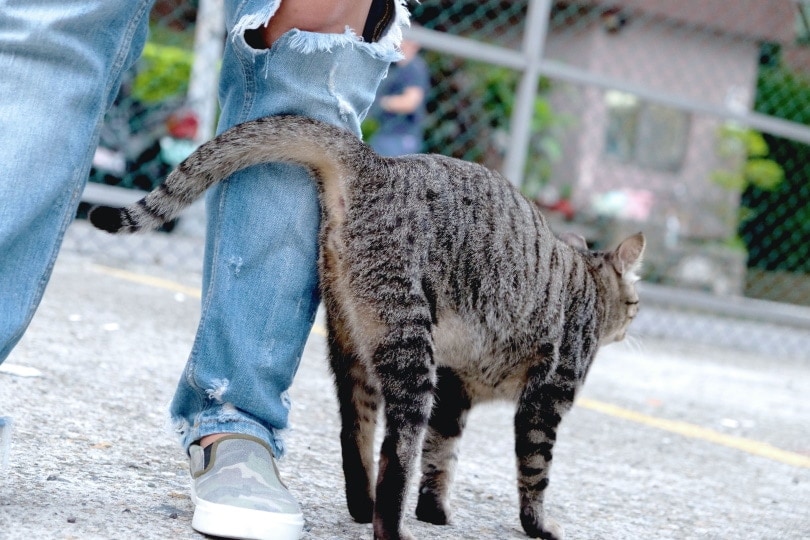
Cats have learned how to have their humans wrapped around their paws, and greeting you with soothing purrs is their way of saying, “I’m so happy you’re home! Now, feed and love on me.” After all, what cat owner can resist the soothing sound of soft purrs from their little kitty cat?


How Do Cats Purr?
Now that we know why cats purr or vibrate, let’s dive into how they perform this neat act. Precisely how they purr is still under debate, but researchers have established that cats produce purring sounds through irregular intervals of signals of the laryngeal and diaphragmatic muscles. As air moves past the larynx, the air vibrates and produces a purring sound. Cats can purr during both inhalation and exhalation with a steady pattern and frequency between 25 and 150 hertz.
Conclusion
Cats purr or “vibrate” for various reasons, and the reasons are not always happy. A cat may purr because of pain, stress, giving birth, or, as a kitten, communicating with mom. Purring may also indicate your cat is hungry or simply wants your attention. Let’s not forget it could also be a greeting. Whatever the reason, a purring cat is a soothing sound that most cat owners love to hear, but as soothing as it may be, it’s not always for pleasant reasons.
Sources
Featured Image Credit: islam zarat, Shutterstock
Get Hepper In Your Inbox


Pet care tips from our vets and experts, straight to your inbox.
You may opt-out at any time. View our Privacy Policy for more information.
Rachel Giordano is a writer and musician out of Pensacola, Florida, living there with her partner and their two dogs, Aero, a Border Collie/Sheltie mix, and Sophie, a Boston Terrier. Rachel has a Bachelor of Arts degree in communication and enjoys writing about all types of animals. When Rachel’s not dedicating her time to writing about animals, she enjoys writing thriller/suspense novels. A writer by day and a musician by night, she's passionate about educating the public about the requirements and needs of all types of animals.
Join the conversation
Ask a question, share your story, or send private feedback.