Hepper is reader-supported. When you buy via links on our site, we may earn an affiliate commission at no cost to you. Learn more.
Why Is My Cat Shaking When They Purr? 4 Likely Reasons

In this article
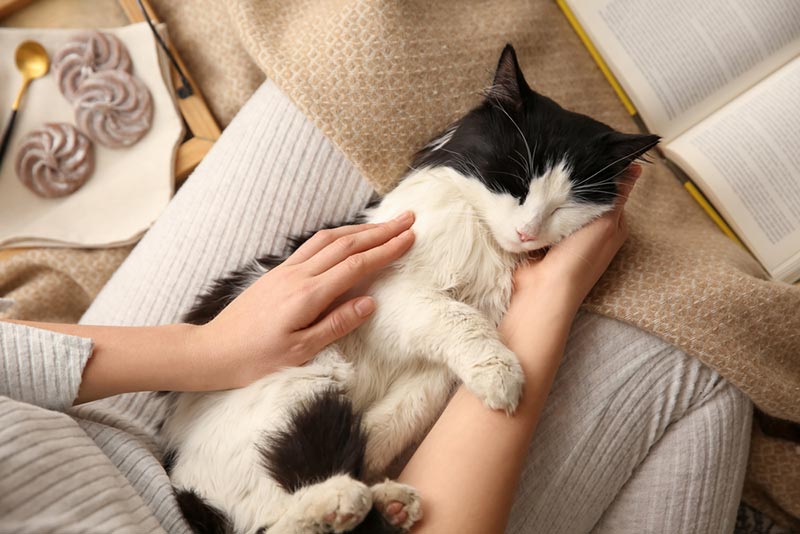
There is nothing more special than cuddling up to a purring cat. The soft rumble of a purr is calming and relaxing, and most of the time, it means that your cat is calm, content, and safe.
But if you notice something strange about your cat’s purrs, you might find yourself more worried than calmed. Shaking, shivering, or trembling while purring is one thing that can stress out a cat owner. This shaking can have a variety of reasons, but it’s usually not cause for worry. Here are five of the most common reasons cats might shake while they purr.

The 4 Reasons Why Cats Shake When They Purr
1. The Intensity of the Purring
Purring is caused by a vibrating larynx or voice box. If you feel a purring cat’s throat, you can almost always feel a fluttering where their voice box is moving. But if your cat is an extra-enthusiastic purrer, this vibration might be more than just a flutter by their throat.
Some cats—especially smaller cats—can purr so hard that you can feel it in their whole body. If this is the case, you’ll feel the vibrations in sync with the purring—louder when the purr is louder and softer when it’s softer. This is totally normal, and no cause for alarm.
2. Extra Excitement or Stress
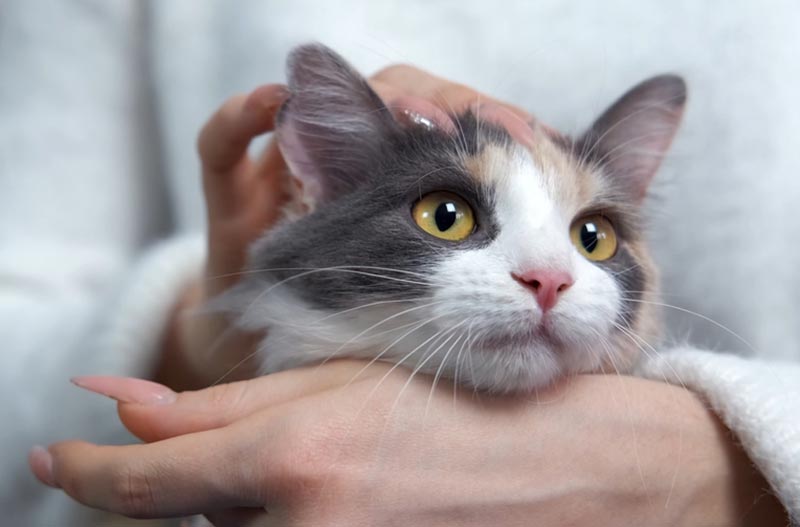
Along with the vibration of the purr itself, trembling can also be separate but caused by the same source. Some cats tremble slightly when they are excited or stressed—all that tension needs to go somewhere. Cats also purr when they’re excited and sometimes when they are stressed. If your cat appears to be in a restless mood, it’s possible that both the purring and the trembling are signs of your cat’s heightened emotions.
3. Your Cat Is Shivering
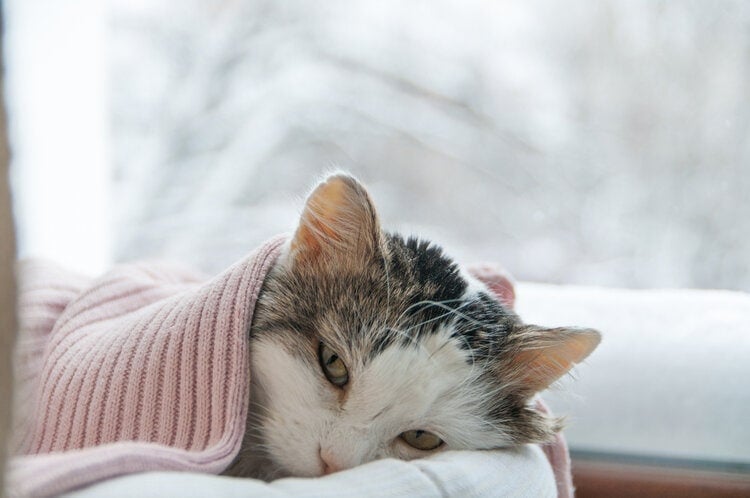
If it’s a chilly day out, it’s possible that your cat is shivering along with purring. Just like humans, cats can shiver to warm themselves up when it’s too cold for them. And sometimes, cats will shiver and purr at the same time—either because they happen to be cold but happy or because they are trying to add in extra vibration to warm themselves up. If it is too cold for your kitty, you might want to turn up the heat, bring on the snuggles, or make them a cozy nest to keep them warm.
4. It’s a Sign of Fever
Shivering is usually seen as a sign of being cold. But sometimes cats (and humans) also shiver when they have a fever. This shaking may help them keep an elevated body temperature to fight off whatever sickness or infection they are fighting. If your cat seems warmer to the touch than normal or is showing other signs of sickness, consider taking them to a vet to see if they’re fighting off an illness.
How Do Cats Purr?
Cats can purr due to an adaptation in their larynx, or voice box. The larynx is a set of muscles in the throat that tighten and loosen in various ways. When air passes through the throat, these muscles vibrate, creating noise. In humans, breaths exhaled through the larynx allow us to talk and sing. Cats use similar muscle tightening to meow.
But cats also have a different way of moving the muscles of the larynx—a steady vibration that creates a continuous rumble whether breathing in or out. This adaptation isn’t unique to cats—a few other animals can purr as well, like hedgehogs.
Is Purring Always Happy?
Most of the time, cats purr when they’re happy, calm, and content. But purring shouldn’t be seen as a sign that all is well. Sometimes, cats purr to soothe themselves when they are scared or anxious. Purring can also be a sign that your cat is injured. In fact, there’s some research that suggests that the frequency of purring promotes healing, which would explain why injury purring is so common.
Last Thoughts
If your cat shakes or vibrates while purring, chances are that it isn’t anything serious. Most cats who vibrate while purring are either purring hard enough to make their whole body shake or trembling from excitement.
However, it is also possible that your cat’s shaking is a sign of something wrong. If your cat is showing other signs of distress or frequently shaking, whether they’re purring or not, you might want to check for illness or medical issues to make sure your kitty is safe.
Sources
Featured Image Credit: New Africa, Shutterstock
Get Hepper In Your Inbox


Pet care tips from our vets and experts, straight to your inbox.
You may opt-out at any time. View our Privacy Policy for more information.
Chelsea Flake Mortensen is a writer with a passion for pets. She grew up around everything from cats to chameleons and loves working with all kinds of animals. Chelsea has a BA in English and Creative Writing from Brigham Young University.
Chelsea loves reading, writing, sewing, and board games. She's lived in half a dozen US states and two countries. She is currently living in New England with her husband. Her articles have been featured in various magazines and literary journals for children and adults. Her writing has been translated into over 40 languages.
Join the conversation
Ask a question, share your story, or send private feedback.