Hepper is reader-supported. When you buy via links on our site, we may earn an affiliate commission at no cost to you. Learn more.
Why Is My Cat's Nose Dripping When They Purr? 5 Vet-Reviewed Reasons

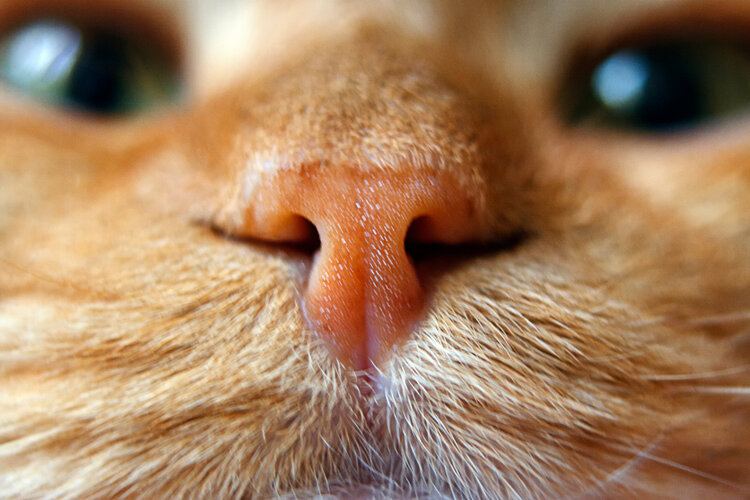
One way to know your cat is really enjoying your bonding time is when they begin to purr. There is nothing quite like that sweet, loving sound they make – it can truly melt your heart.
If you have ever noticed your cat's nose dripping when they purr, or even them drooling, you may be wondering why on Earth this is happening and if it's normal. This nose dripping can happen for a few reasons, and we will cover every one of them.

The 5 Possible Reasons Your Cat's Nose Is Dripping When They Purr
1. Possible Sign of Contentment in Some Cats
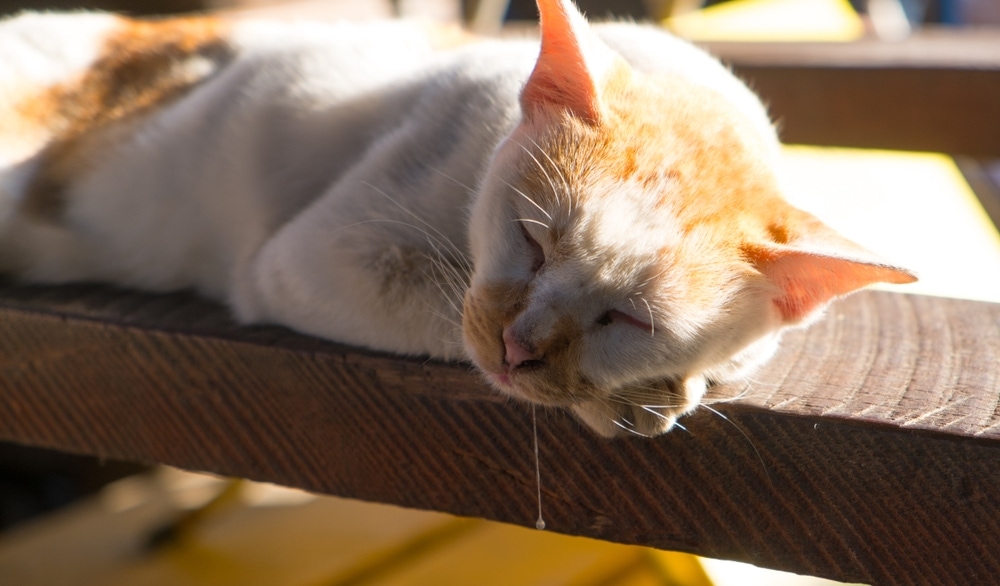
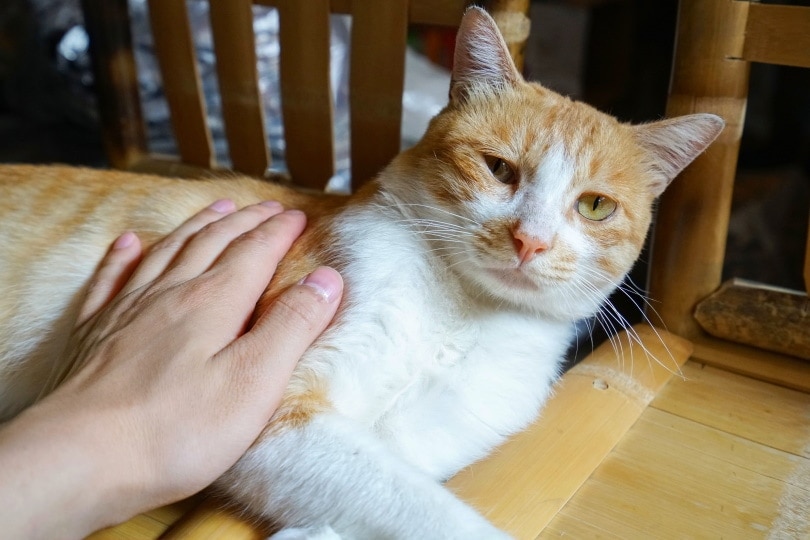
Some cats may drool when they feel happy and relaxed while they are purring. They sometimes do it when they are being petted and are enjoying a bonding session with their owner. Cats that drool as a sign of contentment or may also have a more obviously wet nose. It’s unlikely that there will be a lot of dripping from the nose, and the wetness should be very clear. Anything that is not clear or very watery but is thick, yellow, green, bloody, or any other color or consistency is classed as an abnormal discharge.
Drool should be differentiated from nasal discharge, and some cats may produce a lot of saliva that ends up hanging down the sides of their mouth, which is generally thick and sticky. Cats that do this often start at a young age. However, if they are purring at the same time, besides feeling content and happy, it may also be due to stress or pain as a way to reassure and comfort themselves, especially when ill.
If your cat’s nose is suddenly dripping while they purr or they are drooling and neither is related to being cuddled and they have never done it before, or if the wet nose is accompanied by any other signs of illness, it’s important to get your cat checked out by the vet as soon as possible.
2. Exposure to Environmental Allergens or Irritants
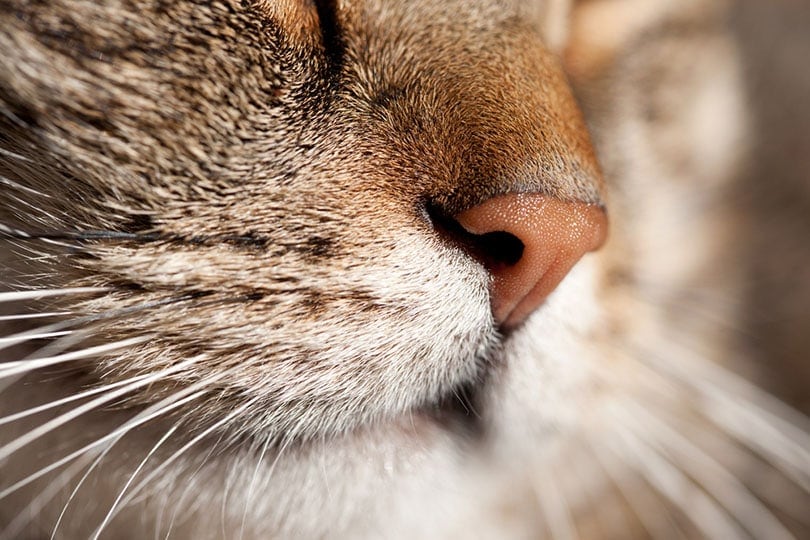
If your cat has been exposed to any inhalant allergens or environmental irritants, these could cause nasal discharge, among other signs.1 However, cats usually respond to allergens by developing itchiness and secondary self-inflicted skin irritation, while respiratory signs are less common.
Feline asthma or allergic bronchitis occurs due to inhaled allergens that have stimulated the immune system to create specific antibodies. Each time the cat is exposed to these allergens, the lungs respond with inflammation, a build-up of mucus and discharge, swelling, and sometimes even airway constriction. The condition is chronic but may have acute episodes.
Allergens come in many forms and will be unique to your cat. What affects one cat in the home may not affect others in the same way or at all. This depends on your cat's immune system when it gets triggered by certain allergens.
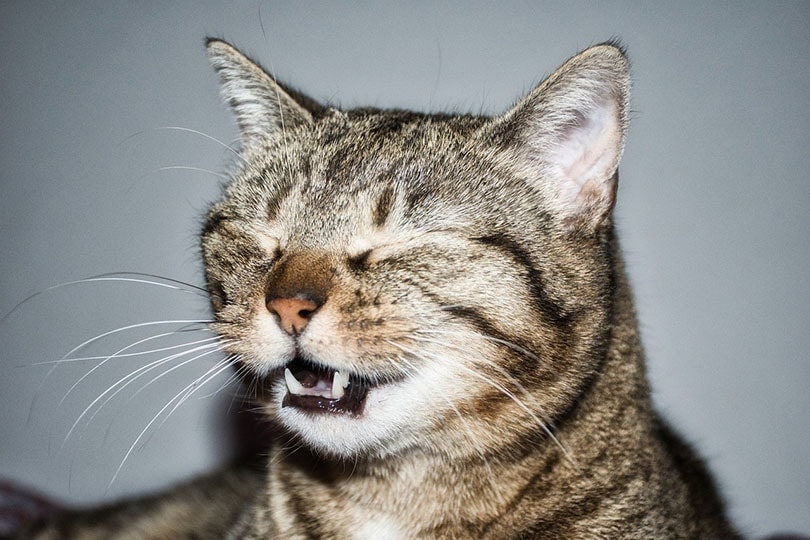
Nasal discharge may also occur after the inhalation and exposure to environmental allergens, but this is a less common sign. Atopic dermatitis or atopy refers to allergic reactions to environmental allergens, and skin irritation and generalized itchiness are predominant signs, while some cats may develop sneezing and nasal discharge.
If allergies or irritants are the culprits, you will more likely observe other signs than just nasal discharge. If you have any questions about your cat’s health or want to know if they are suffering from allergies, contact your veterinarian to have them evaluated.
Common Environmental Allergens/Irritants
3. Respiratory Infection
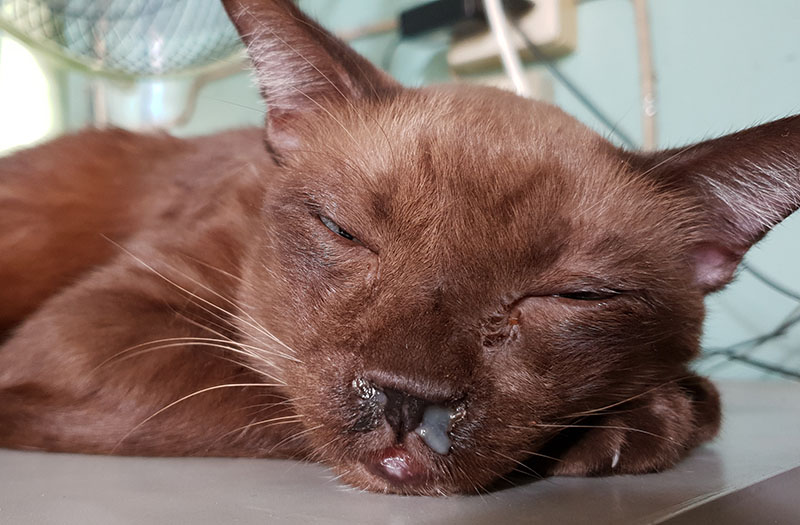
Cats of any age are susceptible to respiratory infections. These signs are very similar to colds in people. You may notice some nasal discharge while you are loving on your kitty if they are suffering from a respiratory illness of some sort.
Signs of Respiratory Infection
Viruses are the most common cause of respiratory infections, but they can also occur due to bacteria or, less commonly, fungi. If your cat is suffering from a respiratory illness, keep an eye out for some of the other telltale signs above.
Most Common Causes of Respiratory Illness in Cats
4. Eye Problems
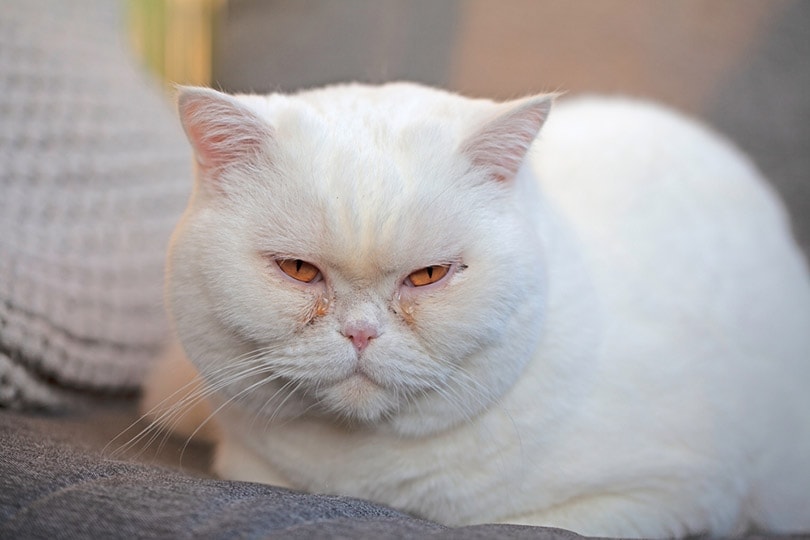
If your cat’s nose is dripping, it could be an underlying issue with the eyes as well. Since the eye and the nose are connected, one may be affected when there is an issue with the other.
There are many different reasons why your cat may have an issue with their eyes, including conjunctivitis, allergies, bacterial infections, viral infections, or even a foreign object being lodged in the eye.
Signs Associated With Eye Problems in Cats
If your cat is having any kind of trouble with their eyes, you should get in touch with your veterinarian immediately so they can perform a clinical exam to rule out any underlying causes and get the proper treatment started as soon as possible.
5. Other Health Issues
Besides respiratory infections, nasal discharge may be present if there is a foreign body in the nostril or at the back of the throat in the nasopharynx, often accompanied by sneezing, gagging, retching, unilateral nasal discharge, and sometimes even a nose bleed.
Tooth root abscess can also cause a nasal discharge, besides signs of dental disease, such as reduced appetite, drooling, bad breath, awkward chewing, oral pain, preference of wet food over dry, and others.
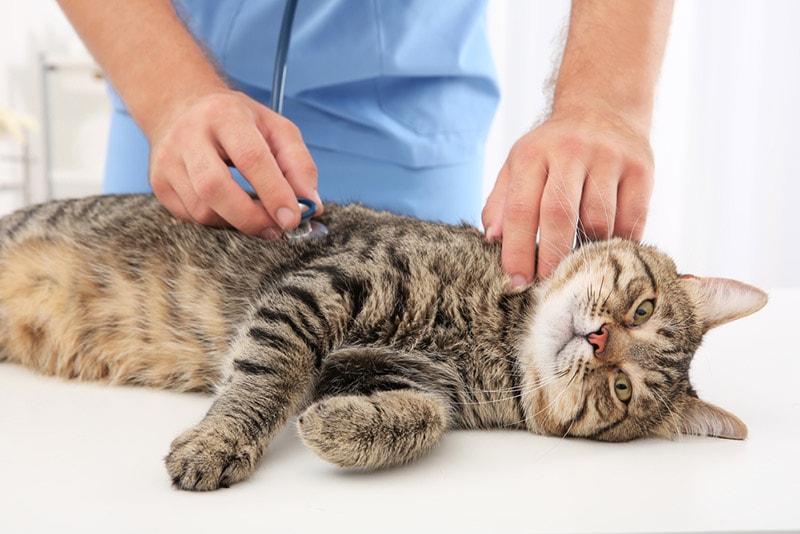
No matter why your cat’s nose is dripping, if there is actual discharge that looks thick, yellow, green, or even bloody, alongside other signs of illness, your cat will need to see the vet as soon as possible.

Conclusion
There are a few reasons why your cat's nose is dripping when they begin to purr. One of the harmless reasons is that they're content and relaxed. You can simply wipe their mouth and nose off with a soft cloth and continue your cuddles.
If their nose dripping is due to nasal discharge of some sort, then it may be related to an underlying illness, allergy, or irritant. If your cat is exhibiting any other unusual signs, it’s a good idea to call your vet to rule out any potential medical problems.
Sources
Featured Image Credit: Annashou, Shutterstock
Get Hepper In Your Inbox


Pet care tips from our vets and experts, straight to your inbox.
You may opt-out at any time. View our Privacy Policy for more information.
Lindsay is a wife, mother, nature enthusiast, animal lover, and business major. She was born and raised in the United States and now lives in Tulsa, Oklahoma. She shares her home with a German Shepherd, several snakes, tarantulas, and a couple of rescue cats.
Lindsay and her husband enjoy traveling the US with their children and photographing wildlife. Lindsey is passionate about proper animal care and education around it!
Join the conversation
Ask a question, share your story, or send private feedback.