Hepper is reader-supported. When you buy via links on our site, we may earn an affiliate commission at no cost to you. Learn more.
Why Do Cats Lick & Groom Themselves So Often? 6 Possible Reasons
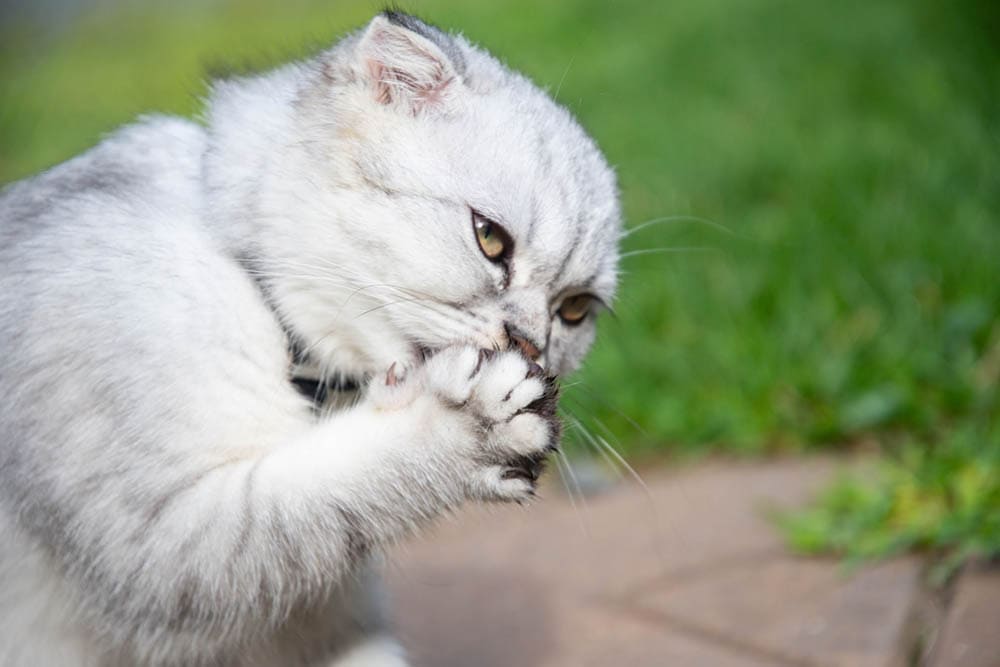
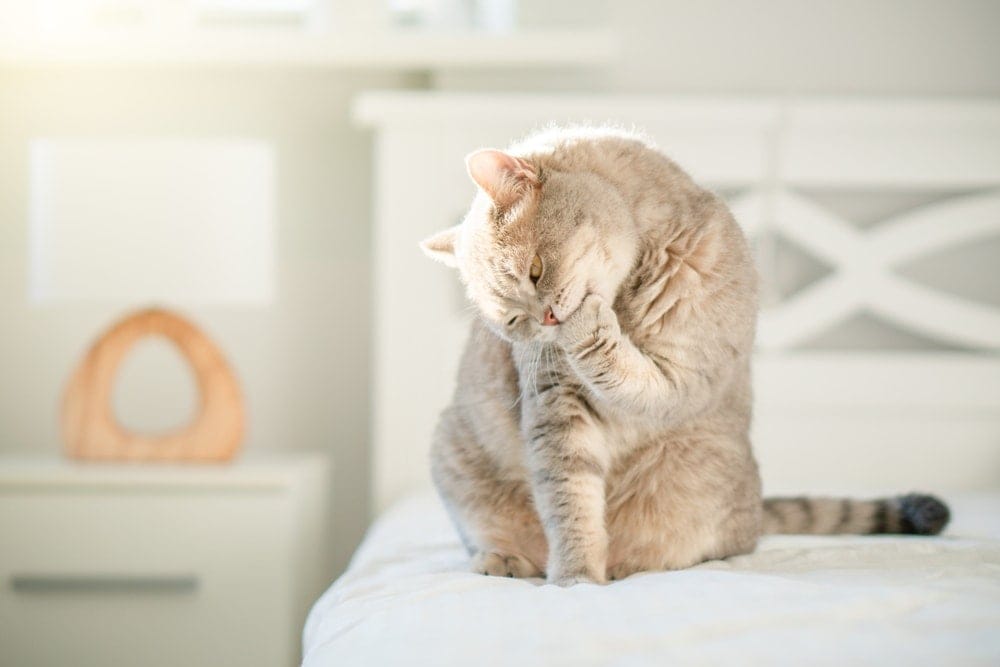
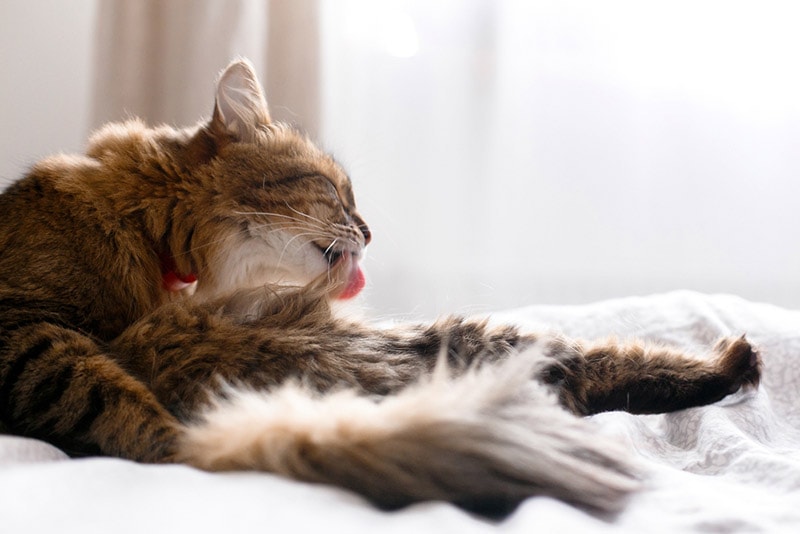
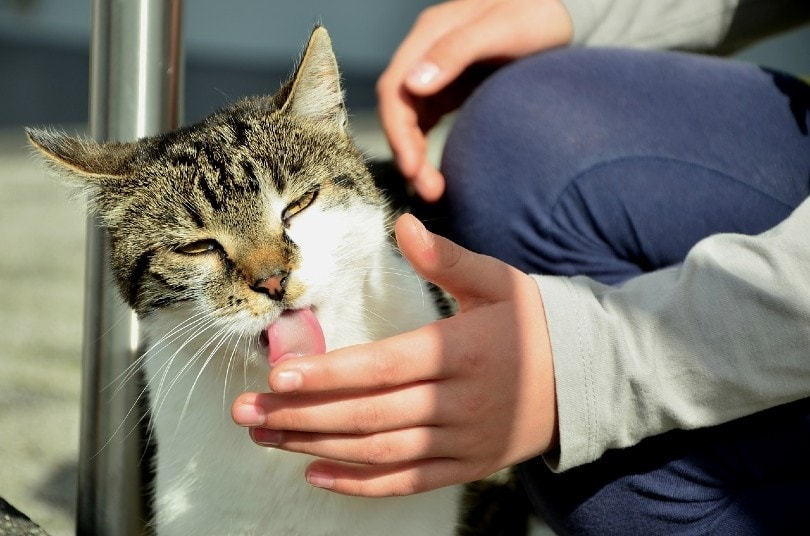
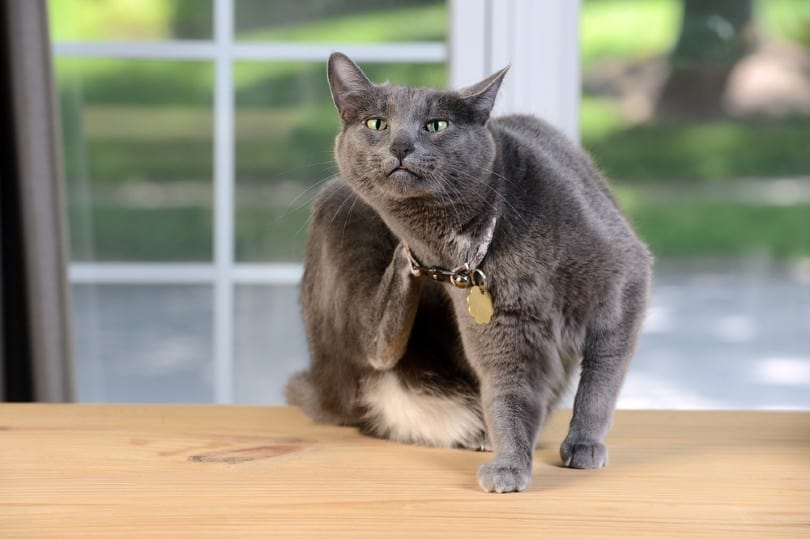
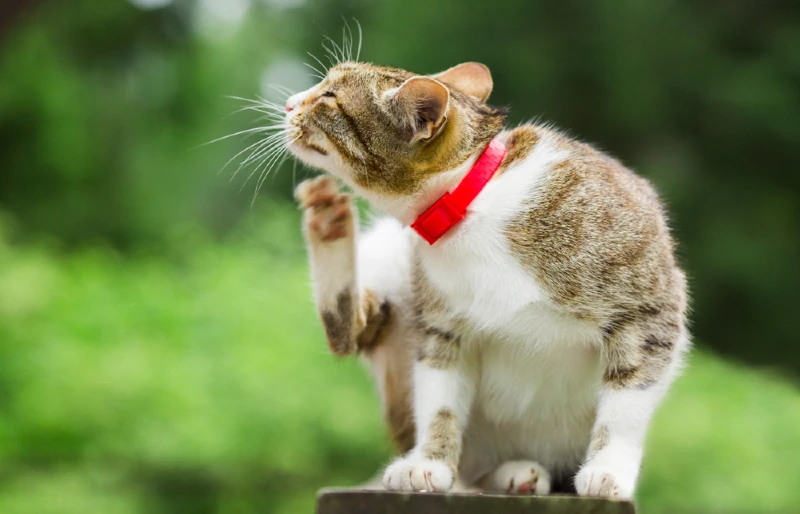
Cats are well-known for their slight (or not-so-slight) compulsion with grooming. Some cats spend hours a day grooming themselves.
They do it after meals, before meals, and at nearly every time in between!
The main reason that cats spend so much time grooming is to keep themselves clean. After all, they wouldn’t have any humans looking after their cleanliness in the wild. However, they may also groom themselves for various other reasons, some of which are more helpful than others.
Their cleanliness is one reason that cats are so popular. Compared to other pets, most cat breeds need little grooming. Some go their whole lives without a serious bath.
Typically, grooming is a positive activity. If your cat isn’t grooming enough to keep themselves clean, there is likely an underlying problem. However, grooming can get out of hand in some cases.
Here, we discuss the most common reasons that cats groom themselves and what to do if they’re grooming themselves a bit too much.

The 6 Reasons Why Cats Lick and Groom Themselves So Often
1. Cleanliness
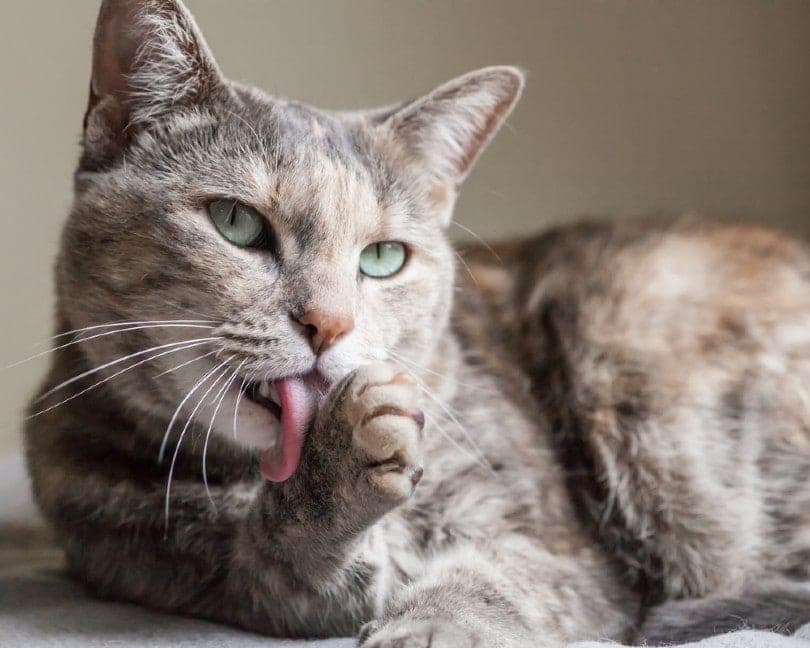
One of the most obvious reasons cats groom themselves is for cleanliness. Most of the grooming that your average cat performs is to keep themselves clean.
Cleanliness is vital to ensure that their coat regulates their temperature properly and to prevent illness. If your cat’s coat is matted with mud, it isn’t going to do a good job of keeping them germ-free!
When domesticated, cats tend to get less dirty than their wild counterparts. However, they usually spend the same amount of time grooming. This leads to very clean cats.
That said, cats don’t groom themselves as much as many people seem to think. One study found that only 4% of the average cat’s day is spent cleaning. While cats are quite clean, they don’t spend that much of their time grooming.
Grooming for cleanliness is essential for a cat’s health. If your cat is dirty and not grooming themselves, you should probably look for an underlying problem.
2. Scent
Cats are scent-driven creatures. Grooming is one way that they can control and alter their scent.
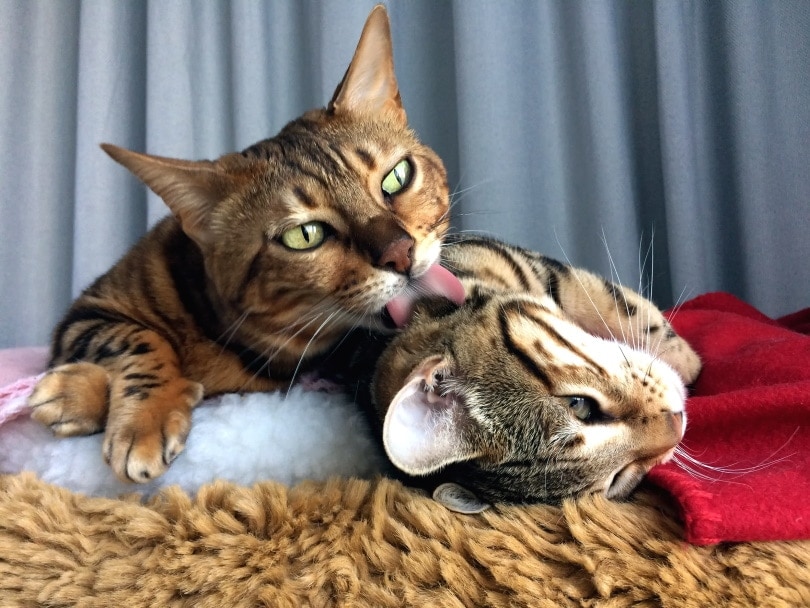
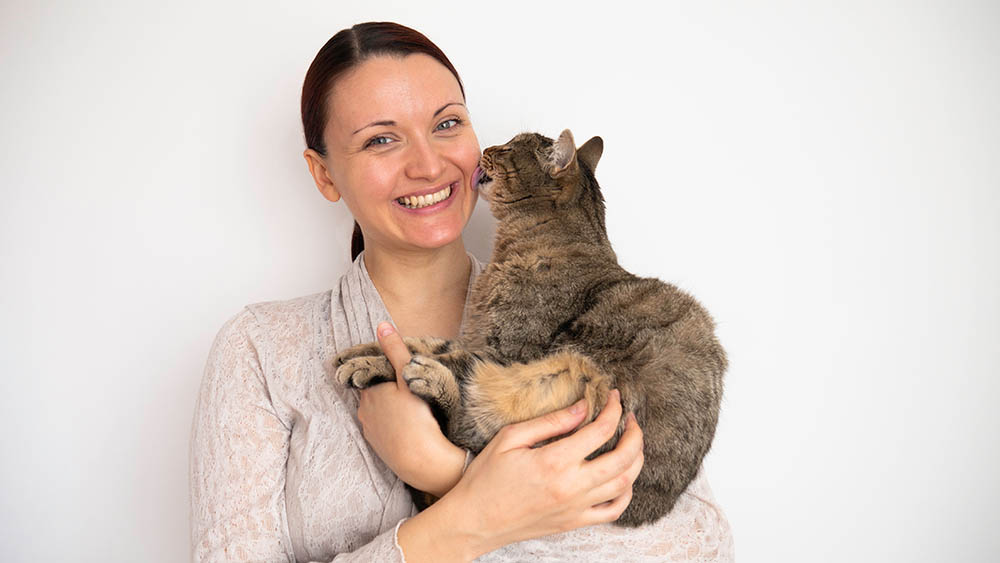
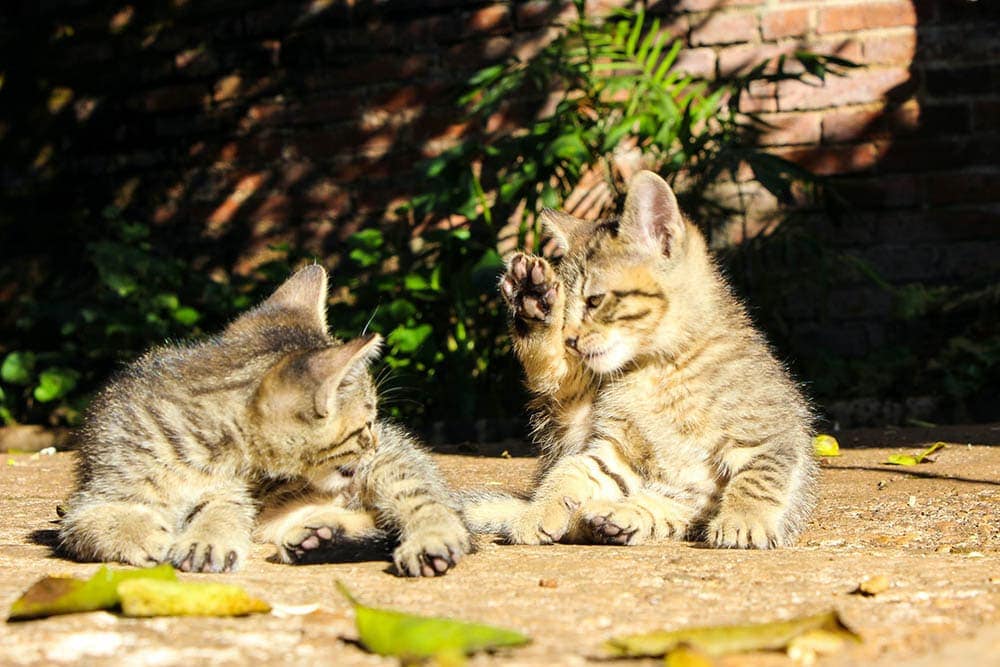
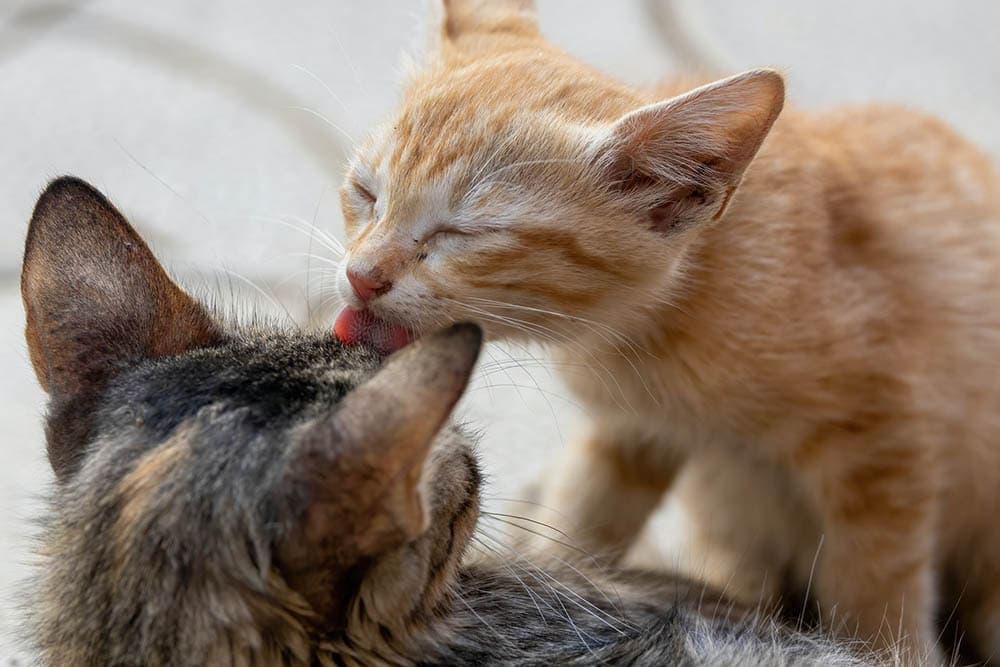
For instance, social grooming mingles two cats’ scents together, which may help them identify each other later. Cats seem to identify each other largely by smell. Therefore, keeping everyone smelling the same is essential.
Cats may also groom themselves to cover up their scent. Mother cats groom their kittens right after birth to hide their scent from predators. Many cats may also groom after eating to eliminate the smell of the kill (even when the “kill” is kibble).
A smellier cat would be easier for a predator to find, so it only makes sense that grooming would also be a proactive way to avoid predators!
3. Coat Care
On top of grooming for cleanliness, cats may also groom to spread around their natural oils, which in turn, protects and lubricates their coat.
All cats have natural oils that are produced by their skin. When they lick their fur, these oils get spread around. They work to keep the coat healthy, sleek, and waterproof. Without proper grooming, the oils would build up on the skin and potentially cause problems.
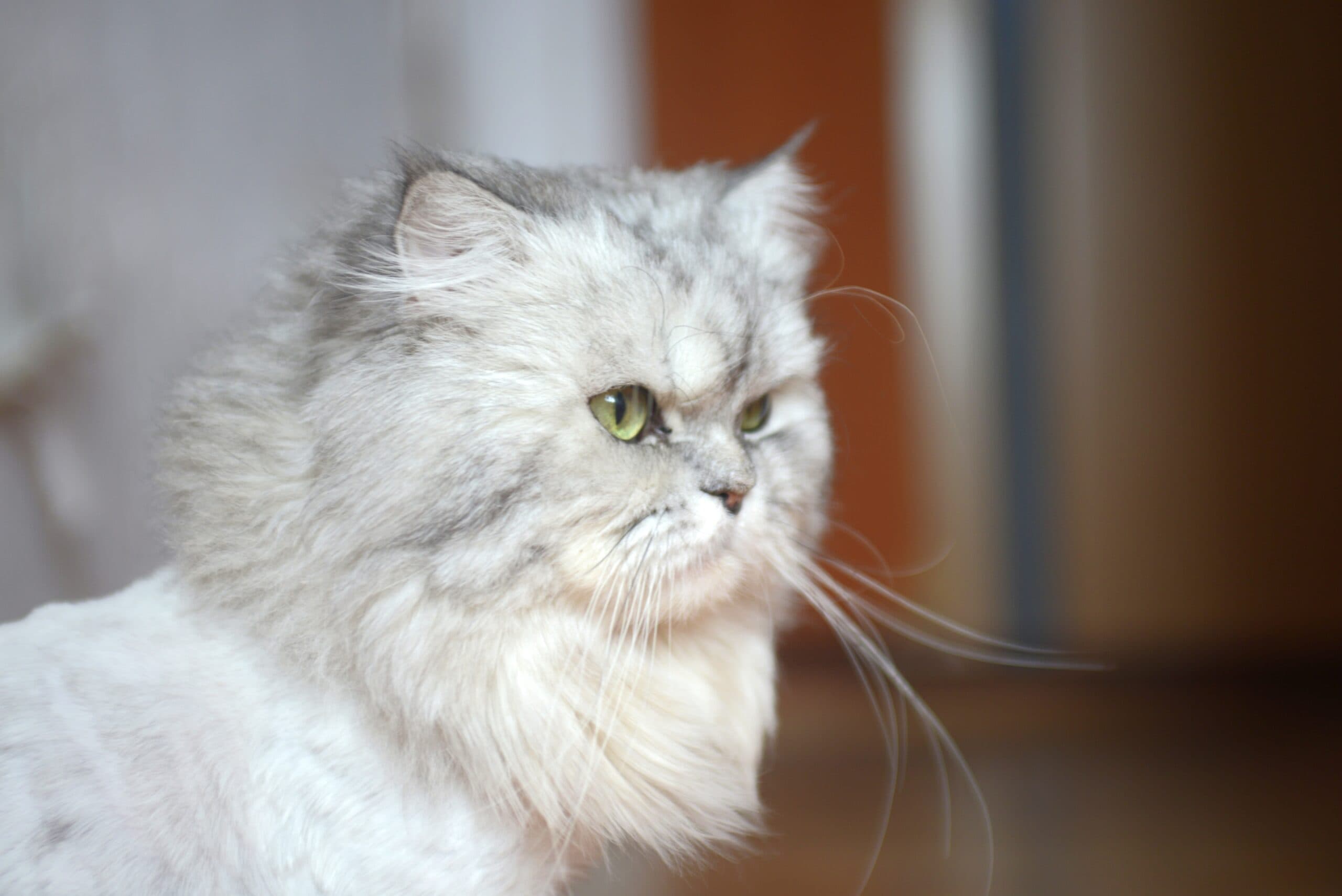
One reason that long-haired cats need to be brushed is to move these oils around. Their fur is often so long that they can’t do it themselves. Therefore, their human friends must give them a helping hand.
Even if a cat doesn’t get much dirt and debris in their coat, grooming is required to keep these oils in check.
4. Wash Injuries
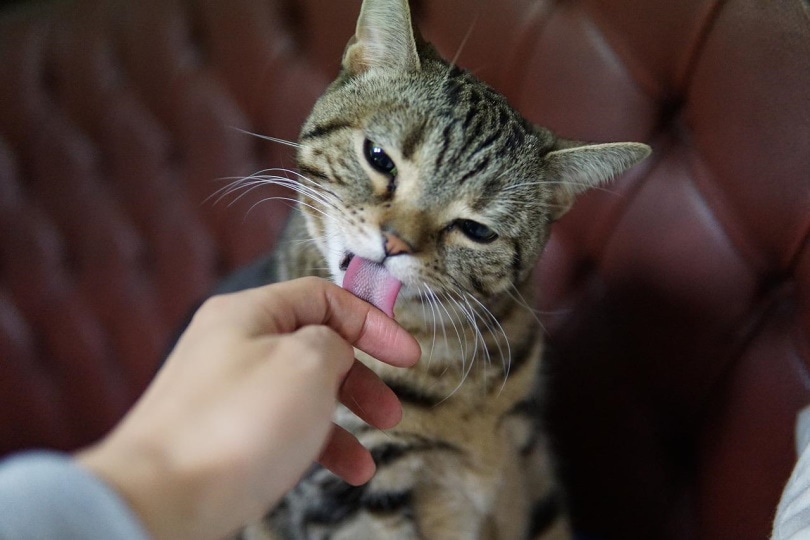
If a cat gets injured, they will likely clean the injury by licking. In the wild, this is the only way they have to clean the injury. The risk of dirt and debris getting stuck in the sore outweighs the risk of the cat’s tongue introducing bacteria.
However, in the modern world, humans can usually take over the injury’s care in a much more efficient manner. We have disinfectants and antibiotics that can far exceed the usefulness of a cat’s tongue.
Cats can damage their injury if they lick it too much. This is why cats that undergo surgery often need the wound site covered or must wear a cone around their neck. If they lick it too profusely, they can rip out the stitches and hurt the new, sensitive skin.
For minor injuries, cats can often do a good job of taking care of them without human help. However, you should always keep an eye on injuries in case they become infected.
Despite common misconceptions, cats do not have super-clean mouths. They harbor bacteria just like our mouths.
5. Pain Relief
Grooming releases endorphins in cats. These hormones make the cat happy and work as natural pain relief. If your cat is in pain for any reason, they may lick themselves as a way to combat that pain.
Cats are often good at hiding their illnesses, as it’s part of their evolutionary code. In the wild, showing illness would quickly make them susceptible to attack by predators.
There aren’t any predators to attack them in our homes. However, they still instinctively hide their pain and discomfort.
Sometimes the only sign of illness is lethargy and increased grooming.
Cats may groom the area where they’re hurt, or they may just groom more in general. If the pain is localized, they usually lick that particular spot. For instance, cats with arthritis tend to lick their joints.
6. Overgrooming
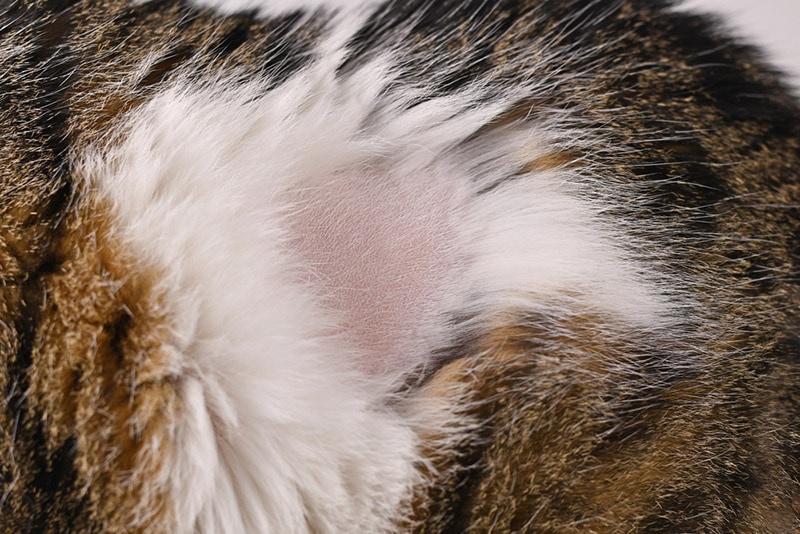
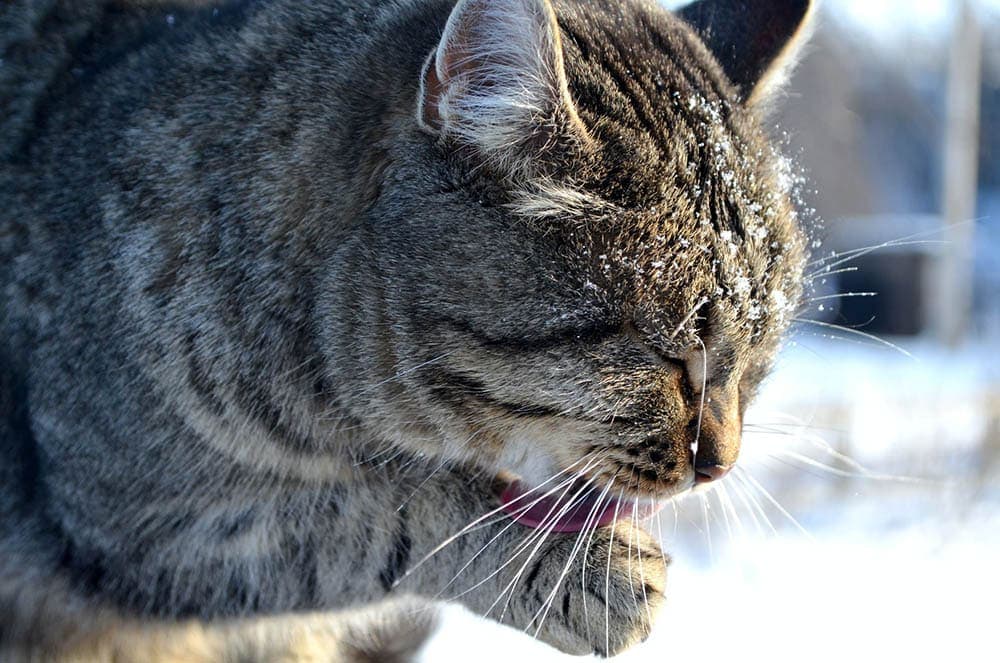
Also referred to as psychogenic alopecia, this condition occurs when grooming gets a bit out of hand.
There are many reasons that a cat may overgroom themselves. Whatever the underlying cause, the grooming can become so intense that it causes sores and fur loss.
Often, the sores don’t heal properly because the cat continuously licks them. Secondary infections can be set up easily and often don’t go away by themselves. It is vital to work with a vet to treat your cat’s condition, as their health can deteriorate if they develop a secondary infection.
Treatment depends on the underlying reason for the overgrooming.
Causes of Overgrooming
Sometimes, underlying health problems can cause overgrooming. Grooming can function as a source of natural pain relief. If your cat is in pain, they may end up overgrooming in an attempt to combat that pain.
Joint pain, bladder infections, and other conditions often don’t cause other symptoms. Therefore, overgrooming may be the only sign that you see!
Anything that causes itchiness can also lead to overgrooming. This includes parasites like fleas, as well as food allergies.
In some cats, stress can lead to overgrooming. Just like endorphins kill pain, they also work against anxiety. If your cat is stressed and anxious, they may self-medicate by overgrooming.
Many seemingly simple things can cause excess stress in cats. However, some felines are more prone to these problems than others. Cats with high-strung personalities are more likely to develop extreme coping mechanisms like overgrooming.
Cats that are overgrooming due to stress often do so on their inner thighs and bellies. They may pluck fur out, or they may simply lick their skin raw.
Even after the stressor has been removed, some cats will continue to overgroom themselves out of habit. It can become a compulsive issue after a certain amount of time.
Figuring out the underlying cause of overgrooming is vital to stop it and prevent infections.

Conclusion
Cats groom themselves for many different reasons. Cleanliness is likely the primary purpose of most grooming activities. However, there are plenty of other reasons why your cat may lick themselves.
Most of these reasons are helpful or at least, not harmful. For instance, cats may groom themselves to cover up their scent, even though there aren’t any predators around to pick up on their smell.
Grooming can get out of hand, though. If your cat grooms too much, it can cause significant problems. They can lick their fur and skin away, leading to sores and infections. Cats often do this due to stress, though underlying health problems can also cause issues.
Luckily, most cats don’t overgroom. Some cats may groom themselves more than others, but this isn’t often an issue unless they’re causing active bodily harm. If they are, it is essential to work with a vet and treat their issue.
See Also:
Get Hepper In Your Inbox


Pet care tips from our vets and experts, straight to your inbox.
You may opt-out at any time. View our Privacy Policy for more information.

Kristin is passionate about helping pet parents create a fulfilling life with their pets by informing them on the latest scientific research and helping them choose the best products for their pets. She currently resides in Tennessee with four dogs, three cats, two fish, and a lizard, though she has dreams of owning chickens one-day!
Join the conversation
Ask a question, share your story, or send private feedback.