Hepper is reader-supported. When you buy via links on our site, we may earn an affiliate commission at no cost to you. Learn more.
Why Do Dogs Drool? 10 Common Reasons
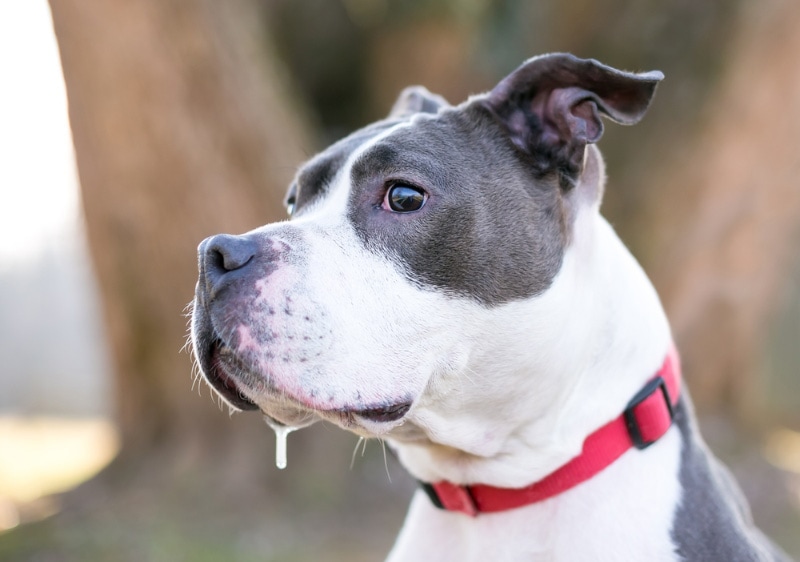
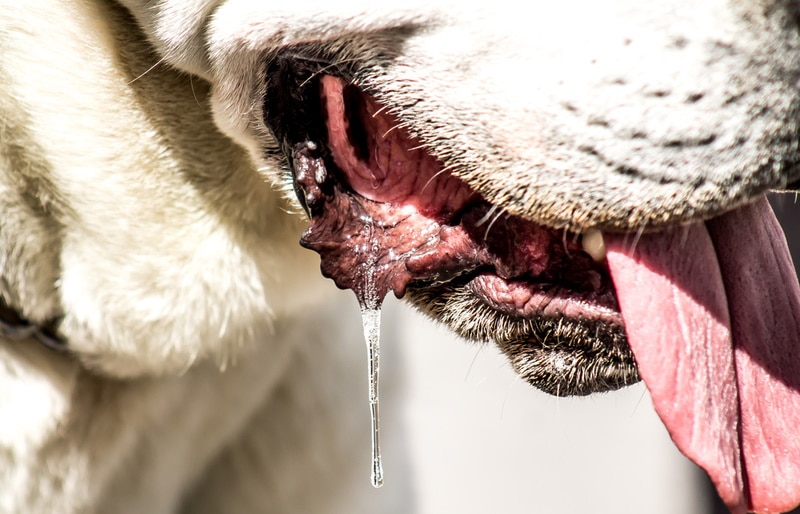
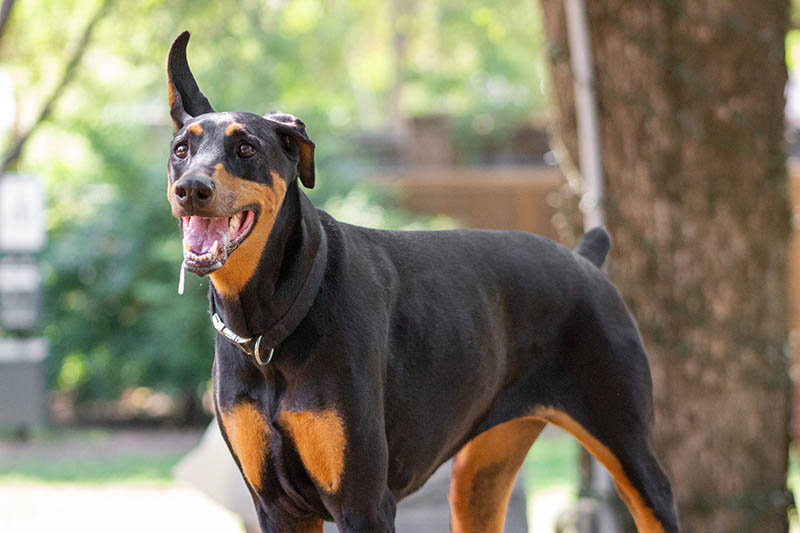
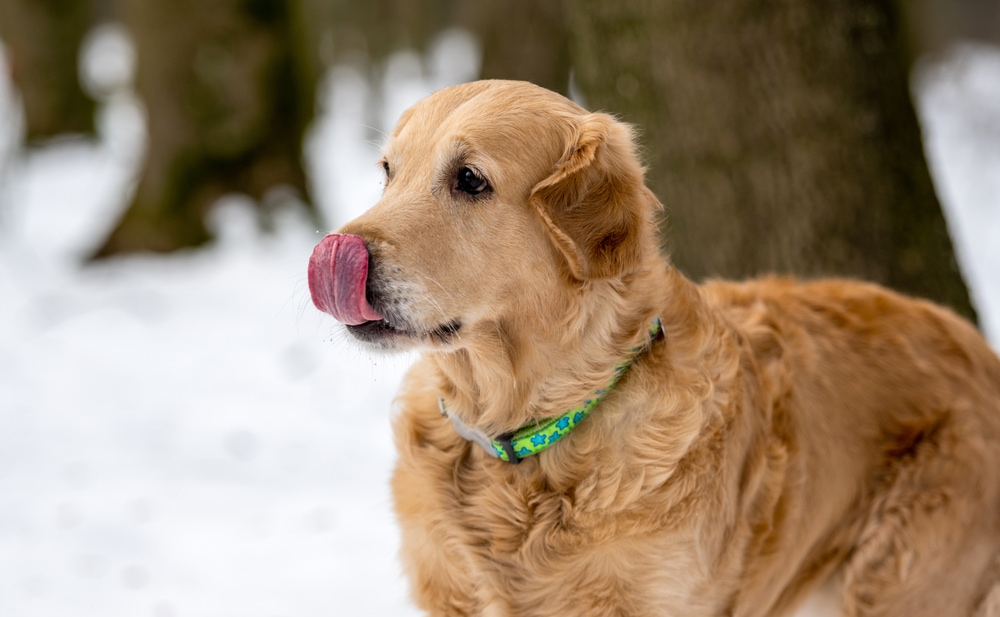
Some dog breeds drool more than others, and at some point in their lives, virtually all dogs will drool. It is especially common at mealtimes but may also be caused by illness or nausea, dental problems, or if a dog has ingested toxins or other irritants.
While some drooling may be natural because it can be a sign of something serious, excessive or sudden drooling may be a sign that you need to take your dog to the vet.
Below, we look at some of the most common causes of drooling, as well as what you can do if your dog does start drooling uncontrollably.

The 10 Most Common Reasons Why Dogs Drool
1. Breed Tendency
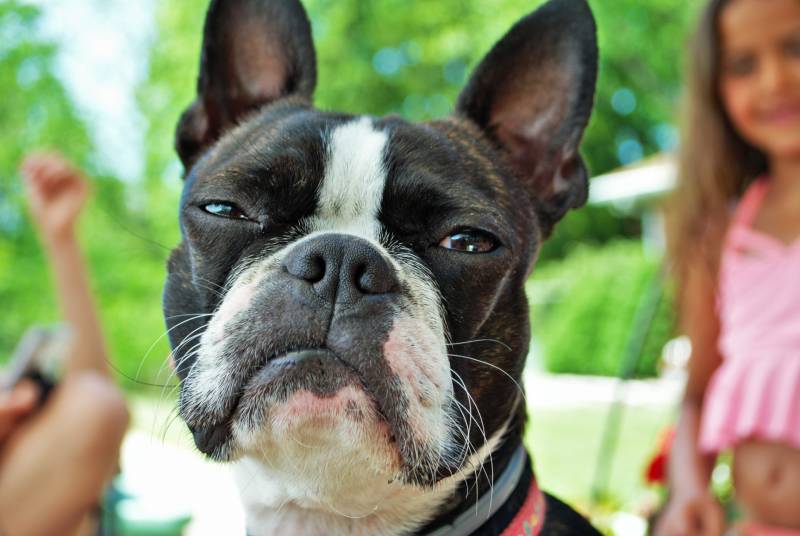
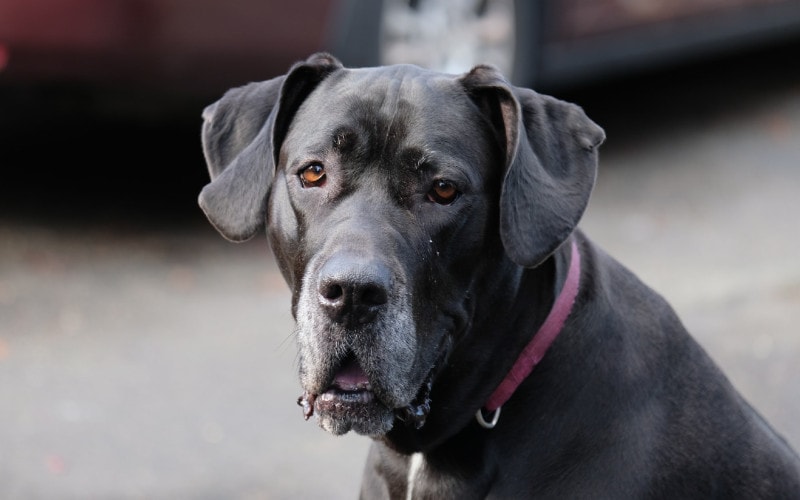
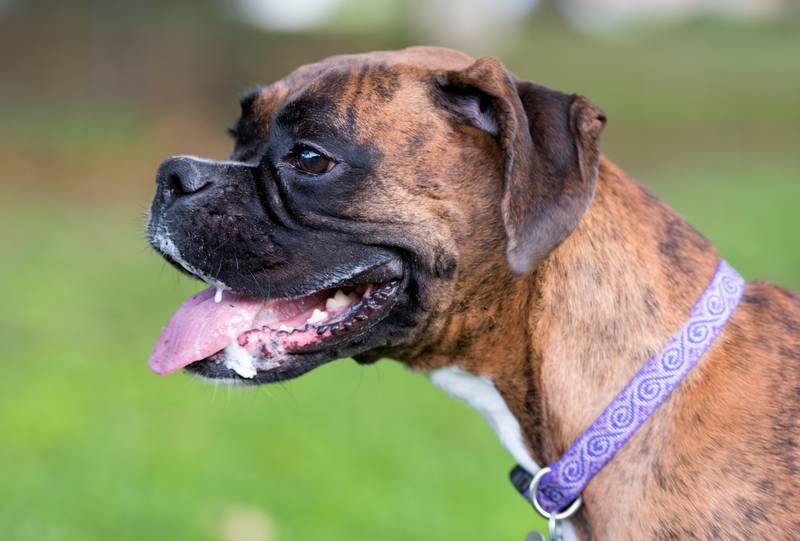
Some breeds are highly prone to excessive drooling. This tends to occur in dogs that have long jowls as well as those with squashed snouts, or brachycephalic facial features.
St. Bernard is probably the best-known drooler, thanks to its depiction in films like Beethoven, but other drool-heavy breeds include Bulldogs, Bernese Mountain Dogs, and Bloodhounds. There is nothing that can safely be done to reduce the drool in these breeds so owners will need to learn to live with it.
Drying the mouth can help, but you should never limit access to food or water to try and combat the drooling.
2. Excitement
Dogs drool when they get excited, and especially when they get excited at the prospect of food or a treat.
This happens because, when the dog sees or anticipates food, the salivary gland starts to produce more saliva, which will be used to help more easily swallow and digest food. The more excited your dog gets, and the longer they have to wait for the food they are anticipating, the worse the drooling will get.
Although food is a common cause of this excitable drooling, some dogs will drool when they get excited by anything.
3. Fear or Nervousness
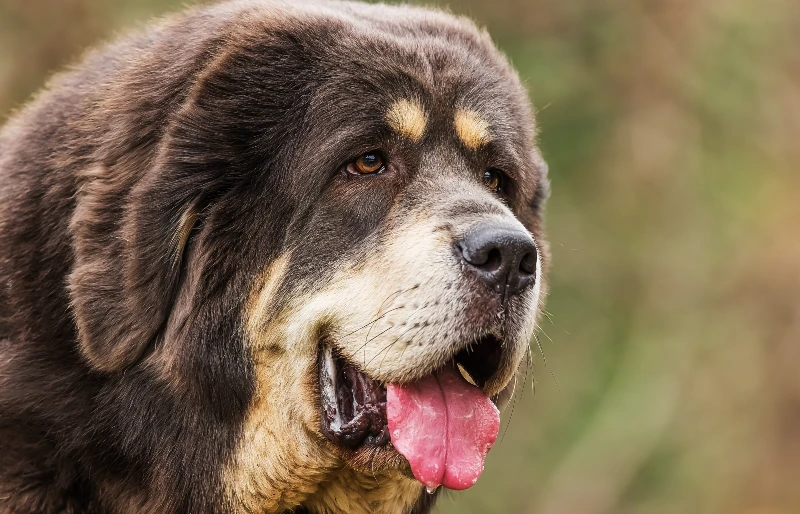
Another common cause of excessive and sudden drooling is anxiety caused by fear or nervousness. This is commonly seen when taking the dog to the vet or in anticipation of getting in the car or some other activity your dog dislikes.
You can try calming your dog’s nerves, remove the source of anxiety, or gradually get them used to whatever is causing the negative reaction. For example, getting your pup used to going in the car might prevent the drooling that they experience when they see the car door open.
4. Medications
Some medications can cause a drying of the mouth which, in turn, leads to the salivary glands producing more saliva. Others may cause the salivary glands to produce excessive levels of salivary liquid which will manifest as drool.
If you’ve recently started giving your dog a new medication, whether prescribed or over the counter, this may be the cause of any sudden changes in drooling levels.
5. Nausea
When the body thinks you might vomit, it produces saliva to help protect the mouth and throat from the acidic substance. In the case of dogs, this can lead to heavy drooling, so nausea is a common cause.
Consider whether any possible causes of nausea might be affecting your dog in this way and look for other signs. If your dog is drinking excessively or eating less, these signs can be indications of nausea.
6. Motion Sickness
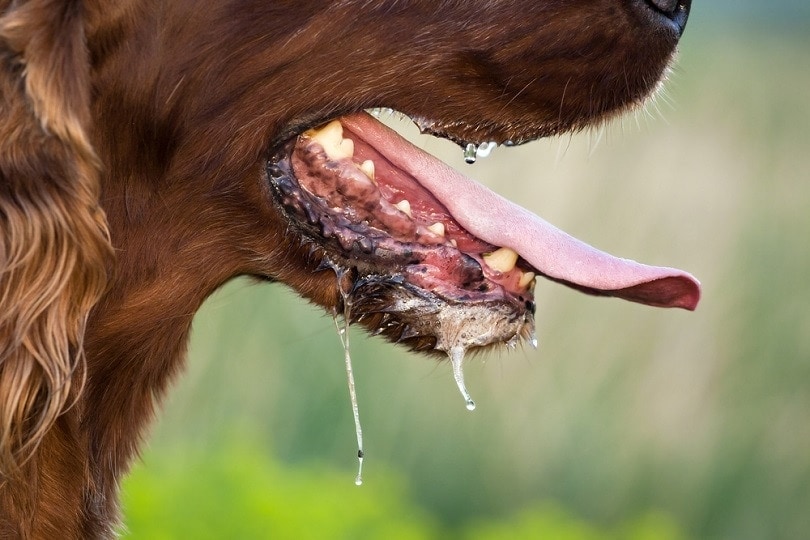
One possible cause of nausea that will often lead to drooling is motion sickness. Dogs are not natural car passengers. While some dogs take to car travel and seemingly enjoy the feelings, other dogs struggle with it.
If your dog is salivating and drooling excessively when in the car and the car is in motion, motion sickness is the most likely cause. This may or may not result in vomiting and other symptoms.
7. Dental Problems
If your dog has an abscess or even toothache, drooling is a natural response. Tooth decay is common in dogs, and it is a likely cause of drooling. Other signs of tooth decay include pain or discomfort in the mouth that prevents your dog from chewing, so they may eat less. It can also cause a strong, bad smell to come from the mouth.
If your dog is having dental problems, you should take them to the vet for an oral examination. You should also ensure that you are regularly cleaning your dog’s teeth, typically at least three times a week and potentially even daily.
8. Something Stuck in the Mouth or Throat
If your dog has something stuck in its throat, between its teeth, or elsewhere in its mouth, drooling is a natural defense whereby the body attempts to lubricate the alien object to remove it from the mouth.
Signs of this are similar to those of tooth decay and include a loss of appetite. Your otherwise playful dog may also be less inclined to chew toys and you may notice them trying to scratch their mouth or near their mouth more often than usual.
9. Toxins and Irritants
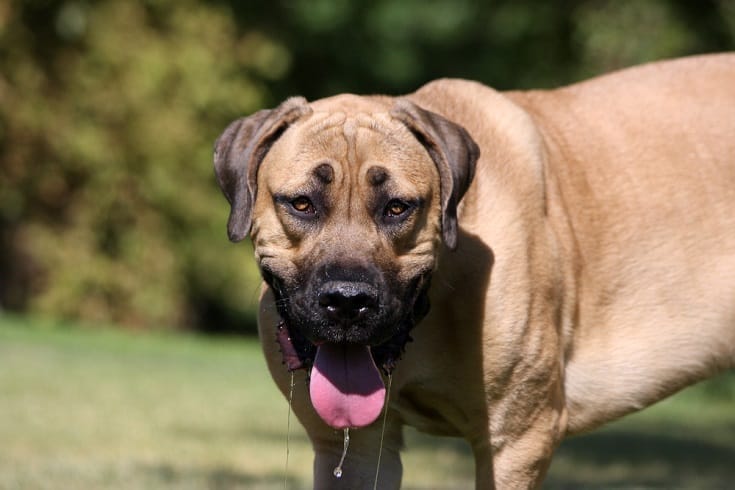
There are many possible stomach upsets and conditions that might cause drooling. One possible cause is the ingestion of toxins or other irritants. These cause the body to produce saliva and may lead to vomiting as the body tries to expel the toxin from the body and prevent further harm. Look for possible toxins.
Alternatively, your dog may be suffering from bloat, which means that the stomach has filled with gas and become twisted and contorted. Bloat can be life-threatening and requires emergency treatment in a lot of cases, so you will need to visit a vet.
10. Heatstroke
Dogs naturally have a higher body temperature than humans, and this means that some dogs can really suffer in hot conditions and climates. In these cases, dogs drool to try and regulate body temperature and cool themselves down.
Make sure your dog has plenty of water to drink and that they have a cool place to retreat to in especially hot conditions. Don’t leave your dog shut in a room, and certainly not shut in a car on hot days, and if your dog becomes unresponsive as a result of becoming overheated, contact a vet.

In Conclusion
Anything from nausea to anticipation over impending food can cause dogs to drool, and some breeds like St Bernards are more prone to drooling than others.
While you do have to learn to live with some degree of drooling as a dog owner, if your pup starts drooling uncontrollably or unexpectedly, it may be a sign of something more serious and you should look for other signs of possible illness or distress. It could be entirely innocent, but it may also be a sign of a serious condition like bloat that requires urgent medical intervention.
Featured Image Credit: Mary Swift, Shutterstock
Get Hepper In Your Inbox


Pet care tips from our vets and experts, straight to your inbox.
You may opt-out at any time. View our Privacy Policy for more information.

Nicole is a lover of animals of all sizes but is especially fascinated with the feline variety. She’s the proud mom of Baby, a Burmese, and works every day so he can relax in the sunshine or by the fire. She’s always had a cat in her home and has spent countless days with others, observing behaviors and softening up even the grouchiest of the lot. Nicole wants to share her kitty expertise with you so you and your cat can live happy, healthy, and care-free.
Join the conversation
Ask a question, share your story, or send private feedback.