Hepper is reader-supported. When you buy via links on our site, we may earn an affiliate commission at no cost to you. Learn more.
Why Is My Dog Drooling & Acting Strange? 15 Vet-Approved Reasons


In this article
Have you ever noticed your furry friend drooling excessively and behaving strangely? While some drooling is normal for dogs, excessive drooling accompanied by odd behavior can be a cause for concern.
In this article, we will explore the various reasons why your dog may be drooling excessively and acting strangely. Whether it is a minor issue or something more serious, we've got you covered with a comprehensive list of potential reasons!
So, let's dive in and help you decode what's going on with your beloved canine companion.

What Is Typical or Normal Drooling for Dogs?
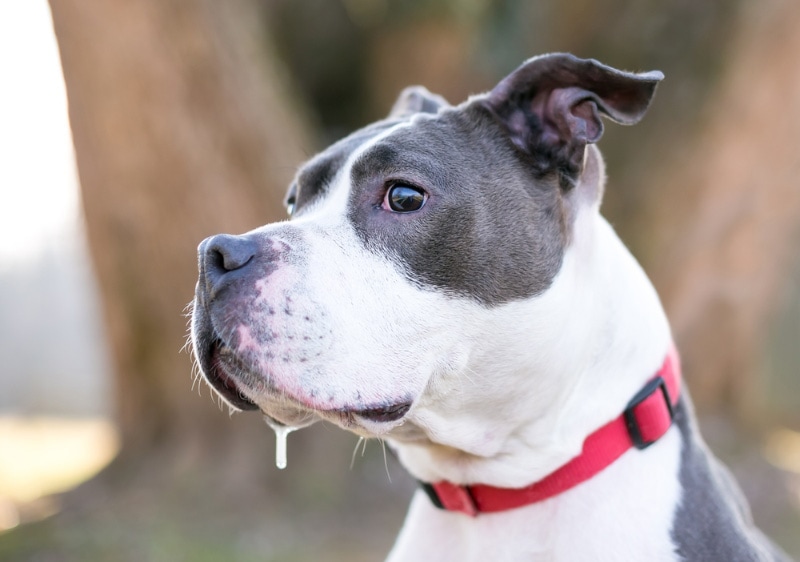
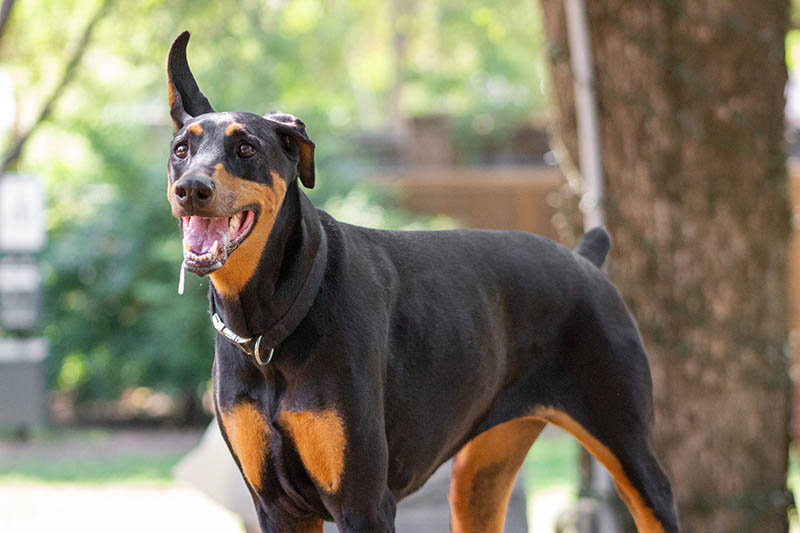
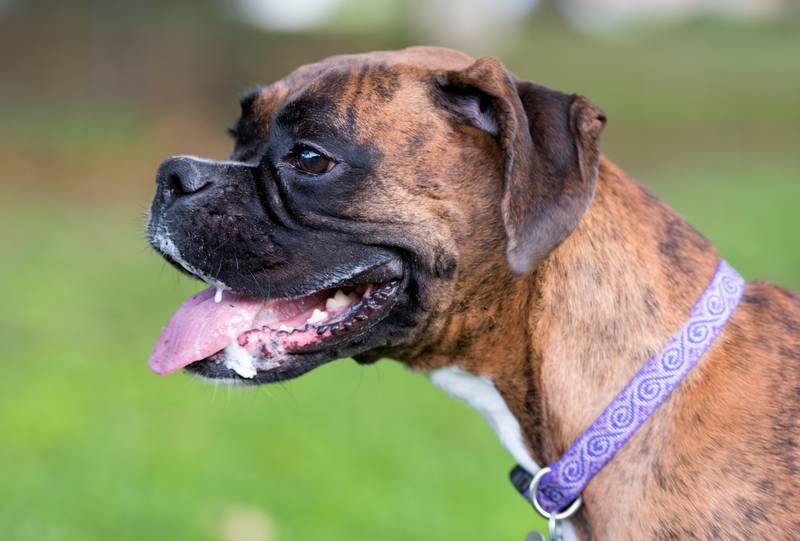
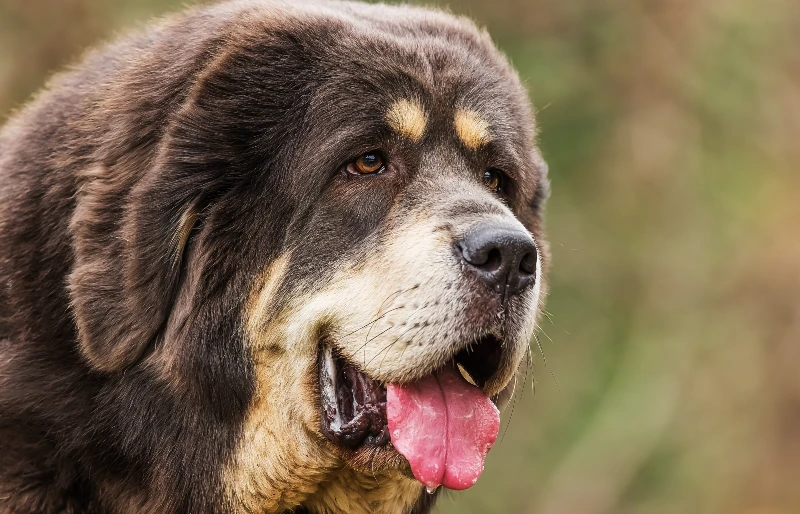
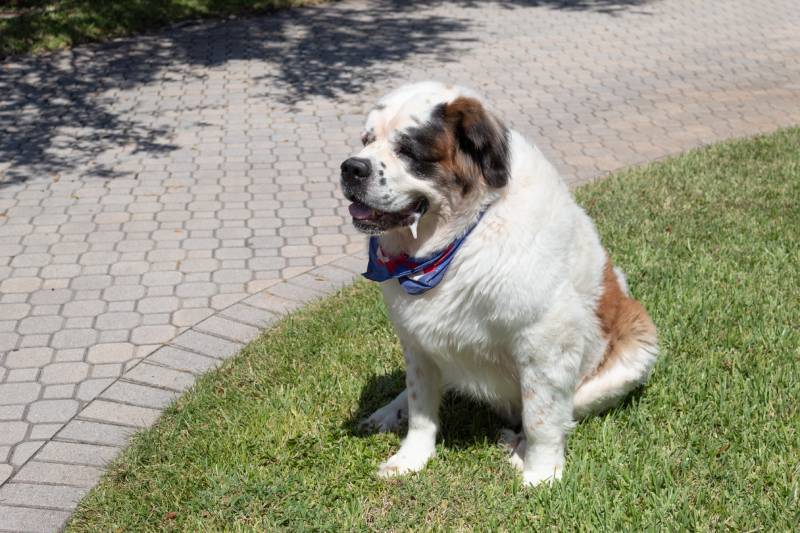
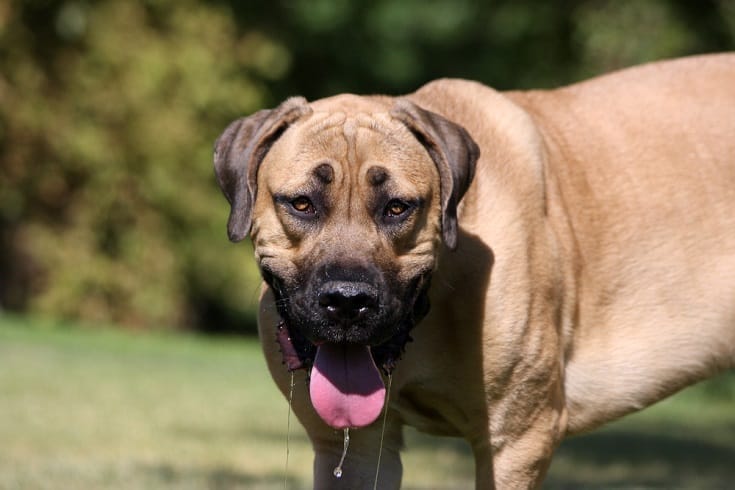
First, let's establish what constitutes typical or normal drooling for dogs. It is important to understand that some breeds naturally produce more saliva than others. Breeds like Saint Bernards, Bloodhounds, and Mastiffs are notorious for their slobbery tendencies.
Additionally, dogs may drool when they anticipate food or during periods of excitement. These types of drooling are generally considered normal and not cause for alarm. However, when your dog starts drooling excessively and displaying abnormal behavior, it's time to pay attention.
Is Excessive Drooling in Dogs an Emergency?
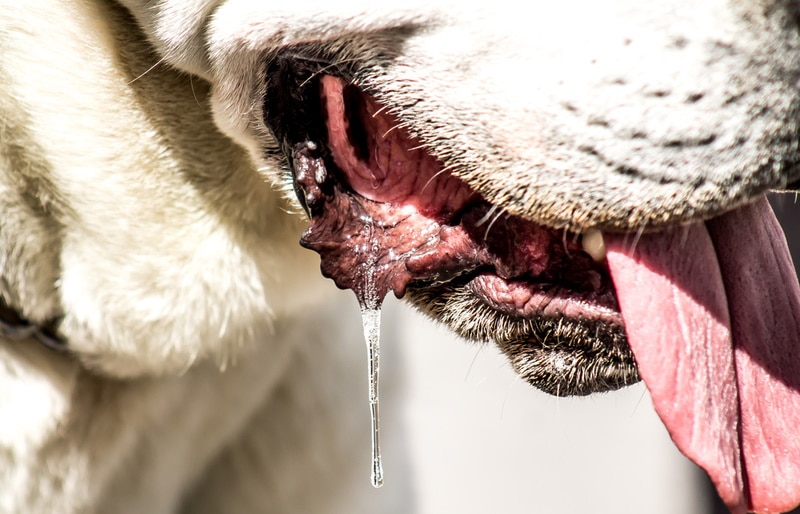
Excessive drooling in dogs can be alarming, but it doesn't always indicate an emergency. However, in some cases, it could be a sign of a serious underlying condition.
It's crucial to consider the overall health and behavior of your dog when assessing the situation. If your dog is otherwise healthy, eating and drinking normally, and displaying their usual behavior, it may not require immediate veterinary attention.
If, however, the drooling is accompanied by other concerning signs or a sudden change in behavior, it is best to consult a veterinarian to rule out any potential emergencies.
The 15 Potential Reasons Why Your Dog Is Drooling & Acting Strange
1. Gastrointestinal Issues
Just like humans, dogs can experience nausea and gastrointestinal discomfort. When they feel sick, they may drool excessively. If your dog has ingested something that doesn't agree with their stomach, it can lead to nausea and excessive drooling. Keep an eye out for vomiting, diarrhea, or a loss of appetite, as these signs may indicate an underlying gastrointestinal issue.
2. Dental or Gum Disease
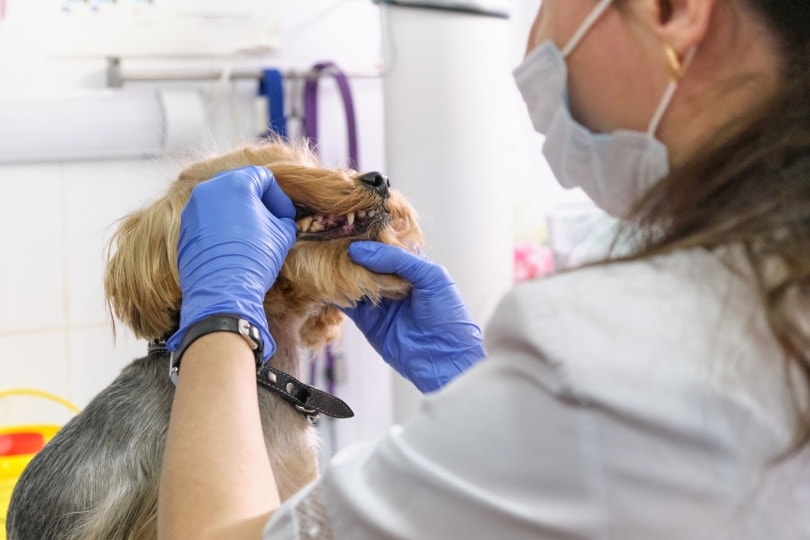
Dental problems, such as gum disease or a tooth abscess, can cause your dog to drool more than usual. Dogs with dental issues may also exhibit signs of pain, reluctance to eat, and bad breath.
Regular dental care such as regular teeth brushing and professional cleaning is essential to maintain your dog's oral health.
3. Mouth Injuries
Injuries to the mouth, including cuts, punctures, or foreign objects lodged in the gums, can cause excessive drooling. If you notice any wounds or bleeding, seek veterinary assistance immediately to prevent infection and further complications.
4. Foreign Bodies
If your dog has swallowed a foreign object, such as a bone fragment, stick, or small toy, it can cause drooling and discomfort. In some cases, the object may become lodged in the digestive tract, leading to more severe complications. Seek veterinary attention immediately if you suspect your dog has ingested a foreign object.
5. Growths and Lumps
Oral growths, tumors, or lumps in the mouth or throat can obstruct normal salivary flow and cause excessive drooling. Regularly check your dog's mouth for any abnormalities and consult your veterinarian for further evaluation.
6. Stress and Anxiety
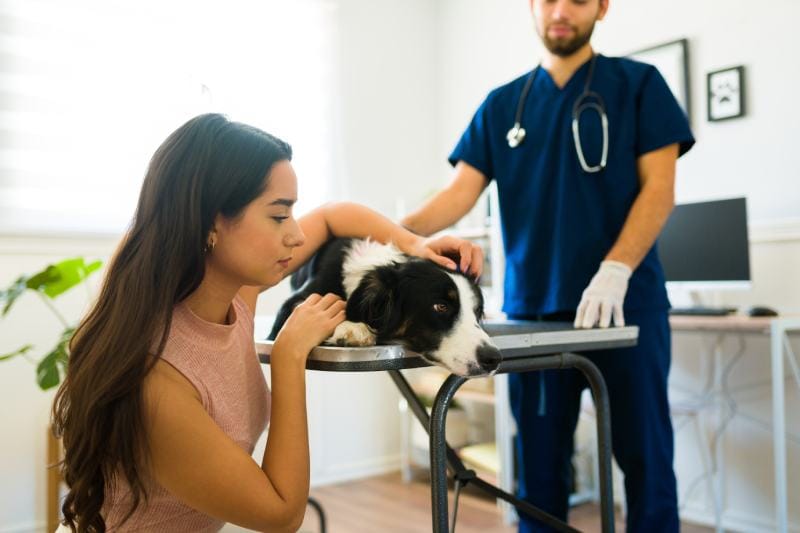
Anxiety and stress can manifest in different ways in dogs, including increased drooling. If your dog is experiencing anxiety, they may drool excessively, pant heavily, pace, or display other signs of distress.
Identifying the cause of anxiety and implementing appropriate measures, such as behavior modification techniques or the use of calming aids, can help alleviate signs of anxiety.
7. Excitement
Excitement, whether it's due to the anticipation of a walk, playtime, or the arrival of guests, can trigger excessive drooling in dogs. While this type of drooling is generally harmless, keep an eye on your dog's behavior to ensure it doesn't escalate into anxiety or other behavioral issues.
8. Heat Stroke
Dogs are prone to heat stroke, especially in hot weather or when left in a car without adequate ventilation. Excessive drooling, along with panting, weakness, and collapse, can indicate heat stroke, which is a medical emergency. Rapidly cool your dog and seek veterinary assistance immediately if you suspect heat stroke.
9. Motion Sickness or Nausea
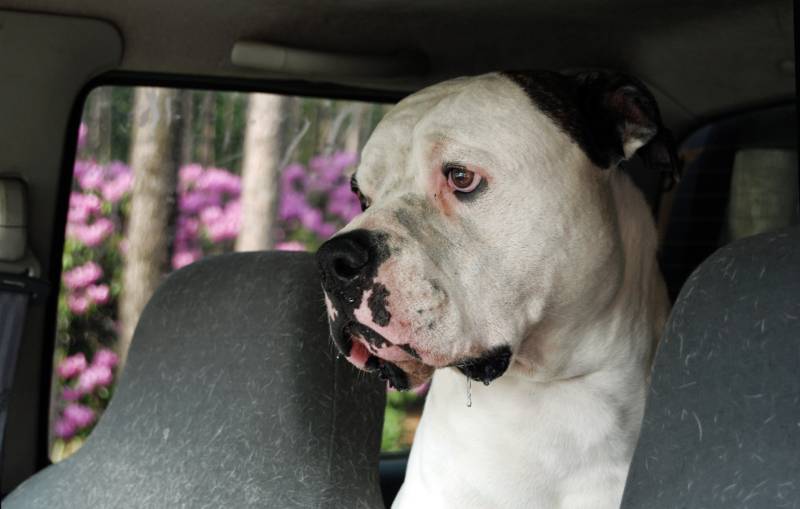
Some dogs experience motion sickness during car rides or other forms of transportation, leading to drooling. If your dog becomes visibly anxious or nauseous when traveling, consult your veterinarian about potential remedies or medications that can help ease their discomfort.
10. Caustic and Toxic Agents
Ingesting toxic substances or coming into contact with caustic agents can cause excessive drooling as the body tries to eliminate or neutralize the harmful substance. It's crucial to keep common household chemicals, plants, and medications out of your dog's reach to prevent accidental ingestion.
11. Neurological Conditions
Certain neurological conditions, such as epilepsy or nerve damage, can cause drooling in dogs. If your dog displays other symptoms like seizures, muscle tremors, or abnormal behavior, consult your veterinarian for a proper diagnosis and treatment plan.
12. Congenital Conditions
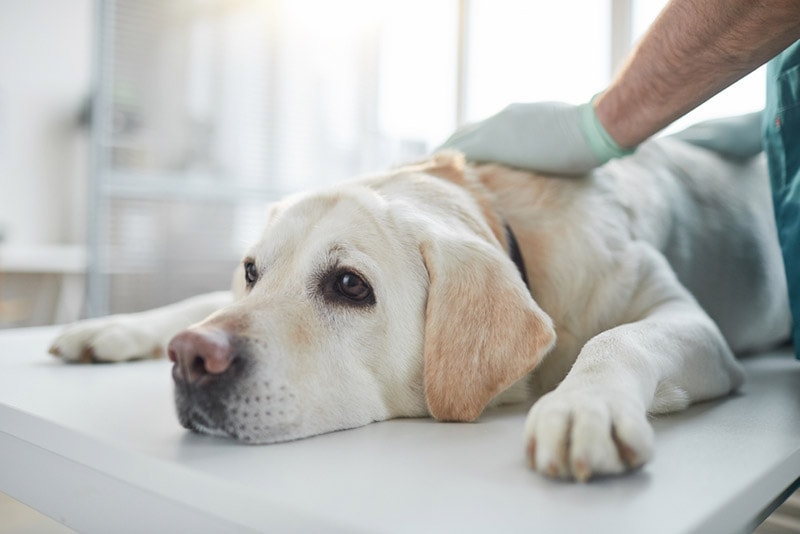
Uncommonly some dogs may have congenital conditions that can cause excessive drooling among other signs. Examples of these are hiatal hernias and portosystemic shunts. Consult your veterinarian if you suspect a congenital issue in your dog.
13. Viral or Bacterial Infections
Certain viral or bacterial infections, including rabies, can cause excessive drooling in dogs. Rabies causes other serious signs such as aggression, fever, disorientation, or paralysis.
Immediate veterinary attention is critical for suspected infectious diseases to protect your dog's health and prevent the spread of contagious illnesses.
14. Response to Food
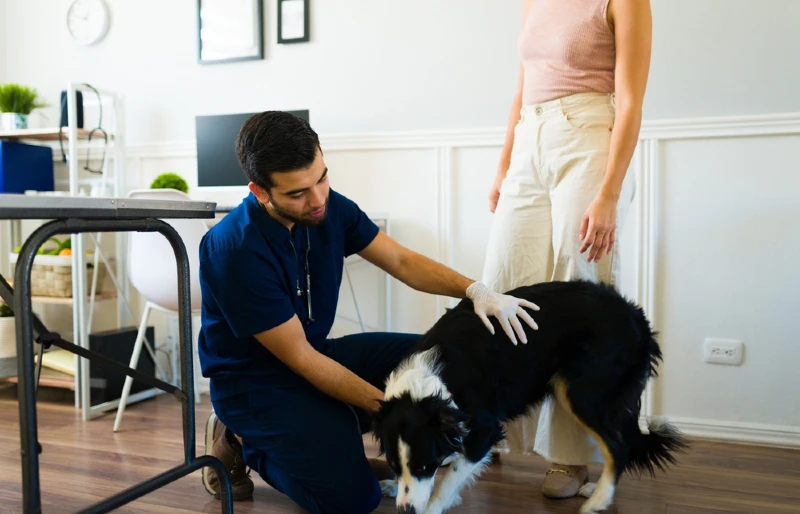
Some dogs may drool excessively when they smell or anticipate food. This reaction is usually harmless and stems from the dog's natural instinct to salivate in preparation for eating.
15. Some Breeds Really Drool More Than Others
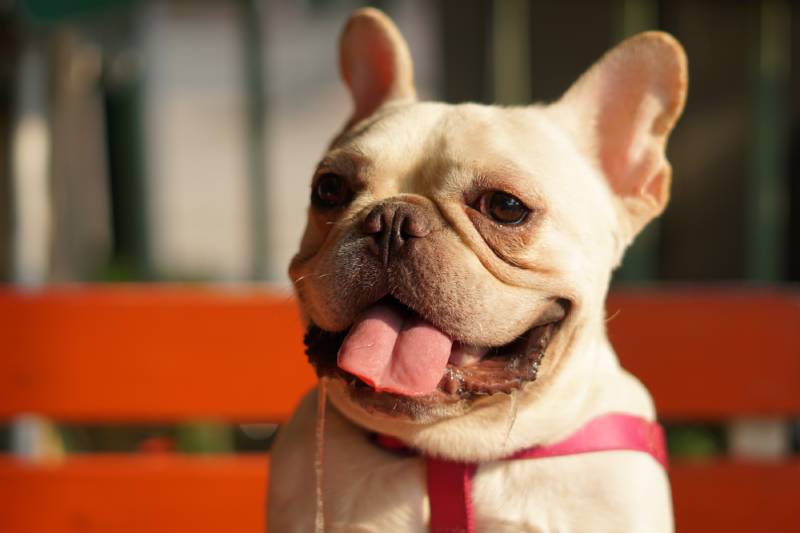
It's important to note that certain breeds are more prone to drooling due to their anatomy and genetics. Breeds like Bulldogs, Bloodhounds, and Mastiffs are known for their slobbery tendencies. If you have one of these breeds, be prepared for some extra saliva!
When Should You Take Your Dog to the Vet?
While some cases of excessive drooling may resolve on their own, it's crucial to know when to seek veterinary attention.
If your dog's drooling is accompanied by other concerning signs, such as vomiting, diarrhea, lethargy, loss of appetite, difficulty breathing, or a sudden change in behavior, it's best to consult a veterinarian promptly.
If your dog's drooling is persistent, severe, or lasts longer than usual, it's better to be safe and have them evaluated by a professional.
Conclusion
Drooling in dogs can occur for various reasons, some of which are benign and others that may require immediate attention.
By familiarizing yourself with the potential causes of excessive drooling and understanding your dog's overall health and behavior, you can better determine when to seek veterinary assistance.
Remember, your dog relies on you to advocate for their well-being, so stay attentive, be proactive, and keep their slobbery smiles shining bright!
Sources
Featured Image Credit By: Michal Ninger, Shutterstock
Get Hepper In Your Inbox


Pet care tips from our vets and experts, straight to your inbox.
You may opt-out at any time. View our Privacy Policy for more information.
Nicole is a lover of animals of all sizes but is especially fascinated with the feline variety. She’s the proud mom of Baby, a Burmese, and works every day so he can relax in the sunshine or by the fire. She’s always had a cat in her home and has spent countless days with others, observing behaviors and softening up even the grouchiest of the lot. Nicole wants to share her kitty expertise with you so you and your cat can live happy, healthy, and care-free.
Join the conversation
Ask a question, share your story, or send private feedback.