Hepper is reader-supported. When you buy via links on our site, we may earn an affiliate commission at no cost to you. Learn more.
Why Doesn’t My Dog Bark? 6 Vet-Verified Reasons



When you adopt a dog, there are certain things that you expect them to do as part of a typical dog’s behavioral pattern. Barking is often one of those. So, what does it mean when you adopt a dog that barks infrequently or sometimes doesn’t bark at all?
There can be many natural reasons that a dog won’t bark, although the situation might involve medical conditions. In this article, we dig into why dogs might not express themselves by barking and what it might mean about their personality, history, or health.

The 6 Possible Reasons Why My Dog Doesn't Bark
1. Breed Disposition
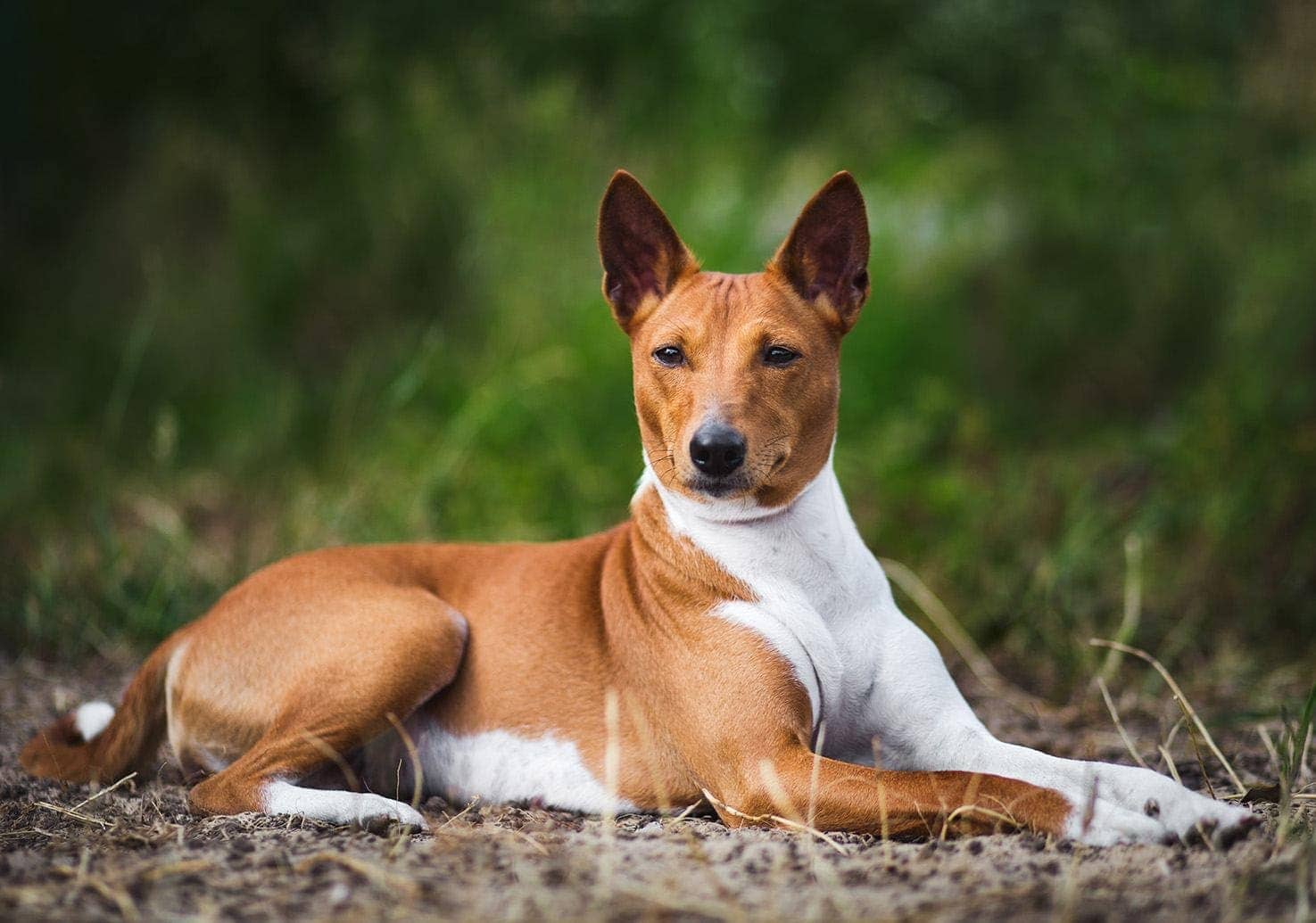
Some dog breeds are very vocal, and others have an instinct to be quiet. The latter are more accustomed to being seen and not heard. Dogs that are vocal were often used throughout history as guard dogs and might be more inclined to let you know about any little thing.
Most dogs that have a quieter breed disposition were never guard dogs. Their purposes range from lap dogs to herders. They might also convey their emotions using other vocalizations and body language.
Just because a dog belongs to a particular breed type doesn’t mean that they won’t ever bark or make other loud sounds, however. For example, the Basenji is known for their inability to bark. Instead, they make more of a yodeling noise, but typically only when they want something or are distressed.
If you are looking for a quiet dog or wondering if your dog is one of these breeds, then check out these common quiet breeds (though this list is not exhaustive).
Quieter Dog Breeds
If your dog doesn’t bark often because of their breed tendency, then you need to pay closer attention to what they might need. They might be trying to communicate with you without waking up the rest of the neighborhood.
2. Individual Dog Personality
Within any breed, typically quiet or not, each dog has their own individual personality. This is a good aspect to keep in mind because it can free you of some of the worries that you might have about their need for vocalization.
Some dogs love the spotlight, and they quickly learn that loud barking can get them that attention. Other dogs are shyer, tending to hide away from a crowd or silently move in and out without attracting attention.
Many larger dogs without a history of being bred as guard dogs will be quite selective with how they exert their energy. They might simply prefer silence. For example, a Newfoundland dog will be very particular when they bark, only letting out their thunderous ruff when they feel that it is essential.
It is often a positive thing for a dog owner to end up with a dog that prefers silence. Don’t try to goad them or train them into needing to bark. Their silence isn’t something to worry about unless they seem unhappy at home.
3. Dog Training

With patience, consistency, and positive reinforcement, you can train your dog to modify most behaviors, including barking, although some behaviors are strongly influenced by genetics, age, or temperament. If you have worked to train your dog so they only bark on command, then they are much less likely to let out an errant bark at another dog or person.
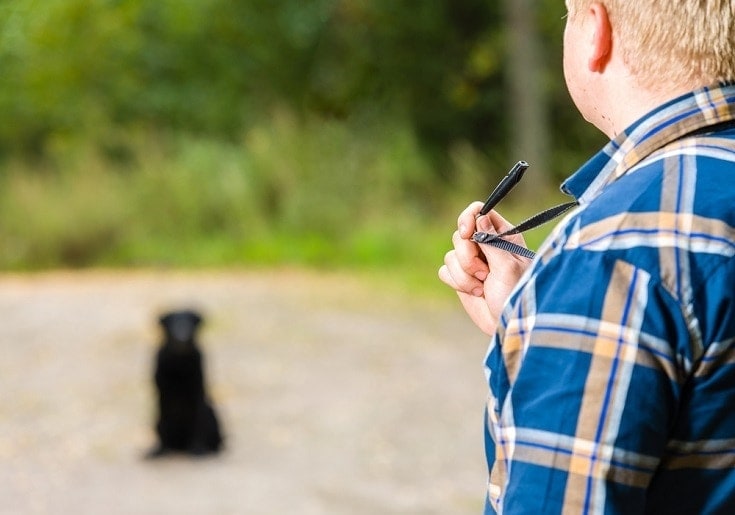
If you haven’t trained them this way but adopted them later in life, consider the possibility that someone else trained them to bark selectively. It might be worth trying specific commands with them, like “speak” or “bark,” to see if they will respond to those.
4. Rescue Dog Experiences
A rescue dog that doesn’t bark, no matter what breed they are, can be commonplace. Many rescue dogs come from unfortunate situations. They may have been abandoned and left to fend for themselves, or they might have been mistreated.
Barking and otherwise making unwanted noise is often the reason for abuse. A dog will quickly learn that making almost any vocalization can earn them physical abuse, and quickly shut down and stop barking.
Dogs won’t necessarily think that if they bark, you will be abusive to them, as their previous owner. However, they don’t easily forget those lessons from their past and will be unlikely to try them out unless in a highly stressful situation.
With patience, love, and positive reinforcement, you can help these dogs feel safe and confident. Over time, they may begin to express themselves more freely, or they may simply remain naturally quiet, especially if their silence was ingrained from a young age. In either case, their calm demeanor is not something to worry about—it’s often a sign of caution, self-preservation, or personality rather than unhappiness.
5. New Transition Period

The “honeymoon phase” of dog ownership can be a bit of a confusing time for both you and your new pup. They are learning about you and their new home, looking for routines and the lines and rules that you draw around your home.
There is the anecdotal 3:3:3 idea when you adopt a dog, whether a puppy or an older adult. The thinking goes that it will take a dog the first three days in their new home to feel less scared and start coming out of their shells. Any behavior that they exhibit during these days is not necessarily what they will act like when they feel safe.
Next is the following three weeks. As they settle into the home and begin to feel more comfortable, they will test boundaries and figure out you and your family. They might be more rambunctious or misbehave more consistently as they figure out how they should behave in this new environment.
The final three are the three months after adoption. Consistency is critical during this whole period because they will be getting accustomed to your lifestyle. Dogs are creatures of routines and will be working on learning how to behave, when their feeding and exercise time is, etc.
As your dog works through this “new dog” phase, you might feel like they act more like a houseguest for the first couple of days to weeks. It won’t be until they are genuinely comfortable that their entire personality will come through, and barking may follow suit.
6. Medical Issues
Finally, certain health conditions can affect how vocal your dog is. These are the most likely if your dog is typically quite vocal and then suddenly stops making much or any noise.
If it is normal for your dog to bark and you notice a stint of silence or quiet when they would typically make loud noises, look into their health. Dogs can strain their voice from too much barking and noise.
There might be other throat or mouth-related reasons as well. If you notice a behavioral change in your dog, contact your veterinarian.

Final Thoughts
There are several reasons why your dog may not be barking, from simple breed disposition to history, and even their training. Of course, if your dog usually barks a fair bit and has suddenly stopped, it may be worth a visit to a vet, especially if they are showing any other unusual signs too.
You might be interested:
Featured Image Credit: Sergiy Palamarchuk, Shutterstock
Get Hepper In Your Inbox


Pet care tips from our vets and experts, straight to your inbox.
You may opt-out at any time. View our Privacy Policy for more information.
Nicole is a lover of animals of all sizes but is especially fascinated with the feline variety. She’s the proud mom of Baby, a Burmese, and works every day so he can relax in the sunshine or by the fire. She’s always had a cat in her home and has spent countless days with others, observing behaviors and softening up even the grouchiest of the lot. Nicole wants to share her kitty expertise with you so you and your cat can live happy, healthy, and care-free.
Join the conversation
Ask a question, share your story, or send private feedback.