Hepper is reader-supported. When you buy via links on our site, we may earn an affiliate commission at no cost to you. Learn more.
Why Do Dogs Love to Roll in Snow? 6 Common & Adorable Reasons


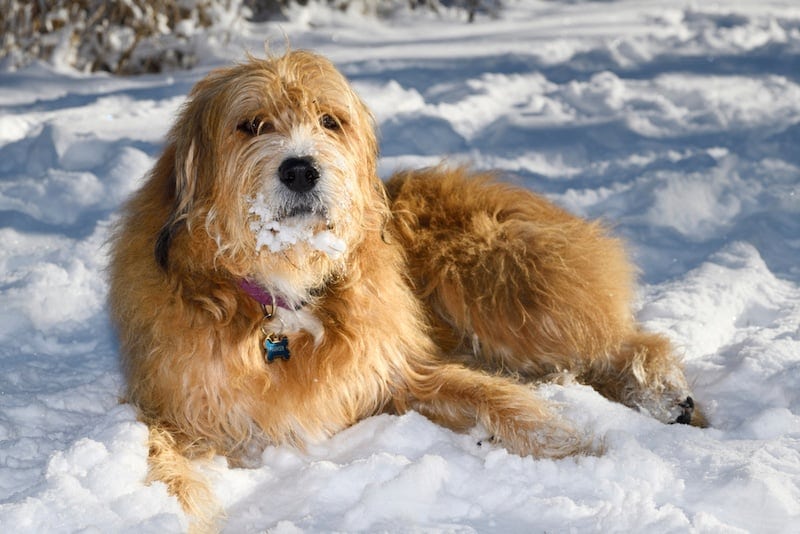
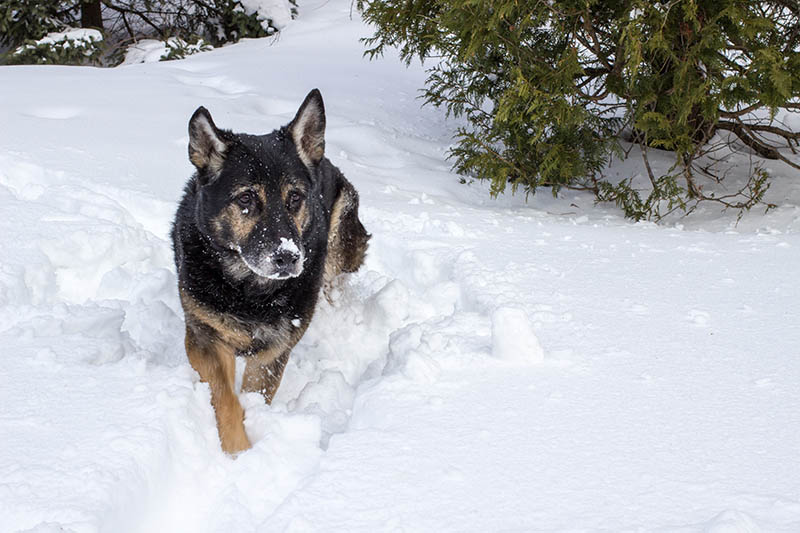
Dogs can engage in behaviors that may perplex us, including rolling around in the snow during the winter. While humans may flap their arms and legs to make snow angels, we’re quite certain that dogs aren't trying to make any shapes in the snow.
More research on dog behavior may be able to provide a more conclusive answer as to why some dogs roll around in the snow. For now, we can only make educated guesses on why dogs engage in this behavior. Here are some possible reasons your dog may love rolling around in the snow.

The 6 Reasons Why Dogs Roll in the Snow
1. Exploring a New Sensation
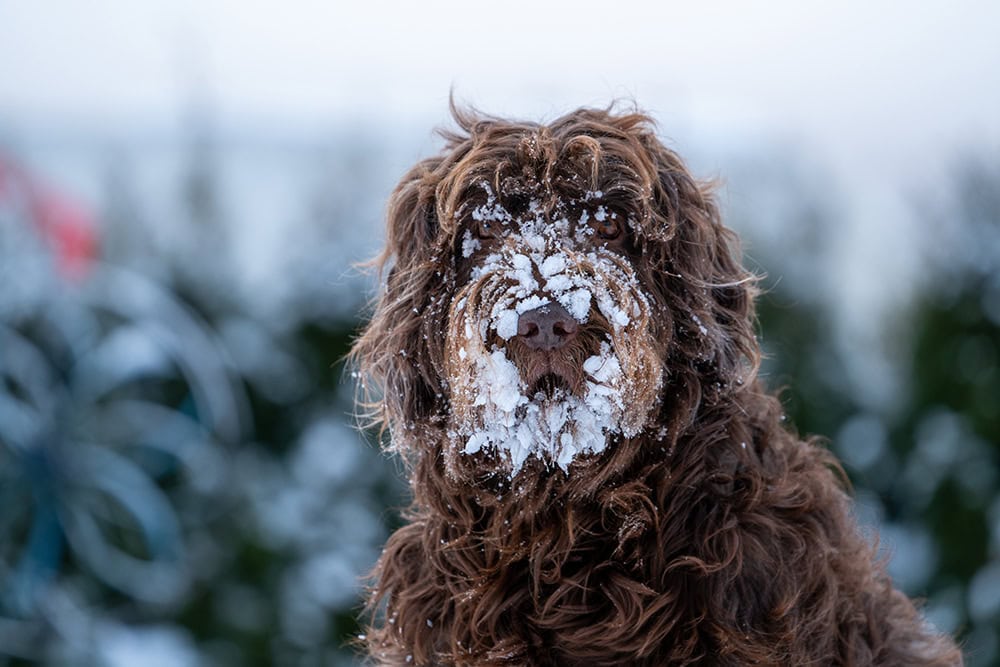
Snow is a novelty and seasonal treat for many dogs. Since it's not something that they typically experience year-round, they may feel very excited about stepping outdoors and seeing a blanket of freshly fallen snow. Dogs are naturally curious by nature, which means it’s very possible that they may welcome the new sensation of fresh snow.
It’s most likely your dog will first stick their nose in the snow and sniff around. Then, if they’re feeling particularly excited or curious, they may just end up rolling around in the snow to get a better understanding of the new sensation. Dogs’ nasal and tactile receptors allow them to explore textures and temperatures, so rolling may simply enhance sensory input.
2. Cooling Off
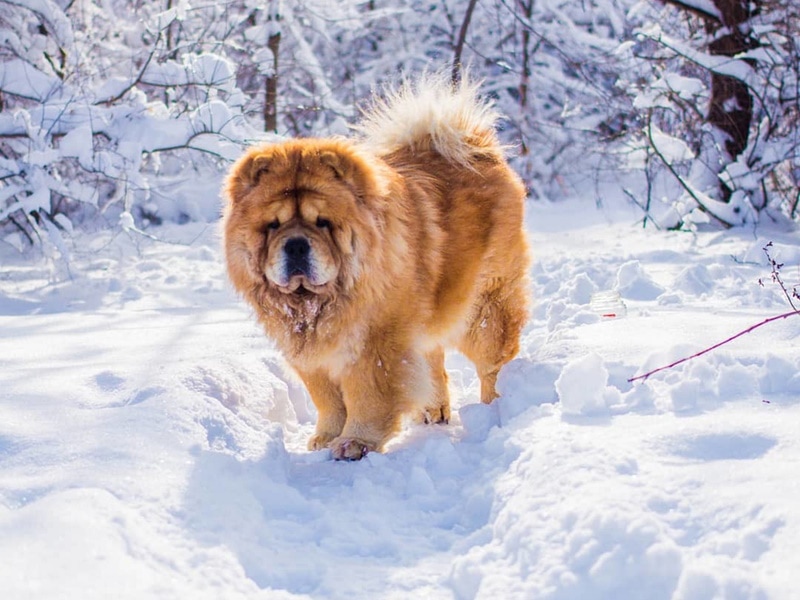
Northern breeds such as Huskies, Malamutes, and Samoyeds, which have double coats designed to insulate from both heat and cold, are generally most comfortable in ambient temperatures between 60°F and 75°F (15–24°C). When indoor environments are warmer than this range, especially above 78°F (26°C), these dogs can feel too hot. Staying indoors during the winter usually means that your home temperature is set a little higher than it would be in the summer, and the air is also much drier. Lower humidity can cause static on a dog’s coat, which can be an annoying and uncomfortable sensation.
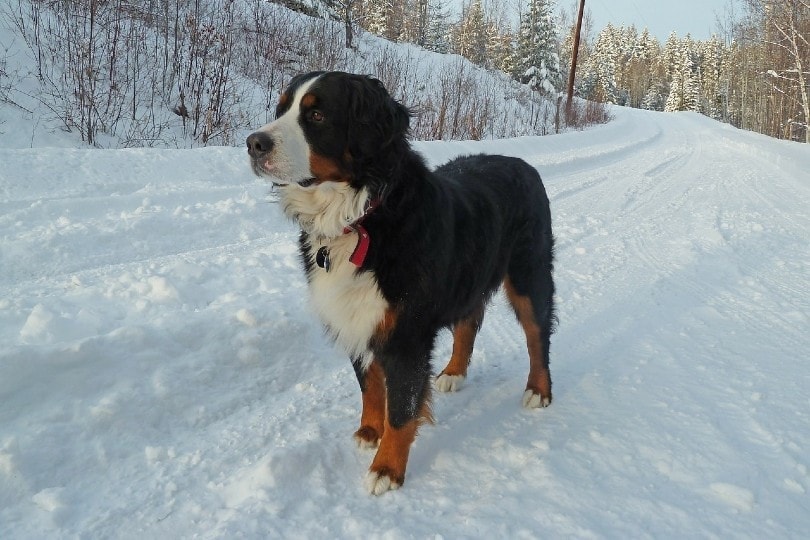
If your dog has a particularly thick coat, they may enjoy stepping outside in the cold for a little while to cool off. Rolling around in a fresh bed of snow may feel similar to being cooled down by a refreshing drink. The snow also helps release trapped body heat and can provide sensory stimulation through its texture and temperature.
3. Scent Rolling
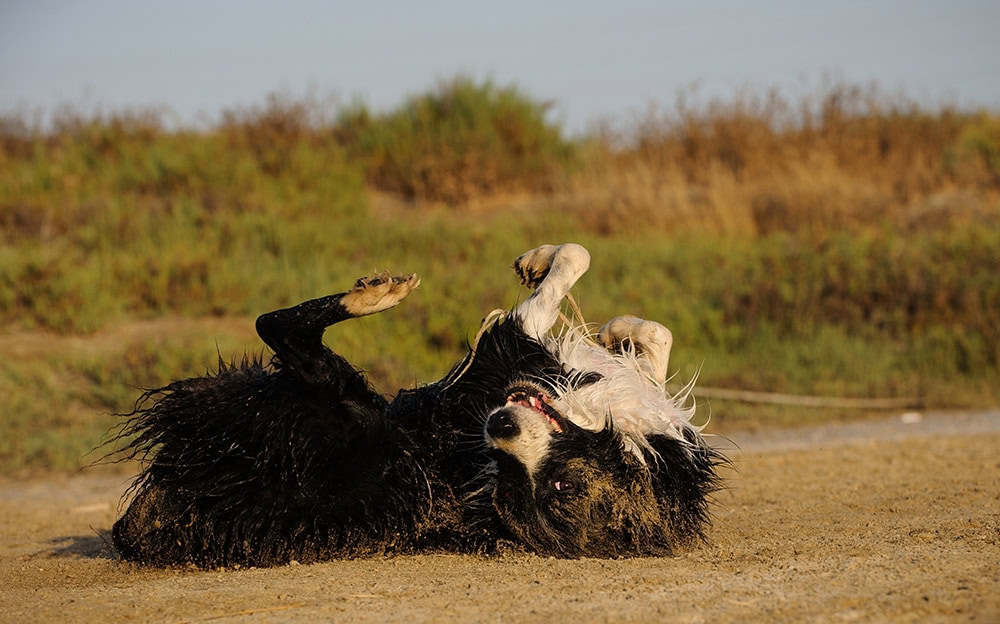
Some dogs engage in scent rolling, which is a behavior that’s a means of communicating with other dogs. Dogs, especially males, will sometimes roll around to leave their scent in the grass. This passes a message to other dogs that they’ve been there.
A layer of snow can cover up the scents that dogs have previously marked on the grass. So, they may be re-establishing the scents that they had placed in certain areas. Alternatively, dogs may roll in snow that has absorbed strong environmental odors to mask their own scent; an instinctive behavior inherited from their wild ancestors.
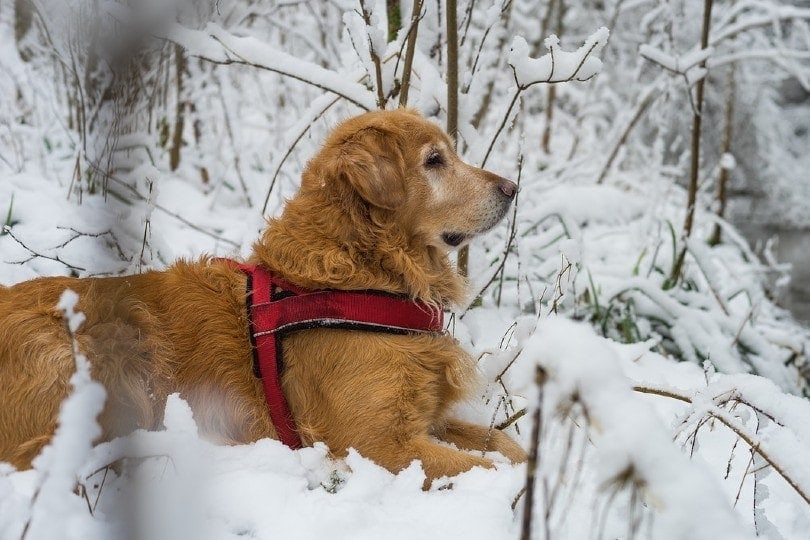
4. Scratching an Itch
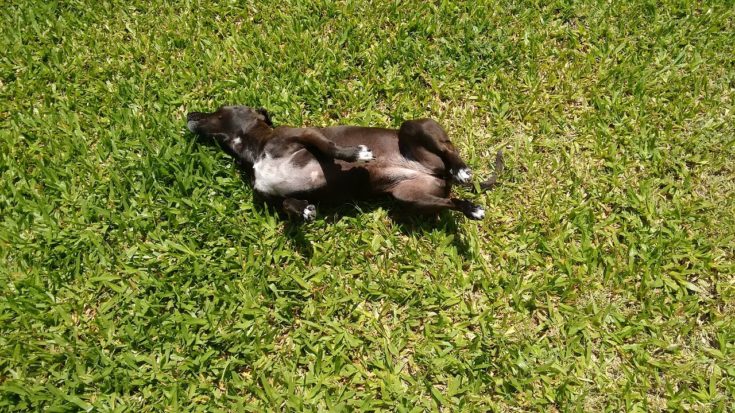
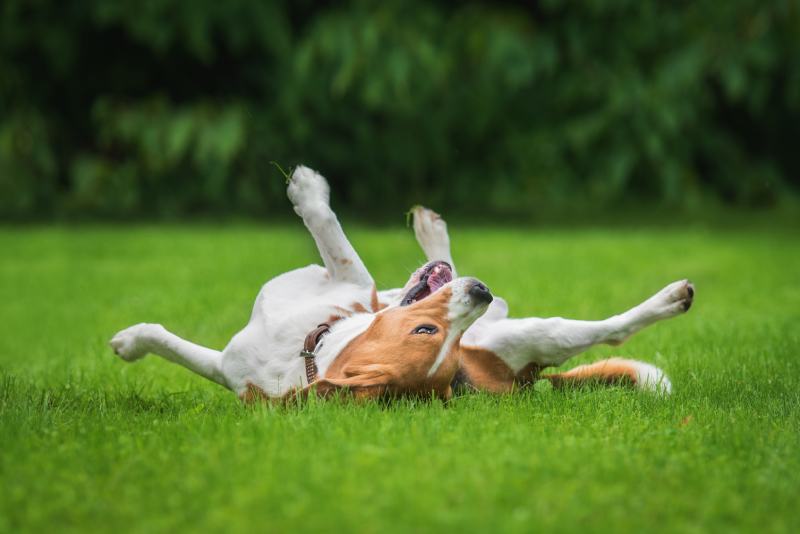
Dogs have a hard time reaching itches on their back. So, they often resort to rolling around textured surfaces to relieve itchiness. Snow can be a bonus because of its cooling effect. If your dog constantly rolls around in the snow, make sure to check their skin to see if there’s any redness or inflammation.If itching is persistent, consult your veterinarian to rule out skin allergies (atopic dermatitis), external parasites, infections, or underlying metabolic conditions such as hypothyroidism. Their skin and coat are prone to becoming dry during the winter, and they may need extra conditioning or moisturizing treatments approved for canine use to help prevent dryness, redness, and flakiness.
5. Expressing Excitement
While it’s not certain as to why some dogs love snow so much, we do know that some dogs can get very excited about it. Rolling around in the snow may be a way for snow-loving dogs to express their excitement. They may feel energized about seeing snow and need an outlet to express and expend that energy and excitement. One of the easiest ways for them to do that is to roll around in the snow. Behavioral excitement like this is harmless if brief and unaccompanied by signs of stress, such as lip licking or tense posture.
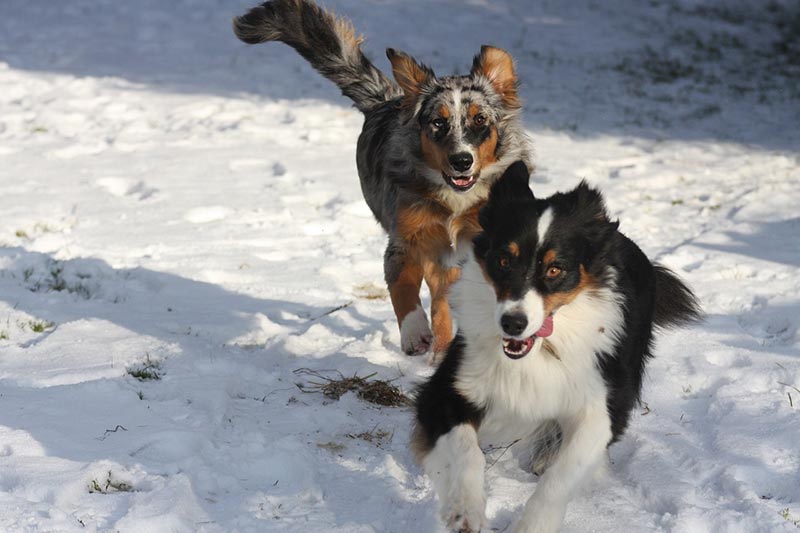
6. Behavior Is Encouraged
The internet isn’t short of videos of dogs frolicking and rolling around in the snow, and many people welcome seeing adorable dogs enjoying the snow. Dogs have evolved to be very attuned and observant of human behaviors and reactions. When they see people laughing when they’re playing in the snow, they may feel even more encouraged to engage in this behavior. Rolling around in the snow can end up being a rewarding behavior for some dogs because they receive attention and praise whenever they do it. Positive social feedback from owners reinforces joyful play behaviors, increasing their frequency.
Is It Safe for My Dog to Roll in Snow?
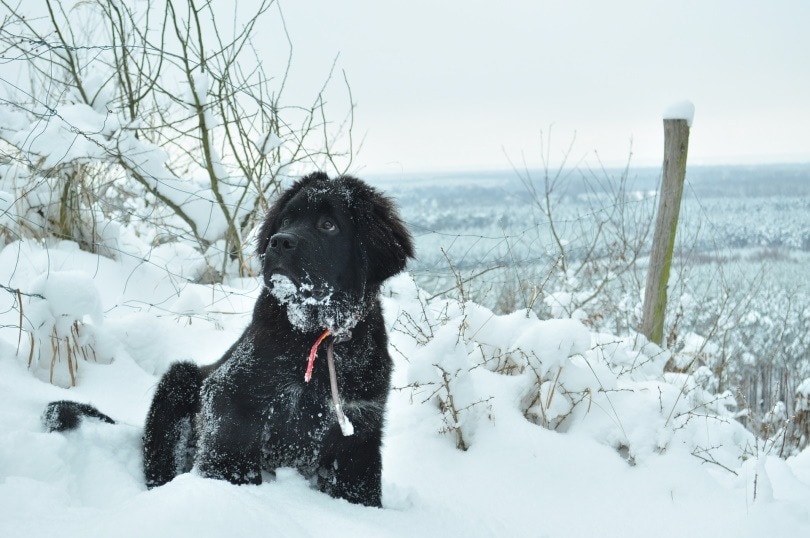
For the most part, it's completely safe for your dog to roll around in the snow. Just make sure that the area is a safe place for your dog. In some cases, your dog may get an injury from sticks and other sharp or pointed objects lying just underneath the snow. So, if you know that your dog enjoys rolling around in the snow, it may be a good idea to stay on top of picking up sticks and raking leaves in the fall so that your dog has a safe area to roll around in once the snow falls.
It’s also important to make sure that the snow that your dog plays in is clean. Stay away from areas with a lot of foot traffic because these spots are more likely to have melting salt mixed in with the snow. De-icing salts can irritate paw pads and are toxic if ingested, so wipe your dog’s paws after outdoor play.
Along with snow safety, it's important to be mindful of the temperature outside. Dog sweaters and jackets can help dogs regulate their body temperature to a certain extent, but this doesn’t mean that they can stay outside for the same amount of time they’d be able to in warmer seasons. In general, dogs can stay outside and play in the snow for up to 30 minutes. If temperatures are below freezing, they should not be outside for 10–30 minutes, depending on breed, coat type, age, and health status. Small or short-haired dogs should wear a sweater or coat and limit exposure to 10–15 minutes when temperatures are below freezing. Always monitor for shivering, lifting paws, or reluctance to move as these are early signs of cold stress.
Final Thoughts
We can only make assumptions as to why some dogs really enjoy rolling around in the snow. For the most part, we don’t have to worry about this behavior, and it can be a great way for your dog to exercise and enjoy a new sensation. Just be mindful of the amount of time you spend outside to prevent your dog from getting sick or getting hypothermia. It’s better to let your dog out for shorter lengths of time to enjoy playing in the snow safely. If your dog shows signs of frostbite, like pale or discolored skin, pain, or swelling, seek veterinary attention immediately.
Featured Image Credit: Reimar, Shutterstock
Get Hepper In Your Inbox


Pet care tips from our vets and experts, straight to your inbox.
You may opt-out at any time. View our Privacy Policy for more information.
Jessica is a freelance writer who spends most of her day reading and writing while her fluffy Cavapoo, Nora, naps beside her. She loves and appreciates pets and animals because there’s so much to learn from them, and they do so much for people. As a dog mom, she understands the special relationship that pet parents have with their pets. So, she loves sharing helpful information that people can use to better understand their pets. When she’s not writing, you can find her walking dogs, tending to her plant babies, or drinking her nth cup of coffee.
Join the conversation
Ask a question, share your story, or send private feedback.