Hepper is reader-supported. When you buy via links on our site, we may earn an affiliate commission at no cost to you. Learn more.
How Do Dogs Feel the Cold? Vet-Verified Facts & Care Tips



In this article
Dogs have coats and thanks to that they tolerate pretty well cold temperatures, but that doesn’t mean they don’t get cold or that extreme temperatures are not dangerous for them.
Generally, small-sized or hairless dogs won't be comfortable at temperatures below 50°F (10º Celsius) while larger dogs will feel the cold around 40°F (4.4ºC). This can vary between the dog’s health, breed, age, and other factors, however.

Factors That Affect Your Dog’s Cold Tolerance
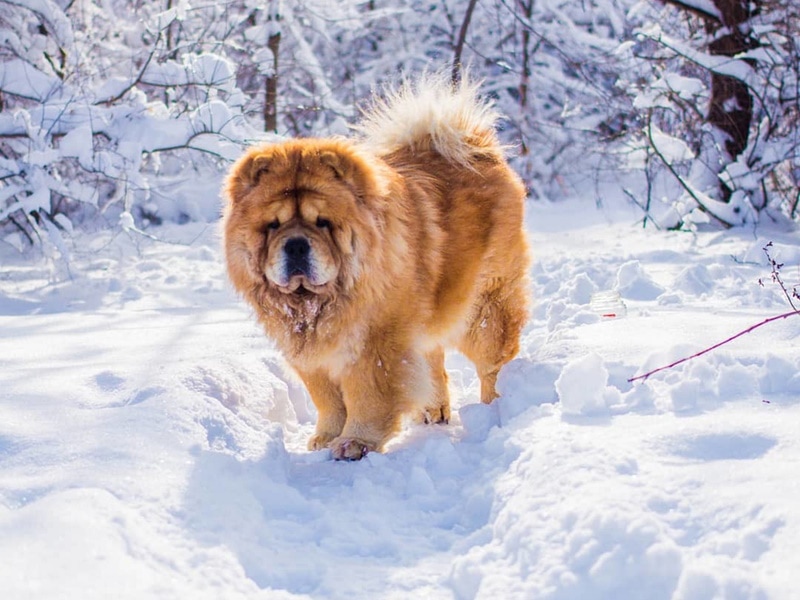
All dogs descend from wolves, but selective breeding from humans has significantly altered their genetics and traits over the centuries. Some dogs are ideally suited for extremely cold temperatures, such as Alaskan Malamutes and Siberian Huskies, while others are suited to hot climates, like Chihuahuas.
Several factors impact whether your dog can handle cold temperatures, including:
In addition to the traits of the individual dogs, the weather conditions can affect how cold a dog gets, such as:
How to Tell if Your Dog Is Cold
Generally, your dog will be more comfortable in the cold than you will be, but it’s important to pay attention to the temperature. If it’s below 40°F, it’s likely your dog will begin to feel chilly, and you should limit time playing or walking outside.
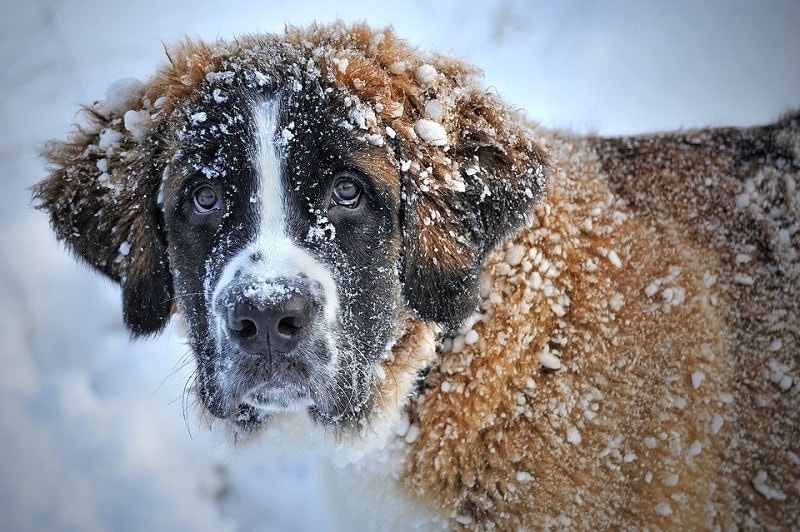
If the temperature is below 20°F, it’s unsafe for most breeds. Prolonged exposure to the cold could cause hypothermia, which can be life-threatening, or frostbite of your dog’s paws or ears. Severe frostbite may require surgery to remove dead tissue. In addition, dogs with heart disease, diabetes, or other health conditions with poor circulation are at greater risk of developing frostbite.
How to Keep Your Dog Warm in Cold Weather
If you live in a cold climate and you have to walk your dog in frigid temperatures, you can take some measures to protect your dog from hypothermia and frostbite.
- Limit outdoor time: Dogs are not meant to spend long periods of time outside, even if they’re Arctic breeds. The coat doesn’t cover everything, and their nose, paws, and ears are vulnerable to the cold. Keep your walks or outdoor playtime short.
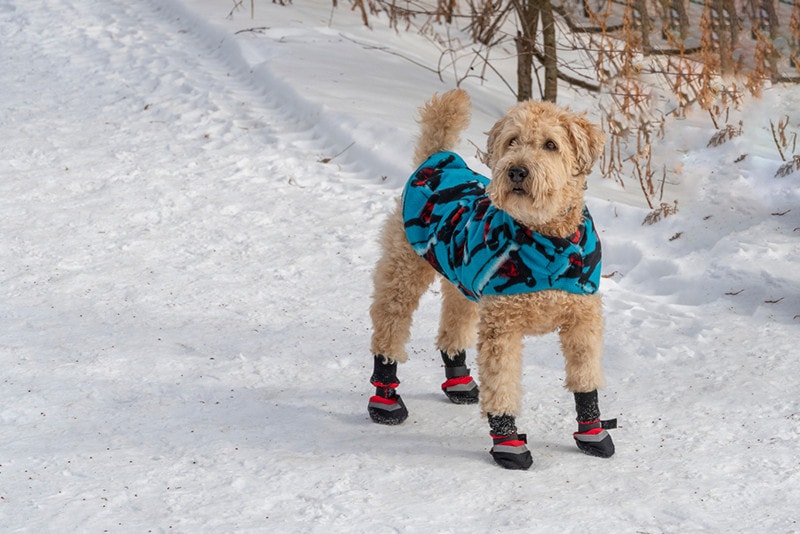
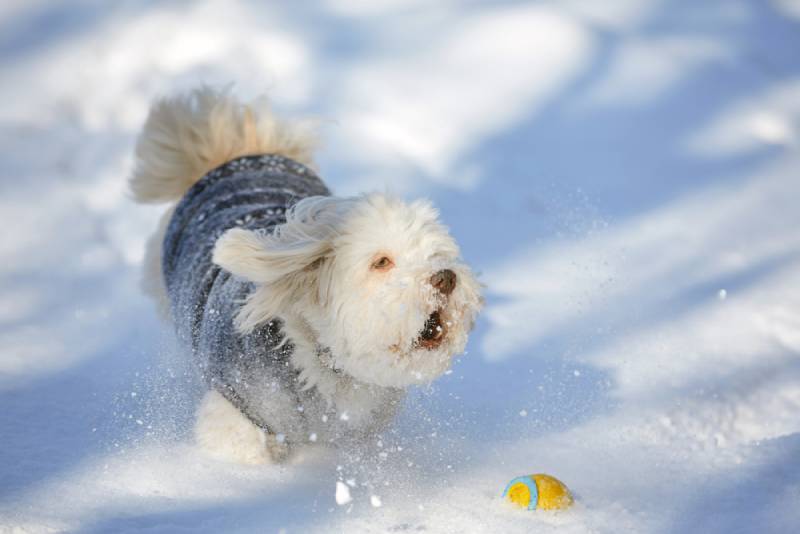
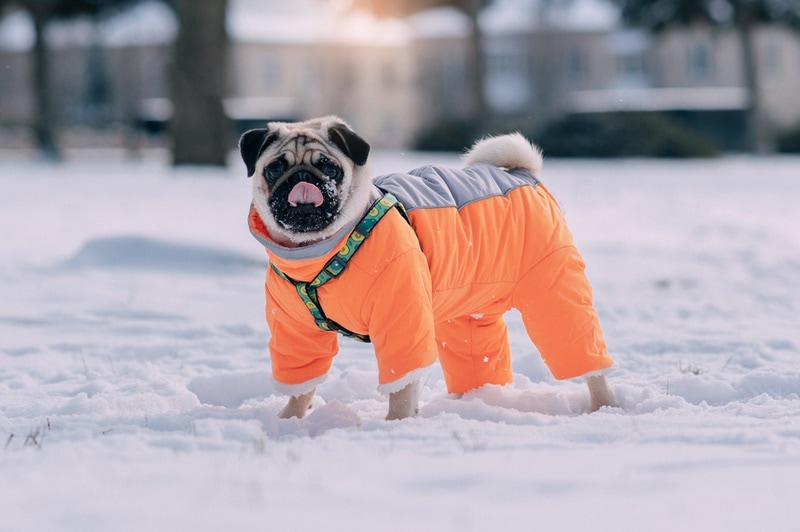
- Dress them: Small or short-haired dogs, senior dogs, and puppies should have a sweater or coat to go outside in frigid temperatures. The time outdoors should still be short, but this can provide some extra protection from hypothermia.
- Don’t leave your dog in the car: Everyone knows not to leave a dog in a hot vehicle, but the same applies to cold weather. Cars can get chilly in cold temperatures, and though your dog may not get frostbite, it’s probably going to be uncomfortable.
- Know the warning signs: Hypothermia can be hard to spot. If you notice your dog has ice on its body, is whining or shivering, or stops moving, it’s time to go inside. Get your dog wrapped in a blanket and contact your vet. Frostbite can take longer to show, so monitor your dog’s ears, paws and paw pads, and tail for any changes.

Conclusion
Dogs tolerate the cold better than we do, but that doesn’t mean they don’t get chilly. In frigid temperatures, your dog could be susceptible to frostbite or hypothermia. Different breeds have different cold tolerances, and it’s important to keep small dogs, short-haired dogs, puppies, and senior or ill dogs protected when the cold winter weather hits.
See also:
10 Best Winter Coats & Jackets for Dogs – Reviews & Top Picks
10 Best Insulated Dog Houses for Winter – Reviews & Top Picks
Sources
Featured Image Credit: Reimar, Shutterstock
Get Hepper In Your Inbox


Pet care tips from our vets and experts, straight to your inbox.
You may opt-out at any time. View our Privacy Policy for more information.
Nicole is a lover of animals of all sizes but is especially fascinated with the feline variety. She’s the proud mom of Baby, a Burmese, and works every day so he can relax in the sunshine or by the fire. She’s always had a cat in her home and has spent countless days with others, observing behaviors and softening up even the grouchiest of the lot. Nicole wants to share her kitty expertise with you so you and your cat can live happy, healthy, and care-free.
Join the conversation
Ask a question, share your story, or send private feedback.