Hepper is reader-supported. When you buy via links on our site, we may earn an affiliate commission at no cost to you. Learn more.
Why Is My Rabbit Shaking? 12 Vet-Approved Reasons & FAQs


In this article
The most important part of being a pet parent is getting to know their body language and recognizing the signs when something isn’t right. Rabbits are quite sensitive, and since they are prey animals, you can expect to see them shaking from time to time.
However, it’s still troubling to see your beloved pet in distress or having a potential health scare, so it’s essential to learn why your bunny might be shaking.
Here, we examine the reasons that rabbits exhibit this behavior and go through the different kinds of shaking. We hope that this will help you determine if it’s nothing to worry about or if it’s time to see your vet.

Before We Begin
Let’s first cover the different types of shaking that your rabbit might be experiencing. This can help you understand if it’s something that you need to worry about or not.
- Trembling: If your rabbit is trembling, which is a subtle kind of vibrating, know that this is normal behavior for rabbits.
- Rippling skin: If it looks like ripples are flowing over your rabbit’s coat, this is also fairly normal. It can indicate a change in the environment, like air currents. Your rabbit is just reacting to the change.
- Twitching: This is also normal rabbit behavior and includes little shakes of the head and feet and flopping on the floor.
- Convulsing: This is when you need to seek veterinary help immediately! Any form of violent shaking that comes on suddenly is not at all normal for rabbits.
Now, let’s get into the specific situations that can cause your rabbit to shake. Some are nothing to worry about, while others will require veterinary help.

The 12 Possible Reasons Why Your Rabbit Shaking
1. Asleep and Dreaming
Just like other animals, rabbits will twitch and tremble while asleep. They are likely dreaming about running, so don’t be surprised if your rabbit twitches their feet when sleeping. Normal sleeping behavior will also include shaking limbs, twitching whiskers, and a rippling coat.
2. Content and Happy
Rabbits will subtly shake when they are quite happy. This might happen when they first see you in the morning, when you’re spending quality time with them, and likely before feeding time.
This is a positive type of shaking and nothing to worry about. Some rabbits will also make a purring sound, which is light teeth chattering or chomping, which is always a sign of happiness. You’ll see your rabbit trembling, but their body and ears will be relaxed.
3. Hiccups
Rabbits are prone to hiccups! You won’t hear anything, but you’ll notice a repetitive shaking or bobbing of the head.
This is more common in baby rabbits (also known as kits) but can also happen in adults. This is nothing to worry about and is perfectly natural.
4. Fright
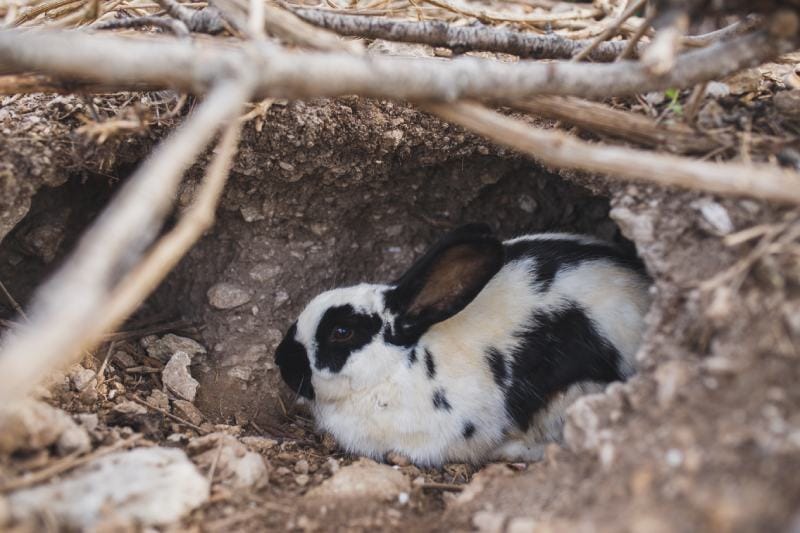
Since rabbits are prey animals, they are always on high alert. This also means they are easily spooked; sudden loud noises or movements can easily frighten a rabbit.
This will present as constant shaking with fast and erratic breathing. Their bodies and ears will stiffen as they prepare to escape danger.
This is also a natural response, and they will calm down once they sense that they are safe, or they'll find a safe place to hide until the coast is clear.
5. Anger
For the most part, rabbits are not the angriest animal out there, but they do get upset. When this happens, they can start shaking and might even thump their hind feet on the ground.
If your rabbit shakes and twitches and starts thumping their back feet, you’ve got an angry bun. If you’re handling them at this time, leave them alone—if they are angry at you, a nip might be next.
6. Heat Stroke
Rabbits tend to do better in cool weather than in hot weather, though they will shiver if they’re too cold. They have those warm fur coats on at all times, so they are at greater risk of overheating and heatstroke.1
The ideal environmental temperature for rabbits is 50°F (10°C) to 68°F (20°C). Heatstroke can set in even at 71.6°F (22°C), so it’s crucial to monitor your rabbit’s environment.
Signs of heatstroke include:
If your rabbit starts showing any of these signs on a warm or hot day, take them to the vet immediately!
7. External Parasites
If your rabbit is frequently shaking their head, they might have ear mites or other parasites like fleas or lice. Ear mites are found in the ears, and lice and fleas can also congregate there.
You’ll notice head shaking and your rabbit frequently scratching their ears. They might also tilt their head and there might even be bleeding. You should see your vet for treatment.
8. Chronic Stress
As the name suggests, this isn’t one incident of a rabbit trembling from fear. Some rabbits might undergo chronic stress due to a prolonged period of stressors, such as loud noises and a sense of danger.
This can make the rabbit almost catatonic with fear, and you’ll notice them crouched in a corner and trembling. They might also start to lash out aggressively.
You should remove the stressors and give them time and space to calm down and process everything.
9. Ear Infections
Those large ears can make them vulnerable to ear infections, especially lop-eared rabbits.2
Like with parasites, you’ll notice your rabbit shaking their head, scratching the ear with the infection, and tilting their head. This condition merits a visit to your vet.
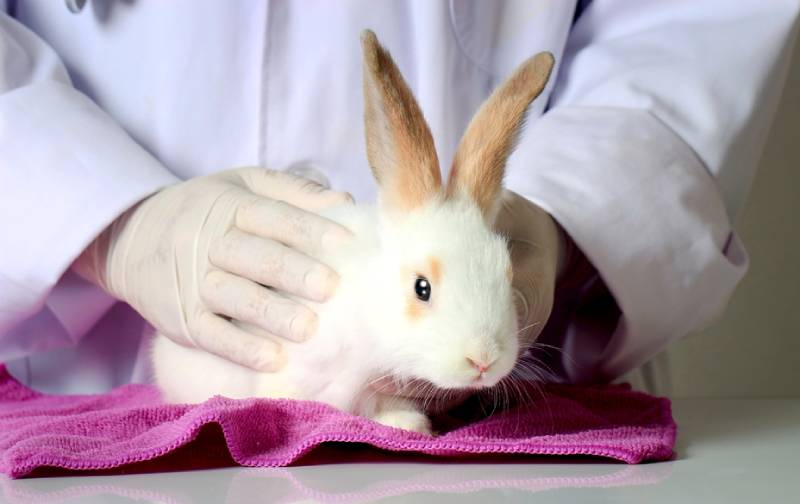
10. Gastrointestinal Stasis
Gastrointestinal (GI) stasis is a serious, life-threatening condition. One of the causes is a poor diet (too high in carbohydrates and too low in fiber) and any other situation that can cause a rabbit to eat less, including stress and illness.
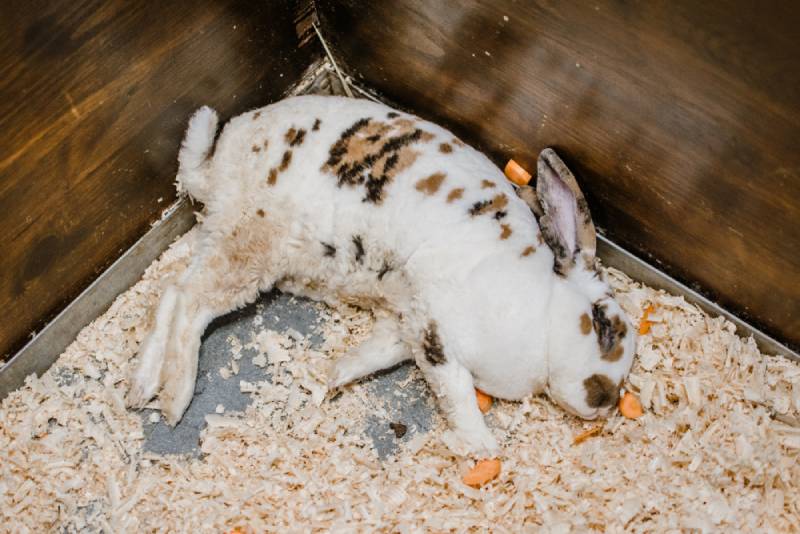
The rabbit’s GI tract becomes impacted, and you’ll see them trembling, shivering, and lying on their side. They will also lose their appetite, so this situation needs immediate medical intervention.
11. Toxic Plants
Poisoning in rabbits can cause shaking and seizures and can be fatal if not treated right away. Rabbits eating toxic plants, such as rhubarb leaves, foxglove, and ivy, will lead to poisoning, as will any substances like rat poison, lead, certain medications, and pesticides.
Side effects will happen quickly, and you'll see your rabbit lying on their side and convulsing. They will need to be seen by your vet immediately.
12. Seizures
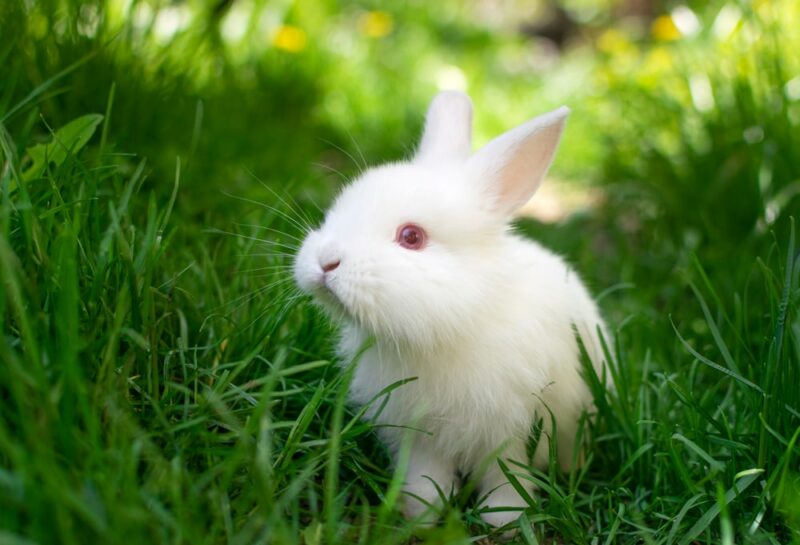
Rabbits undergoing a seizure will shake, and you might also notice the legs paddling and head tilting, but it depends on the cause of the seizure. Lop-eared and white-haired, blue-eyed rabbits are more prone to seizures and epilepsy. You should see your vet if you suspect that your rabbit has had a seizure.
When Should You See a Vet?
Why your rabbit is shaking depends on what type of shaking it is and what the situation is at the time. After reading through this list, you should have a much better idea of when it’s normal behavior and when there’s something to worry about.
Body language is everything. Is your rabbit looking relatively relaxed? Are they trembling and stiff? Are there ripples across the fur, or are they frequently shaking their head?
When in doubt and if you’re worried, give your vet a call or make an appointment.
Final Thoughts
Rabbits can shake for several reasons. They shake when they are happy or scared and when they are cold or suffering from heatstroke. Sometimes, the shaking is normal, and other times, it’s a medical issue.
Get to know your rabbit by researching and familiarizing yourself with their body language. This way, you can catch any issues before they become problems.
Featured Image Credit: monofly, Shutterstock
Get Hepper In Your Inbox


Pet care tips from our vets and experts, straight to your inbox.
You may opt-out at any time. View our Privacy Policy for more information.
Kathryn was a librarian in a previous lifetime and is currently a writer about all things animals. When she was a child, she hoped to work in zoos or with wildlife in some way, thanks to her strong love for animals. Unfortunately, she's not strong in the sciences, so she fills her days with researching and writing about all kinds of animals and spends time playing with her adorable but terribly mischievous tabby cat, Bella. Kathryn is hoping to add to her family in the near future – maybe another cat and a dog.
Join the conversation
Ask a question, share your story, or send private feedback.