Hepper is reader-supported. When you buy via links on our site, we may earn an affiliate commission at no cost to you. Learn more.
12 Incredible Ragdoll Cat Facts You Never Knew!
Ragdolls are one of the most popular cat breeds, instantly recognizable thanks to their larger-than-normal size and a long, luxurious coat. It is such a well-loved breed, in fact, that it topped the Cat Fanciers’ Association list of the most popular breeds for the last three years.
There’s much more to this breed than it may at first seem. Keep reading to find 12 fascinating facts about the world’s most beloved cat breeds.

The 12 Incredible Ragdoll Cat Facts
1. Ragdolls Are a Relatively New Breed
Ragdolls were developed in the 1960s by a California cat breeder named Ann Baker. A long-haired white cat named Josephine was running loose in Baker’s neighborhood, so the breeder decided to mate her with other cats she found or owned. Josephine was a Persian or Angora cat and an unknown male cat with a Birman or Burmese background sired several of her litters. Josephine went on to produce kittens with a relaxed and docile temperament and a tendency to fall limp when picked up.
Baker trademarked the name Ragdoll after the kittens’ tendency to fully relax when picked up and began her registry: the International Ragdoll Cat Association in 1971. She enforced very stringent standards on other breeders wanting to breed or sell cats under the Ragdoll name. Breeders were banned from registering Ragdolls in other breed associations.
In the mid-70s, a group of breeders broke ranks with the IRCA, hoping to get mainstream recognition for the breed. This group eventually developed the Ragdoll standard currently accepted by major cat registries worldwide. The IRCA still exists today but is small, likely due to Baker’s death in the mid-90s.
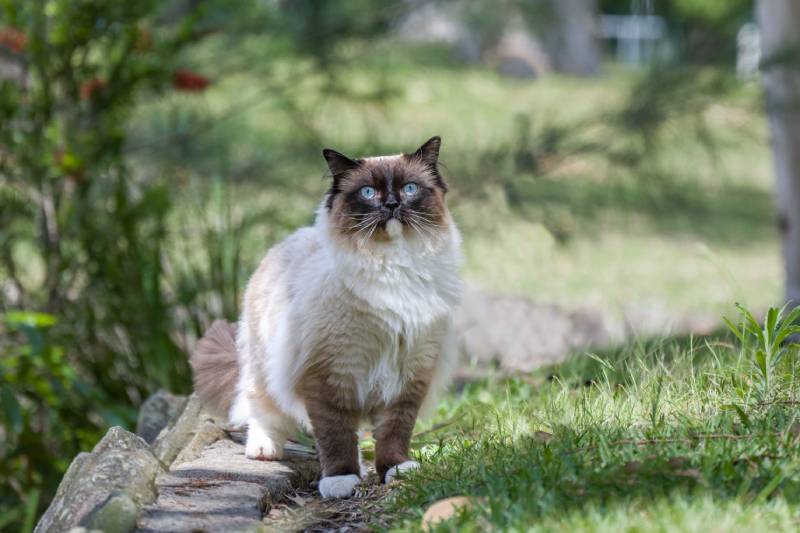
2. Ragdolls Must Have Blue Eyes to Fit Breed Standard
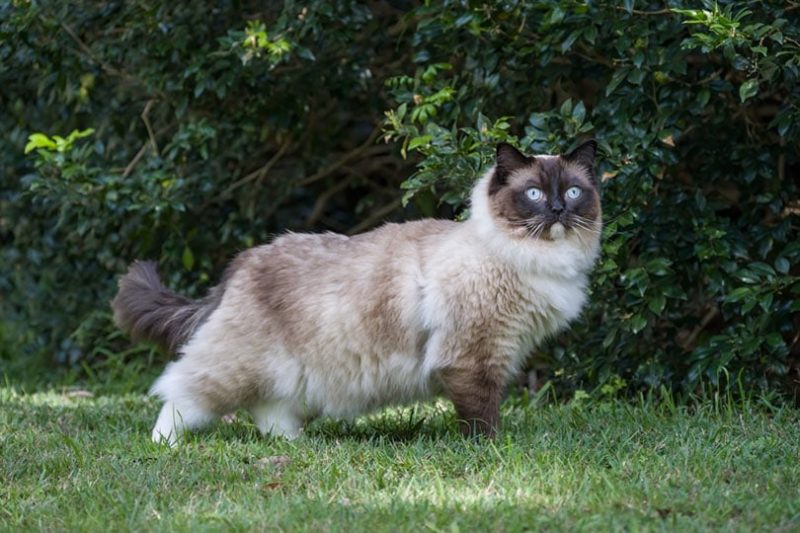
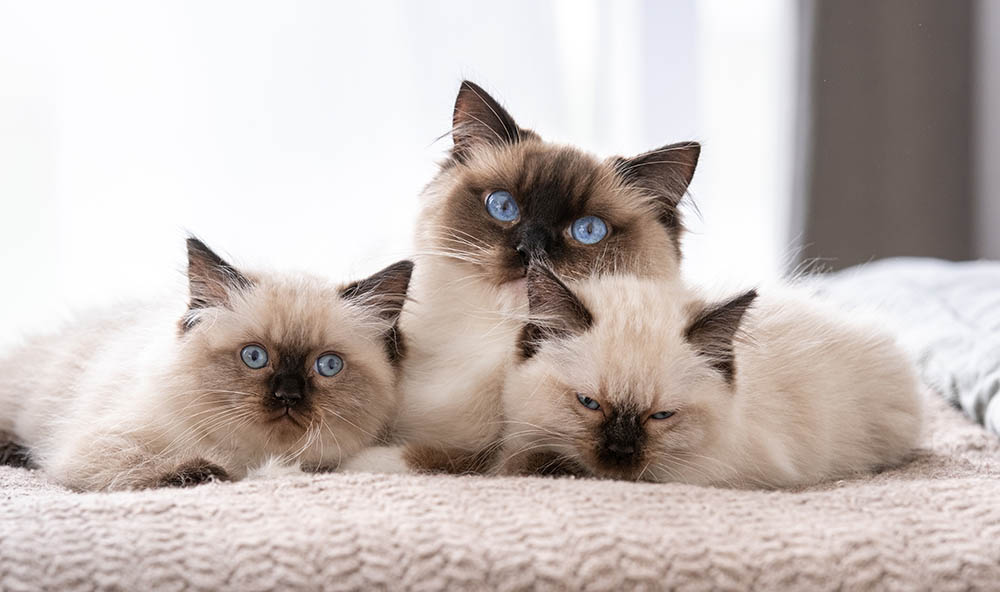
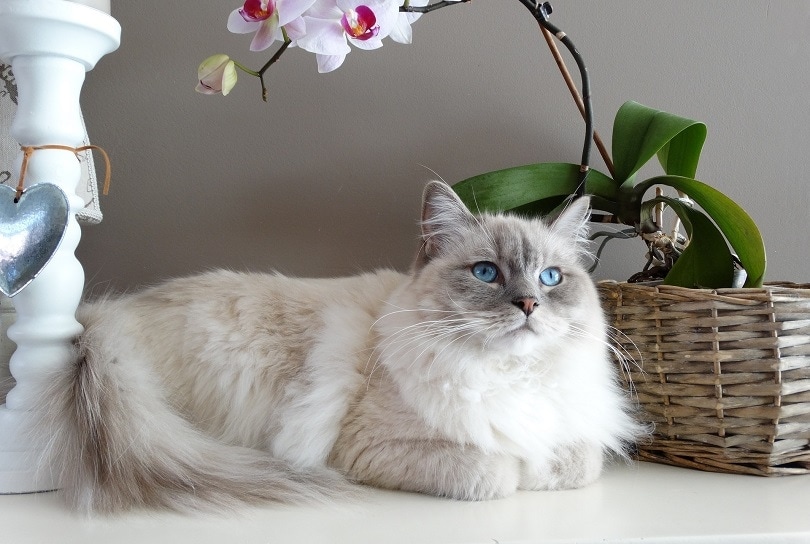
Ragdolls are well known for their beautiful blue eyes. It is the one defining characteristic that all purebred Ragdolls share. The International Cat Association (TICA) and Cat Fanciers Association (CFA) both have rules disqualifying Ragdolls with any eye color other than blue. They also disqualify cats with crossed eyes and extra toes.
Some Ragdolls may have shades of other colors in their eyes, but they result from mixed breeding and are not considered purebreds.
3. Ragdolls Have Many Colors & Patterns
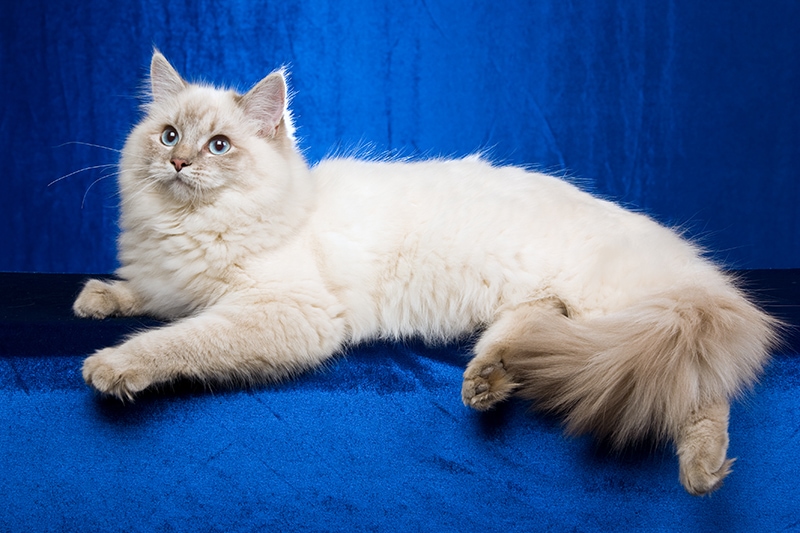
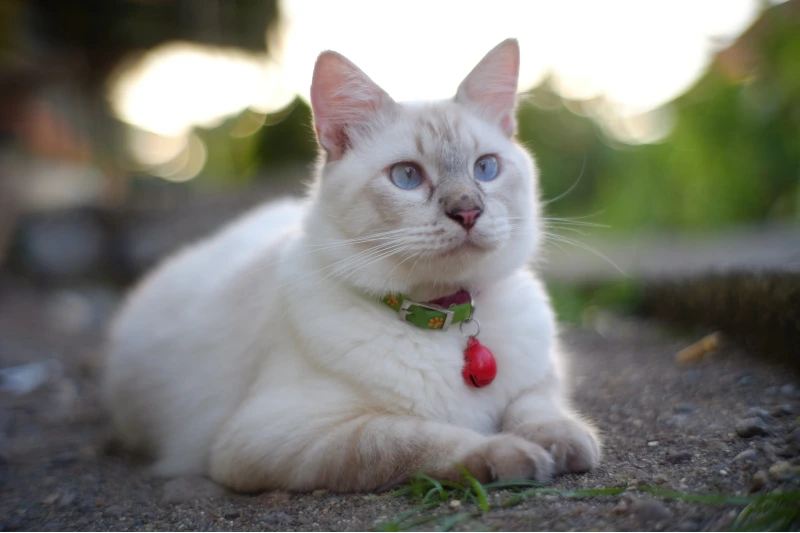
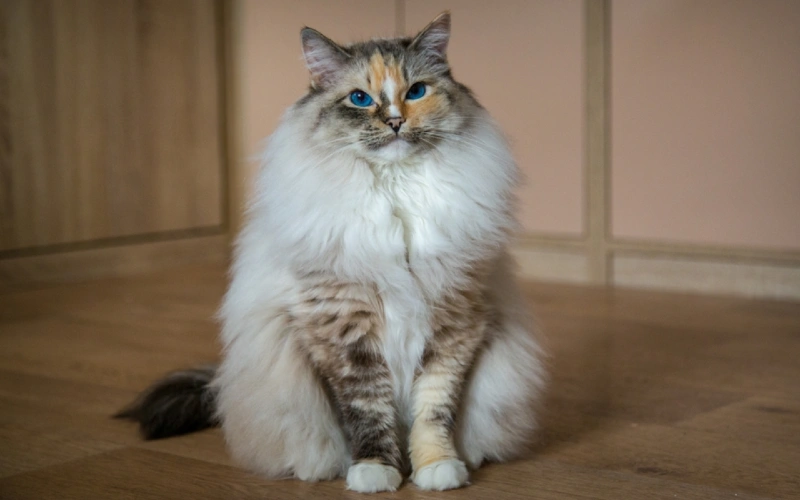
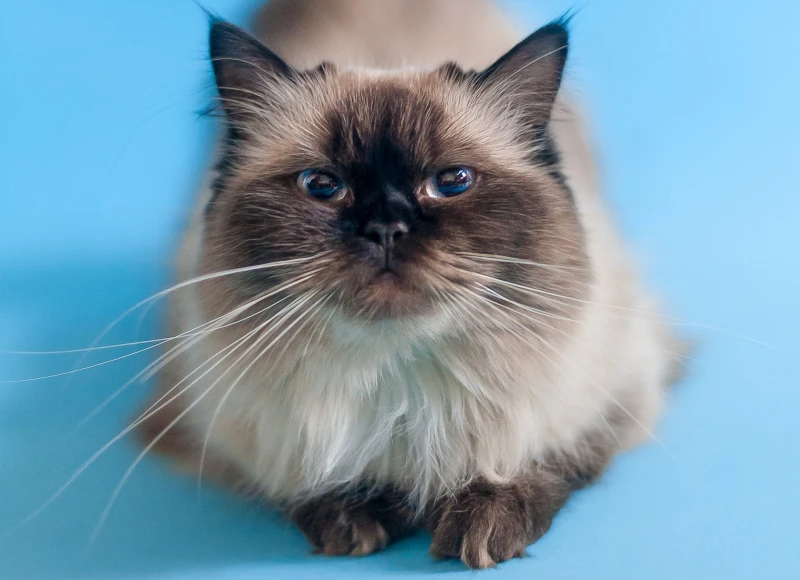
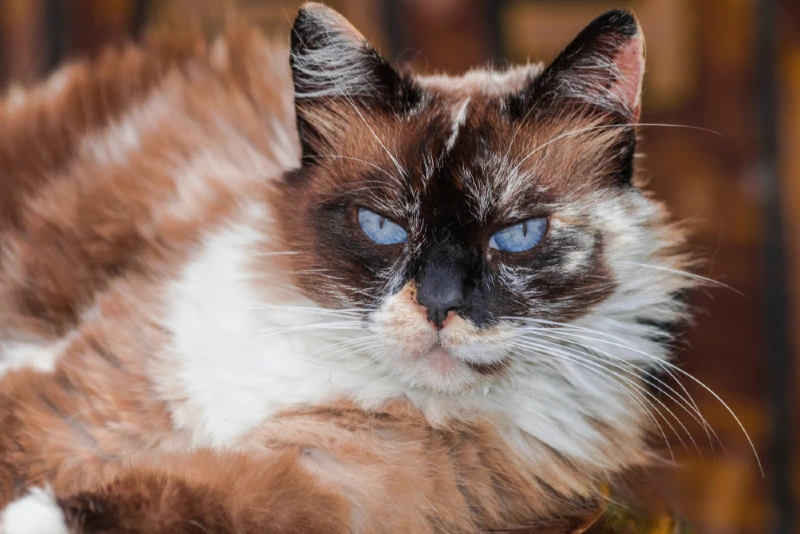
Ragdolls come in many different colorations and patterns. All Ragdolls are pointed in one of six point colors, including blue, seal, chocolate, lilac, red, and cream. In addition, they can be found in bi-color, van, mitted, and colorpoint patterns. Some associations, like the Ragdoll Fanciers Club International (RFCI), recognize additional patterns like the lynx and tortie points.

4. Ragdolls Are Quiet Cats
Unlike the super vocal Siamese or Burmese kitties they are sometimes mistaken for, Ragdolls are generally a quiet cat breed. This makes them fantastic companions for people who live with roommates or in apartment buildings.
Unfortunately, their quiet nature can also work against them. While other breeds may be vocal when they’re in pain or distress, your Ragdoll might keep quiet, making it difficult to tell if it’s in pain or hurting.
5. Ragdolls Are Very Outgoing
Don’t confuse quiet with shy, however. Ragdolls are a very sociable breed with trusting and friendly personalities. While these are typically positive personality traits, you must be careful if you let your kitty venture outside. Your Ragdoll won’t be opposed to sauntering up to a stranger and asking for pets. We recommend keeping your cat indoors so they don’t get into trouble or keeping them close and on a harness if you must adventure outside with them.

6. Ragdolls Are One of the Largest Cat Breeds
Not only are Ragdolls super fluffy with their beautiful luxurious coats, but under all that fur, they’re extra big, too. They are one of the largest domestic cat breeds, reaching up to 20 pounds or more once they hit adulthood. They are typically around nine to 11 inches in height and 17 to 21 inches in length (not including their fluffy tails). Most domestic cat breeds average approximately nine inches high and 18 inches long and weigh between nine and 11 pounds.
7. Ragdolls Are “Puppy Cats”
Ragdolls are not only a beautiful breed to own but are highly entertaining, too. If you’re a cat person but have always wondered what it would be like to have a dog, you need to get a Ragdoll. They often display behavioral tendencies akin to young domestic dogs and are often considered “puppy cats” because of these behaviors.
Ragdolls often seek physical affection from their owners and follow them around the house. They love playing fetch and will carry their favorite toys around the house. They’re known for their placid, easygoing, and incredibly trusting nature. But, of course, these personality traits can get them into trouble if exposed to other animals or people who wish to harm them.

8. Ragdolls Live a Long Time
Ragdolls have above-average lifespans, with most healthy cats living between 15 to 20 years. This lifespan only applies to indoor cats. Outdoor cats can be exposed to a variety of life-threatening diseases and environmental threats like predators and cars. Most domestic cats will live between 10 and 15 years, so you’ll have a few extra years with your kitty if you adopt a Ragdoll.
9. The Longest Living Janus Cat Was a Ragdoll
Named for the Roman god Janus, traditionally portrayed as having two faces, a Janus cat is a kitty born with craniofacial duplication, or, simply put, two faces. This very rare congenital disorder occurs when parts or all of the face are duplicated. Janus cats are exceedingly rare and generally don’t live very long due to their deformity.
In 1999, a Ragdoll Janus cat was born in Massachusetts and became somewhat of a hot commodity. As most animals born with craniofacial duplication, the kitten was not expected to live beyond a few days. Frank and Louie beat all the odds, however, and lived to be 15 years old.
10. Ragdolls Grow Very Slowly
While most cats are fully grown by their first birthday, Ragdolls grow in spurts. From the day they’re born until they’re around six weeks, Ragdolls grow like most other large cat breeds. Growth starts to taper off by the time they hit six months, but there may be occasional growth spurts as they do not reach their final weight until they’re around four.
11. Ragdolls Love Water
Domestic cats’ aversion to water is one of their most well-known characteristics. They will go to great lengths to avoid becoming wet. They spend a good portion of their day grooming themselves, so they don’t need to be bathed like dogs. They find wet fur very uncomfortable, and since it takes such a long time to dry, it weighs them down, making them less agile. While it’s unlikely that any predators are lurking in your home, waiting for your kitty to be weighed down by wetness, your kitty instinctively knows that reduced nimbleness and agility could make them an easy target.
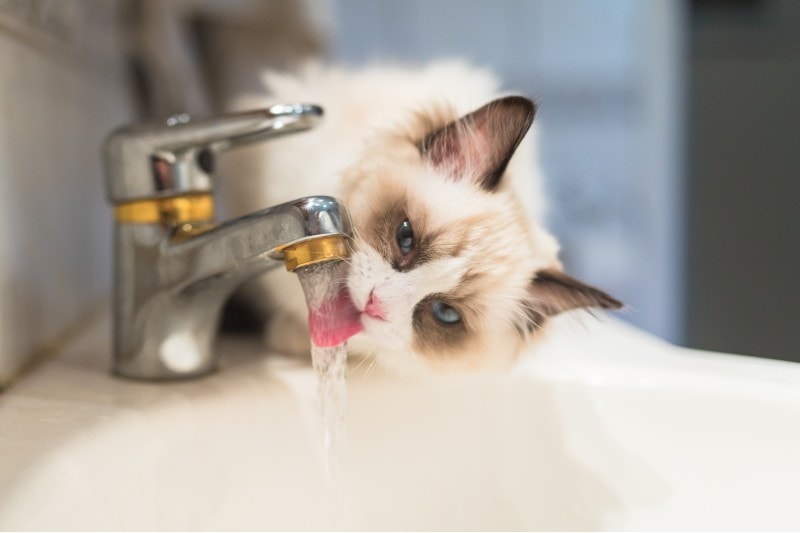
Nonetheless, some cats are enchanted by water, and the Ragdoll is one of them. Your kitty will likely come running when it hears a tap running or when the shower turns on. If you leave the lid up, it might even play in the toilet water. Like its domestic cat relatives, your Ragdoll may not like being fully immersed in water, but some certainly do!
12. Ragdolls Have a Color-Changing Coat
Ragdolls are born with all-white fur. As they age, some parts of their coat will become colored and patterned. A genetic mutation is present in most Ragdolls, making their final coloration dependent on their body temperature.
The fur tends to be darker in color in the areas of the cat’s body that experience lower body temperatures, such as the extremities and ear edges. Conversely, the fur color will be lighter when the body temperature is higher, like the torso.
Conclusion
Ragdolls are one of the most popular cat breeds for a good reason. They are big, beautiful kitties with many wonderful personality traits to offer their humans. And, the best part is, since they live so long, you’ll get to spend many happy years together.
Related Reads:
Sources
Featured Image Credit: Kanashi, Unsplash
Get Hepper In Your Inbox


Pet care tips from our vets and experts, straight to your inbox.
You may opt-out at any time. View our Privacy Policy for more information.

Chantelle's life revolves around two passions: writing and animals. Raised on the prairies of Canada amidst a menagerie of pets, she now lives with five cats, two guinea pigs, and a bearded dragon. Together with her husband and child, Chantelle delights in being an exemplary animal parent, going as far as installing wall-mounted cat shelves to give their cats an indoor playground. When she's not cozying up with her cats or snapping their amusing antics, she enjoys venturing into the Rocky Mountains, binge-watching her favorite Netflix shows, and indulging in spontaneous reading adventures.
Join the conversation
Ask a question, share your story, or send private feedback.