Hepper blog

Search our database of over 9,984 posts with up-to-date information from our experts and veterinarians.

Hepper is reader-supported. When you buy via links on our site, we may earn an affiliate commission at no cost to you. Learn more.

Why Does My Dog's Pee Stink? 5 Vet-Reviewed Reasons

By Cassidy Sutton · Reviewed & fact-checked by Dr. Paola CuevasVet Approved
Dr. Paola Cuevas
Reviewed & Fact-Checked byDr. Paola CuevasMVZ (Veterinarian)
Paola Cuevas is a veterinarian and animal behaviorist, with over 18 years of experience working with a variety of species. Her passion is animal welfare and focuses on the importance of preventive medicine. Paola has skills in the fields of nutrition, microscopy, clinical pathology, diagnostic imaging, and endoscopy as well as extensive experience in animal training through positive reinforcement. As our in-house veterinarian, Paola is very happy to share her knowledge and experience with our readers and hopes to be helpful with any issue presented by your non-human family members.View authorThe information is current and up-to-date in accordance with the latest veterinarian research. Read about our vets
Share
Ask us a question in the comments
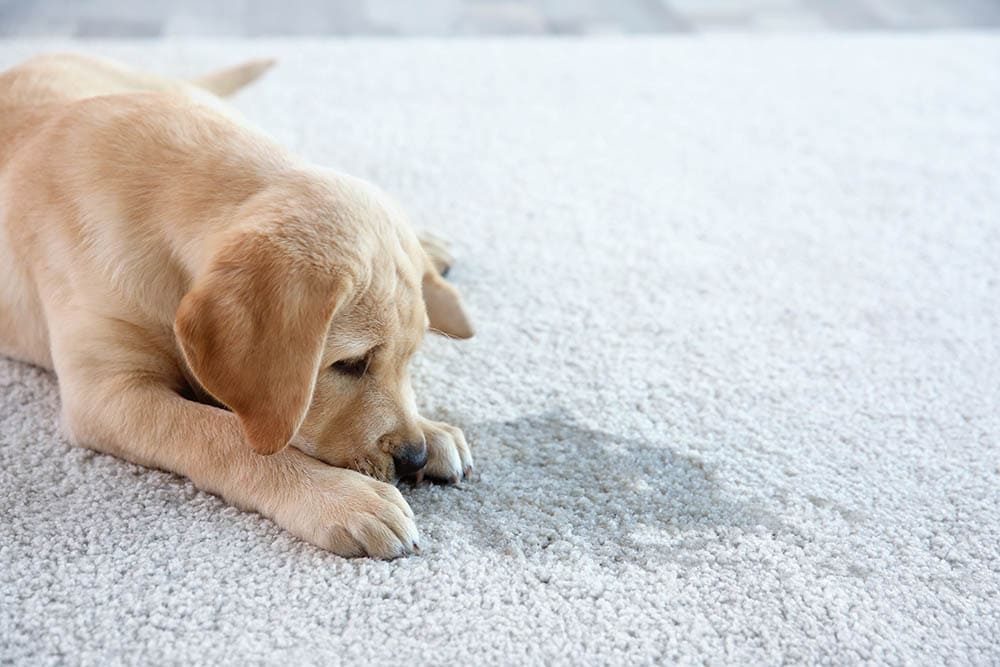
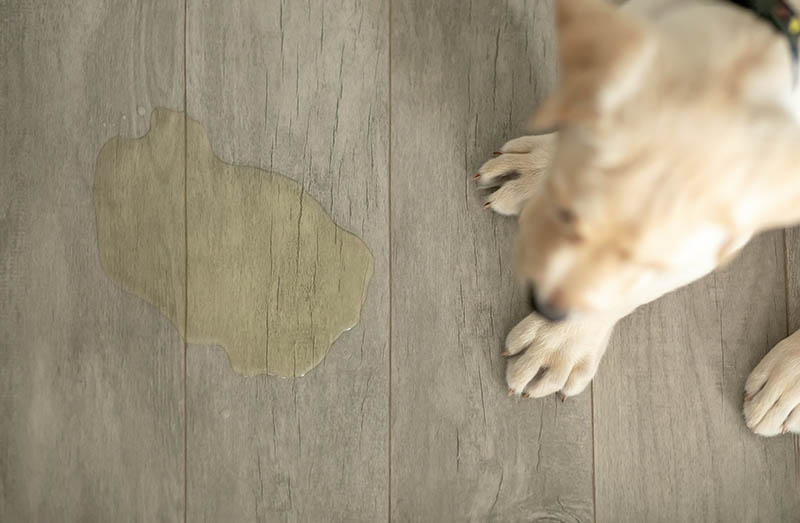
dog lying on its pee spot

As dog owners, we often accompany our dogs while they do their business outside. It is not the best part of pet ownership, but it is a part of the job. Plus, it gives us a chance to check on our pups and ensure everything is coming out okay.

Usually, everything does come out fine. But then there are days when you notice something unusual, like foul-smelling urine. It hits your nostrils and catches you by surprise. It is not like dogs smell like roses, but their urine usually doesn’t smell that bad. So, what’s going on?

There are five possible reasons for this, and we’re discussing each of them in this post. Keep reading to find out more.

The 5 Possible Reasons Why Your Dog's Pee Stinks

1. Urinary Tract Infection (UTI)

The most common reason a dog’s urine stinks is because of a urinary tract infection. Typically, UTIs occur when bacteria travel up the urethra and into the bladder. Once in the bladder, the bacteria reproduce and cause a UTI.

UTIs are common in dogs and cats, but they shouldn’t be left untreated. Typical signs of a UTI include:

  • Frequent urination
  • Blood in urine
  • Pungent urine
  • Crying/howling when urinating
  • Dripping
  • Urinating in the house
  • Frequent licking of genitals

Sometimes dogs develop bladder stones before or during their UTI. This can also cause additional health concerns, including smelly urine.

What to Do:
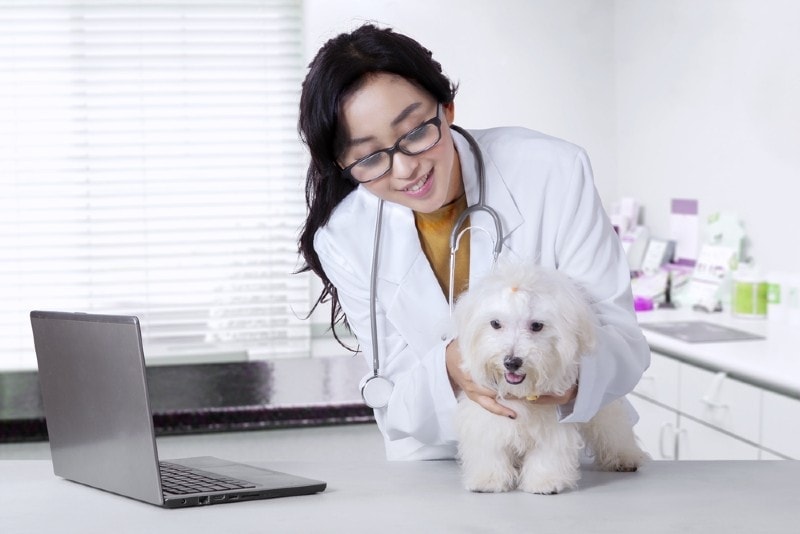
It is time to go to the vet! A urinary tract infection isn’t something to panic over, but it should be evaluated by a veterinarian immediately. Leaving a UTI untreated can cause the condition to worsen, so make an appointment as soon as possible.

Your vet will want to do a urinalysis and some renal blood work. If your dog does have a UTI, treatment will include antibiotics and possibly prescription food, depending on your dog’s needs.

a young vet checking a maltese dog
Image by: Creativa Images, Shutterstock

2. Kidney Disease

The kidneys serve an essential role in the body. They cleanse our blood of toxins and filter those toxins out through our urine. They also regulate levels of essential minerals, like potassium and sodium.

Kidney disease is when the kidneys stop filtering these toxins properly. Many people believe that the kidneys stop producing urine, but this isn’t true. Most dogs with kidney disease produce more urine. The urine is usually more concentrated, producing a foul-smelling aroma.

The clinical signs of kidney disease are as follows:

  • Increased water consumption
  • Pungent urine
  • Frequent urination

As kidney disease progresses, you may notice signs like:

  • Lack of appetite
  • Lethargy
  • Vomiting
  • Diarrhea
  • Depression
  • Foul-smelling breath
  • Mouth ulcers

What to Do:

You may have noticed that the clinical signs of kidney disease are the same as a UTI. For this reason, the steps to diagnosing kidney disease will be roughly the same. Your vet will want to do a urinalysis and some renal blood work. Additional treatment may include an ultrasound of the kidneys and prescription food.


3. Anal Glands

Anal glands are the two sacs located inside a dog’s rectum. They produce fluid that helps lubricate stool and a scent that allows other dogs to recognize them. Sometimes owners mistake their dog’s anal gland leakage for fishy-smelling urine.

Anal glands should express themselves, which may be why your dog smells bad. But many dogs need their anal glands expressed by a veterinary professional. Usually, dogs scoot their butts across floors when their anal glands cause itchiness. They may also lick their rears often.

What to Do:

If you notice your dog scooting and licking their rear, they probably need their anal glands expressed. A veterinary technician will usually do an anal gland expression on your dog unless you have other concerns that require a doctor's exam.


4. Medication

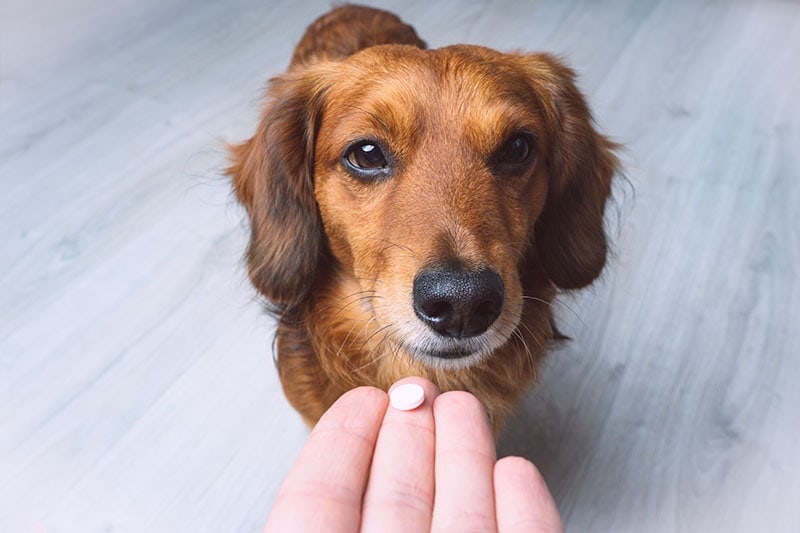
Owner giving medicine in a pill to his dog
Image by: Creative Cat Studio, Shutterstock

Your dog’s urine may be pungent because of medications. Non-steroidal anti-inflammatory drugs (NSAIDs) are pain control substances prescribed for many animals. Blood work is required or strongly encouraged when giving NSAIDs to your pet. The results of NSAIDs can pose serious side effects, especially on the kidneys, so it’s critical to monitor your pet’s health when given these kinds of drugs.

What to Do:

You should have a client information sheet if your pet is on NSAIDs. This will help you stay informed about drug use and side effects.

Call your veterinarian if you believe your dog is experiencing a side effect from the new medicine. Usually, pungent urine isn’t an emergency, but you can always call your preferred emergency animal hospital and explain your dog’s symptoms if you’re concerned.


5. Diabetes

Unfortunately, diabetes is a growing problem with pets in the US. Diabetes is a condition where the body can’t use glucose, the main source of energy in the body. Dogs as young as 4 to 5 years old may start showing pre-diabetic symptoms, but they’re often not diagnosed until they’re between 7 and 10 years old. Taking your dog in for regular checkups is the best way to catch these symptoms early and start treating them as soon as possible.

Diabetic animals are more likely to develop secondary health problems, like UTIs and kidney disease. Even though diabetes may not be the primary cause of your dog’s smelly urine, it can certainly be a factor.

Signs of diabetes in dogs can include:

  • Increased water intake
  • Increased urination
  • Lack of appetite
  • Cloudy eyes
  • Chronic infections

What to Do:

Your veterinarian needs to test your dog’s blood sugar and run blood work to confirm diabetes. Your veterinarian may also want to test your dog’s urine for sugar. If your dog tests positive for diabetes, a low-carb diet or insulin treatment will be prescribed.

How to Clean Dog Urine from Any Floor

Your dog may be urinating more frequently if they are experiencing any of the above medical issues. If that’s the case, you’ll want to be ready for any potty accidents in the house. Here are some supplies to keep on hand just in case:

  • Potty pads
  • Baking soda
  • Liquid dish soap
  • Vinegar
  • Odor remover
  • Paper towels
  • Mop and bucket
  • Dog diapers

To cleanse your floor of stinky dog urine:

  • Dab the area with a paper towel to remove excess moisture.
  • Mix a cleaning solution of 2 cups of cold water, 1 tablespoon of liquid dish soap, and 1 tablespoon of white vinegar. Make sure you use a liquid dish soap that doesn’t contain bleach so you don’t stain your floor.
  • After cleaning the stain, apply baking soda and let it sit for 10 minutes. Vacuum the baking soda afterward if you’re treating carpeting. For an extra cleanse, use an enzymatic spray.

Our favorite enzyme cleaner for eliminating pet smells and stains is our very own Hepper Advanced Bio-Enzyme Pet Stain & Odor Eliminator Spray.  It makes clean-up a breeze because it permanently removes even the very worst smells and stains (urine, feces, vomit, you name it!) from basically any surface you can imagine. 

Our recommendation
Hepper Advanced Bio-Enzyme Pet Stain & Odor Eliminator Spray
  • ADVANCED ENZYMATIC CLEANER - Penetrates the most stubborn smells and stains at the deepest molecular levels to dissolve any pet mess you encounter and lift it away at the source.
  • FOR ANY MESS, ON ANY SURFACE - This pet odor eliminator cleans your carpets, floors, furniture, fabrics, and more. Whether it's urine, feces, vomit, or drool, you can erase all foul spots and smells!
  • FRESH, NATURAL ODOR - Our unique formulation doesn't rely on dangerous or unpleasant chemical fragrances to get the job done. We eradicate smells and stains, not just cover them up.

Conclusion

Now you know some of the main reasons why your dog’s urine smells funky. We understand the frustration of dealing with medical concerns with your pet. It is a lot to take in and always happens when you least expect it.

Just know that foul-smelling urine isn’t normal and justifies a visit with your veterinarian. The good news is that you caught it instead of leaving it be. All you have to do now is pick up the phone and schedule an appointment for your pooch!

Sources

Featured Image Credit: Africa Studio, Shutterstock

Get Hepper In Your Inbox

Pet care tips from our vets and experts, straight to your inbox.

List

Select all that apply.

You may opt-out at any time. View our Privacy Policy for more information.

Cassidy Sutton
Authored by

Cassidy Sutton

Join the conversation

Ask a question, share your story, or send private feedback.
Rate this post
Required to post. Only our editors see your rating.
Who should see this?

A human reviews every comment before it appears. Your email is never published.

Picked to go with this article

How To Get Rid of Fishy Smell From a Dog: 7 Vet-Approved Expert Tips

How To Get Rid of Fishy Smell From a Dog: 7 Vet-Approved Expert Tips

We love our dogs, but sometimes they absolutely stink! Of course, occasional bad smells are part of pet ownership, but the distinctive fishy aroma that sometim…

Beth Crane
By Beth Crane ·
Why Does My Dog Pee So Much? 11 Vet-Reviewed Reasons

Why Does My Dog Pee So Much? 11 Vet-Reviewed Reasons

Dogs of all ages can develop issues when they pee. These issues usually present themselves as peeing too often or struggling to urinate at all. If your dog has…

Nicole Cosgrove
By Nicole Cosgrove ·
Dog Peeing a Lot: When to Worry & What to Do (Vet Answer)

Dog Peeing a Lot: When to Worry & What to Do (Vet Answer)

If you have recently noticed that your dog is peeing more than usual, either because they are asking to be let out more often or because you have noticed an in…

Dr. Paola Cuevas
By Dr. Paola Cuevas ·
My Dog Smells Bad All of a Sudden: Vet-Verified Signs, Causes & Remedies

My Dog Smells Bad All of a Sudden: Vet-Verified Signs, Causes & Remedies

While it's normal for dogs to have a distinctive scent, if your dog's regular fragrance suddenly becomes intense, you may wonder if you should be concerned and…

Lorre Luther
By Lorre Luther ·

Keep reading

More stories you might like

How To Get Urine Scent Out of Dog Fur (8 Potential Methods)

Most dogs quickly learn to alert their owners when they need to go outside, but minor accidents are bound to occur. Whether you have a puppy or an adult canine…

Nicole Cosgrove
By Nicole Cosgrove ·
How To Get Urine Scent Out of Dog Fur (8 Potential Methods)

Stinky Dog Face: Vet Reviewed Signs, Causes & How to Help

When a dog licks your face, that’s the ultimate sign of affection. It’s like a gentle kiss from the fur baby! However, no matter how much you love receiving th…

Nicole Cosgrove
By Nicole Cosgrove ·
Stinky Dog Face: Vet Reviewed Signs, Causes & How to Help

Dog Urine Color Chart: Is Your Pup Hydrated? Vet Approved Facts & Advice

There are certain health issues you can identify in your dog by their behaviors, mannerisms, or by their bathroom visits. Due to the high amount of water that…

Krystal Facey
By Krystal Facey ·
Dog Urine Color Chart: Is Your Pup Hydrated? Vet Approved Facts & Advice

Why Do Dogs Smell Bad When Wet? 10 Vet-Reviewed Reasons & What to Do

It's no secret that dogs can have a distinct smell, especially when they're wet. You may have noticed this smell after giving your dog a bath, taking them for…

Nicole Cosgrove
By Nicole Cosgrove ·
Why Do Dogs Smell Bad When Wet? 10 Vet-Reviewed Reasons & What to Do

Why Does My Dog Smell Like Metal? 7 Vet Reviewed Reasons

Dogs can emit rather interesting odors, but a metallic smell can be worrisome, particularly if you haven’t smelled it on your dog before. One of the first thin…

Kathryn Copeland
By Kathryn Copeland ·
Why Does My Dog Smell Like Metal? 7 Vet Reviewed Reasons

How to Neutralize Dog Urine Odors: 5 Proven Methods

If you have a dog, they will eventually have an accident on the floor. This is true no matter their age or level of obedience. Even the most well trained dog w…

Kristin Hitchcock
By Kristin Hitchcock ·
How to Neutralize Dog Urine Odors: 5 Proven Methods

I Found Blood in My Dog's Urine: Vet Approved Steps & Causes

If you notice blood in your dog’s urine, it could be indicative of a major problem that needs to be addressed. Seeing bloody urine can be alarming. What could…

Grant Piper
By Grant Piper ·
I Found Blood in My Dog's Urine: Vet Approved Steps & Causes

How Much Do Pugs Smell? Everything You Need to Know

Pugs are cute dogs with goofy characters and small wrinkly features. They're delightful and feisty in their movements but live up to their lap-dog moniker, whi…

Nicole Cosgrove
By Nicole Cosgrove ·
How Much Do Pugs Smell? Everything You Need to Know