Hepper is reader-supported. When you buy via links on our site, we may earn an affiliate commission at no cost to you. Learn more.
Why Does My Dog Stare at Me? 8 Vet-Verified Reasons For This Behavior


In this article
Have you ever turned a corner and met your dog’s eyes? He or she sits there staring at you intently. You’re left wondering what could be going on in their minds. This is normal behavior with dogs, and they can sometimes do this even while eating.
But what causes such behavior? Why do dogs spend so much time staring at their owners?

Understanding Why Dogs Stare At You
A stare is an intense look that focuses on eye-to-eye contact. Usually, the eyes are wide open and carry an almost expressionless look. Both human beings and animals stare to relay particular messages.
For human beings, staring at one another can be a form of communication, and it also increases hormones associated with bonding. The same applies to dogs. When you notice your canine friends staring at you, they may be trying to communicate or bond with you.
Typically, the dog stares when trying to decipher what you’re saying, doing, or when they want something from you, or to project curiosity, playfulness, or affection towards you.

The 8 Possible Reasons Why Your Dog Stares at You
1. Expressing Confusion Staring
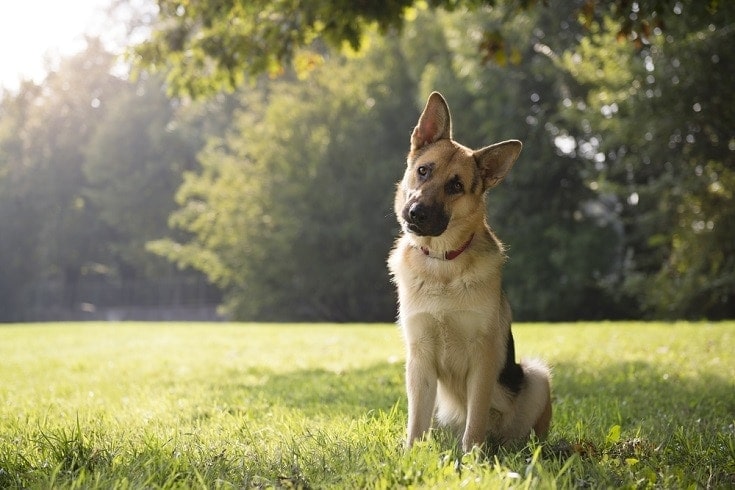
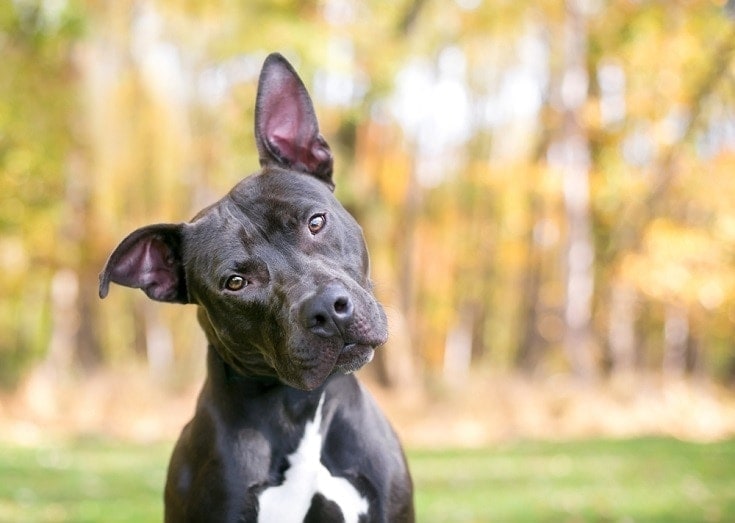
Even animals get confused, so expect the same from your dog, especially in unfamiliar places. Usually, one way a dog lets you know it has no clue what to do is tilt their head to the side while staring at you. It’s not an aggressive stare but a soft one that lets you know they need clarification.
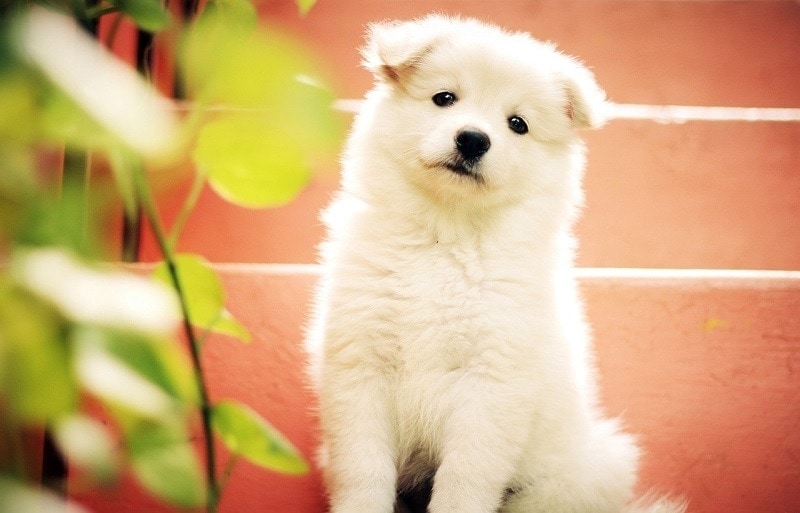
Perhaps you asked the dog to do something, and it didn’t budge. Instead, it tilts its head to the side while looking at you. Please take this opportunity to reassure them. It’s best to find another way to pass on the message for your dog to understand and act accordingly.
However, always avoid reprimanding because this only adds fuel to the fire. Not only is the dog confused, but now it has become fearful. Instead, see it as a chance to instill some more training and perhaps find a new way to communicate and improve on behavior.
2. Aggressiveness Staring
Never approach a dog that stares directly at you while standing perfectly still with ears pointing upwards, especially an unfamiliar one. This posture can be a sign of aggression or heightened alertness. Avoid returning a hard stare, as this may escalate the situation.
A hard stare may be a warning to stay away, and it happens when the dog is near unfamiliar people or dogs or in a frightening situation, where they see no way out. They may not act the same way with you, but calmly walk away and give the dog time to settle and cool down before approaching again.
Always be on the lookout for this behavior because it can save you from a dangerous situation. Also, if you notice your dog is uncomfortable around other dogs or people, it’s better to avoid contact and seek help from a certified behaviorist.
3. Seeking Affection and Attention
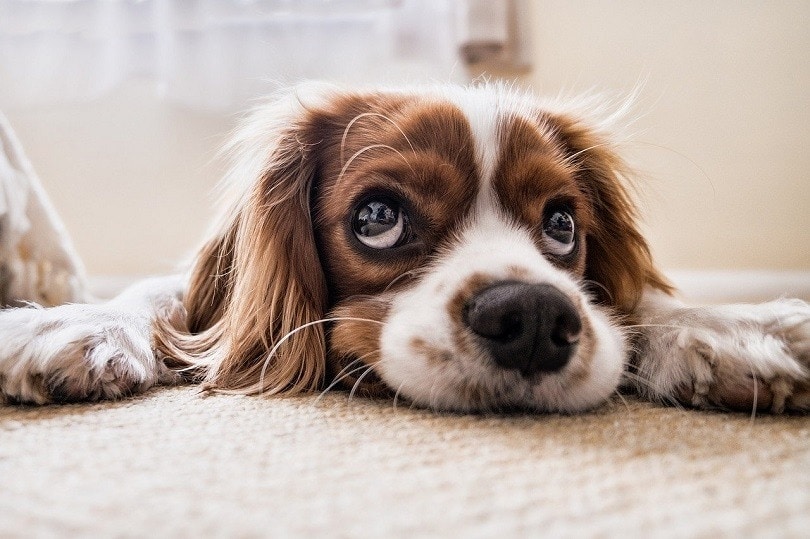
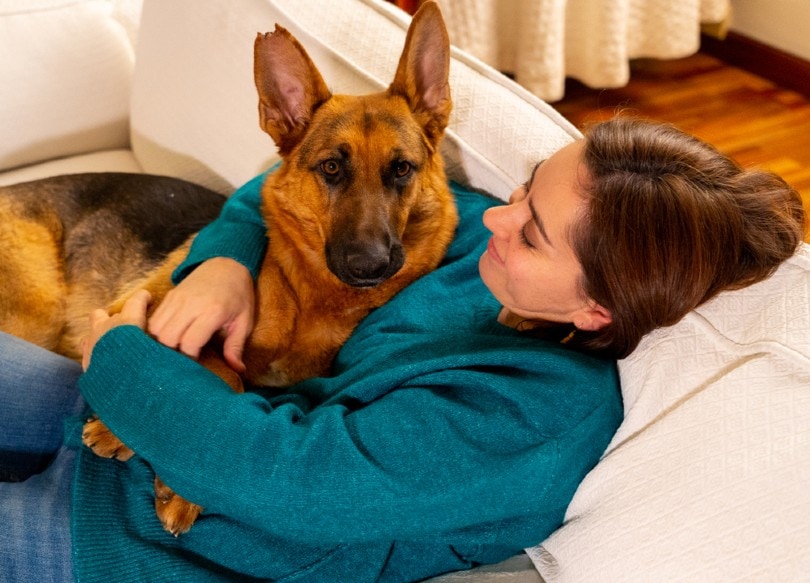
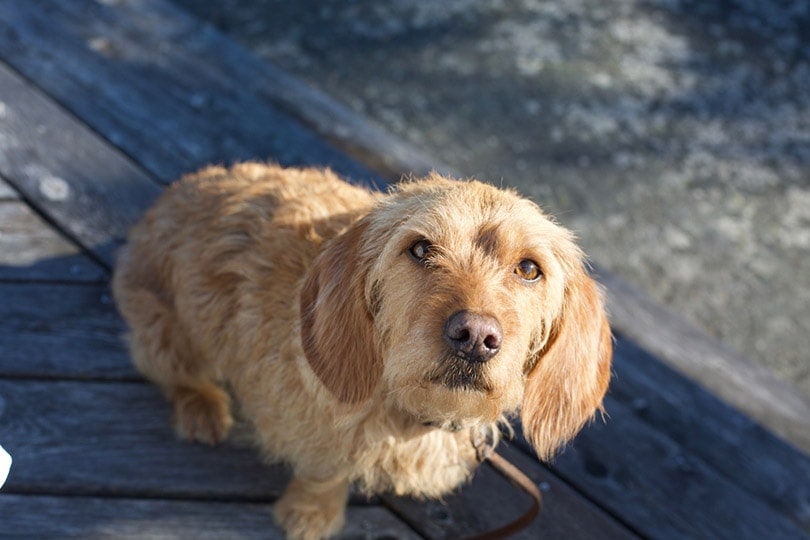
As many canine lovers refer to them, Puppy eyes are when the dog stares at you with longing eyes. You can’t help but be drawn in by the stare.
Dogs can sense when you’re distracted and often have longing eyes when they want your attention. They move closer and even lay their heads on your lap. The intent is to encourage you to start petting them. If you don’t respond, they move closer and may even whine a little or nudge you with their paw or nuzzle.
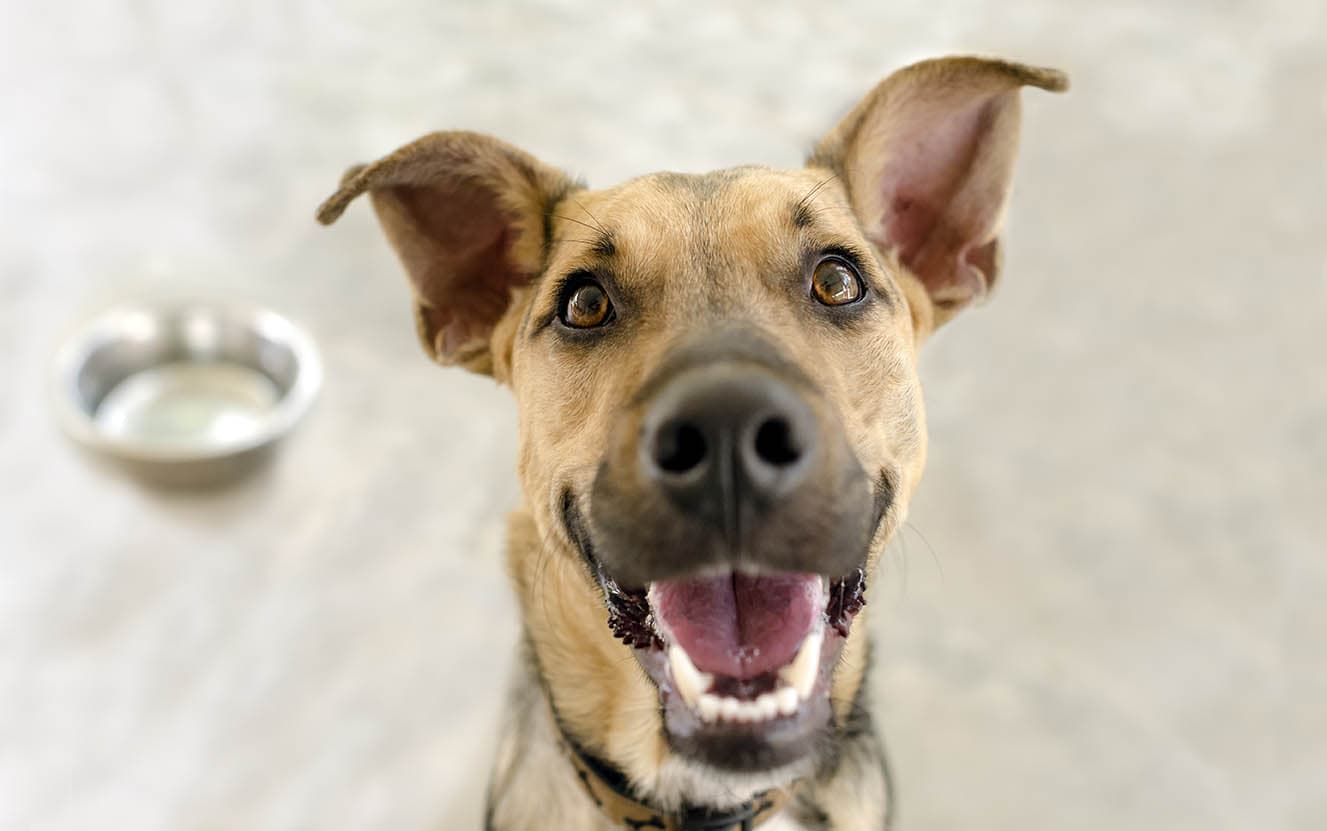
A dog seeks attention and affection when they don't have much else to do around the house. So it might be time to put them on their leash and go for a walk. Also, you can choose to pet them, which may reinforce the behavior.
Therefore, take time to give them some love and attention, as well as sufficient physical exercise and mental stimulation. However, it might not be the best idea to act on this each time because you might never get anything done around the house.
4. You Have Something the Dog Wants
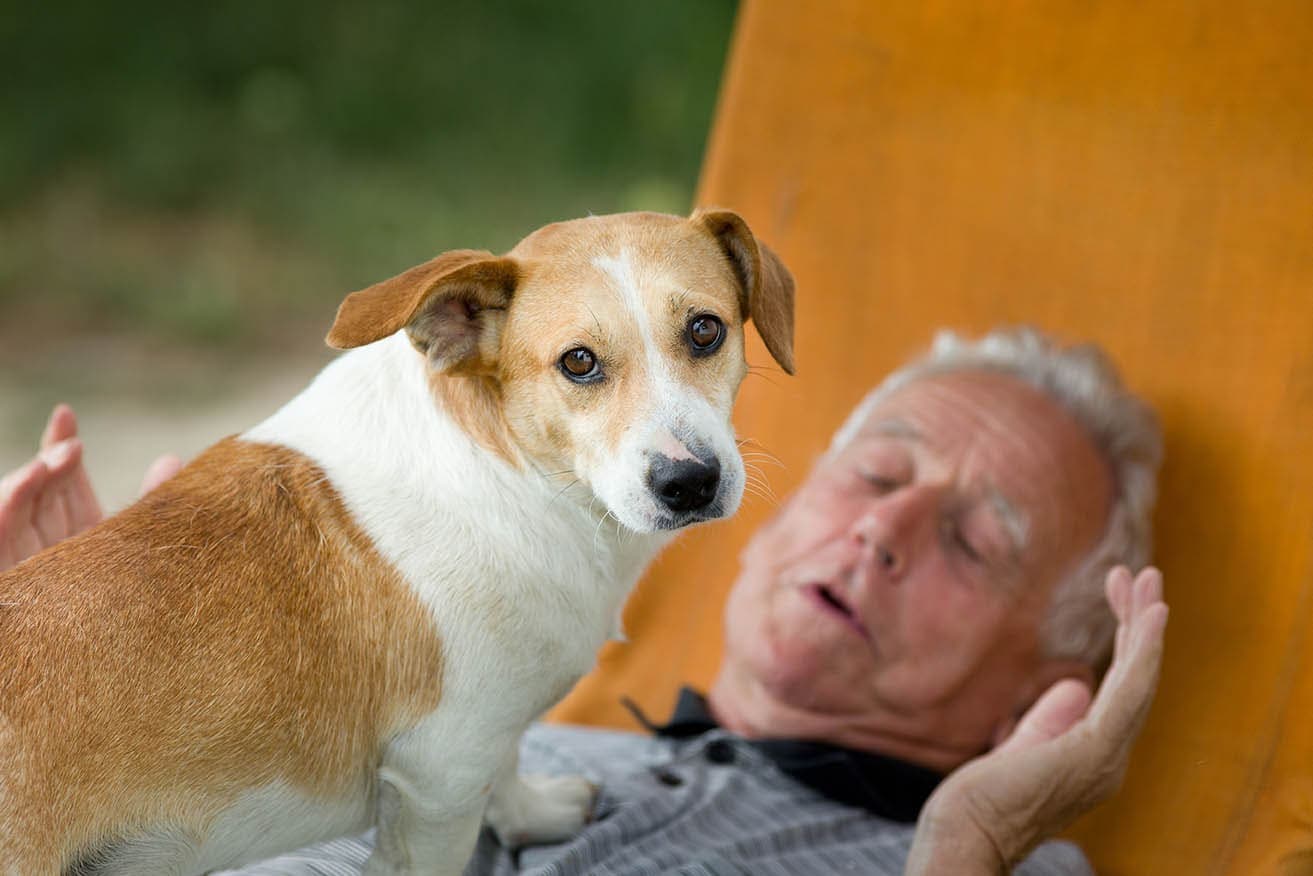
Are you eating some food or holding a toy that the dog wants? When you catch them staring at you with soulful eyes, check around to see what they want. At times, it’s not about affection or attention. It’s about something that you have that they want.
For instance, if you’re in the kitchen near some snacks, a dog can come in and stare at you. As you approach the shelf with the snack, they get closer, hoping you get some for them. Some dogs go further and nudge you in the right direction, then look into your eyes to see if you understand.
While it’s an excellent way for them to communicate what they want, it might not be a good behavior to cultivate.
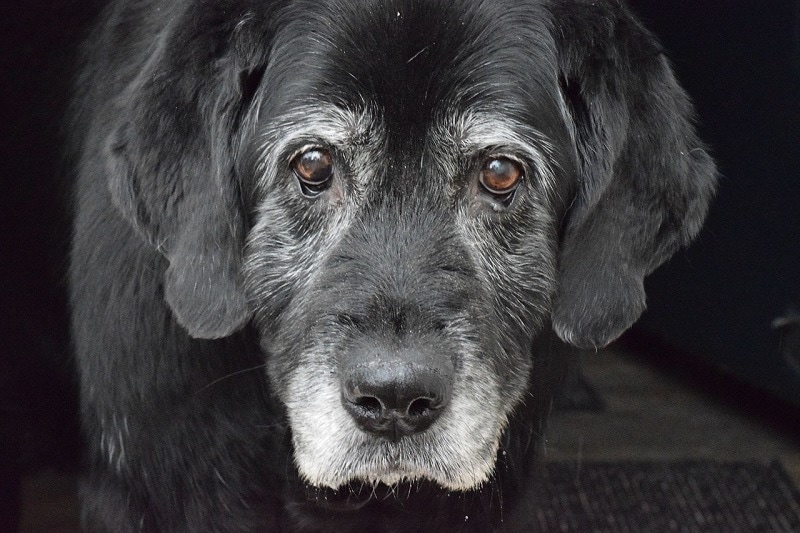
5. The Onset of CDS (Cognitive Dysfunction Syndrome)
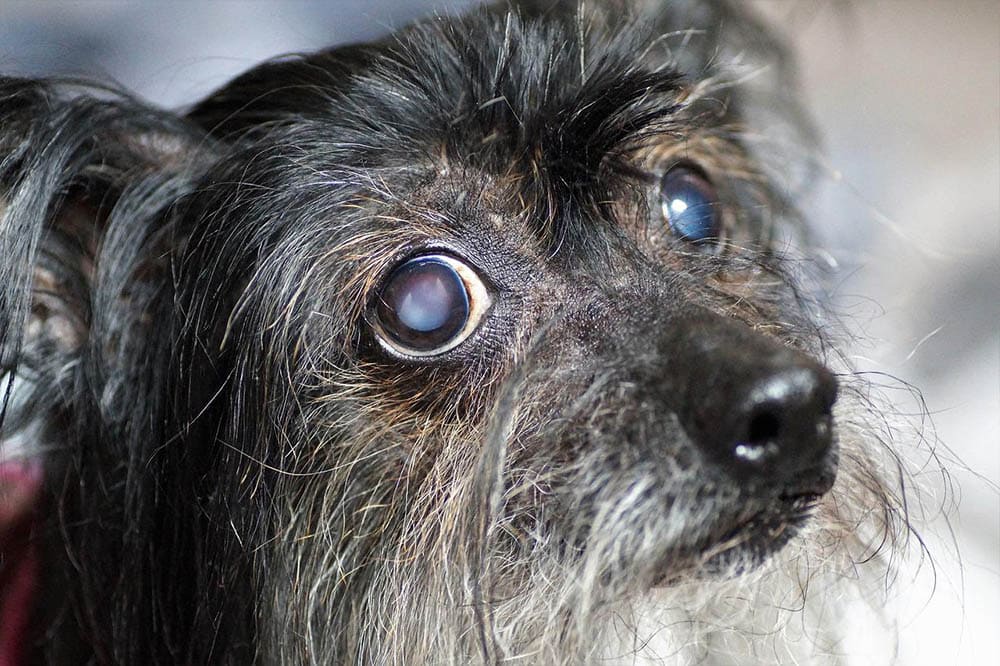
As a dog gets older, watch out for specific ailments brought on by advancing age. One is CDS, when dogs may appear confused, stare blankly, fail to follow commands, or move about seeming lost.
If you notice such behavior, ensure you take the dog to the vet immediately. They may start having issues with poor sleeping patterns that can affect your household routines. The vet can prescribe medication to help them deal with the condition and support their cognitive functions, plus particular exercises and mental stimulation to help them gain a bit of balance and improve their quality of life.
6. Staring to Read the Room
When you spend lots of time with your dog, they learn to read your body language. That is why you find them staring at you, then acting accordingly. For instance, when you get home and take off your shoes, your dog can bring you a toy. Some dogs have been trained by their owners to even fetch them their slippers.
Such behavior takes time to foster and is often born of repeating an action and doing consistent training. If you open the door in the morning, some dogs are trained to run out to take the paper or parcel. They can often tell by your body language and time of day what you’re about to do. So they participate because they want to be part of the action.
It’s the same behavior that makes guard dogs effective at their work. If your dog notices your body language is tense, they get ready to alert and scout the perimeter and look for a potential threat, be it another dog or an intruder breaking into your home. Untrained pet dogs can detect tension, too, but usually respond in less formal ways.
7. Wants Some Exercise
Have you ever caught your dog staring at you with their leash in their mouth? That’s a polite way of saying it’s time to go outside. The dog needs regular physical exercise and an opportunity to relieve themselves after being cooped up in the house all day.
If you try to ignore them, they get closer, bump into you, or may even start whining loudly. Often this happens when the dog senses it’s time for the daily walk or if they are desperate for the toilet.
8. Expressing Affection
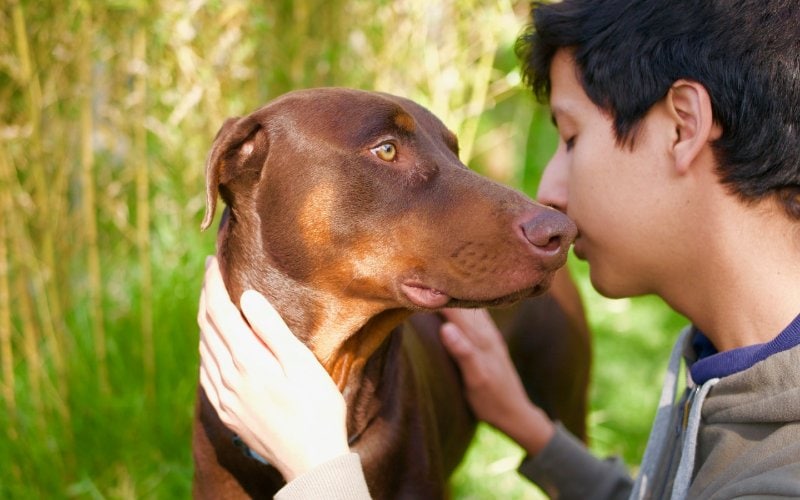
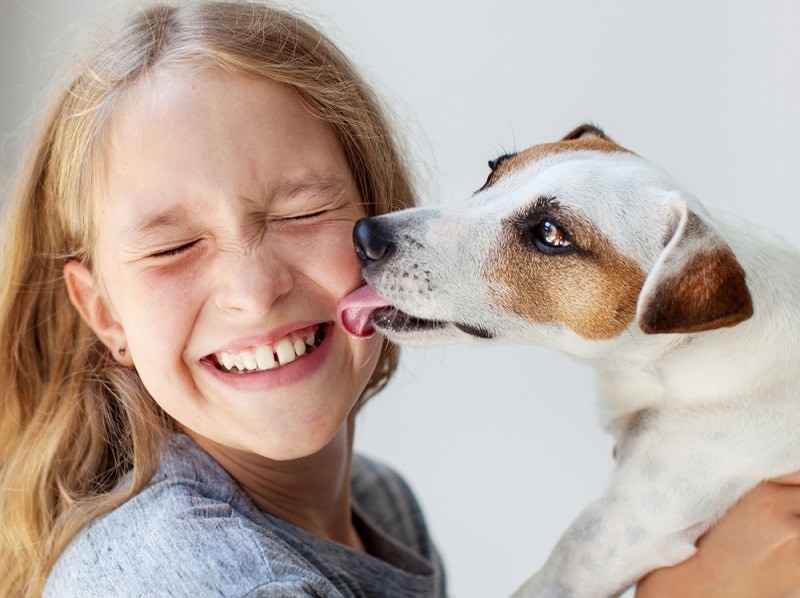
A warm stare from your pet can be a good thing. It’s how they show you their affection and that they enjoy your company. Since the dog can’t communicate with words, they do so with an affectionate look and body language. It’s easy to confuse the stare with needing something.
But you realize that it only lasts a short while, and the dog is off to do something else. They just wanted to make eye contact with you for comfort and reassurance from their favorite human.

What to Do If You Don't Want a Dog To Stare at You
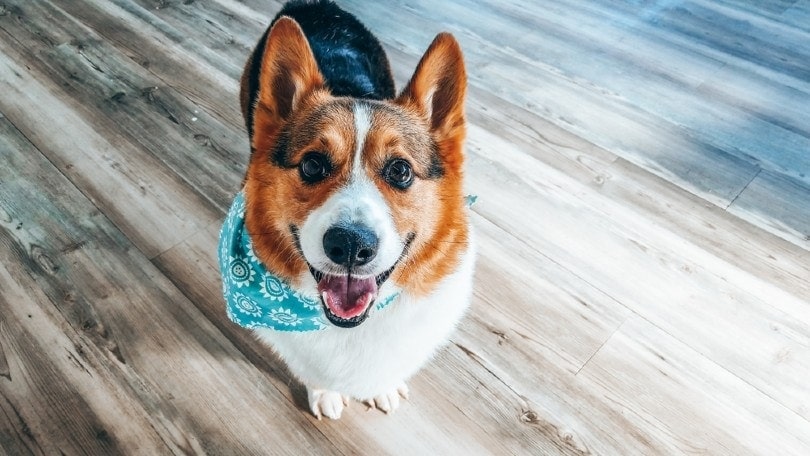
It’s not possible to make your dog stop staring at you 100%. But you can learn to read their gaze and act accordingly. For instance, if the dog wants attention, decide if it’s the right time to give it to them or not. If you can pet them and play with them, well, but if you’re working, be firm when giving your pet direction and make it clear what you expect of them, without sending mixed signals.
Often, it’s not productive to give in to their every need and desire. That will affect their training and behavior. For example, if a dog learns that a longing stare gets them a treat, they’ll never stop pulling at your heartstrings. Consistently giving in to every longing stare will inevitably reinforce undesired behaviors, like begging or demanding treats.
Therefore, the right thing to do is to remain firm in your communication with them. But, be careful when reading the context of the stare. If it’s fear or aggression, learn to step back calmly and allow the dog to cool off. Also, if they get aggressive around unfamiliar dogs, try to avoid such interactions completely and seek advice from a behaviourist.

Conclusion: Why Does My Dog Stare At Me
As a pet owner, learning what different dog stares mean can help you understand one another better. Therefore, you need to pay attention and know how to respond to each stare.
Nevertheless, a stare is how the dog communicates, alongside their body language. They may use it to express affection, seek attention, demand something from you, like food or toys, or it may be a sign of confusion in older dogs. The best thing to do is always pay attention.
See Also:
Featured Image: Mary Swift, Shutterstock
Get Hepper In Your Inbox


Pet care tips from our vets and experts, straight to your inbox.
You may opt-out at any time. View our Privacy Policy for more information.
Nicole is a lover of animals of all sizes but is especially fascinated with the feline variety. She’s the proud mom of Baby, a Burmese, and works every day so he can relax in the sunshine or by the fire. She’s always had a cat in her home and has spent countless days with others, observing behaviors and softening up even the grouchiest of the lot. Nicole wants to share her kitty expertise with you so you and your cat can live happy, healthy, and care-free.
Join the conversation
Ask a question, share your story, or send private feedback.