





Dealing with pet excrement is a challenge every pet owner has to live with. Cat owners have to deal with preparing and cleaning their cat’s litter boxes. You may think that cats typically bury their poop in the litter, but sometimes, you might find your cat leaving them out in the open.
Here are 10 possible reasons why your cat is not burying their poop!

The 10 Reasons Your Cat Won’t Cover Their Poop
1. Territorial Communication
The feline world has a very unique way of communicating with each other. Cats may leave feces uncovered as a form of olfactory communication, particularly when they feel threatened or are attempting to signal confidence or status. In domestic environments, uncovered stool is more often related to litter box factors or stress rather than true territorial marking.
This reason is sometimes observed in multi-cat households, where social tension or resource competition may influence litter box behavior.

2. They Never Learned How
Burying poop is generally a partly instinctive behavior that can be shaped among cats. By observation from their mother or fellow house cats, they learn to properly poop in the litter box and cover it.
Some cats, such as rescue cats that used to live on the streets, may not have had consistent early litter box experience. Lone cats also need to learn where to poop, so cats who aren’t housebroken yet may leave their droppings outside of the litter box.
3. They Don’t Like the Litter
Believe it or not, cats can be choosy with their things. They have their own personalities as well as very strong preferences. Cat litter comes in different types. Sometimes, your cat might not be burying their droppings because they simply don’t like the type and texture, particle size, or feel of the litter being used.
Cats generally prefer fine-grained, unscented litter that mimics sand or soil.

4. The Litterbox May Be Too Small
The size of the litter box is a huge factor when it comes to your cat’s potty arrangements. They have to be big enough for them to comfortably move around and settle when they do their business. If the litter box is too small, your cat may leave droppings uncovered because adequate digging posture is physically restricted, especially in large or overweight cats. A helpful rule is a box at least 1.5 times your cat’s length from their nose to the base of their tail.
5. They Dislike the Odor
In addition to the different types of cat litter available, cat litter can come in scented versions to mask the odor of your cat’s excrement. Although generally safe, your cat may be overwhelmed by the fragrance in the litter with their sensitive sense of smell. This may cause litter box aversion, which can result in your cat leaving their poop exposed or simply pooping away from the box entirely.

6. The Litter Box is Dirty
Another testament to a cat’s personality is their way of letting you know it’s time to clean the litter box. If the litter box is dirty and hasn’t been cleaned in a while, they may find the space uncomfortable to dig in due to the clumping, odor, uneven surfaces, and the build-up of poop (even if it’s their own!). This is also a way of showing you that it’s time to clean their space!
7. Stress and Anxiety
Cats are creatures of habit. Any big change in their routine or environment can stress your cat out and cause them to be anxious. To cope, cats may exhibit changes in behavior, including excessive marking of territory. An anxious cat may leave their poop and pee exposed and leave their droppings in places around the house that they don’t normally go potty.
Stressors may include new pets, household changes, conflict with other cats, or lack of environmental enrichment.

8. A Medical Issue
Cats experiencing pain and discomfort may not go through the trouble of burying their poop due to musculoskeletal pain, arthritis, neurologic disease, gastrointestinal discomfort, or paw sensitivity.
Conditions affecting the paws (such as wounds, infections, or nail pain), as well as mobility-limiting diseases, may make digging uncomfortable.
Any sudden change in litter box behavior warrants veterinary evaluation.
9. Age
As cats get older, they naturally go through changes, and you might notice that their bodies aren’t as flexible as they were before. Aging cats may experience mobility issues and joint pain, so you can expect your older cat to stop burying their poop. Senior cats may benefit from lower-sided boxes, softer litter, and easier access.

10. Individual Preference
As burying of poop is a learned behavior, there are some cats that may choose not to cover their poop.
While most cats do bury stool, it is important to note that not all cats are the same and to understand that our cats have personalities and preferences of their own, which may include their inclination toward burying their poop or not.

Tips to Get Your Cat to Cover Their Poop
If you’ve identified why your cat is leaving their poop exposed in the litter box, then here are some ways to get them to start covering their poop.
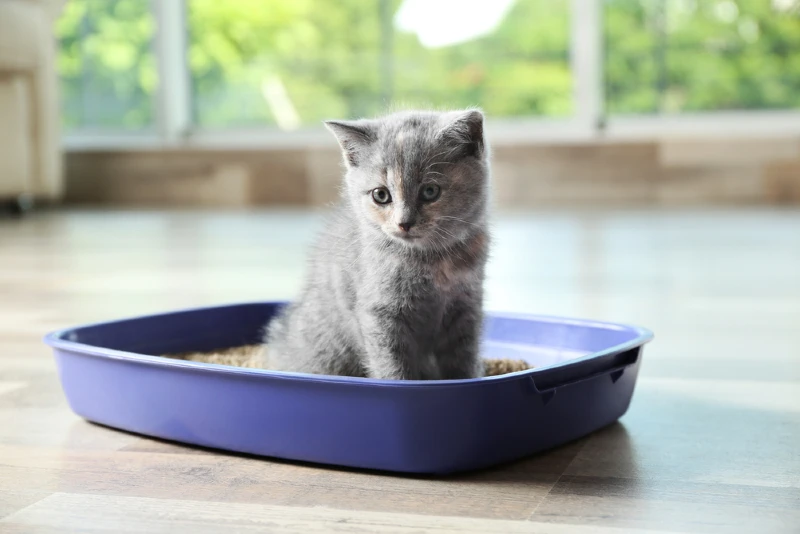
Teach and Train Them
Again, cats burying their droppings is a learned behavior. This is much easier for multi-cat households with opportunities to learn through modeling, but single-cat households may need training, along with a different teaching approach.
When doing their business, you can stay nearby and keep the environment calm to help them feel safe. Giving treats and verbal praises is a good way to encourage the behavior after they leave the box.
Figure Out Your Cat’s Litter Preference
This may be tricky, especially through trial and error. But if your cat reacts negatively toward a specific scent, texture, or type of litter, it is best to choose a different one. Aside from the cat litter, remember to choose a litter box that is big enough for your cat to move and be comfortable within.

Reduce Stress in the Environment
If you have a stressed-out kitty, the priority is to calm them down and provide reassurance. The best way to reduce a cat’s stress is by spending time with them through play and exercise to keep them stimulated and engaged while providing reassurance.
Changes in the environment and routine are common causes for anxiety in cats. For most households, this may be unavoidable. If your household is going through a change, such as furniture rearrangements or renovations, try to provide a safe space to allow them to rest and also place their litter box. Slowly breaking them into a new routine can also help calm them down.
Increase Number of Litter Boxes Around the House
If you have a multi-cat household and your cat (or multiple cats) is leaving their poop exposed, then you might have to balance this power play by adding more litter boxes around the house.
As a safe bet, it’s best to have one litter box for each cat, plus an extra, and place them in different areas of the home. This helps reduce stress and the likelihood of fighting over territory. Cats are territorial creatures that value their personal space, so as cat parents, we should give it to them!

Veterinarian Consult
If you suspect that your cat is showing signs of pain, discomfort, illness, or severe changes in behavior, it’s best to seek consultation with a veterinarian. Observe and note any signs to report to your veterinarian for them to provide the proper recommendations and medical advice.
 Final Thoughts
It’s well-known that cats have unusual and strange behaviors. Burying of poop is a learned behavior that most cats acquire through modeling and training—but sometimes, cats choose not to cover their droppings.
We, as cat parents, should also understand that not all cats are the same and each of them has their own preferences and personalities. It is important to identify why they aren’t covering their droppings before we can find a way to keep our houses smelling fresh and clean!
Featured Image Credit: Mikhail Olykainen, Shutterstock