Hepper is reader-supported. When you buy via links on our site, we may earn an affiliate commission at no cost to you. Learn more.
Litter for Declawed Cats: Vet-Approved Facts & Safety Guide


In this article
Although declawing is banned in many countries around the world, there are states in the United States where the practice is sadly still legal. Due to this, there is a possibility that the cat you adopt from your local shelter may have already been declawed. In most cases, declawing a cat is done for the convenience of humans because it prevents them or their furniture from being scratched, but it can leave the cat in pain, at risk for infection, and highly sensitive to rough surfaces under their paws.
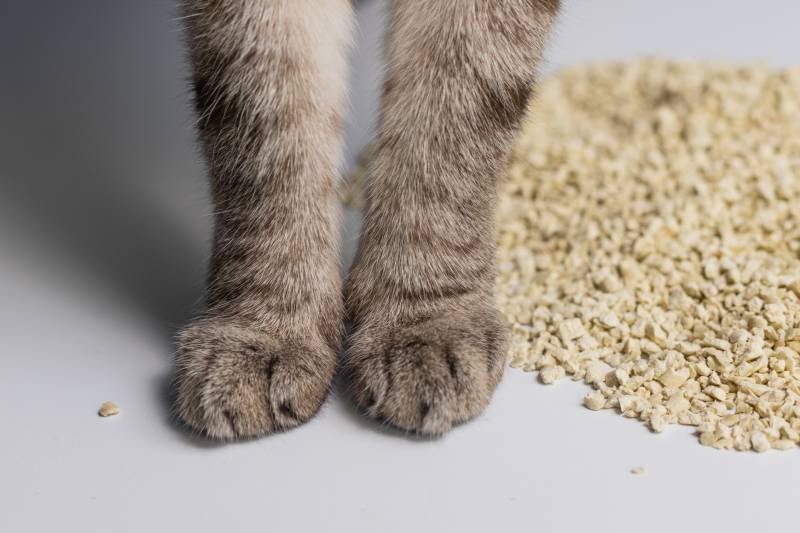
Declawed cats can suffer when they use litter boxes because the act of digging can be painful. That pain may be further exacerbated by the texture of the litter and cleaning the litter particles from their toes. Therefore, declawed cats should have a different type of litter that is extra soft and gentle on their feet.
Note: We do not in any way recommend declawing a cat—for any reason. This article contains information solely aimed at helping those who already own a declawed cat.

What Is Declawing?
If you’ve adopted a cat without claws, it’s important to know what they’ve been through to understand the pain they might be experiencing and know how to best care for them. Declawing is more than removing the claws from a cat’s paws—it also involves the amputation of the last bone on each toe. The bone is removed with the claw because the two are attached.
A cat’s claws have a variety of functions, including protection, climbing, and hunting. The procedure of declawing a cat changes the way a cat walks, and can leave them in lifelong pain, even if they don’t show signs of it. Declawed cats are no longer able to climb or dig without difficulty and, therefore, will struggle to potty in the soil outside or in traditional cat litter.
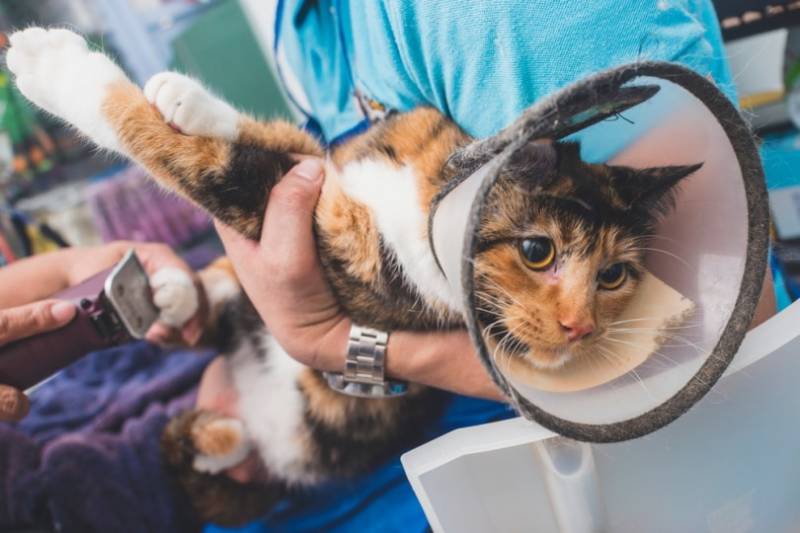
What Type of Cat Litter Do Declawed Cats Need?
For the first 2 weeks after the declawing surgery, a cat will be required to use specific litter made from newspaper to avoid infection. However, some cats continue to need gentle litter after this period due to the discomfort or pain they experience.
If a cat experiences pain every time they use their litter box because of the type of litter used inside, they’ll likely avoid their litter box entirely. Therefore, you need to use the right type of litter for declawed cats to keep them from using other spots.
1. Natural Litter
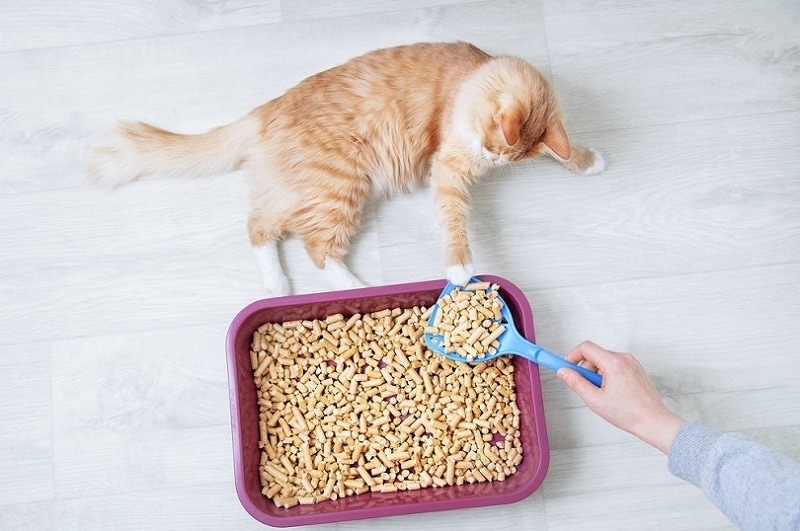
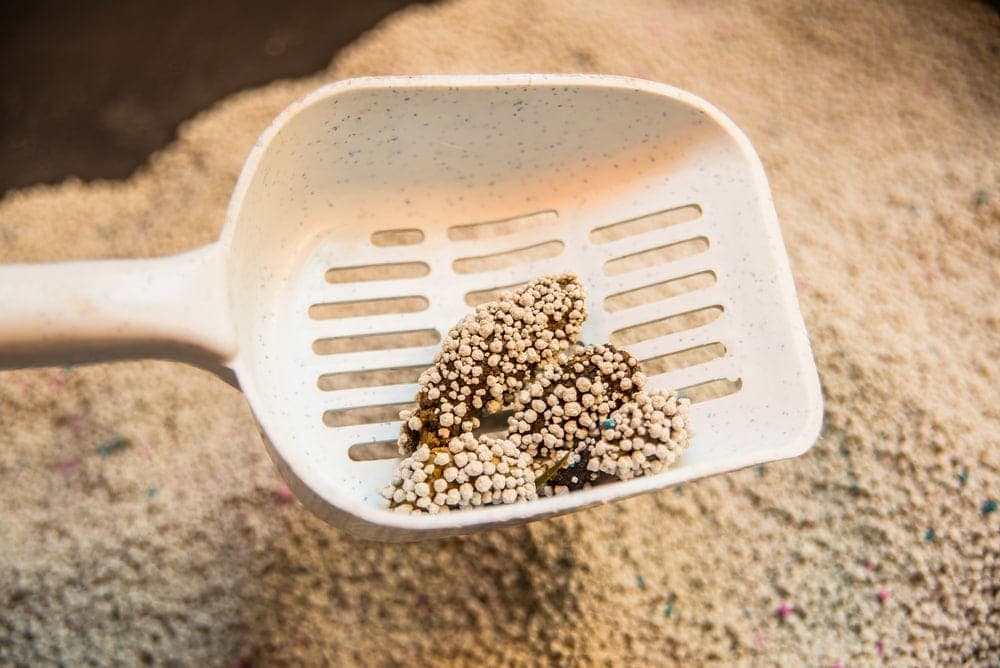
Litter used for declawed cats must be soft, so avoid options with pellets, pebbles, or course materials. Instead, look for lightweight options that have fine grains and use natural ingredients, such as Frisco Natural Unscented Clumping Grass Cat Litter. It is unscented and is low in dust, which should keep your cat’s paws relatively clean after use. It is fast clumping, which allows you to scoop up their mess soon after your cat has used their litter box.
To prevent your cat from needing to dig, use only a small amount of the litter to keep it shallow. You can also create a bare spot in the middle of the litter tray for your cat to step into to potty, which will reduce the amount of time they will need to spend touching the litter.
2. Shredded Newspaper
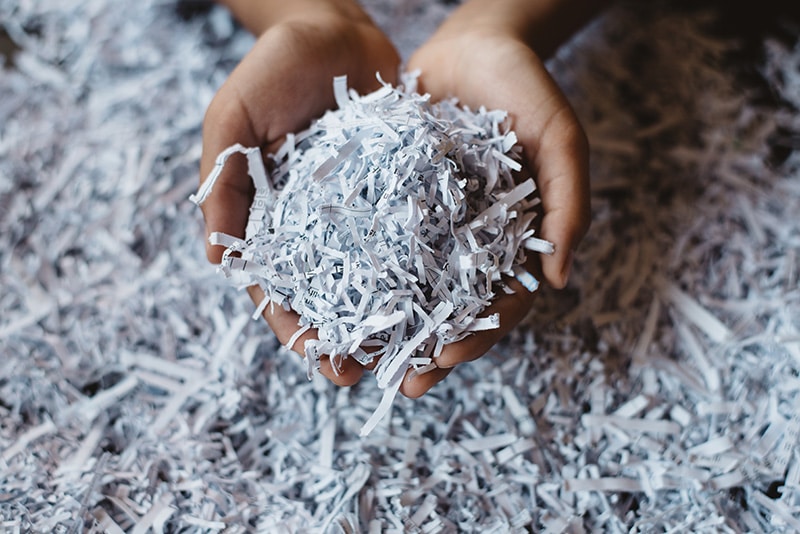
If your cat refuses to use any type of commercial cat litter, you could use shredded newspaper. It is an affordable option, but it won’t be as absorbent as cat litter. Shredded newspaper is gentle on your cat’s paws and is a soft material they can dig in. However, you will need to clean your cat’s litter tray frequently.
3. Old Towels or Pee Pads
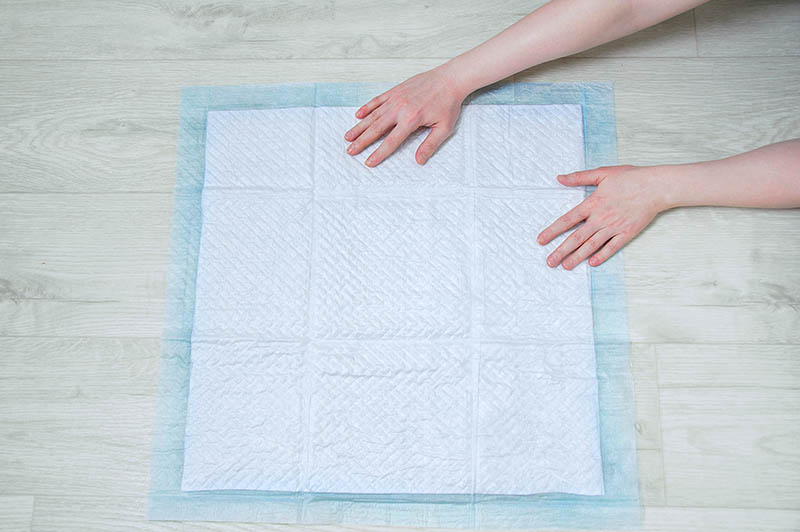
For a reusable option, you could use old towels or large cloths. Layer the cat tray with the soft towel for your cat and change it at least once to twice a day. You will need to wash these towels with an enzymatic detergent to rid them of the urine smell. Opt for an unscented option as they aren’t strong-smelling, and your cat will be more likely to tolerate it.
Washable pee pads may also do the trick and will be cheaper than disposable pee pads over time.

Alternative Methods to Declawing
Declawing is usually considered when a pet repeatedly scratches, rips, or tears a person’s furniture, curtains, carpets, or other household items or when a cat injures the children or other family members in a home through scratching. However, declawing a cat for this behavior is extreme, and alternative methods are recommended.
1. Cat Scratchers
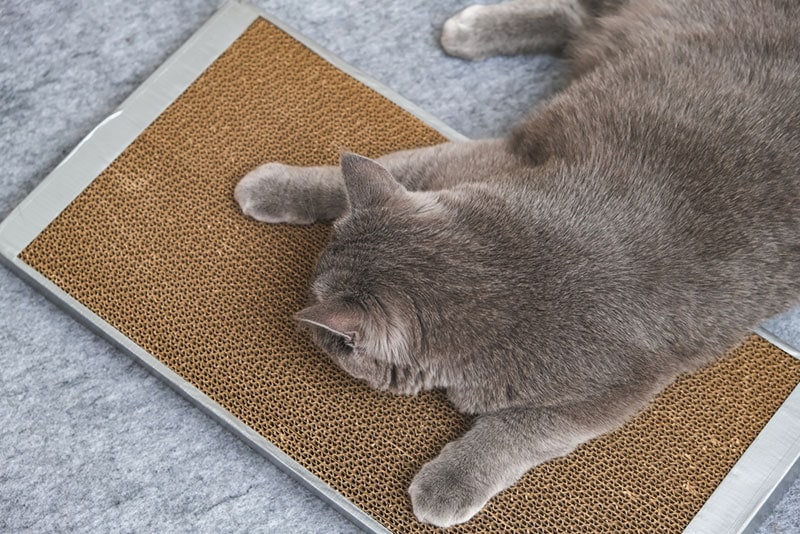
Investing in a cat scratcher or other scratching boards may save your furniture. It may take a bit of training or luring with catnip to get your cat to replace your furniture with these posts, but it’s a much better solution than amputation.
2. Deterrents
Once you have your scratching boards in place, you can set up deterrents around your furniture so that your cat no longer wants to use them to scratch on. You can place aluminum foil on your furniture, as this is an excellent deterrent because cats hate the sound and texture of this material under their paws.
3. Nail Trimming
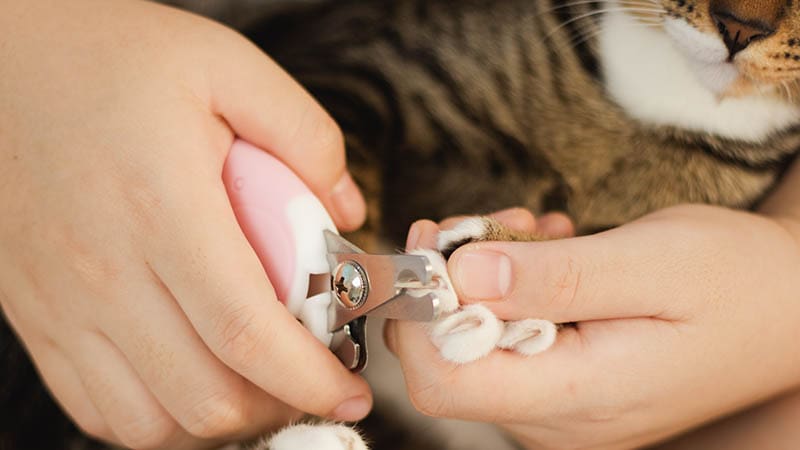
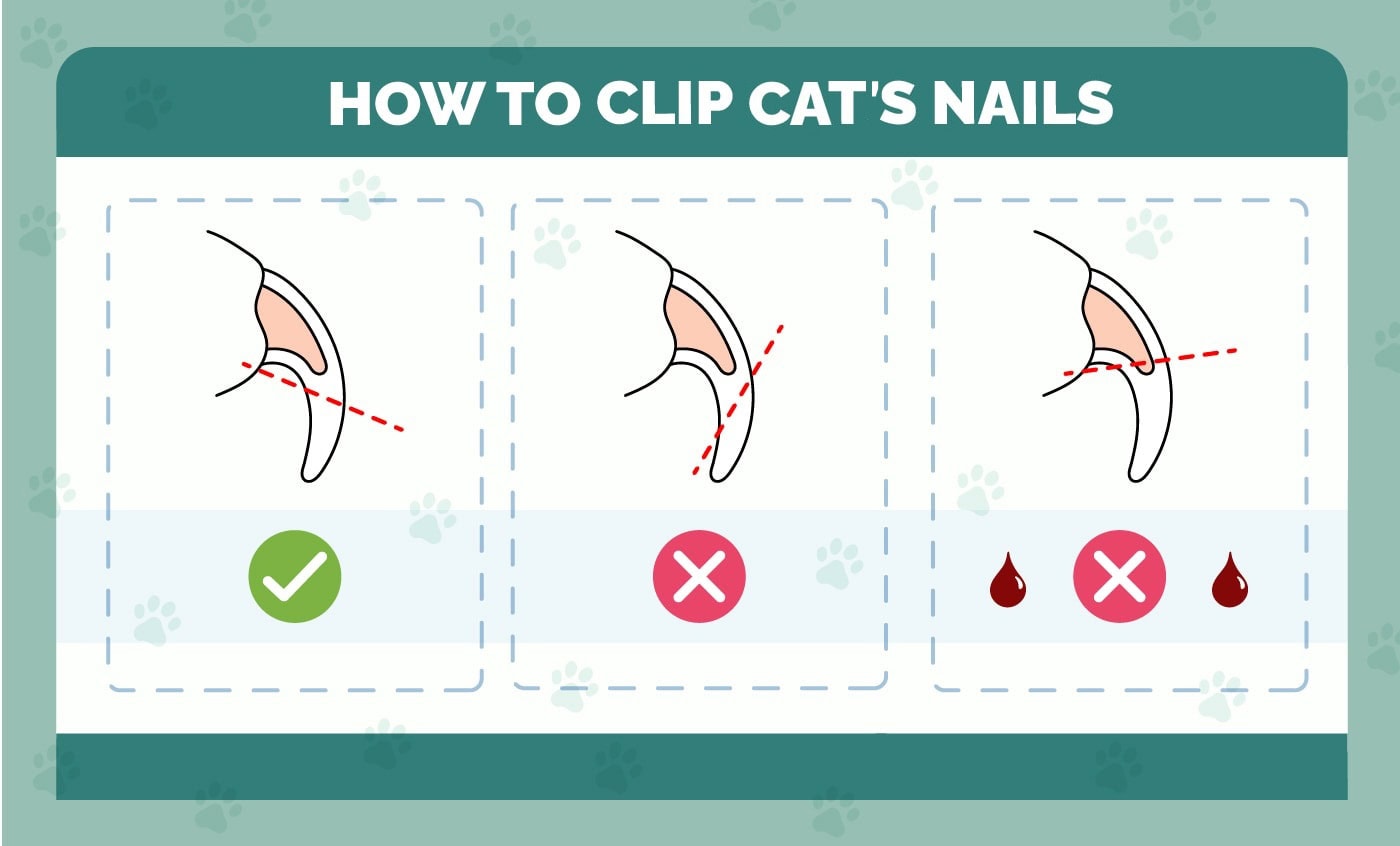
Trimming your cat’s nails or getting a professional groomer to do it is a lot less invasive than declawing a cat—and it is pain-free. You will have to get it done around once a month, but it will help protect your skin from getting scratched.
Summary
A declawed cat can experience pain and discomfort because the procedure changes the way they walk. Therefore, extra-soft litter is necessary to keep these cats comfortable. It can also prevent messes from occurring outside of the litterbox because the wrong litter may keep cats away. You can opt for natural litter that is low in dust and free from hard pellets or pebbles.
Alternatively, you can use shredded newspaper, old towels, or pee pads because these materials are gentle on a cat’s paws.
Sources
Featured Image Credit: Notofoto Studio, Shutterstock
Get Hepper In Your Inbox


Pet care tips from our vets and experts, straight to your inbox.
You may opt-out at any time. View our Privacy Policy for more information.
Keri-Beth is from South Africa and is a freelance writer who specializes in the pet niche. She has grown up with a range of pets, volunteered at countless pet shelters, and is highly passionate about pet care. Currently, Keri-Beth is raising two dogs - Benji, the Golden Cocker Spaniel, and Gracie, the Boerboel. With so much information out there, Keri-Beth has made it her mission to make pet care as easy and straightforward as possible.
In her spare time, Keri-Beth enjoys camping, photography, and spending time with her husband, who is a professional drummer. She not only has a heart for pets but people too.
Join the conversation
Ask a question, share your story, or send private feedback.