Hepper is reader-supported. When you buy via links on our site, we may earn an affiliate commission at no cost to you. Learn more.
Why Is Cat Declawing Illegal in the UK? Vet Approved Facts & FAQ


In this article
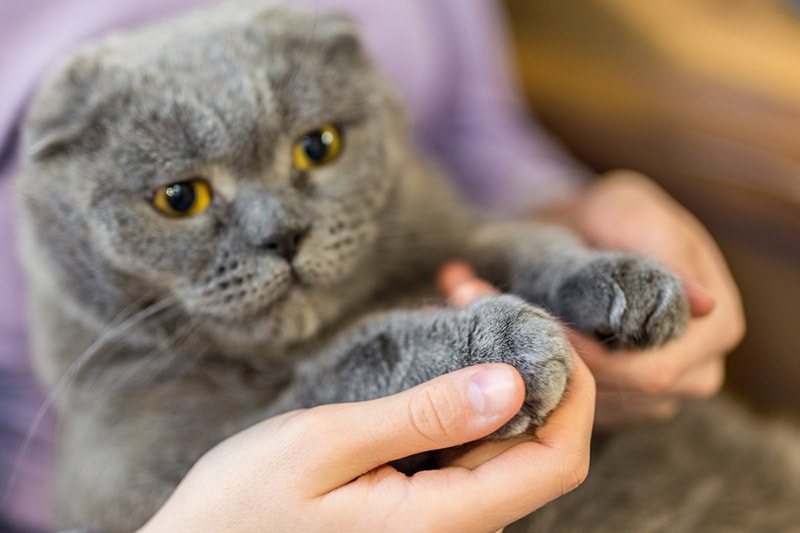
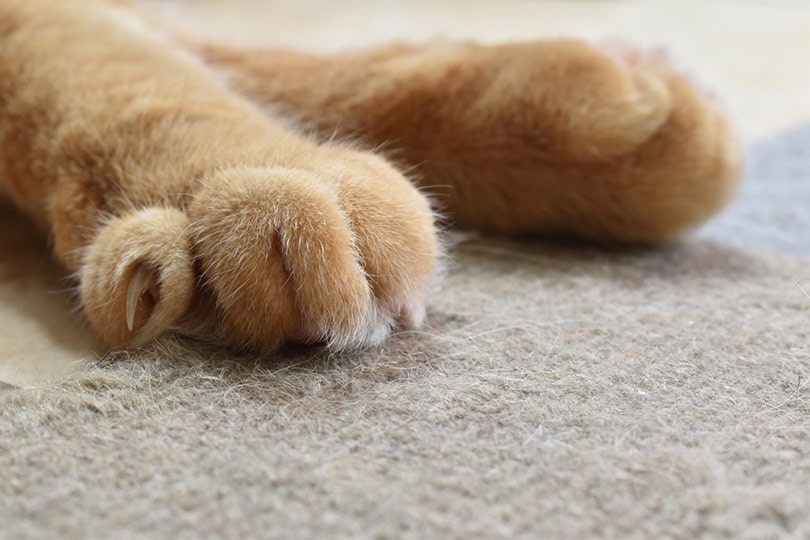
Cat declawing is the surgical removal of a cat’s claws, typically done to prevent the cat from clawing at furniture or scratching people and other animals. It is illegal in over 40 countries around the world, including the UK and much of Europe. Cat declawing is banned because it is a painful procedure that takes months of recovery and can result in physical problems in cats.
If an owner can find somebody willing to perform the procedure, there is a substantial fine for owners, and the vet that performed the process would likely lose their licence and receive a substantial fine.
However, there is an emerging problem with owners buying and importing cats that have already been declawed, and animal charities want to ban the import of declawed cats.

What is Cat Declawing?
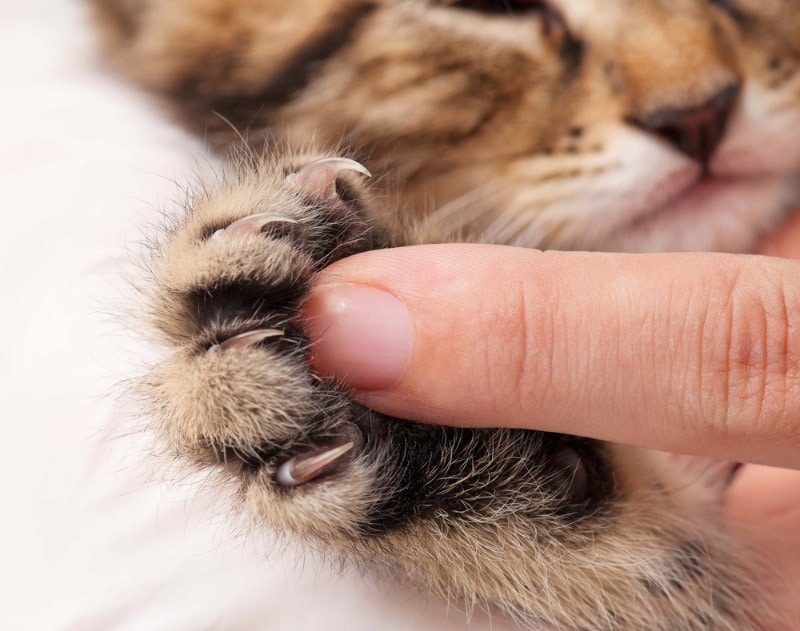
Cat declawing may sound like simply trimming the claws right down, but doing so would mean the claws would grow back. To ensure that the claws don’t regrow, it is necessary to cut away parts of the bone.
The process is considered a major surgery where the whole of each toe is amputated using a scalpel or guillotine-style blade, down to the last knuckle. This prevents the claw from regrowing but it is a painful procedure that takes months of recovery and can leave a cat with lifelong trauma and physical problems. It is widely considered inhumane, which is why the practice has been banned in the UK and some other countries around the world.
The Reasons for Declawing
The main reason that people choose to have a cat declawed is to prevent destructive behaviour. A declawed cat can’t scratch furniture or other items, and they can’t scratch people. It can also prevent cats from fighting other cats.
Cat declawing is an elective procedure in virtually all cases. Where it is deemed medically appropriate, the procedure is not illegal, but this is very rare.
The 8 Main Side Effects of Declawing Cats
Unfortunately, numerous potential side effects arise as a result of the declawing procedure, including:
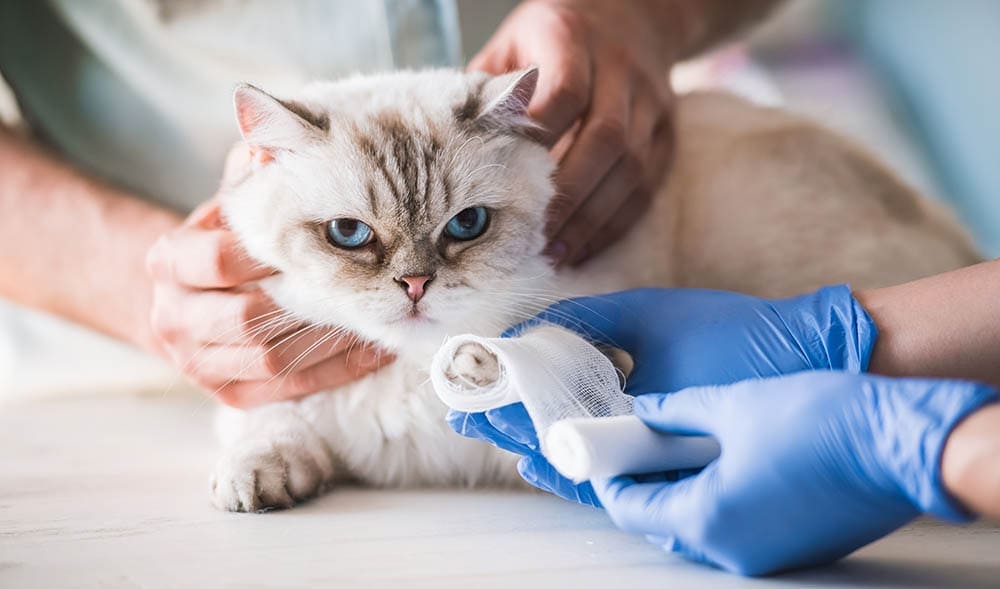
- Surgery Can Go Wrong – The bone must be amputated at exactly the right position. If it is cut either too short or too long or if the surgeon doesn’t close the surgery site properly, it can lead to long-term problems for the cat.
- Infection – There is always a risk of infection following surgery, and this is especially a problem with declawing because the surgery site may come into contact with dirt on the floor or bacteria in cat litter and other areas of the home.
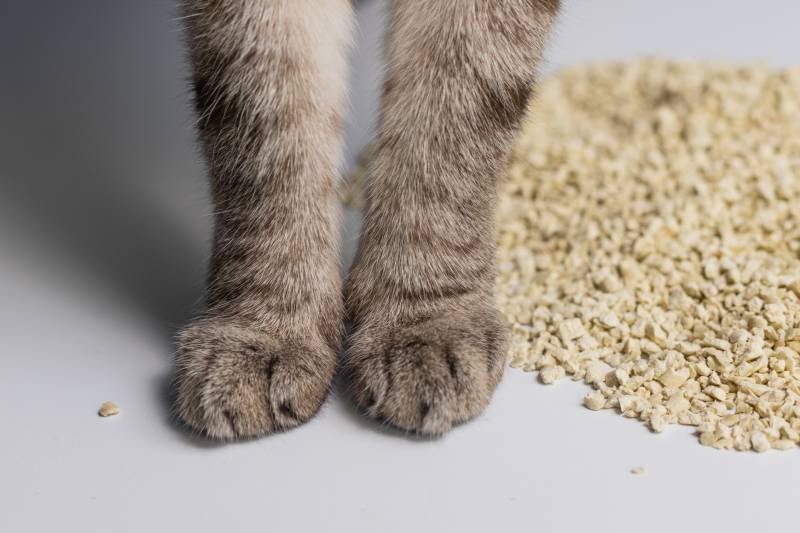
- Inappropriate Litter – The procedure itself is painful and it can take months for a cat’s paws to fully heal. They will feel pain when they stand on sharp objects like cat litter, which can lead some declawed cats to look for alternative places to litter. Even once the wounds heal, the cat might have gotten used to littering in other areas and continue to do so.
- Pain – If any claw tissue remains after the procedure, it can lead to a malformed claw regrowing under the skin. This causes an abscess and may lead to considerable pain when a cat stands on the paw.
- Nerve Damage – Conversely, if the surgeon attempts to remove too much tissue, they can damage the pad next to the claws. This can lead to nerve damage which, again, is very painful for the cat.
- Lameness – As well as long-term pain that can result from the procedure, the damage of tissue can lead to lameness, which means a permanent or temporary change in a cat’s gait. It can restrict movement and limit mobility.
- Back Pain – This changed gait causes a cat to walk differently, putting additional pressure on other areas of the body. One particular area of concern is the back. If a cat puts more pressure on its spine and back muscles, it can lead to long-term back pain.
- It Prevents Natural Behaviour – Scratching is a natural behaviour for cats. They not only do it to maintain claws but to mark territory, hone their hunting skills, and relieve stress. Preventing a cat from scratching is preventing it from performing its natural behaviour and this can lead to stress, anxiety, and emotional problems.
Legal Consequences
Declawing is an elective procedure which means that there is no medical reason for the operation. Putting a cat through turmoil and pain for the benefit of the owner is considered inhumane. As a result, the UK banned cat declawing as part of the Animal Welfare Act 2006.
According to the law, anybody found guilty of having their cat declawed without a medical reason to do so can be fined up to £20,000. The person that performed the declawing can also receive a similar fine and lose their licence to practise if they had one in the first place.
The 3 Alternatives to Declawing
Owners usually have their cats declawed to prevent them from scratching and damaging items around the house. It is seen as a quick fix. Alternative solutions to the problem of destructive scratching include:
- Training – You shouldn’t discourage cats from scratching altogether, but you can train them to scratch in appropriate areas. Buy scratch posts, pads, and other scratch surfaces. Place them near the areas where your cat already scratches, and praise them whenever they scratch the post. If they start scratching furniture, move them to the post and praise them when they scratch that instead. You can place temporary barriers over inappropriate scratch surfaces. Such barriers include tin foil or double-sided tape.
- Regular Nail Trimming – Your cat could be scratching to try and maintain their claws. Scratching removes dead claws and helps maintain healthy claws. Trim your cat’s nails regularly so that they won’t feel the need to scratch so vociferously.
- Pheromones – Pheromones and pheromone sprays can be used to calm anxious and aggressive cats. If your cat is scratching as a sign of aggression, try a pheromone plug-in or spray to see if this quells the unwanted scratching behaviour.
Conclusion
Cat declawing is an elective procedure that offers no benefit to the cat but carries a lot of risks. As such, it is considered inhumane. As such, the practice was outlawed in the UK in 2006, and anybody that is found guilty of having their cat declawed or performing the procedure can face a substantial financial penalty and have their cat taken away from them.
Alternatives that can help prevent unwanted scratching include training, the use of pheromone sprays, and regular nail trimming.
See also:
Sources
Featured Image Credit: Maliflower73, Shutterstock
Get Hepper In Your Inbox


Pet care tips from our vets and experts, straight to your inbox.
You may opt-out at any time. View our Privacy Policy for more information.
Nicole is a lover of animals of all sizes but is especially fascinated with the feline variety. She’s the proud mom of Baby, a Burmese, and works every day so he can relax in the sunshine or by the fire. She’s always had a cat in her home and has spent countless days with others, observing behaviors and softening up even the grouchiest of the lot. Nicole wants to share her kitty expertise with you so you and your cat can live happy, healthy, and care-free.
Join the conversation
Ask a question, share your story, or send private feedback.