Hepper is reader-supported. When you buy via links on our site, we may earn an affiliate commission at no cost to you. Learn more.
How Often You Should Trim Your Cat's Nails & How (Vet Answer)

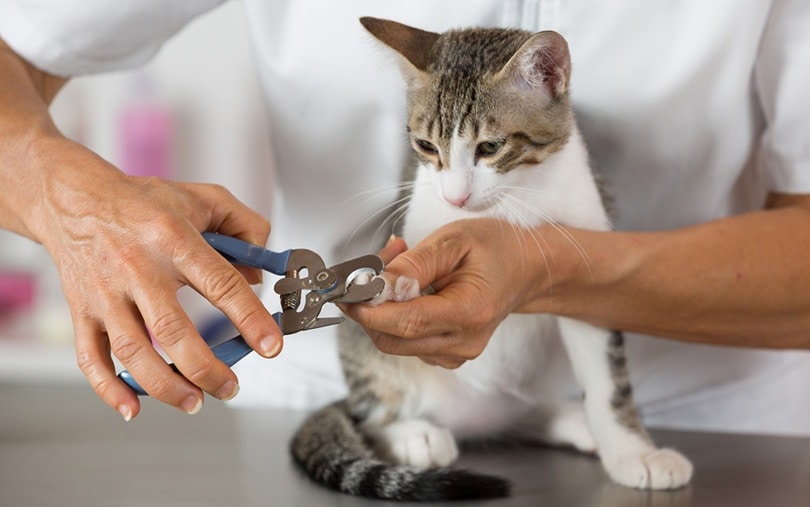
Cats use their claws for a variety of reasons, including jumping, climbing, and hunting. They are a very important feature, but there are times when they require a trim.

Why Should I Trim My Cat’s Nails?
It's preferable to let your cat wear their nails down naturally as opposed to regular trimming.
However, there are times when clipping your cat’s nails is necessary:
If we let our cat’s nails get too long, they could curl and pierce their paw pads. This can result in discomfort and infection, so it’s important to regularly check their nails to avoid this happening. If your cat is long-haired, it's even more important to routinely check them because the fur could be hiding the true length of their nails.
Overgrown nails can cause all kinds of problems for your cat's paws. Our Hepper Cat Nail Clipper Set includes everything you need to keep your cat's nails safely trimmed. It includes two sizes of stainless steel clippers complete with ergonomic handles and built-in safety guards. This set is perfect for all ages, sizes, and breeds of cats!

- Complete Set - These cat nail clippers include both a large and small pair, meaning it works well as a kitten claw trimmer when they're a small kitty, and then before you know it, as a cat nail cutter
- Razor Sharp Stainless Steel - The most comfortable cat nail clippers for indoor cats provide a fast and clean cut. And for rough residuals remaining, the free cat nail file included can smooth it all.
- Safety First - With a safety nail guard and locking spring, you can make sure every grooming cut is stress free for you, and pain free for your purry pal
How Often Should I Trim My Cat’s Nails?
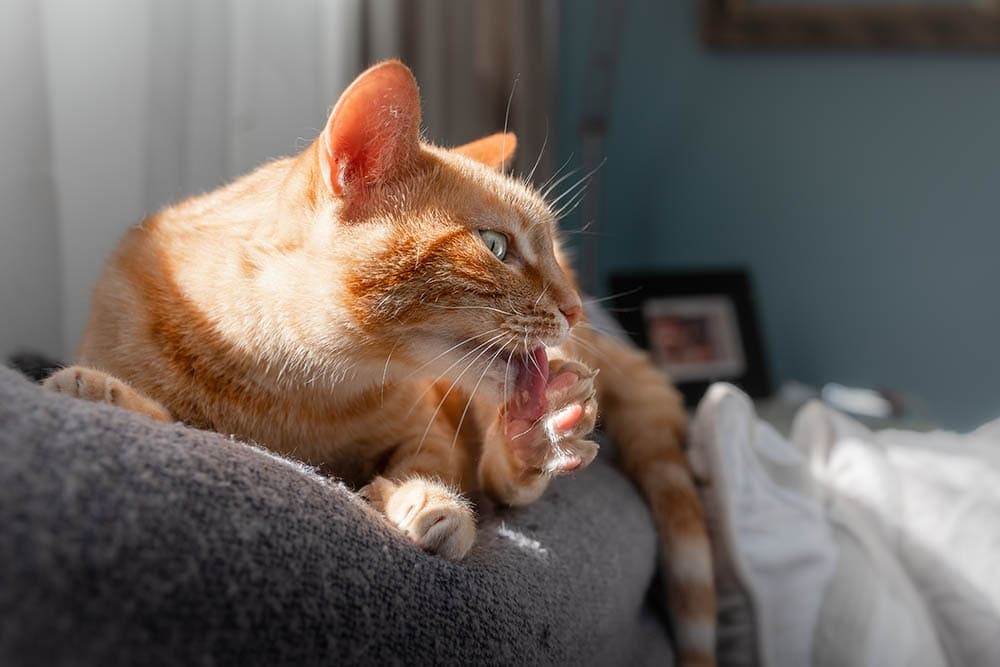
Most cats won’t need their nails trimmed regularly, if at all, though this is heavily dependent on their lifestyle. If your cat has access to the outdoors, they will be wearing their nails down naturally by climbing up fences, hunting prey, and walking or running over rougher surfaces, such as pavements.
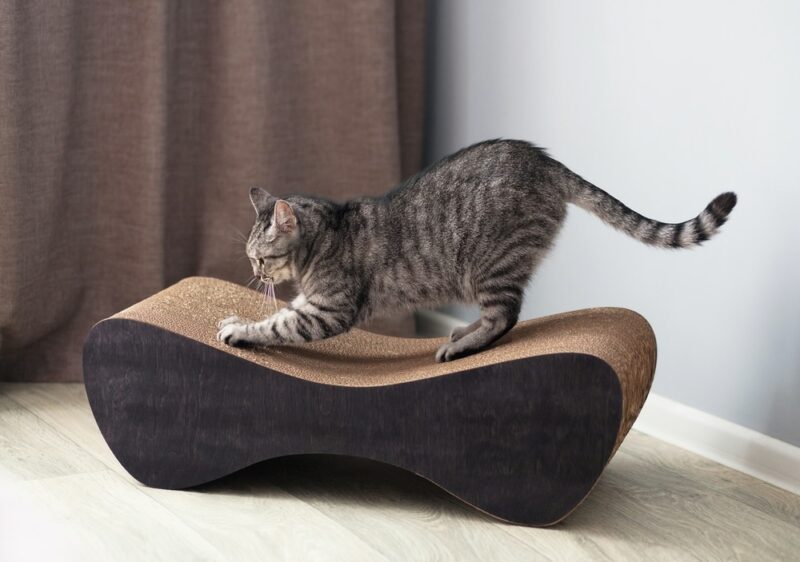
On the other hand, if your cat is an indoor cat, they may need them done more regularly so they aren’t as sharp. This will help prevent them from getting their nails caught in carpets and furniture. You can also introduce enrichment in the home, which will help your indoor (and outdoor!) cat to reduce the sharpness of their nails themselves, such as a scratching post.
Senior cats, or those aged 11 and over, may also need their nails trimming more regularly. Older cats are less mobile and may suffer from arthritis in their joints. They may find it difficult to reduce the sharpness of their nails or get them caught, causing pain in their limbs.
Some cats need their nails trimming every 2-4 weeks, especially if they are an indoor or senior cat, while others only need it doing every few months. Outdoor cats may never need their nails trimming. The frequency of how often the nails require trimming does increase as cats get older.
How Can I Tell if My Cat’s Nails Are Too Long?
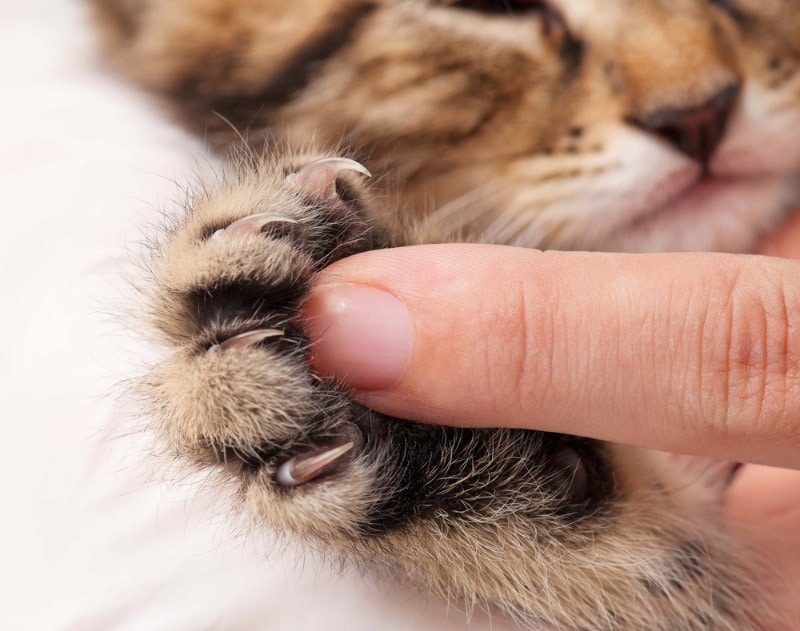
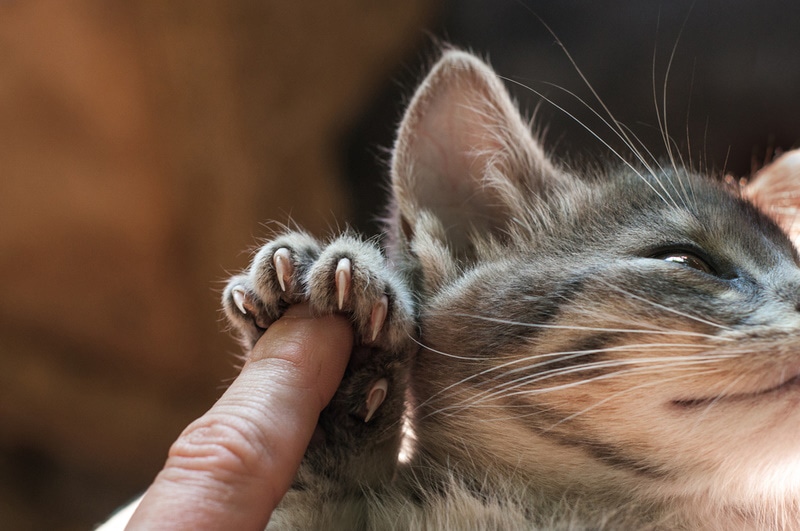
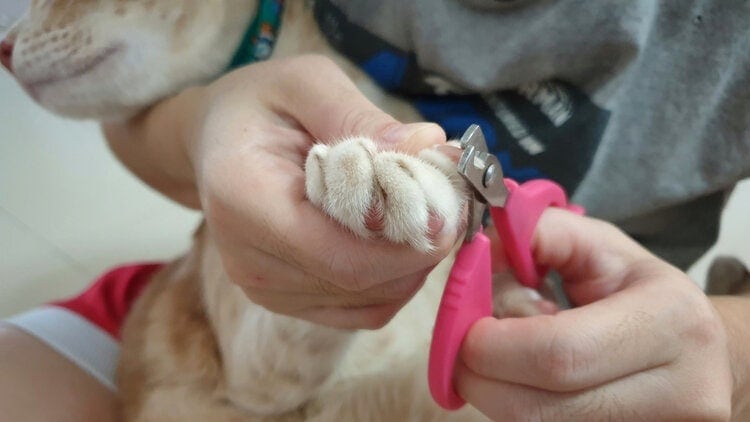
Luckily, most cats have light-colored nails, so you are easily able to see the blood vessels that supply the nails. This is referred to as the quick and is the pink part of the nail. If we were to cut into the pink part, this would cause pain and bleeding.
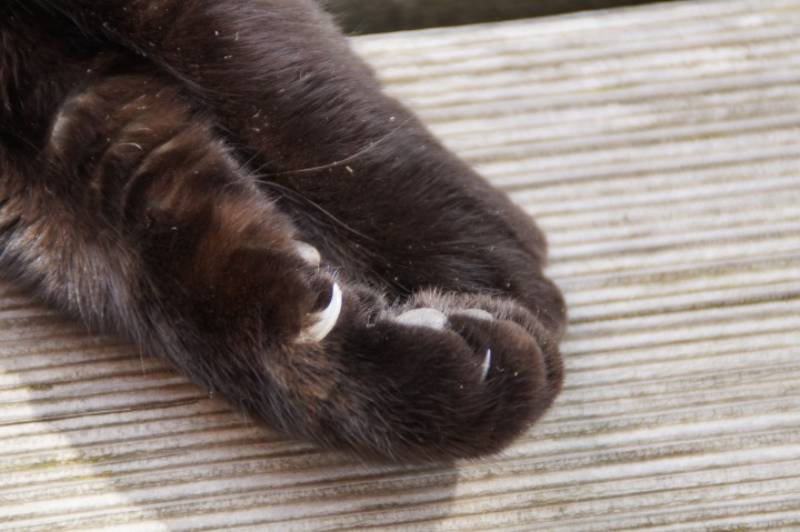
If the white part of the nail is beginning to curl, then your cat’s nails are definitely in need of a trim. Outdoor cats can afford to have longer nails, as they aid them in their outdoor adventures, but their nails should not be left to curl towards the pad.
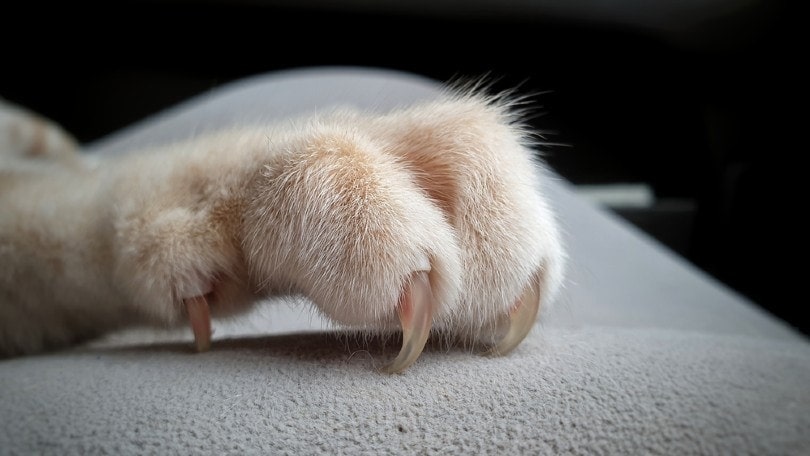
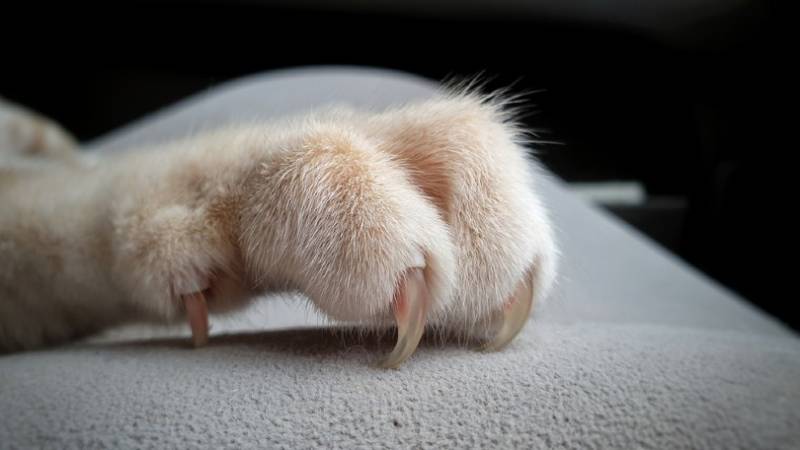
Cats' nails are retractable. They should be hidden in the toes most of the time, meaning we often need to pinch their toes to expose the nail. If you can see your cat's nails when your cat is resting, chances are they are in need of a trim!
How Else Can I Keep the Nails in Good Condition?
Cats are capable of wearing their nails down themselves, but there are ways in which we can help them do this:

- Premium Materials - Hepper's cardboard scratcher is made with dense, B-flute cardboard, and a metal core. Encased in a 1/2" plywood frame with gloss coating. Stable and beautiful, use after use
- High, Low and Lower - A single cat scratch pad won't keep your cat engaged. 3 unique positions keeps them coming back, and back, and back again. Finally, something to get them away from the couch!
- Activates Muscles - The Hi Lo isn't just a cat nail file to stop the chief cat couch scratcher. The deep cat scratcher wave encourages maximum musculoskeletal activation for a healthier workout
A cat scratcher can provide hours of fun daily for any cat, especially our Hepper Hi-Lo Cat Scratcher. It's a cardboard scratcher built to last and amuse (all while looking stylish in any room). It can be adjusted to three different positions – high, low, and lower – and is guaranteed to keep your feline companion engaged and entertained, away from getting into
mischief or scratching things they shouldn't. You can click here to learn more about this piece of modern cat furniture and kitty play haven.
Is There an Alternative to Nail Trimming?
No, there is no suitable alternative to nail trimming. Cats use their nails to perform natural behaviors, which usually wear them down naturally, but if their nails are too long, then trimming is the only way to shorten them.
Declawing is illegal in many countries. It's a practice where the nail and end bone of each toe is removed. Without nails or a nail bed, the cat cannot scratch or destroy furniture. However, for the purpose of preventing scratching or to avoid having to trim nails, it's an inhumane procedure that should not be carried out. It provides no benefit to the cat but has many negatives, such as removing a defense mechanism and preventing them from being able to behave as a cat should. Declawing can also result in pain, mobility issues, and an increase in unwanted behavior, such as aggression, as the loss of their claws can make them feel vulnerable and insecure.
How Do I Trim My Cat’s Nails?
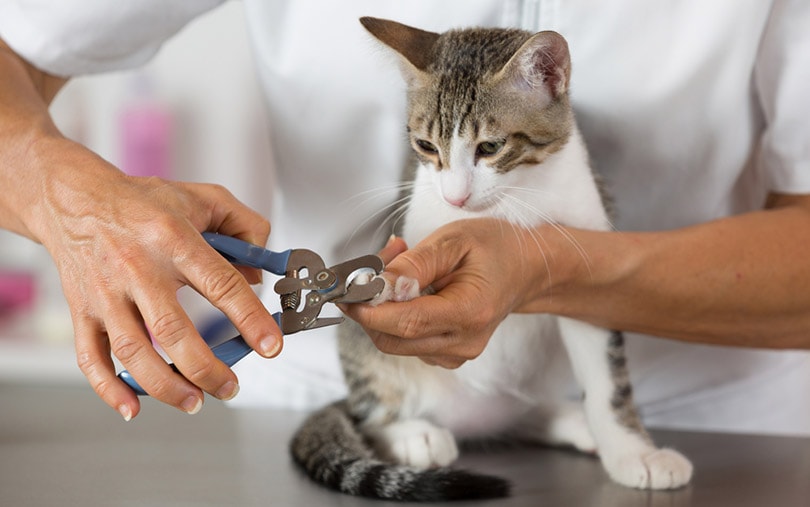
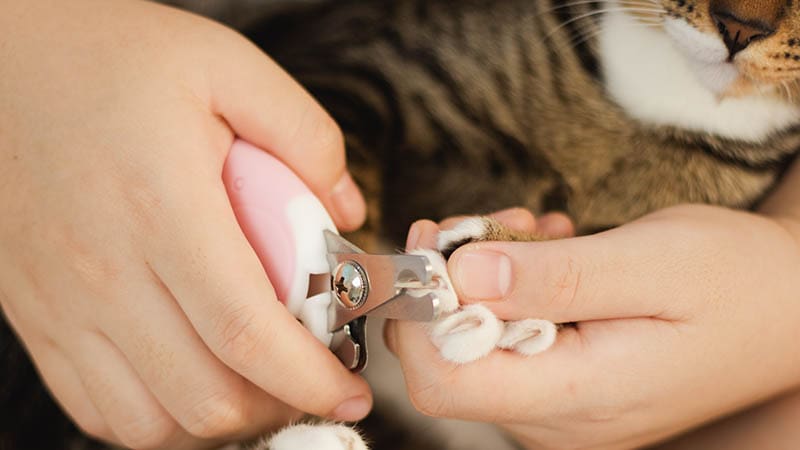
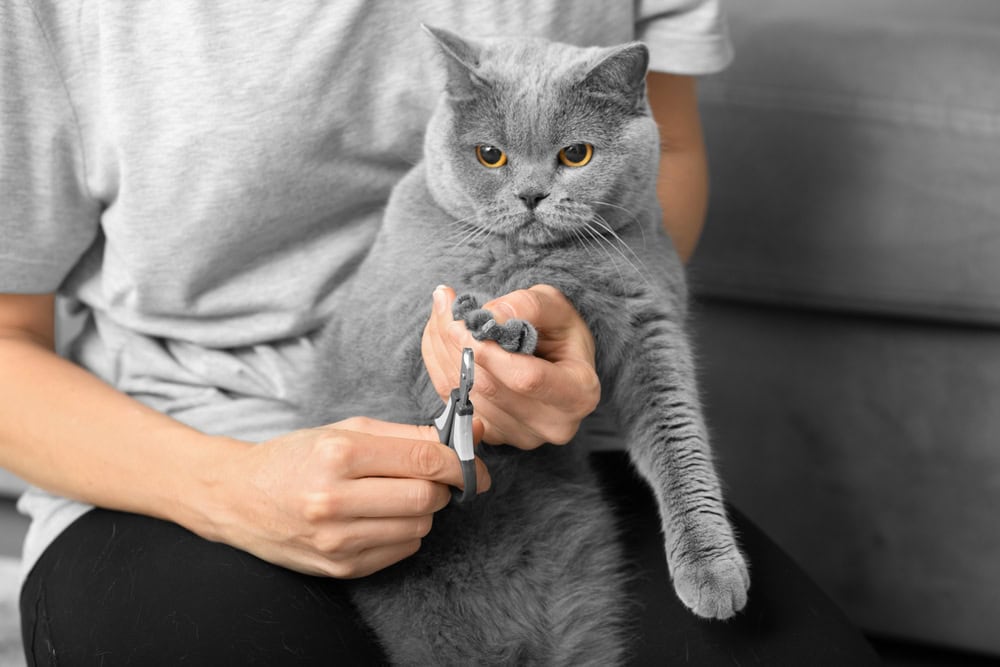
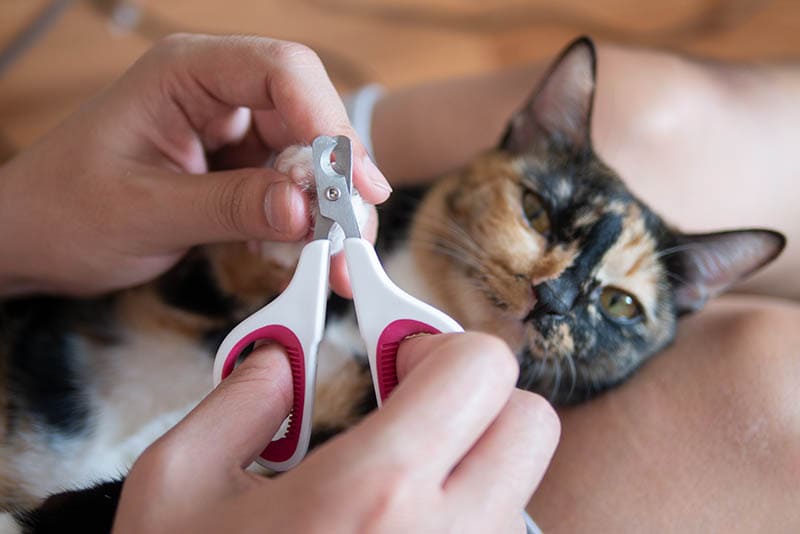
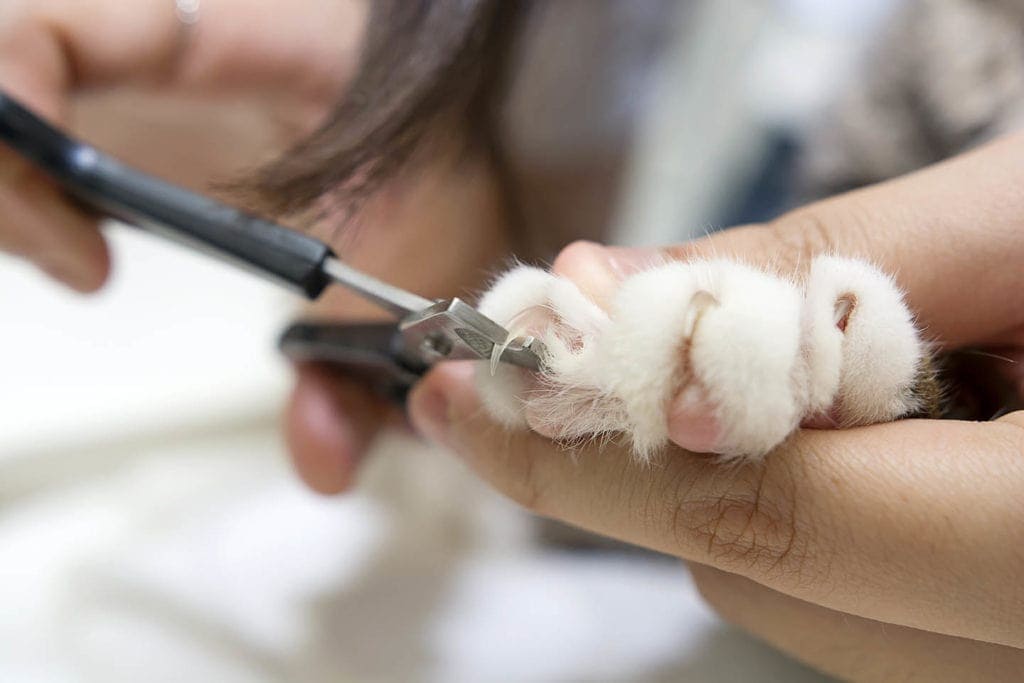
Trimming your cat’s nails is something you can do at home. Most cats don’t like having it done but can be trained using positive reinforcements and patience. Your veterinary clinic can also trim your cat's nails and teach and support you in doing this too.
Top tips for trimming your cat’s nails are:
Conclusion
To conclude, cats use their nails for hunting, climbing, and as the first line of defense, so it's often not necessary to trim their nails, and some may go years without needing their nails trimming. However, as cats get older, they may be less able to wear down their nails themselves and will need nail trimming more often.
There are plenty of enrichment toys available to help cats keep their nails a suitable length, particularly if they are indoor cat, such as scratching posts and cat trees. Keeping them at their ideal weight and body condition is also very important.
If your cat does need their nails trimming, this is something you can do at home, or your veterinary clinic can help you with it.
Related Reads:
Featured Image Credit: 135pixels, Shutterstock
Get Hepper In Your Inbox


Pet care tips from our vets and experts, straight to your inbox.
You may opt-out at any time. View our Privacy Policy for more information.
Joanna is an experienced vet working in the UK. She has written about pets and pet health for many websites, blogs, and pet magazines and loves to help owners understand their pets through her writing.
Joanna is an experienced vet working in the UK who has always loved both writing and science. So, after following her passion for science and graduating as a veterinarian, she was able to begin writing and join her two passions together.
She has written about pets and pet health for many websites, blogs, and pet magazines. She loves to help owners understand their pets better through her writing, and loves to teach and educate her clients. She owns her own freelance company to help even more clients than just the one standing in front of her in a consultation room.
Education
In 2016, Joanna graduated from the University of Nottingham, with a degree in Veterinary Science (BVMedSci) and a degree in Veterinary Medicine and Surgery (BVM BVS).
Experience
Joanna practiced as a clinical vet from 2016 - 2019 and left full-time practice after that to work as a locum/relief vet in the Channel Islands, alongside her freelance writing work.
Join the conversation
Ask a question, share your story, or send private feedback.