Hepper is reader-supported. When you buy via links on our site, we may earn an affiliate commission at no cost to you. Learn more.
Why Does My Dog Pee When Scared? 6 Vet-Reviewed Reasons


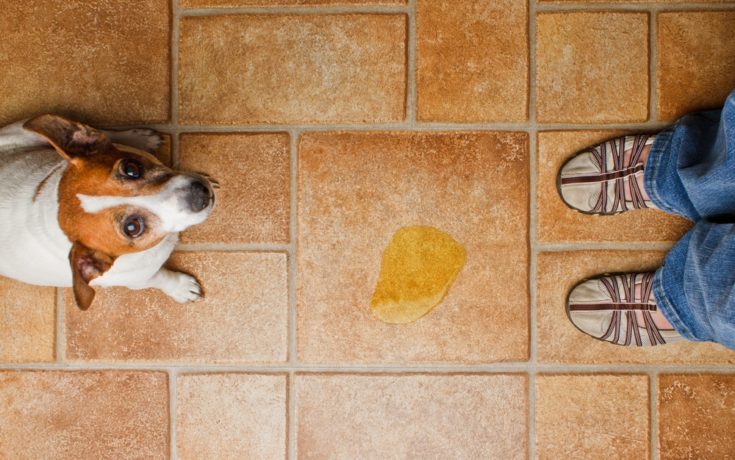
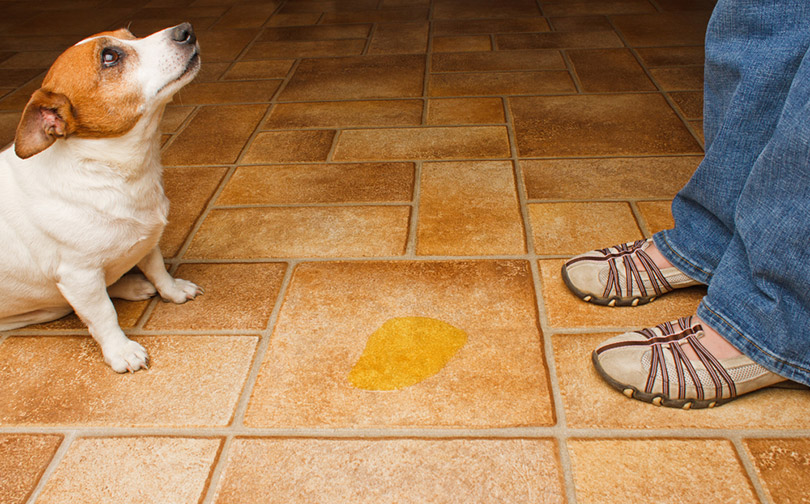
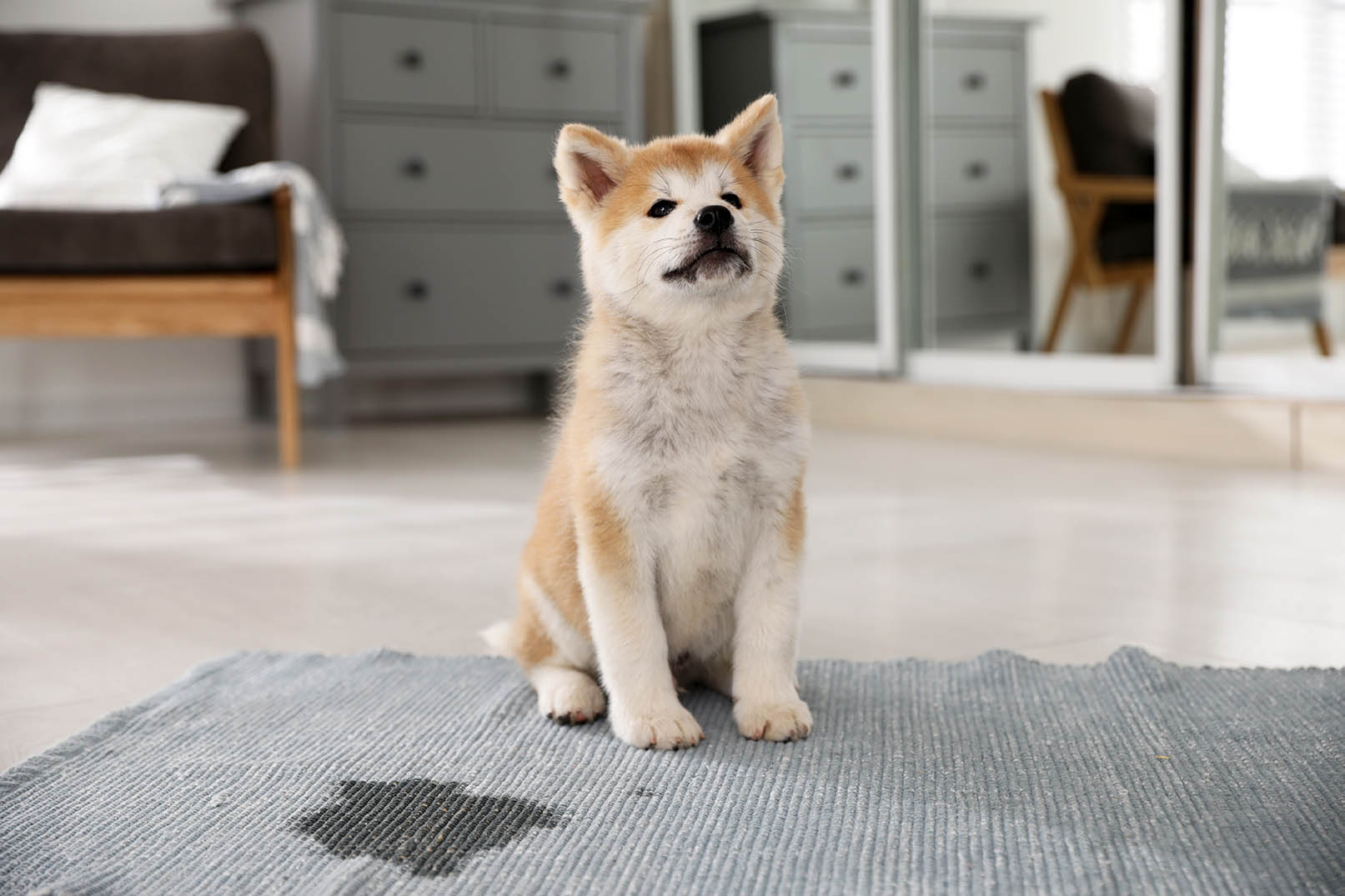
Most dog lovers could not imagine life without their pets, but some aspects of living with canines can be unpleasant. During the training phase, dogs are likely to make a few messes indoors, but what do you do when your dog urinates when it’s scared? Dogs can lose control of their bladders for several reasons, and some of the reasons we’ll discuss can be corrected.
However, a urinary issue relating to a medical problem can only be treated by your veterinarian. Catching an infection or illness in the early stages is vital for a successful recovery. If your dog urinates indoors frequently, a visit to the doctor can prevent the condition from getting worse.

Reacting to Indoor Accidents
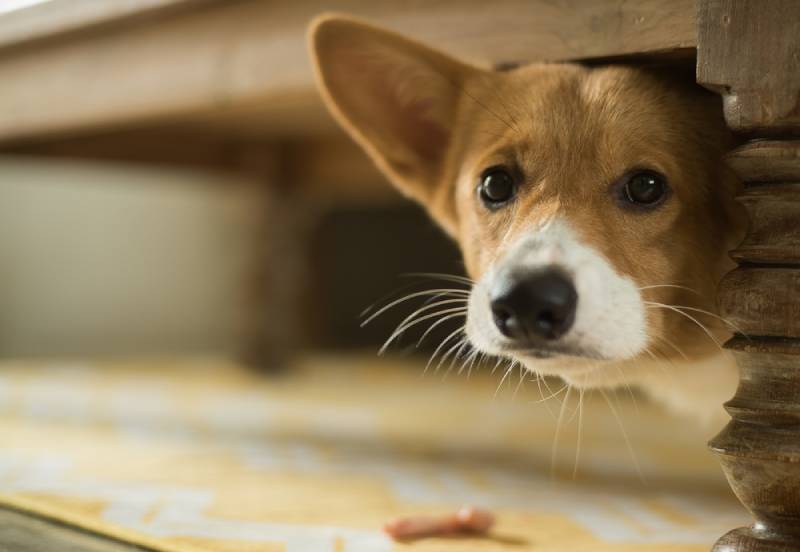
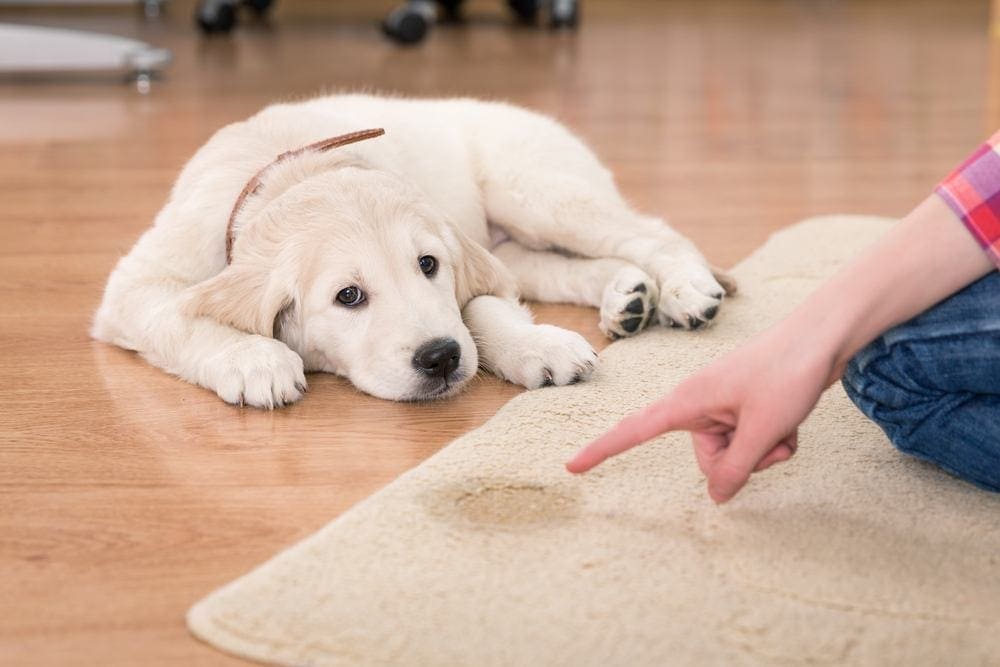
Before we discuss why scared dogs pee inside, it is important to mention that your reaction to a pool of urine or other mess affects your dog’s behavior and training. Punishing the animal for urinating will only weaken the bond you share, and it can make potty training even more challenging. Instead of peeing in the middle of the living room floor, the dog may decide to pee behind a chair next time to avoid a scary punishment.
If you catch your buddy in the act, you can firmly say “stop” or “no,” but try not to release an ear-splitting scream. Next, try leading the dog outside to show it the correct spot in the yard. Dogs are clueless about appropriate behavior without a patient trainer to guide them along, but they begin to learn through encouragement and repetition. Whether a urinary problem is medical or behavioral, a dog is not urinating indoors out of spite, or other nefarious reasons.

The 6 Reasons Why Dogs Pee When Scared
1. Troubling History

Reputable breeders typically expose their puppies to children, other animals, loud music, and even an occasional car ride. However, many puppies and dogs are not socialized when they are young and become frightened when they encounter or hear something unfamiliar. Dogs with troubled pasts are often associated with abused rescue animals, but dogs can have anxiety problems without being physically abused. If they’re unaccustomed to loud noises or obnoxious strangers, the trauma can cause them to lose control of their bladder temporarily.
How to correct the behavior:
2. Inadequate Training
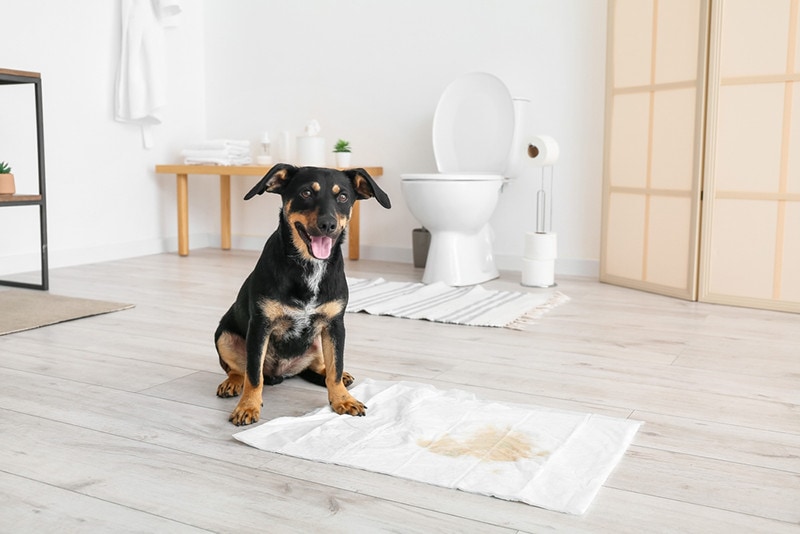
If you recently adopted an adult dog, the animal may not know where to use the restroom because it was not appropriately trained. Some dogs were raised outside, and they may be unfamiliar with a carpet until you teach them. Potty training an adult is just like training a puppy but often requires more time and perseverance to complete. Some breeds adapt to training quickly, but others need more repetition and encouragement.
How to correct the behavior:
Our favorite enzyme cleaner for eliminating pet smells and stains is our very own Hepper Advanced Bio-Enzyme Pet Stain & Odor Eliminator Spray. It makes clean-up a breeze because it permanently removes even the very worst smells and stains (urine, feces, vomit, you name it!) from basically any surface you can imagine.

- ADVANCED ENZYMATIC CLEANER - Penetrates the most stubborn smells and stains at the deepest molecular levels to dissolve any pet mess you encounter and lift it away at the source.
- FOR ANY MESS, ON ANY SURFACE - This pet odor eliminator cleans your carpets, floors, furniture, fabrics, and more. Whether it's urine, feces, vomit, or drool, you can erase all foul spots and smells!
- FRESH, NATURAL ODOR - Our unique formulation doesn't rely on dangerous or unpleasant chemical fragrances to get the job done. We eradicate smells and stains, not just cover them up.
3. Drastic Changes
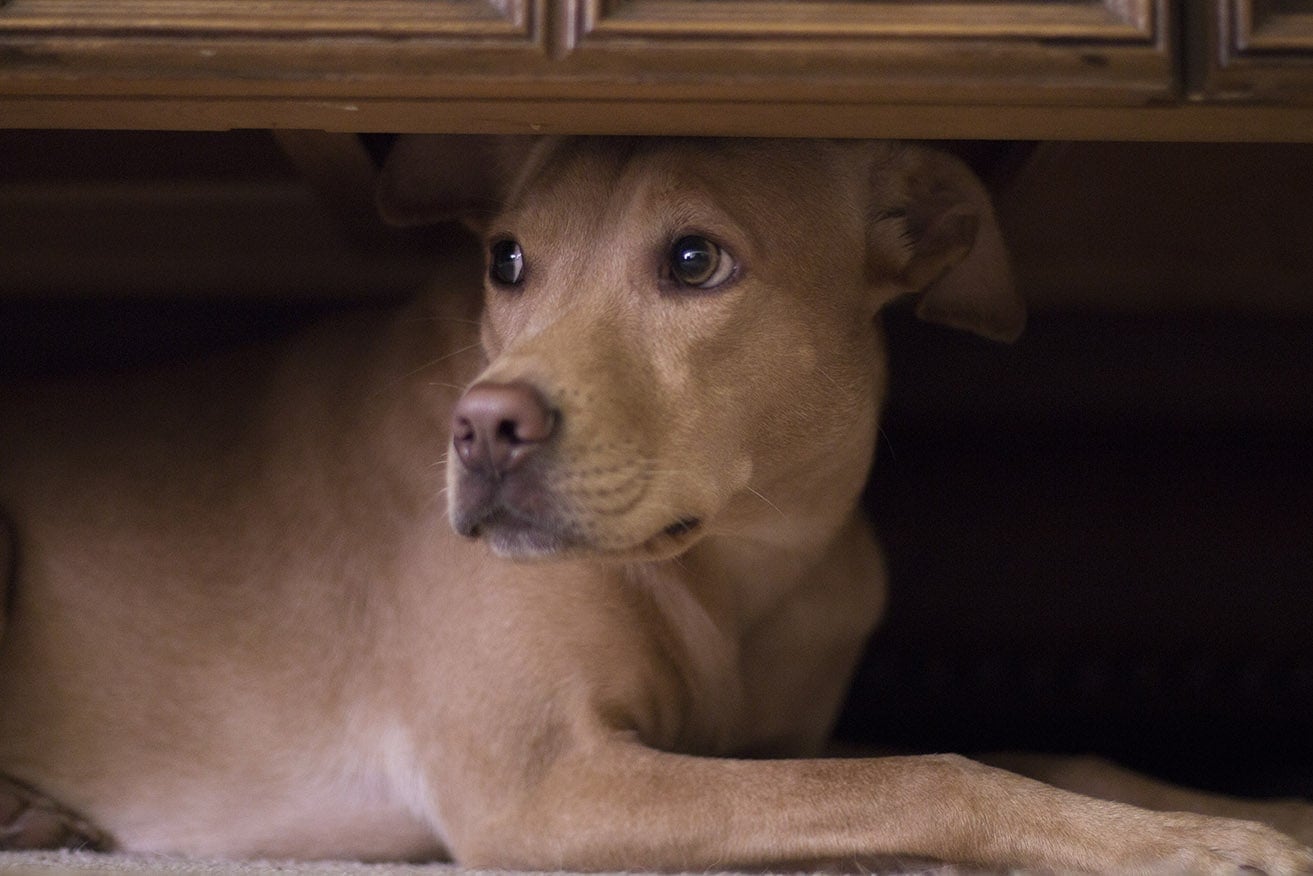
If your dog was potty trained but started using the restroom indoors, the cause could be related to an abrupt change in its routine or environment. A move to a new home, a new pet in the house, or a shift from online work to an office job can increase anxiety and cause the dog to display unusual behavior. In addition to urinating indoors, a dog suffering from anxiety may destroy furniture or become more aggressive.
How to correct the behavior:
4. Submissive Urination
A Dog suffering from submissive urination issues is often triggered when a stranger greets them with exuberance. Before urinating, the dog may crouch down, roll over, or tuck its tail between its legs. Reaching from a standing position to pet the animal is intimidating to some dogs, and submissive dogs may respond by peeing on the floor. Shouting and cruel verbal abuse can also cause a scared dog to release its bladder.
How to correct the behavior:
5. Urinary Tract Infections
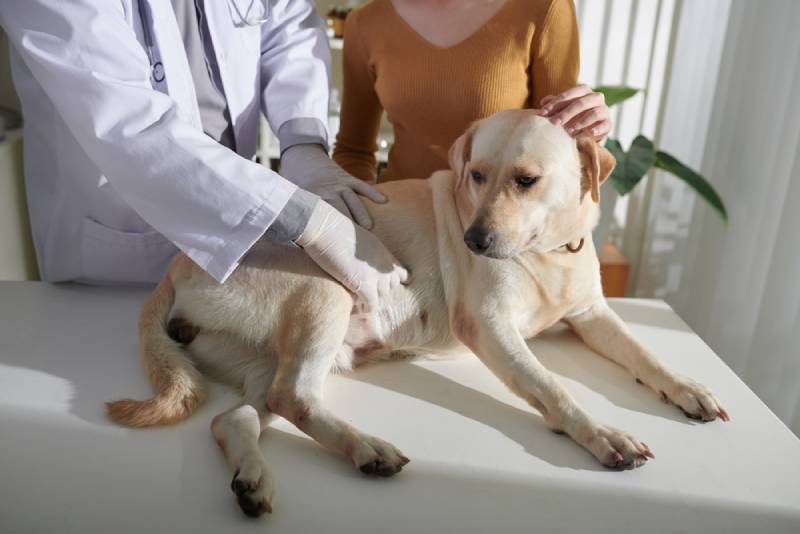
If your dog is not peeing inside because of a behavioral issue, the problem may be related to a medical problem. Urinary tract infections (UTIs) are common issues that veterinarians have vast experience in treating. Some symptoms of a UTI include bloody urine, frequent urination, smelly urine, and excessive genital licking. Unlike submissive dogs who can learn to pee outside, a dog with a UTI cannot control its bladder.
How to correct the behavior:
6. Incontinence
Although dogs of all ages can experience incontinence, it’s more prevalent with senior dogs and spayed females with low estrogen levels. Urinary incontinence is caused by several factors, including spinal injuries, hormonal imbalances, prostate issues, excessive water intake, cancer, and inherited medical conditions. An incontinent dog will typically urinate when sleeping or resting comfortably.
How to correct the behavior:
Conclusion
Although your white carpet covered with urine is not what you expect from your well behaved dog, handling the situation with patience and empathy is crucial to correcting the behavior. Dogs do not like to disappoint their families, but their bathroom habits are sometimes beyond their control. With veterinary assistance and humane training techniques, you can help a scared or submissive dog overcome its fears and learn to use the bathroom outside.
Sources
https://www.petmd.com/dog/behavior/adopting-pet-history-abuse-what-you-should-know
https://www.akc.org/expert-advice/health/treating-dog-anxiety/
https://www.humanesociety.org/resources/dog-submissive-urination-solutions
https://vcahospitals.com/know-your-pet/urinary-tract-infections-utis-in-dogs
https://www.petmd.com/dog/conditions/urinary/utis-dogs-urinary-tract-infections-dogs
https://veterinarypartner.vin.com/default.aspx?pid=19239&id=4952092
Featured Image Credit: Patrick H, Shutterstock
Get Hepper In Your Inbox


Pet care tips from our vets and experts, straight to your inbox.
You may opt-out at any time. View our Privacy Policy for more information.
Nicole is a lover of animals of all sizes but is especially fascinated with the feline variety. She’s the proud mom of Baby, a Burmese, and works every day so he can relax in the sunshine or by the fire. She’s always had a cat in her home and has spent countless days with others, observing behaviors and softening up even the grouchiest of the lot. Nicole wants to share her kitty expertise with you so you and your cat can live happy, healthy, and care-free.
Join the conversation
Ask a question, share your story, or send private feedback.